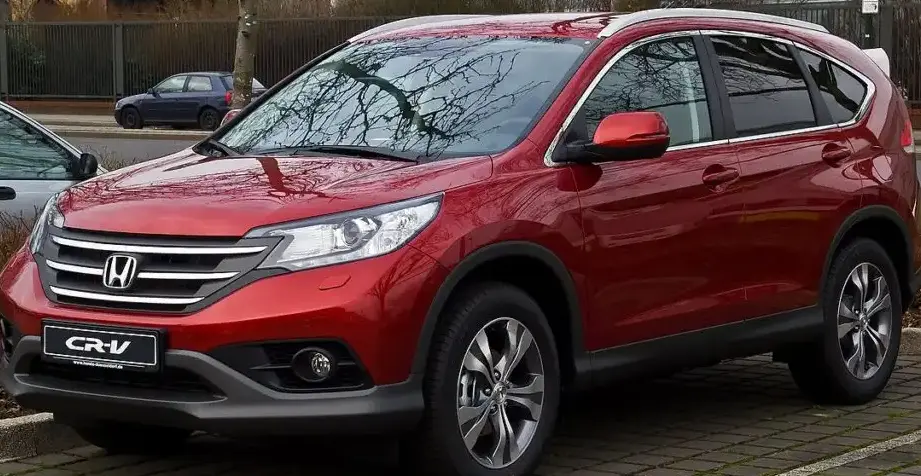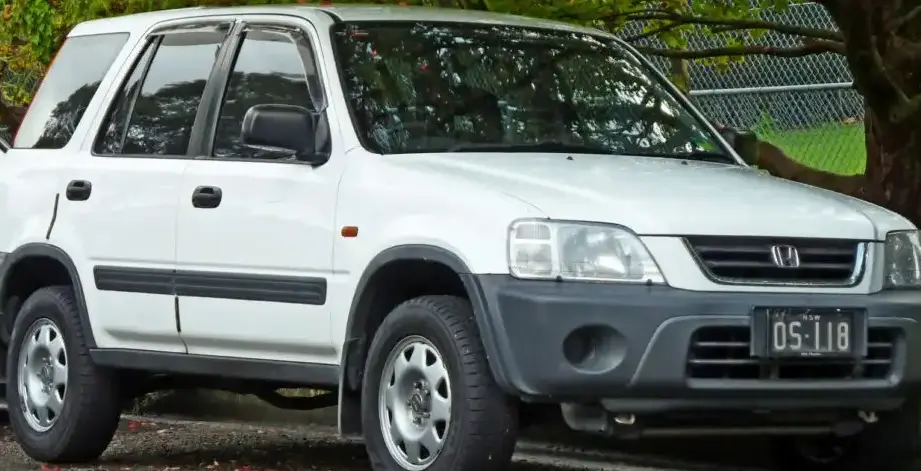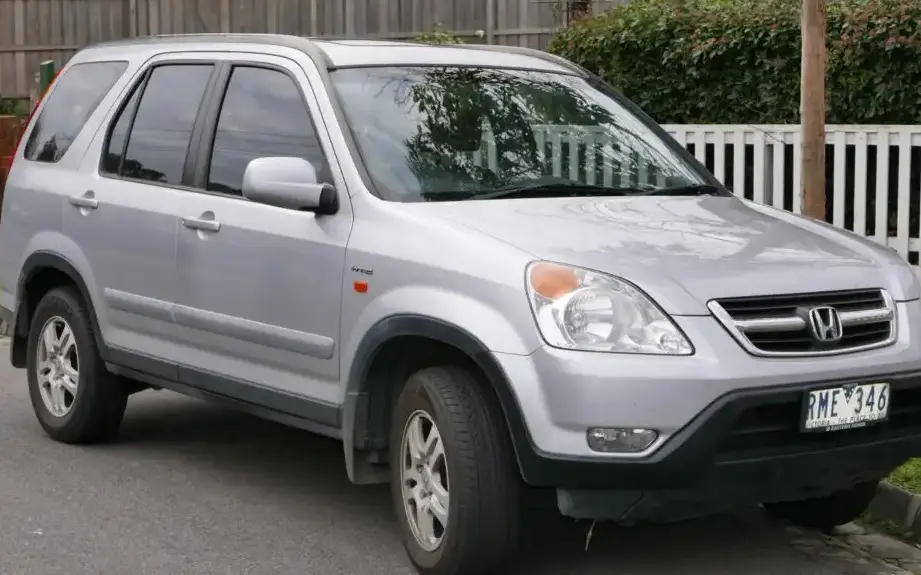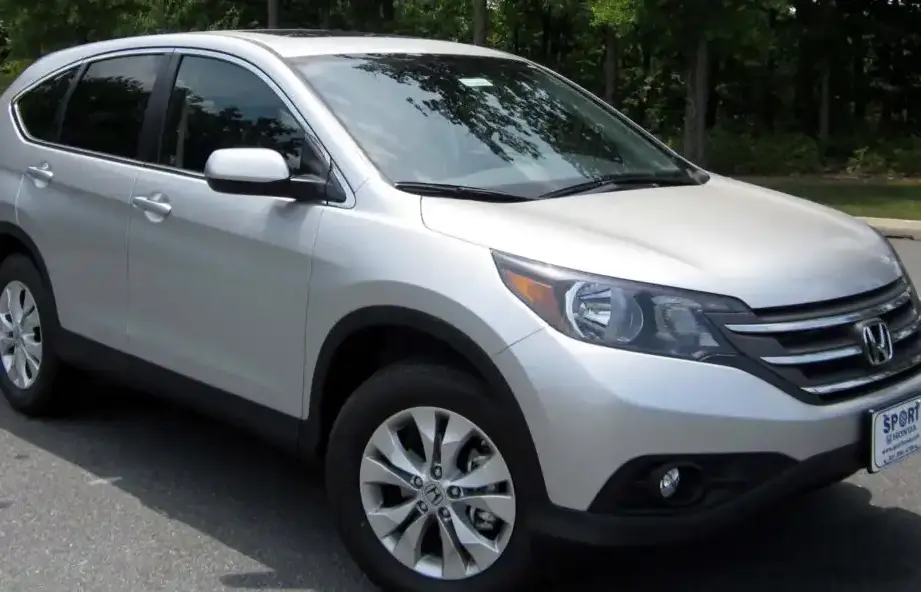
The Honda CR-V IV 1.6 i-DTEC (120 hp) was a diesel-powered variant of the fourth-generation Honda CR-V, produced between 2013 and 2015. Positioned as an economy-focused option within the CR-V lineup, it aimed to provide improved fuel efficiency compared to the gasoline-powered models, particularly appealing to European markets where diesel engines held significant popularity. This variant utilized a relatively small displacement diesel engine paired with a six-speed manual transmission, offering a balance between practicality and running costs. It was a key offering in a segment increasingly focused on fuel economy and reduced emissions.
Technical Specifications
| Brand | Honda |
| Model | CR-V |
| Generation | CR-V IV |
| Type (Engine) | 1.6 i-DTEC (120 Hp) |
| Start of production | 2013 |
| End of production | 2015 |
| Powertrain Architecture | Internal Combustion engine |
| Body type | SUV |
| Seats | 5 |
| Doors | 5 |
| Fuel consumption (urban) | 4.8 l/100 km (49 US mpg, 58.9 UK mpg, 20.8 km/l) |
| Fuel consumption (extra urban) | 4.3 l/100 km (54.7 US mpg, 65.7 UK mpg, 23.3 km/l) |
| Fuel consumption (combined) | 4.5 l/100 km (52.3 US mpg, 62.8 UK mpg, 22.2 km/l) |
| CO2 emissions | 119 g/km |
| Fuel Type | Diesel |
| Acceleration 0 – 100 km/h | 11.2 sec |
| Acceleration 0 – 62 mph | 11.2 sec |
| Acceleration 0 – 60 mph | 10.6 sec |
| Maximum speed | 182 km/h (113.09 mph) |
| Emission standard | Euro 5 |
| Weight-to-power ratio | 12.8 kg/Hp, 77.9 Hp/tonne |
| Weight-to-torque ratio | 5.1 kg/Nm, 194.7 Nm/tonne |
| Power | 120 Hp @ 4000 rpm |
| Power per litre | 75.1 Hp/l |
| Torque | 300 Nm @ 2000 rpm (221.27 lb.-ft. @ 2000 rpm) |
| Engine layout | Front, Transverse |
| Engine Model/Code | N16A2 |
| Engine displacement | 1597 cm3 (97.45 cu. in.) |
| Number of cylinders | 4 |
| Engine configuration | Inline |
| Compression ratio | 16:1 |
| Number of valves per cylinder | 4 |
| Fuel injection system | Diesel Commonrail |
| Engine aspiration | Turbocharger, Intercooler |
| Engine oil capacity | 4.7 l (4.97 US qt | 4.14 UK qt) |
| Coolant capacity | 5.7 l (6.02 US qt | 5.02 UK qt) |
| Kerb Weight | 1541 kg (3397.32 lbs.) |
| Trunk (boot) space – minimum | 589 l (20.8 cu. ft.) |
| Trunk (boot) space – maximum | 1146 l (40.47 cu. ft.) |
| Fuel tank capacity | 58 l (15.32 US gal | 12.76 UK gal) |
| Length | 4570 mm (179.92 in.) |
| Width | 1820 mm (71.65 in.) |
| Height | 1685 mm (66.34 in.) |
| Wheelbase | 2630 mm (103.54 in.) |
| Minimum turning circle | 11.8 m (38.71 ft.) |
| Drivetrain Architecture | Front wheel drive |
| Number of gears | 6 gears, manual transmission |
| Front suspension | Independent, type McPherson with coil spring and anti-roll bar |
| Rear suspension | Independent multi-link suspension |
| Front brakes | Ventilated discs |
| Rear brakes | Disc |
| Tires size | 225/65 R17 |
| Wheel rims size | 17 |
INTRODUCTION
The Honda CR-V IV 1.6 i-DTEC, launched in 2013, represented Honda’s response to the growing demand for fuel-efficient SUVs in the European market. Part of the fourth-generation CR-V (produced from 2012-2018, internally designated as the RM series), this variant was specifically engineered to offer lower running costs without sacrificing the practicality and space that the CR-V was known for. The 1.6-liter diesel engine, designated N16A2, was a relatively new addition to Honda’s engine lineup, designed to meet stringent Euro 5 emissions standards. This model aimed to broaden the CR-V’s appeal to buyers prioritizing economy and environmental considerations.
Powertrain & Engine Architecture
The heart of the CR-V 1.6 i-DTEC is the N16A2 engine, a 1.6-liter inline-four cylinder diesel. This engine utilizes a common-rail direct injection system, delivering fuel at extremely high pressure for optimized combustion. A single turbocharger with an intercooler is employed to boost power and torque. The engine features a 16:1 compression ratio, contributing to its efficiency. The engine’s design incorporated features to reduce friction and weight, further enhancing fuel economy. The six-speed manual transmission was the sole gearbox option for this variant. The transmission’s gear ratios were tuned to maximize fuel efficiency and provide adequate acceleration, though it wasn’t geared for outright performance. The gear ratios were relatively long, prioritizing economy over rapid acceleration.
Driving Characteristics
The 120 hp output and 300 Nm (221 lb-ft) of torque provided adequate, but not exhilarating, performance. Acceleration from 0-60 mph took around 10.6 seconds, and top speed was limited to 113 mph. In real-world driving, the engine felt responsive at lower RPMs, thanks to the turbocharger, providing sufficient power for everyday driving situations. However, when fully loaded or tackling steep inclines, the engine could feel strained. Compared to the 2.0-liter gasoline engine offered in the CR-V IV, the 1.6 i-DTEC lacked the immediate responsiveness but offered significantly better fuel economy. The manual transmission was smooth and precise, but the long gear ratios meant frequent shifting was often necessary to maintain optimal power delivery.
Equipment & Trim Levels
The 1.6 i-DTEC trim typically fell into the mid-range of the CR-V IV lineup. Standard equipment generally included air conditioning, power windows, a basic audio system with USB connectivity, and alloy wheels. Safety features such as ABS, electronic stability control, and multiple airbags were also standard. Higher trim levels, often denoted by “SE” or “ES” designations, added features like climate control, a more advanced audio system, rear parking sensors, and cruise control. Interior upholstery was typically cloth, with options for leather available on higher trims. The dashboard layout was functional and straightforward, prioritizing usability over luxury.
Chassis & Braking
The CR-V IV utilized a MacPherson strut front suspension and a multi-link rear suspension, providing a comfortable and controlled ride. The suspension was tuned to prioritize comfort over sporty handling. The front brakes were ventilated discs, while the rear brakes were solid discs. ABS (Anti-lock Braking System) was standard, enhancing braking performance and safety. Stabilizer bars were fitted to both the front and rear axles to reduce body roll during cornering. The chassis was designed to provide a good balance between rigidity and weight, contributing to the vehicle’s overall stability.
Market Reception & Comparison
The CR-V 1.6 i-DTEC was generally well-received by automotive critics, particularly for its impressive fuel economy. Reviewers praised its comfortable ride and spacious interior. However, some criticized its relatively modest performance and the slightly agricultural nature of the diesel engine. Compared to other diesel-powered SUVs in its class, such as the Nissan Qashqai and Kia Sportage, the CR-V offered a competitive fuel economy figure and a reputation for reliability. The 1.6 i-DTEC typically achieved around 52.3 US mpg in combined driving, making it a compelling option for drivers covering long distances.
Legacy
The N16A2 engine, while not without its quirks, proved to be a relatively reliable unit when properly maintained. Common issues included diesel particulate filter (DPF) clogging, particularly on vehicles used primarily for short journeys. Regular servicing and the use of high-quality diesel fuel were crucial for maintaining the engine’s longevity. On the used car market, the CR-V 1.6 i-DTEC remains a popular choice for buyers seeking a practical, fuel-efficient SUV. Its reputation for reliability and spaciousness continues to make it a desirable option, though potential buyers should be aware of the potential DPF issues and ensure a thorough inspection before purchase.