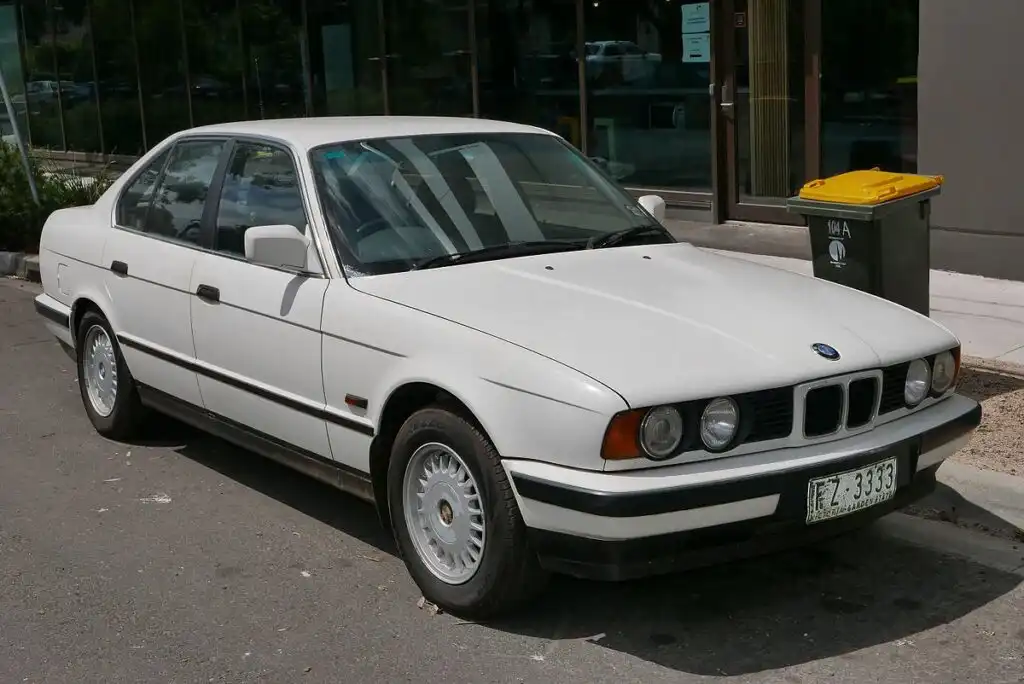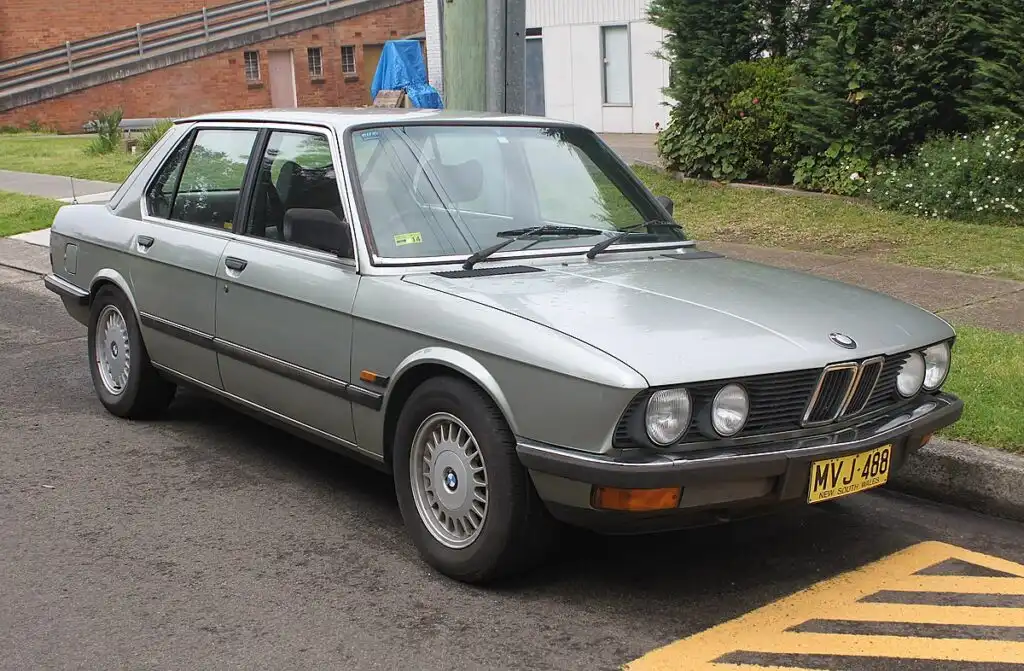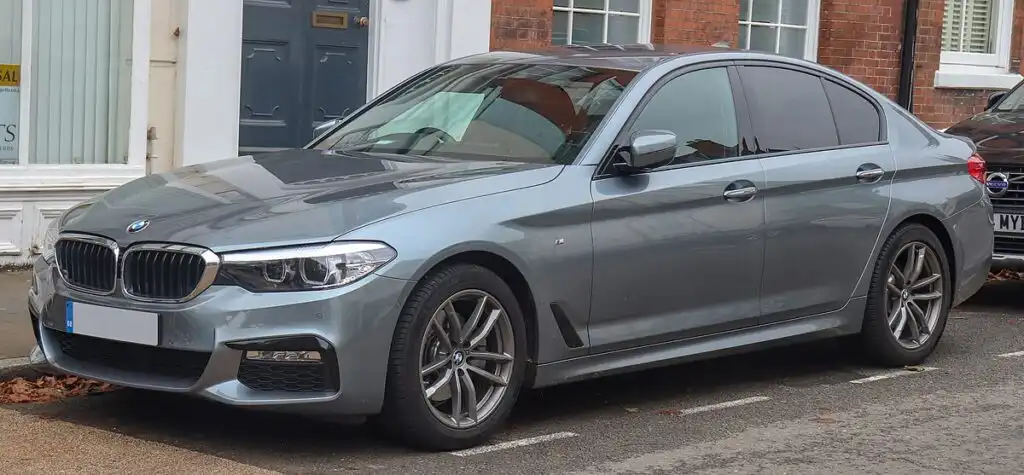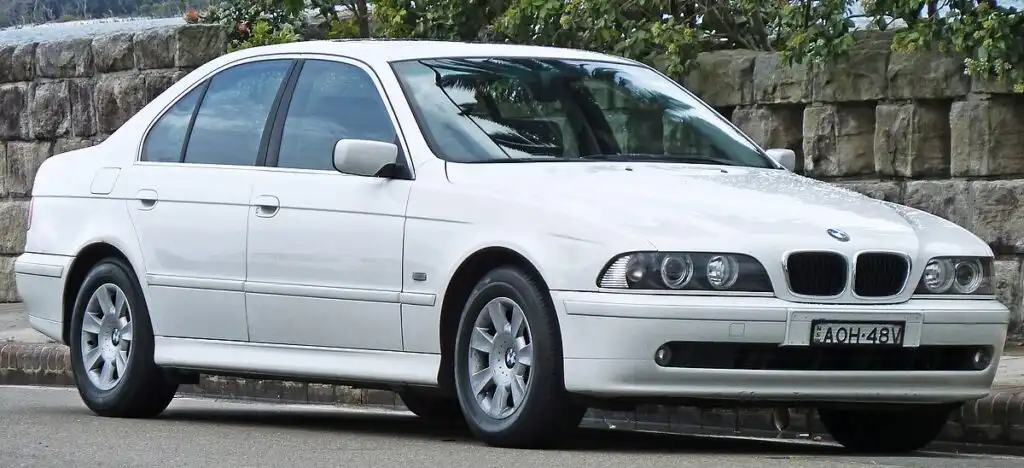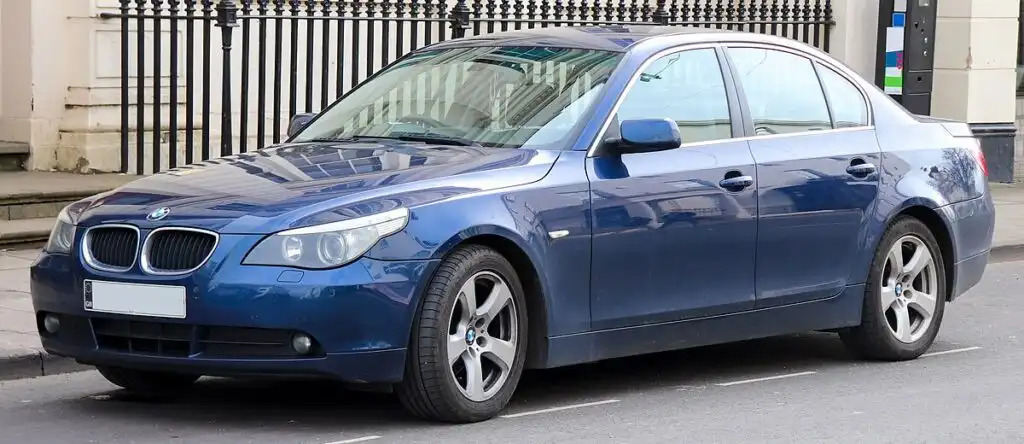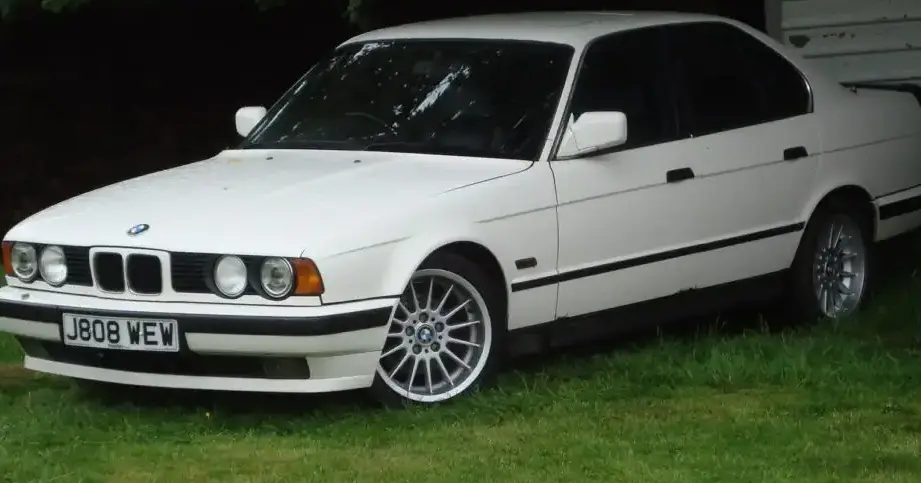
The BMW 535i, produced between 1988 and 1995, was a significant variant within the E34 generation of the 5 Series. Positioned as a mid-to-high-range model, it offered a compelling blend of performance and luxury. The E34 5 Series represented a substantial leap forward for BMW, establishing a new benchmark for handling, refinement, and technology in the executive sedan segment. The 535i, specifically, was aimed at drivers who desired a more potent engine than the base 525i, but didn’t necessarily require the ultimate performance of the M5. It served as a sweet spot in the lineup, balancing driving enjoyment with everyday usability.
Technical Specifications
| Brand | BMW |
| Model | 5 Series |
| Generation | 5 Series (E34) |
| Type (Engine) | 535i (211 Hp) Automatic |
| Start of production | 1988 |
| End of production | 1995 |
| Powertrain Architecture | Internal Combustion engine |
| Body type | Sedan |
| Seats | 5 |
| Doors | 4 |
| Fuel consumption (urban) | 17.8 l/100 km (13.2 US mpg, 15.9 UK mpg, 5.6 km/l) |
| Fuel consumption (extra urban) | 7.9 l/100 km (29.8 US mpg, 35.8 UK mpg, 12.7 km/l) |
| Fuel consumption (combined) | 9.7 l/100 km (24.2 US mpg, 29.1 UK mpg, 10.3 km/l) |
| Fuel Type | Petrol (Gasoline) |
| Acceleration 0 – 100 km/h | 8.8 sec |
| Acceleration 0 – 62 mph | 8.8 sec |
| Acceleration 0 – 60 mph | 8.4 sec |
| Maximum speed | 231 km/h (143.54 mph) |
| Weight-to-power ratio | 7.6 kg/Hp, 131.9 Hp/tonne |
| Weight-to-torque ratio | 5.2 kg/Nm, 190.6 Nm/tonne |
| Power | 211 Hp @ 5700 rpm |
| Power per litre | 61.5 Hp/l |
| Torque | 305 Nm @ 4000 rpm (224.96 lb.-ft. @ 4000 rpm) |
| Engine layout | Front, Longitudinal |
| Engine Model/Code | M30B35 |
| Engine displacement | 3430 cm3 (209.31 cu. in.) |
| Number of cylinders | 6 |
| Engine configuration | Inline |
| Cylinder Bore | 92 mm (3.62 in.) |
| Piston Stroke | 86 mm (3.39 in.) |
| Compression ratio | 9:1 |
| Number of valves per cylinder | 2 |
| Fuel injection system | Multi-port manifold injection |
| Engine aspiration | Naturally aspirated engine |
| Valvetrain | OHC |
| Engine oil capacity | 5.75 l (6.08 US qt | 5.06 UK qt) |
| Coolant | 12 l (12.68 US qt | 10.56 UK qt) |
| Kerb Weight | 1600 kg (3527.4 lbs.) |
| Max. weight | 2035 kg (4486.41 lbs.) |
| Max load | 435 kg (959.01 lbs.) |
| Trunk (boot) space – minimum | 460 l (16.24 cu. ft.) |
| Fuel tank capacity | 80 l (21.13 US gal | 17.6 UK gal) |
| Length | 4720 mm (185.83 in.) |
| Width | 1751 mm (68.94 in.) |
| Height | 1412 mm (55.59 in.) |
| Wheelbase | 2761 mm (108.7 in.) |
| Front track | 1470 mm (57.87 in.) |
| Rear (Back) track | 1495 mm (58.86 in.) |
| Drivetrain Architecture | The Internal combustion engine (ICE) drives the rear wheels of the vehicle. |
| Drive wheel | Rear wheel drive |
| Number of gears and type of gearbox | 4 gears, automatic transmission |
| Front suspension | Wishbone |
| Rear suspension | Spring Strut |
| Front brakes | Ventilated discs |
| Rear brakes | Disc |
| Assisting systems | ABS (Anti-lock braking system), Hydraulic Steering |
| Tires size | 225/60 ZR15 |
| Wheel rims size | 15 |
Powertrain & Engine Architecture
The heart of the 535i was the M30B35 engine, a 3.5-liter inline-six cylinder powerplant. This engine was a further evolution of the M30 family, known for its smoothness and durability. The B35 featured a Bosch Motronic fuel injection system, managing fuel delivery and ignition timing for optimal performance and efficiency. The engine utilized a single overhead camshaft (OHC) design, operating two valves per cylinder. The automatic transmission paired with the M30B35 was a four-speed unit, designed to provide smooth and comfortable shifts. While not as sporty as a manual transmission, it catered to the preferences of buyers prioritizing ease of driving. The transmission was electronically controlled, adapting shift points based on throttle position and vehicle speed.
Driving Characteristics
The 535i Automatic offered a refined and capable driving experience. While the automatic transmission slightly dulled the engine’s responsiveness compared to the manual version, it still delivered brisk acceleration. The 0-60 mph time of around 8.4 seconds was respectable for the era. The automatic’s gear ratios were tuned for a balance of acceleration and fuel economy. In real-world driving, the 535i felt comfortable and composed on the highway, with ample power for overtaking. The suspension provided a good balance between ride comfort and handling, making it a pleasant car for long journeys. Compared to the 525i, the 535i offered a noticeable increase in power and torque, resulting in a more confident and engaging driving experience. However, it didn’t possess the raw performance of the high-revving M5.
Equipment & Trim Levels
The 535i typically came well-equipped, reflecting its position in the BMW lineup. Standard features included power windows, power locks, air conditioning, and a sunroof. Interior upholstery was typically cloth, with leather options available. The dashboard layout was functional and driver-focused, with clear instrumentation. Optional extras included a premium sound system, heated seats, and automatic climate control. The trim level could vary depending on the market and specific options selected by the original buyer. Generally, the 535i offered a more luxurious interior than the base 525i, with higher-quality materials and more refined finishes.
Chassis & Braking
The E34 5 Series featured a robust chassis with independent suspension at all four wheels. The front suspension utilized a MacPherson strut design, while the rear employed a semi-trailing arm setup. The 535i typically came equipped with ventilated disc brakes at the front and solid disc brakes at the rear, providing adequate stopping power. Anti-lock braking system (ABS) was standard, enhancing safety and control. Power steering was also standard, making the car easier to maneuver at low speeds. Stabilizer bars were fitted front and rear to reduce body roll during cornering.
Market Reception & Comparison
The 535i was generally well-received by automotive critics. It was praised for its smooth engine, comfortable ride, and refined handling. However, some critics noted that the automatic transmission could feel slightly sluggish compared to the manual version. Fuel economy was considered average for a car of its size and performance. Compared to other trims, the 535i offered a compelling value proposition for buyers seeking a balance of performance and luxury. It was more affordable than the M5, yet offered a significant performance upgrade over the 525i. Reliability was generally good, although maintenance costs could be higher than those of more mainstream brands.
Legacy
The E34 535i has become a sought-after classic among BMW enthusiasts. The M30B35 engine is known for its durability and relatively simple maintenance requirements. However, like any older vehicle, it requires regular maintenance to keep it in good running condition. Parts availability is generally good, although some specific components may be difficult to find. Today, the 535i represents a piece of automotive history, embodying BMW’s commitment to engineering excellence and driving pleasure. Well-maintained examples command a premium in the used car market, appealing to collectors and enthusiasts who appreciate its timeless design and engaging driving experience.