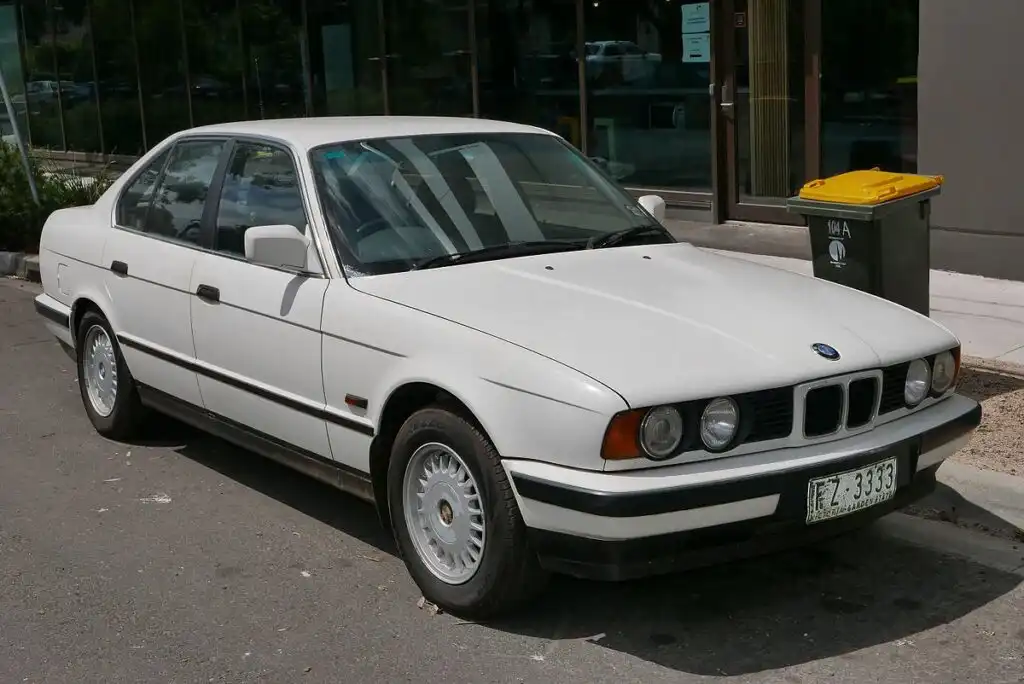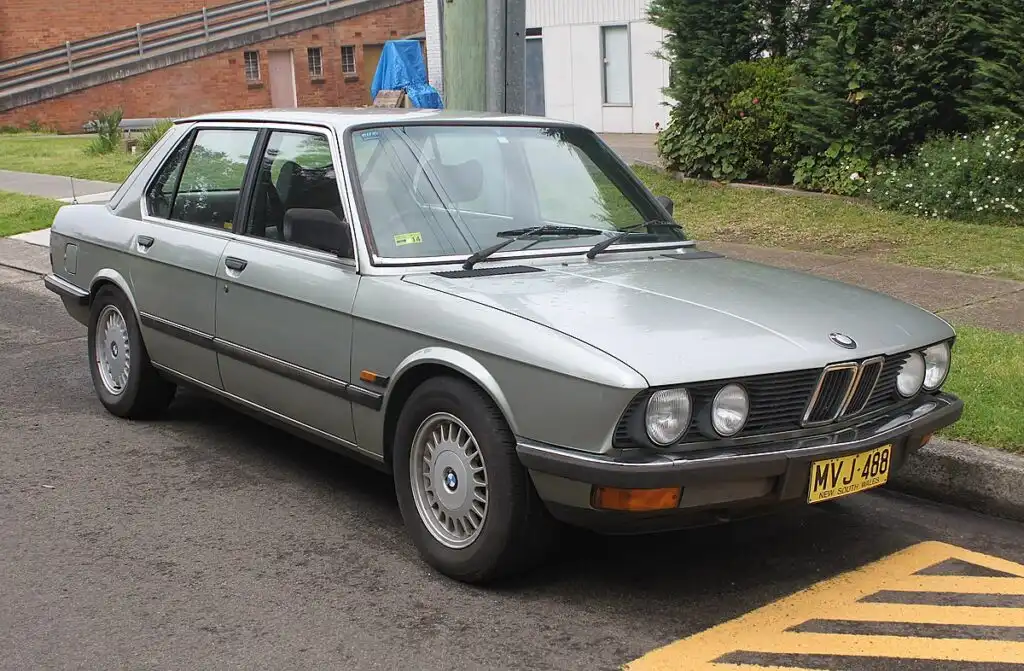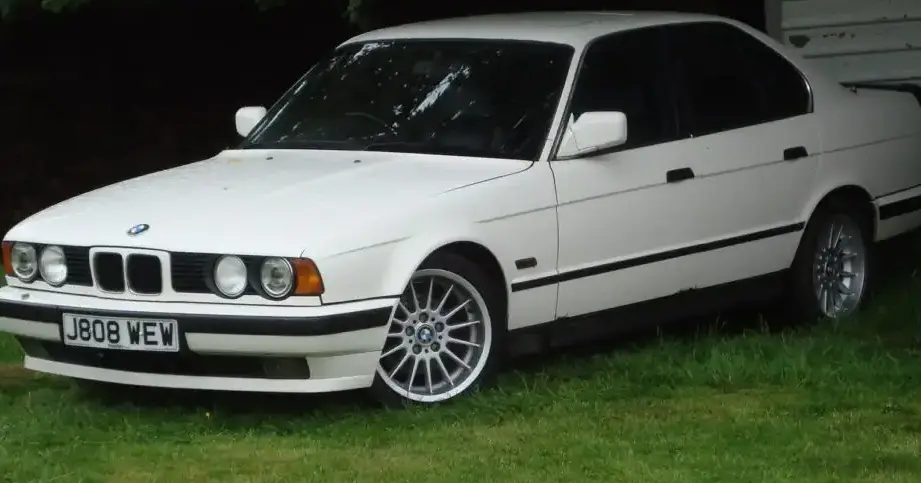
The BMW 5 Series E34 540i, produced between 1992 and 1995, represented the pinnacle of performance for the E34 generation. Positioned as the flagship model, it introduced BMW’s first V8 engine to the 5 Series lineup, offering a significant step up in power and refinement compared to the inline-six cylinder variants. The 540i was aimed at buyers seeking a luxury sedan with genuine sporting credentials, bridging the gap between the more common 525i and 530i models and the high-performance M5. It was primarily sold in Europe and North America, becoming a symbol of BMW’s engineering prowess during the early 1990s.
Technical Specifications
| Brand | BMW |
| Model | 5 Series |
| Generation | 5 Series (E34) |
| Type (Engine) | 540i V8 (286 Hp) |
| Start of production | 1992 |
| End of production | 1995 |
| Powertrain Architecture | Internal Combustion engine |
| Body type | Sedan |
| Seats | 5 |
| Doors | 4 |
| Fuel consumption (combined) | 11.4 l/100 km |
| Fuel consumption (US mpg) | 20.6 US mpg |
| Fuel consumption (UK mpg) | 24.8 UK mpg |
| Fuel consumption (km/l) | 8.8 km/l |
| Fuel Type | Petrol (Gasoline) |
| Acceleration 0 – 100 km/h | 6.3 sec |
| Acceleration 0 – 62 mph | 6.3 sec |
| Acceleration 0 – 60 mph | 6 sec |
| Maximum speed | 250 km/h (155.34 mph) |
| Weight-to-power ratio | 5.6 kg/Hp, 178.2 Hp/tonne |
| Weight-to-torque ratio | 4 kg/Nm, 249.2 Nm/tonne |
| Power | 286 Hp @ 5800 rpm |
| Power per litre | 71.8 Hp/l |
| Torque | 400 Nm @ 4500 rpm (295.02 lb.-ft. @ 4500 rpm) |
| Engine layout | Front, Longitudinal |
| Engine Model/Code | M60B40 |
| Engine displacement | 3982 cm3 (243 cu. in.) |
| Number of cylinders | 8 |
| Engine configuration | V-engine |
| Cylinder Bore | 89 mm (3.5 in.) |
| Piston Stroke | 80 mm (3.15 in.) |
| Compression ratio | 10:1 |
| Number of valves per cylinder | 4 |
| Fuel injection system | Multi-port manifold injection |
| Engine aspiration | Naturally aspirated engine |
| Valvetrain | DOHC |
| Engine oil capacity | 7.5 l (7.93 US qt | 6.6 UK qt) |
| Coolant capacity | 12.5 l (13.21 US qt | 11 UK qt) |
| Kerb Weight | 1605 kg (3538.42 lbs.) |
| Max. weight | 2115 kg (4662.78 lbs.) |
| Max load | 510 kg (1124.36 lbs.) |
| Trunk (boot) space – minimum | 460 l (16.24 cu. ft.) |
| Fuel tank capacity | 80 l (21.13 US gal | 17.6 UK gal) |
| Length | 4720 mm (185.83 in.) |
| Width | 1751 mm (68.94 in.) |
| Height | 1412 mm (55.59 in.) |
| Wheelbase | 2761 mm (108.7 in.) |
| Front track | 1470 mm (57.87 in.) |
| Rear (Back) track | 1495 mm (58.86 in.) |
| Drivetrain Architecture | The Internal combustion engine (ICE) drives the rear wheels of the vehicle. |
| Drive wheel | Rear wheel drive |
| Number of gears and type of gearbox | 6 gears, manual transmission |
| Front suspension | Wishbone |
| Rear suspension | Spring Strut |
| Front brakes | Ventilated discs |
| Rear brakes | Ventilated discs |
| Assisting systems | ABS (Anti-lock braking system) |
| Steering type | Steering rack and pinion |
| Power steering | Hydraulic Steering |
| Tires size | 225/60 R15 |
| Wheel rims size | 15 |
Powertrain & Engine Architecture
The heart of the 540i is the M60B40 engine, a 4.0-liter naturally aspirated V8. This engine was a significant departure for BMW, marking their entry into the V8 arena for the 5 Series. It featured all-aluminum construction, a relatively advanced design for the time, contributing to its lighter weight compared to cast-iron block engines. The M60B40 utilizes a Bosch Motronic 1.7 engine management system controlling multi-port fuel injection. The double overhead camshafts (DOHC) and four valves per cylinder maximized breathing and contributed to the engine’s high specific output. The 6-speed manual transmission (Getrag 295) was standard, offering precise shifts and enhancing the driving experience. An optional 5-speed automatic transmission was also available, though it slightly detuned the engine’s performance.
Driving Characteristics
The 540i delivered a markedly different driving experience compared to the six-cylinder E34 models. The V8 provided a broad torque curve, offering strong acceleration from low RPMs. The 0-60 mph sprint was consistently achieved in around 6 seconds, making it a genuinely quick sedan for its era. The manual transmission version felt particularly engaging, allowing drivers to fully exploit the engine’s power. The automatic, while offering convenience, resulted in a slight loss of responsiveness. The suspension, tuned for a balance between comfort and handling, provided a stable and controlled ride, though it wasn’t as overtly sporty as the M5. The rear-wheel drive configuration contributed to a balanced chassis, making the 540i enjoyable to drive on winding roads.
Equipment & Trim Levels
The 540i was well-equipped, reflecting its position as the premium model in the E34 range. Standard features included leather upholstery, power-adjustable front seats with memory function, automatic climate control, a premium sound system, and alloy wheels. Optional extras included a sunroof, navigation system (a rarity for the time), upgraded sound systems, and various interior trim options. The interior design was typically BMW, emphasizing functionality and a driver-focused layout. Wood trim was often specified, adding a touch of luxury to the cabin.
Chassis & Braking
The E34 540i utilized a robust chassis with independent suspension at all four wheels. The front suspension employed a MacPherson strut design, while the rear featured a semi-trailing arm setup. Ventilated disc brakes were standard on all four wheels, providing ample stopping power. Anti-lock Braking System (ABS) was also standard, enhancing safety. The suspension was tuned to accommodate the increased weight of the V8 engine, with slightly stiffer springs and dampers compared to the six-cylinder models. Stabilizer bars were fitted front and rear to reduce body roll during cornering.
Market Reception & Comparison
The 540i was generally well-received by automotive critics. It was praised for its powerful engine, refined ride, and luxurious interior. However, its higher price tag compared to the 525i and 530i limited its sales volume. Compared to the 530i, the 540i offered a significant performance advantage, but at a considerable cost increase. The M5, while even more performance-oriented, was a significantly more expensive and focused machine. Fuel economy was a common criticism, with the V8 engine consuming considerably more fuel than the six-cylinder alternatives. Reliability was generally good, though the more complex V8 engine required more diligent maintenance.
Legacy
The E34 540i holds a special place in BMW history as the first V8-powered 5 Series. While not as iconic as the M5, it offered a compelling combination of luxury, performance, and refinement. Today, well-maintained examples are sought after by enthusiasts and collectors. The M60B40 engine, while aging, is known for its durability when properly maintained. However, age-related issues such as cooling system failures and oil leaks are common. Finding original parts can be challenging, but a dedicated aftermarket supports the E34 platform. The 540i remains a testament to BMW’s engineering capabilities during the early 1990s, offering a driving experience that still feels rewarding today.