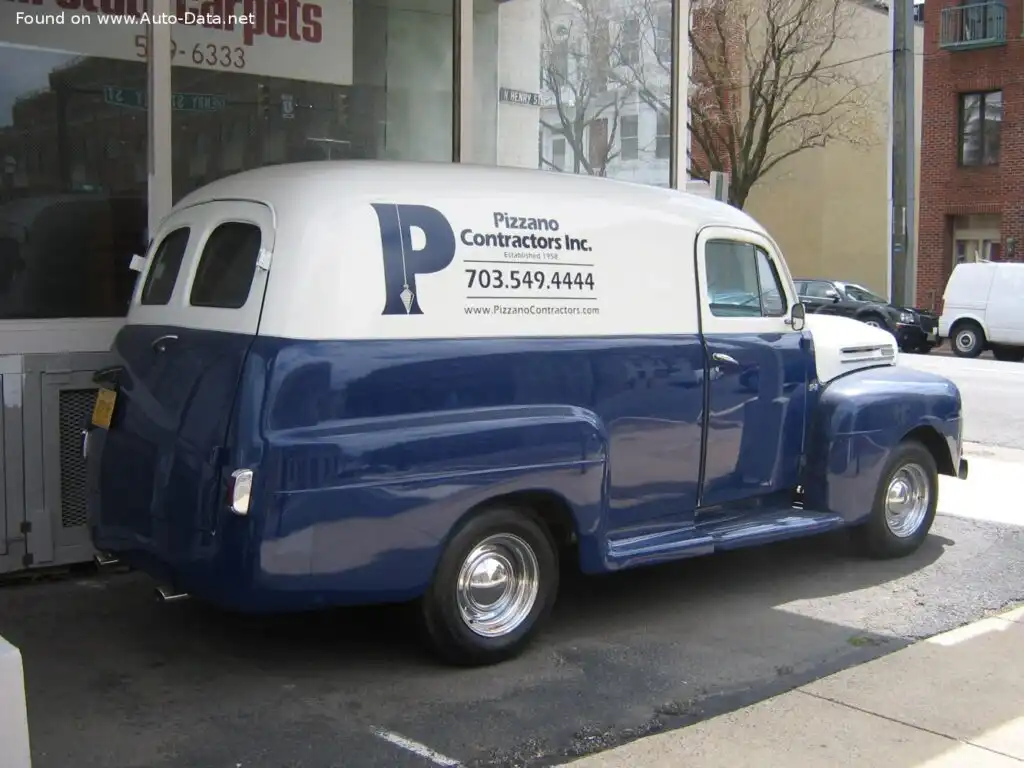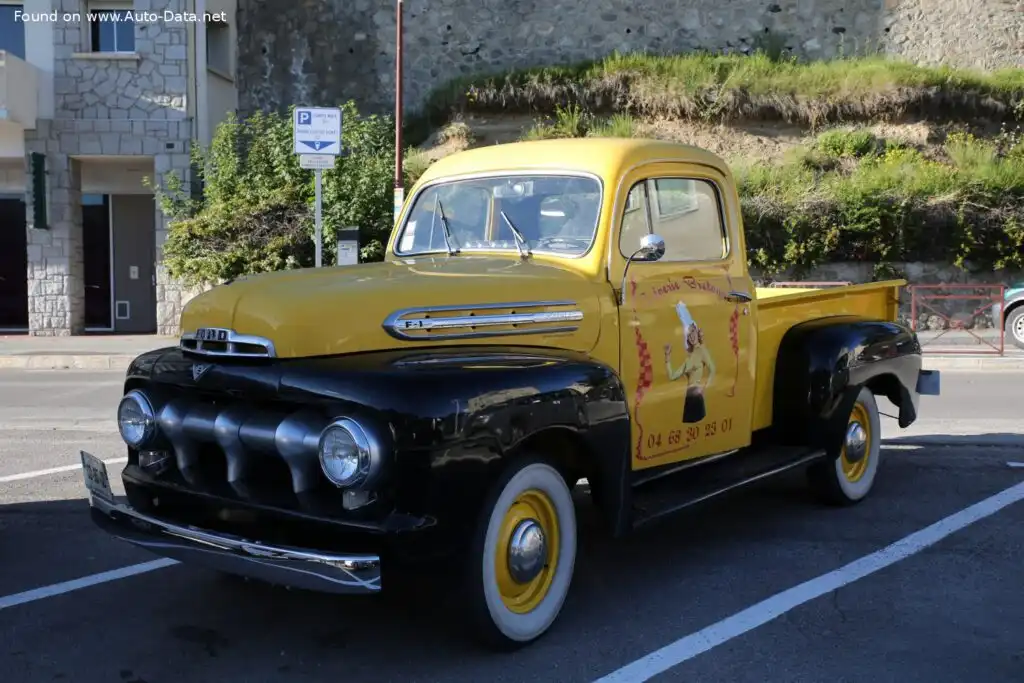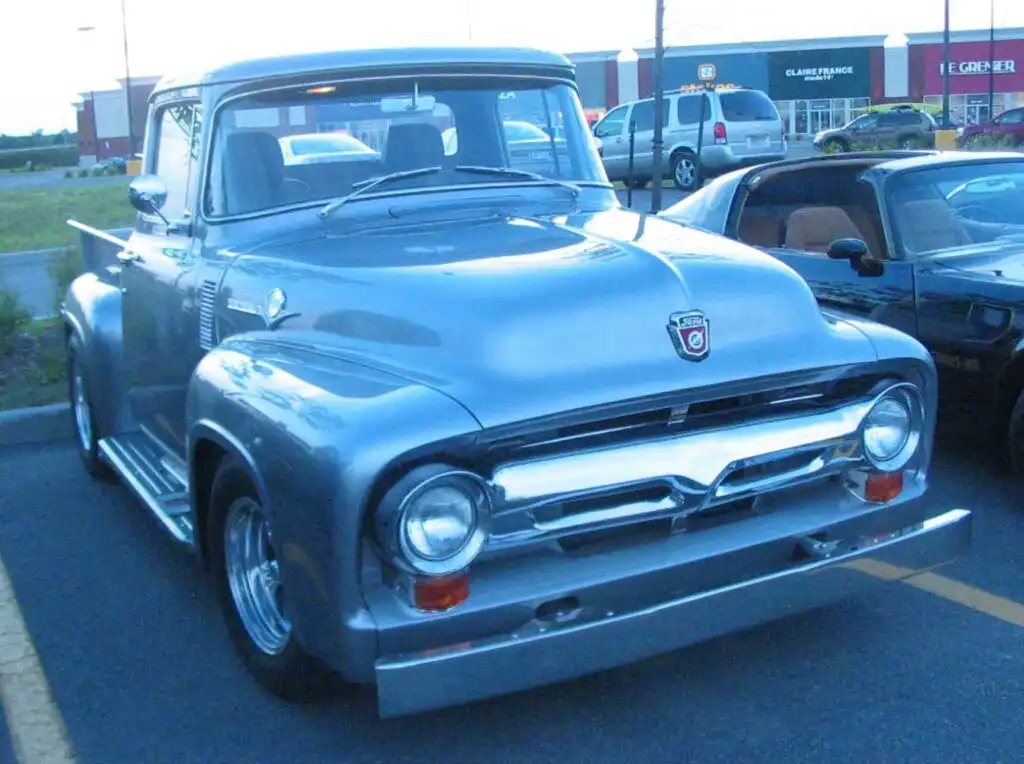
The Ford F-Series F-250 X Regular Cab, equipped with the 4.6-liter V8 Triton engine producing 220 horsepower, was a mainstay of Ford’s heavy-duty truck lineup from 1996 through 1999. This configuration represented an entry-level offering within the F-250 range, positioned below the more powerful engines like the 5.8L Windsor and the 7.5L V8. It catered to buyers needing substantial towing and hauling capacity but prioritizing affordability and, relatively, fuel efficiency within the context of a heavy-duty pickup. The F-250 itself was part of the ninth generation of the Ford F-Series (1992-1997), and the ‘X’ trim denoted a basic work truck configuration.
Technical Specifications
| Brand | Ford |
| Model | F-Series F-250 |
| Generation | F-Series F-250 X Regular Cab |
| Type (Engine) | 4.6 V8 Triton (220 Hp) |
| Start of production | July, 1996 |
| End of production | 1999 |
| Powertrain Architecture | Internal Combustion engine |
| Body type | Pick-up |
| Seats | 3 |
| Doors | 2 |
| Fuel Type | Petrol (Gasoline) |
| Power | 220 Hp @ 4500 rpm |
| Power per litre | 47.8 Hp/l |
| Torque | 393 Nm @ 3250 rpm / 289.86 lb.-ft. @ 3250 rpm |
| Engine layout | Front, Longitudinal |
| Engine Model/Code | Triton |
| Engine displacement | 4605 cm3 / 281.01 cu. in. |
| Number of cylinders | 8 |
| Engine configuration | V-engine |
| Compression ratio | 9:1 |
| Fuel injection system | Multi-port manifold injection |
| Engine aspiration | Naturally aspirated engine |
| Engine oil capacity | 5.7 l / 6.02 US qt | 5.02 UK qt |
| Coolant | 16.9 l / 17.86 US qt | 14.87 UK qt |
| Max. weight | 3152 kg / 6948.97 lbs |
| Trunk (boot) space – minimum | 2056 l / 72.61 cu. ft |
| Fuel tank capacity | 114 l / 30.12 US gal | 25.08 UK gal |
| Permitted trailer load with brakes (12%) | 1451 kg / 3198.91 lbs |
| Length | 5608-5646 mm / 220.79 – 222.28 in |
| Width | 1656 mm / 65.2 in |
| Wheelbase | 3531 mm / 139.02 in |
| Ride height (ground clearance) | 183 mm / 7.2 in |
| Wading depth | 838 mm / 32.99 in |
| Drivetrain Architecture | The Internal combustion engine (ICE) drives the rear wheels of the vehicle. |
| Drive wheel | Rear wheel drive |
| Number of gears and type of gearbox | 5 gears, manual transmission |
| Front suspension | Independent coil spring, Transverse stabilizer |
| Front brakes | Ventilated discs |
| Rear brakes | Ventilated discs |
| Power steering | Electric Steering |
| Tires size | 255/70 R16 |
| Wheel rims size | 7.0J x 16 |
Powertrain & Engine Architecture
The 4.6-liter Triton V8, introduced in the Ford F-Series in 1996, was a significant departure from the older Windsor engines. It featured a cast iron block with aluminum cylinder heads, a design intended to reduce weight while maintaining durability. The engine utilized a sequential electronic fuel injection (SEFI) system, providing precise fuel delivery for improved efficiency and emissions control. The valvetrain employed two valves per cylinder, operated by hydraulic roller lifters. The 5-speed manual transmission was the standard offering for this configuration, providing a relatively direct connection between the engine and the rear wheels. The engine code for this specific variant is often simply referred to as the 4.6L Triton, though variations existed within the family.
Driving Characteristics
The F-250 with the 4.6L Triton and 5-speed manual offered a noticeable step up in capability compared to the lighter-duty F-150. However, it wasn’t intended for outright performance. Acceleration was adequate, but the engine’s torque peak at 3250 rpm meant that frequent downshifting was necessary when towing or hauling heavy loads. The manual transmission provided good control, allowing the driver to select the optimal gear for the situation. Compared to the larger V8 options, the 4.6L felt less strained under heavy loads, but it also lacked the sheer pulling power of those engines. The gear ratios in the 5-speed were geared towards maximizing fuel economy and providing a usable powerband for everyday driving.
Equipment & Trim Levels
The “X” trim level was the base model for the F-250. Standard features were minimal, focusing on functionality rather than luxury. Typically, this included a basic vinyl interior, a simple dashboard layout with analog gauges, and manual windows and locks. Air conditioning was often an optional extra, as was an upgraded stereo system. The exterior featured black bumpers and side moldings. The primary appeal of the X trim was its affordability, making it a popular choice for commercial users and those needing a robust work truck.
Chassis & Braking
The F-250 chassis was built for heavy-duty use. It featured a robust frame and a heavy-duty suspension system. The front suspension utilized independent coil springs with a transverse stabilizer bar, while the rear suspension employed leaf springs. Braking duties were handled by ventilated discs on all four wheels, providing adequate stopping power for the truck’s weight. Power steering was standard, making maneuvering the large truck easier. The tires, typically 255/70 R16, were designed for both on- and off-road use, offering a balance of durability and traction.
Market Reception & Comparison
The 4.6L Triton-equipped F-250 was generally well-received as a capable and affordable work truck. Critics noted its improved refinement compared to older Ford trucks, but also pointed out that it lacked the power of the larger engine options. Fuel economy was considered reasonable for a heavy-duty pickup, but it still fell short of lighter-duty trucks. Compared to the 5.8L Windsor, the 4.6L offered slightly better fuel economy and a smoother driving experience, but at the cost of towing and hauling capacity. The 7.5L V8 was the top-of-the-line option, offering significantly more power but also consuming considerably more fuel.
Legacy
The 4.6L Triton engine proved to be a relatively reliable powerplant, although early versions were known for potential spark plug issues. With proper maintenance, these engines could easily surpass 200,000 miles. Today, these F-250s are relatively affordable on the used market, making them a popular choice for those needing a capable work truck without breaking the bank. The 5-speed manual transmission is generally considered durable and reliable. While not as sought-after as the higher-powered models, the 4.6L F-250 remains a viable option for those prioritizing affordability and practicality in a heavy-duty pickup.