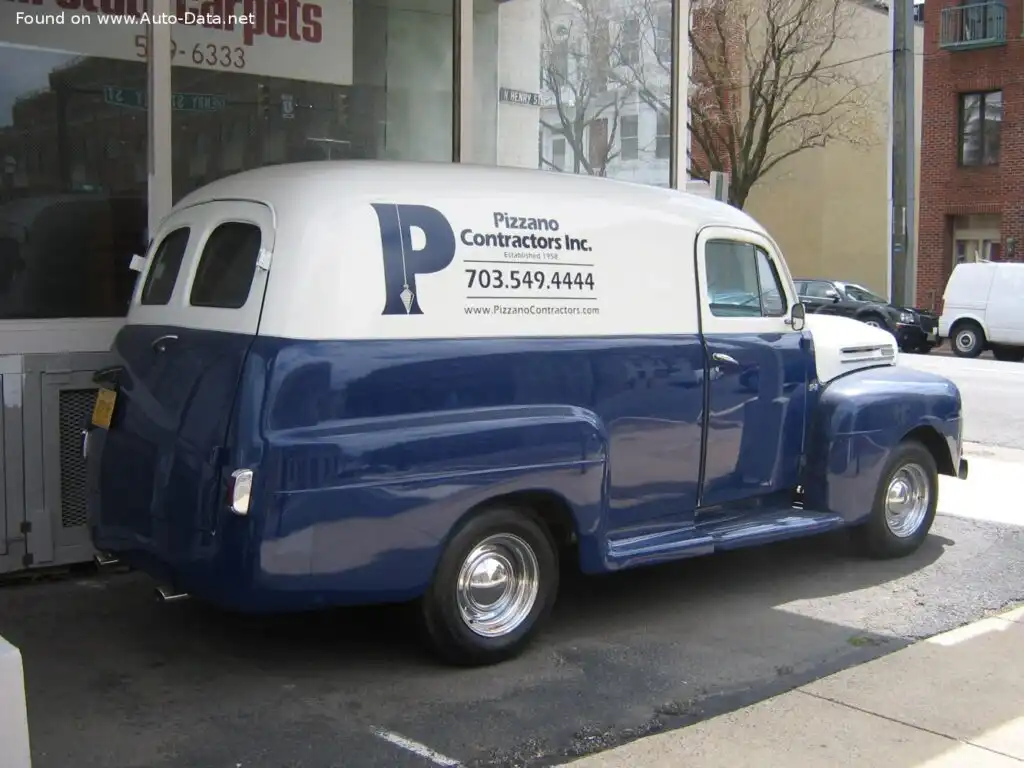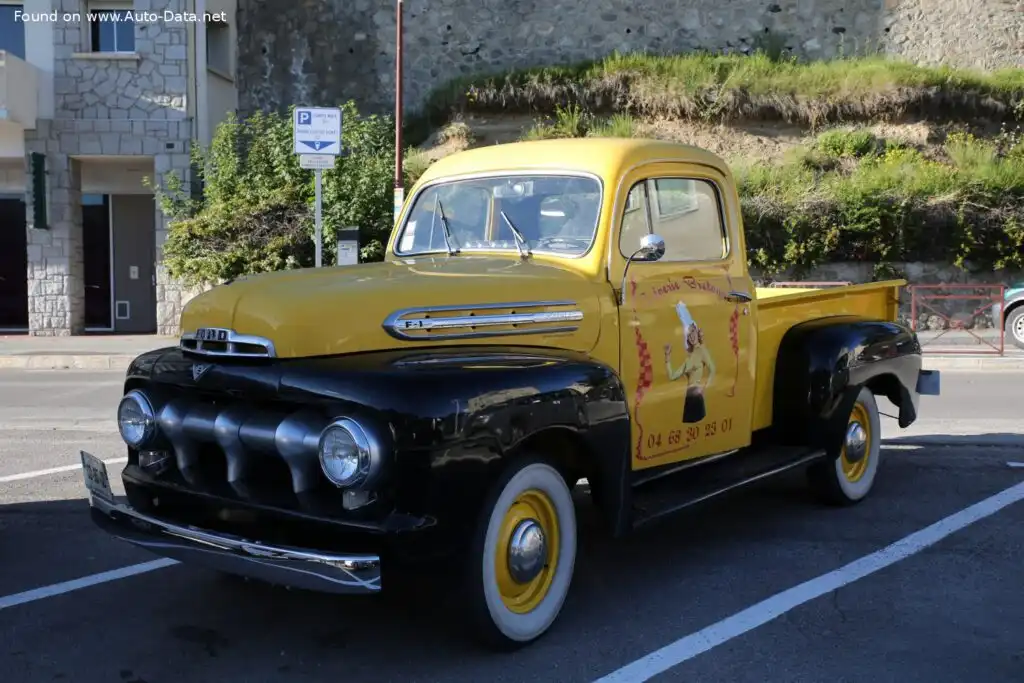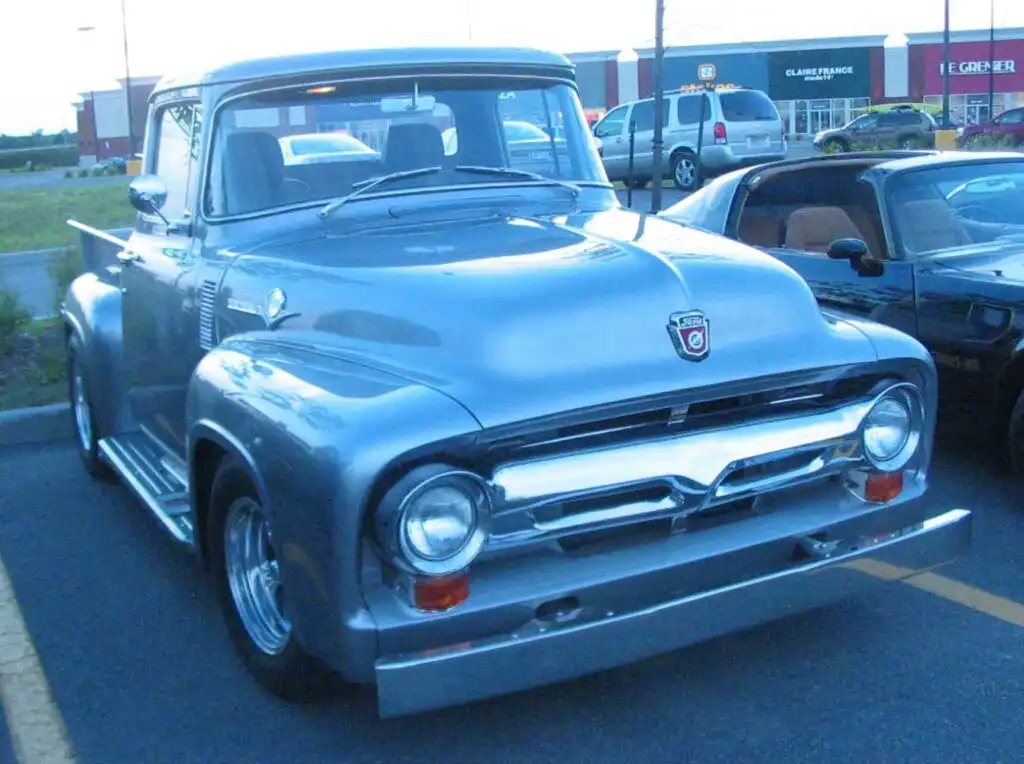
The Ford F-Series F-250 X Regular Cab, equipped with the 5.4-liter V8 Triton engine and a four-speed automatic transmission, was a mainstay of Ford’s heavy-duty truck lineup from 1996 through 1999. This configuration represented a middle-ground offering within the F-250 range, positioned between the base models with smaller engines and the higher-performance trims featuring the larger 7.3-liter Power Stroke diesel. It was part of the ninth generation of the F-Series (1992-1997), and later models (1997-1999) received minor cosmetic updates. The F-250, in general, served as a workhorse for owners needing greater towing and payload capacity than the lighter F-150 could provide, primarily targeting commercial users, farmers, and those with demanding hauling needs.
Technical Specifications
| Brand | Ford |
| Model | F-Series F-250 |
| Generation | F-Series F-250 X Regular Cab |
| Type (Engine) | 5.4 V8 Triton (235 Hp) 4×4 Automatic |
| Start of production | July, 1996 |
| End of production | 1999 |
| Powertrain Architecture | Internal Combustion engine |
| Body type | Pick-up |
| Seats | 3 |
| Doors | 2 |
| Fuel Type | Petrol (Gasoline) |
| Power | 235 Hp @ 4250 rpm |
| Power per litre | 43.5 Hp/l |
| Torque | 447 Nm @ 3000 rpm / 329.69 lb.-ft. @ 3000 rpm |
| Engine layout | Front, Longitudinal |
| Engine Model/Code | Triton |
| Engine displacement | 5408 cm3 / 330.02 cu. in. |
| Number of cylinders | 8 |
| Engine configuration | V-engine |
| Compression ratio | 9:1 |
| Fuel injection system | Multi-port manifold injection |
| Engine aspiration | Naturally aspirated engine |
| Engine oil capacity | 5.7 l / 6.02 US qt | 5.02 UK qt |
| Coolant | 16.9 l / 17.86 US qt | 14.87 UK qt |
| Max. weight | 3493 kg / 7700.75 lbs |
| Trunk (boot) space – minimum | 2056 l / 72.61 cu. ft |
| Fuel tank capacity | 114 l / 30.12 US gal | 25.08 UK gal |
| Permitted trailer load with brakes (12%) | 3765 kg / 8300.4 lbs |
| Length | 5608-5646 mm / 220.79 – 222.28 in |
| Width | 1656 mm / 65.2 in |
| Wheelbase | 3531 mm / 139.02 in |
| Ride height (ground clearance) | 193 mm / 7.6 in |
| Wading depth | 930 mm / 36.61 in |
| Drivetrain Architecture | The Internal combustion engine (ICE) drives the rear wheels permanently, and the front wheels are driven through an electrically or mechanically operated clutch if necessary. |
| Drive wheel | All wheel drive (4×4) |
| Number of gears and type of gearbox | 4 gears, automatic transmission |
| Front suspension | Torsion |
| Front brakes | Ventilated discs |
| Rear brakes | Ventilated discs |
| Power steering | Electric Steering |
| Tires size | 245/75 R16 |
| Wheel rims size | 7.0J x 16 |
Powertrain & Engine Architecture
The heart of this F-250 variant was the 5.4-liter Triton V8 engine. Introduced in 1996, the Triton engine family represented a significant upgrade over the previous Ford V8s. The 5.4L version featured a cast iron block with aluminum cylinder heads, a configuration designed to balance durability with weight savings. It utilized a sequential electronic fuel injection (SEFI) system, delivering precise fuel metering for improved efficiency and performance. The engine’s valvetrain employed two valves per cylinder, operated by hydraulic roller lifters. The four-speed 4R70W automatic transmission was specifically chosen for its durability and ability to handle the engine’s torque output. This transmission featured electronic control for smoother shifting and adaptive shift patterns. The 4R70W was known for its relatively simple design, making it reasonably reliable, though not without its potential issues like torque converter failure.
Driving Characteristics
The 5.4L Triton with the 4R70W automatic provided adequate, but not exhilarating, performance in the F-250. With 235 horsepower and 330 lb-ft of torque, acceleration was modest, especially when heavily loaded. The automatic transmission’s gear ratios were geared towards towing and hauling, prioritizing low-end grunt over quick acceleration. Compared to the manual transmission equipped F-250s, the automatic version felt somewhat less responsive. The 4R70W’s shift points were programmed for fuel economy and smooth operation, which could sometimes feel sluggish during passing maneuvers. However, for everyday driving and moderate towing duties, the combination proved capable and comfortable. It didn’t offer the raw power of the diesel options, but it was significantly cheaper to purchase and maintain.
Equipment & Trim Levels
The “X” trim level denoted a mid-range offering for the F-250. Standard features typically included air conditioning, a basic AM/FM radio, cloth upholstery, and manual windows and locks. Power windows and locks, cruise control, and upgraded sound systems were often available as options. The interior was functional and durable, designed to withstand the rigors of work truck use. Exterior features included a standard chrome grille and steel wheels. Optional packages could add features like a sliding rear window, upgraded interior trim, and exterior brightwork. The Regular Cab configuration offered a bench seat for three occupants, prioritizing practicality over comfort.
Chassis & Braking
The F-250 chassis was built on a robust ladder frame, designed to handle heavy loads and demanding conditions. The front suspension utilized a torsion bar setup, providing a comfortable ride and good handling characteristics. The rear suspension employed leaf springs, which were well-suited for carrying heavy payloads. Braking duties were handled by ventilated disc brakes on all four wheels, providing adequate stopping power for the truck’s weight. Power steering was standard, making maneuvering the large truck easier. The 4×4 system employed a manually selectable transfer case, allowing drivers to switch between two-wheel drive and four-wheel drive as needed.
Market Reception & Comparison
The 5.4L V8 automatic F-250 received generally positive reviews as a capable and affordable work truck. Critics praised its durability and towing capacity, but noted its lack of outright performance compared to the diesel options. Fuel economy was typical for a heavy-duty truck of the era, averaging around 12-15 mpg in mixed driving. Compared to the 7.3L Power Stroke diesel, the 5.4L offered significantly lower purchase price and maintenance costs, but at the expense of towing capacity and fuel efficiency. The 5.4L was also seen as a more accessible option for buyers who didn’t require the extreme capabilities of a diesel engine.
Legacy
The 5.4L Triton engine, despite some early issues with spark plug breakage, proved to be a relatively reliable powerplant when properly maintained. The 4R70W transmission, while not as robust as some other automatic transmissions, also offered reasonable longevity. Today, these F-250s are often found as affordable work trucks or project vehicles. Their relatively simple mechanical design makes them appealing to DIY mechanics. However, potential buyers should be aware of common issues such as corrosion, worn suspension components, and potential transmission problems. The 5.4L Triton, while not a powerhouse, remains a viable option for those seeking a capable and affordable heavy-duty truck.