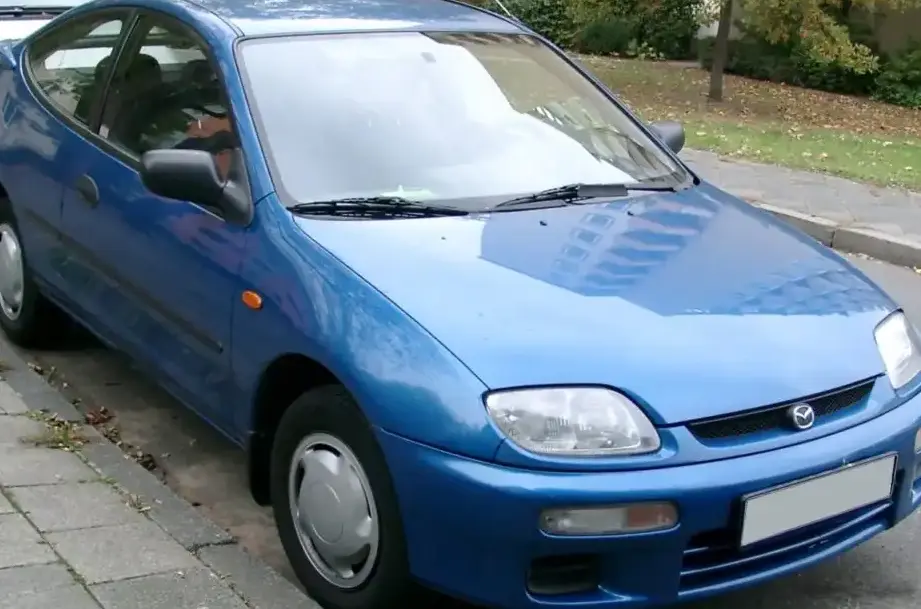
The Mazda 323 C IV (BG) 1.6 16V, produced between 1991 and 1994, represented a significant step forward for Mazda’s compact offering. Part of the BG generation of the 323, this variant occupied a crucial position in the lineup, offering a balance between affordability, fuel efficiency, and acceptable performance for the everyday driver. It was primarily aimed at the European and Asian markets, where compact hatchbacks were – and continue to be – immensely popular. The BG series 323 aimed to modernize Mazda’s image, moving away from the more utilitarian designs of previous generations towards a more rounded and contemporary aesthetic. This 1.6L 16V engine and transmission combination was a mainstay of the range, providing a practical and reliable option for a broad customer base.
Technical Specifications
| Brand | Mazda |
| Model | 323 |
| Generation | 323 C IV (BG) |
| Type (Engine) | 1.6 16V (88 Hp) |
| Start of production | 1991 |
| End of production | 1994 |
| Powertrain Architecture | Internal Combustion engine |
| Body type | Hatchback |
| Fuel Type | Petrol (Gasoline) |
| Power | 88 Hp |
| Engine aspiration | Naturally aspirated engine |
Powertrain & Engine Architecture
The heart of the 323 C IV 1.6 16V was the Mazda B6 engine. This 1.6-liter, inline-four cylinder engine featured a dual overhead camshaft (DOHC) design with four valves per cylinder – hence the “16V” designation. This configuration allowed for improved breathing and higher revving capability compared to older, simpler engine designs. The engine utilized multi-point fuel injection, a relatively modern feature for the early 1990s, contributing to improved fuel efficiency and reduced emissions. While specific engine codes varied slightly depending on the market (often denoted by letters following the B6 designation), the core architecture remained consistent.
The transmission paired with this engine was typically a four-speed automatic. This automatic transmission, while providing convenience, was not known for its particularly sporty character. It prioritized smooth shifts and ease of use over aggressive downshifting or quick acceleration. The gear ratios were tuned for fuel economy and comfortable cruising, rather than outright performance. The automatic transmission was a key selling point for buyers who preferred the simplicity of not having to operate a clutch and shift gears manually, particularly in congested urban environments.
Driving Characteristics
The 323 C IV 1.6 16V with the automatic transmission delivered a driving experience best described as competent and comfortable. With 88 horsepower on tap, acceleration was adequate for everyday driving, but it wasn’t a particularly quick car. Zero to sixty mph times were typically in the 11-12 second range. The automatic transmission, while smooth, did sap some of the engine’s power, resulting in a noticeable difference in performance compared to the five-speed manual version. The gear ratios were spaced to prioritize fuel economy, meaning the engine often felt strained when attempting brisk acceleration or overtaking maneuvers.
Handling was generally good for a car in its class. The suspension, while not particularly sophisticated, provided a reasonable balance between ride comfort and handling stability. The steering was light and easy to use, making it well-suited for city driving. However, it lacked the precision and feedback of more performance-oriented cars. Overall, the driving experience was geared towards practicality and ease of use, rather than outright driving excitement.
Equipment & Trim Levels
The 323 C IV 1.6 16V automatic typically came with a reasonable level of standard equipment. Base models often included features such as power steering, central locking, and an AM/FM radio. Higher trim levels, often denoted by names like “LX” or “SE” (depending on the market), added features such as electric windows, a sunroof, upgraded upholstery, and alloy wheels. Interior upholstery was typically cloth, with higher trims offering more premium fabrics or even partial leather options. The dashboard layout was functional and straightforward, with clearly labeled controls. Optional extras included air conditioning, a cassette player, and upgraded sound systems.
Chassis & Braking
The 323 C IV utilized a MacPherson strut front suspension and a torsion beam rear suspension. This setup was a common configuration for compact cars of the era, offering a good balance between cost, weight, and performance. The front brakes were typically disc brakes, while the rear brakes were often drum brakes on lower trim levels, with some higher-spec models receiving rear disc brakes. Stabilizer bars were fitted to both the front and rear axles to reduce body roll during cornering. The chassis was relatively lightweight, contributing to the car’s decent handling characteristics. The braking system was adequate for normal driving conditions, but it lacked the stopping power of more modern braking systems.
Market Reception & Comparison
The Mazda 323 C IV 1.6 16V automatic was generally well-received by critics as a practical and reliable family car. It was praised for its fuel efficiency, comfortable ride, and reasonable price. However, it was often criticized for its lack of outright performance and its somewhat uninspiring driving dynamics. Compared to other trims in the 323 lineup, such as the 2.0-liter models, the 1.6 16V automatic offered a more affordable entry point but at the expense of performance. The 2.0-liter versions provided significantly more power and a more engaging driving experience, but they also came with a higher price tag. Compared to rivals like the Ford Escort, Volkswagen Golf, and Opel Astra, the 323 C IV offered a competitive package in terms of features, reliability, and price.
Legacy
The Mazda 323 C IV 1.6 16V has proven to be a relatively reliable car over the long term. The B6 engine is known for its durability, and the automatic transmission, while not particularly sophisticated, is generally robust. However, like any older car, it is susceptible to age-related issues such as rust, worn suspension components, and failing rubber seals. In the used car market today, these cars are relatively affordable and can be a good option for buyers looking for a cheap and reliable runabout. Parts availability is generally good, although some specific trim-related parts may be more difficult to find. The 323 C IV 1.6 16V represents a solid example of a 1990s compact hatchback, offering a blend of practicality, reliability, and affordability that continues to appeal to budget-conscious buyers.