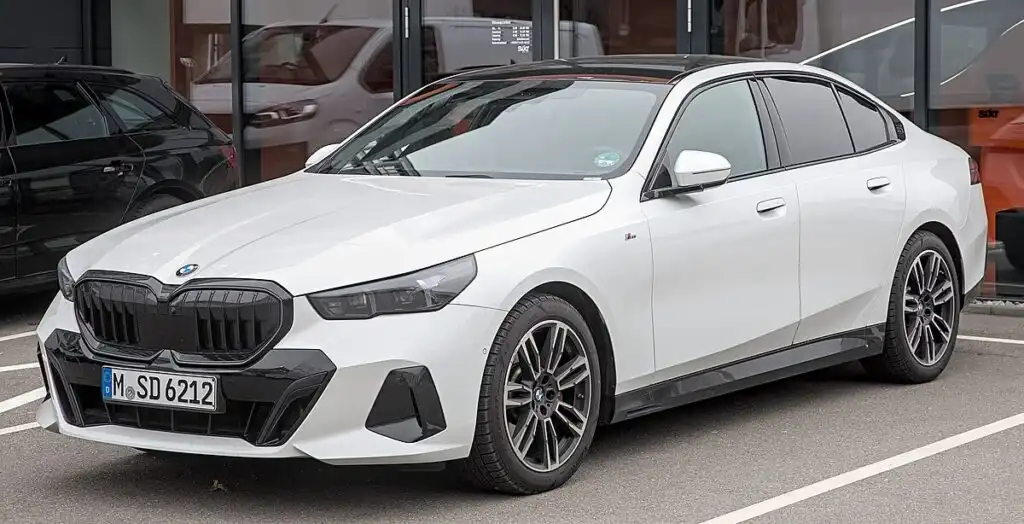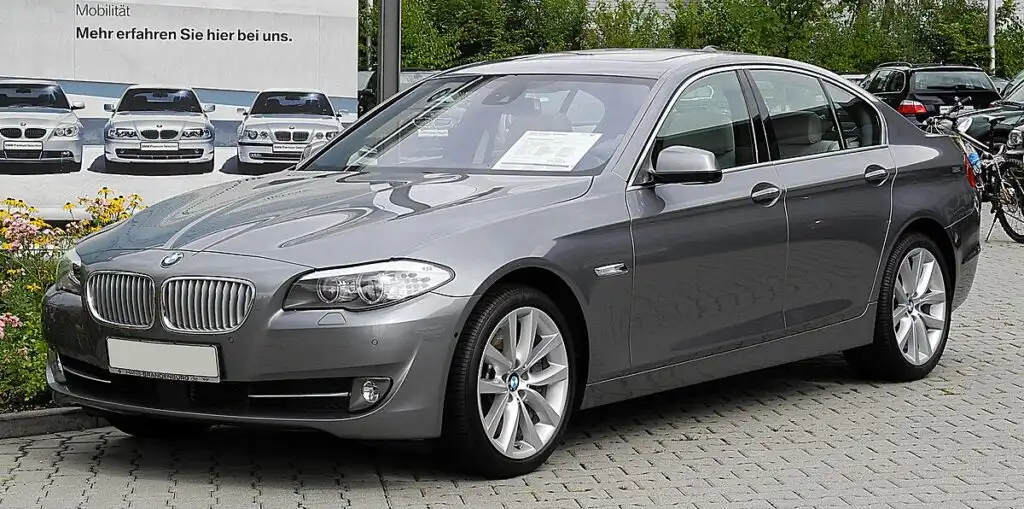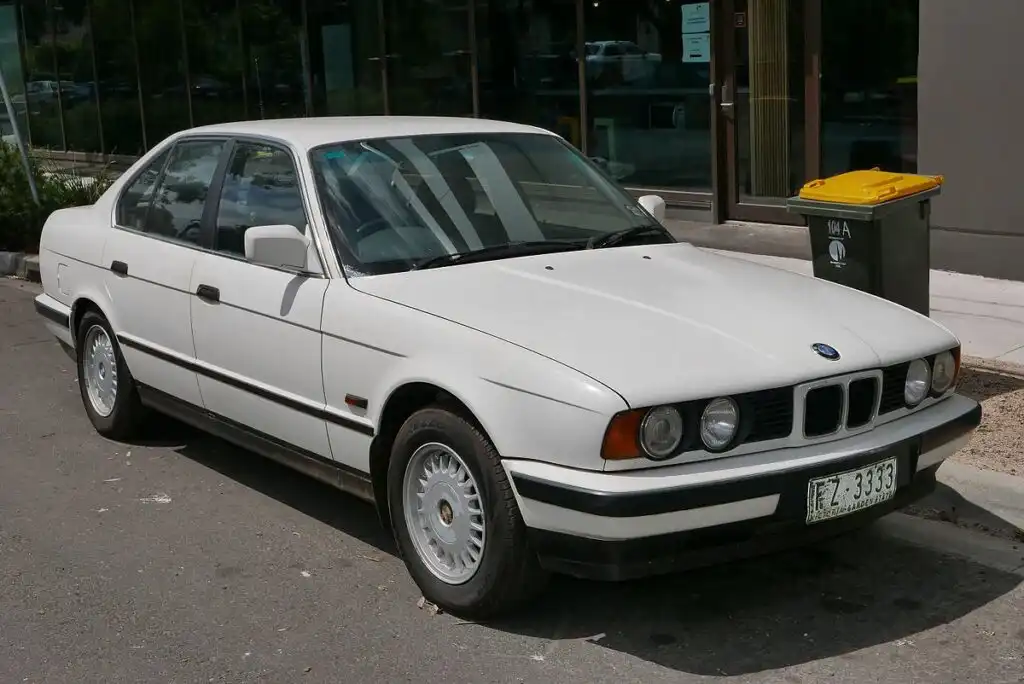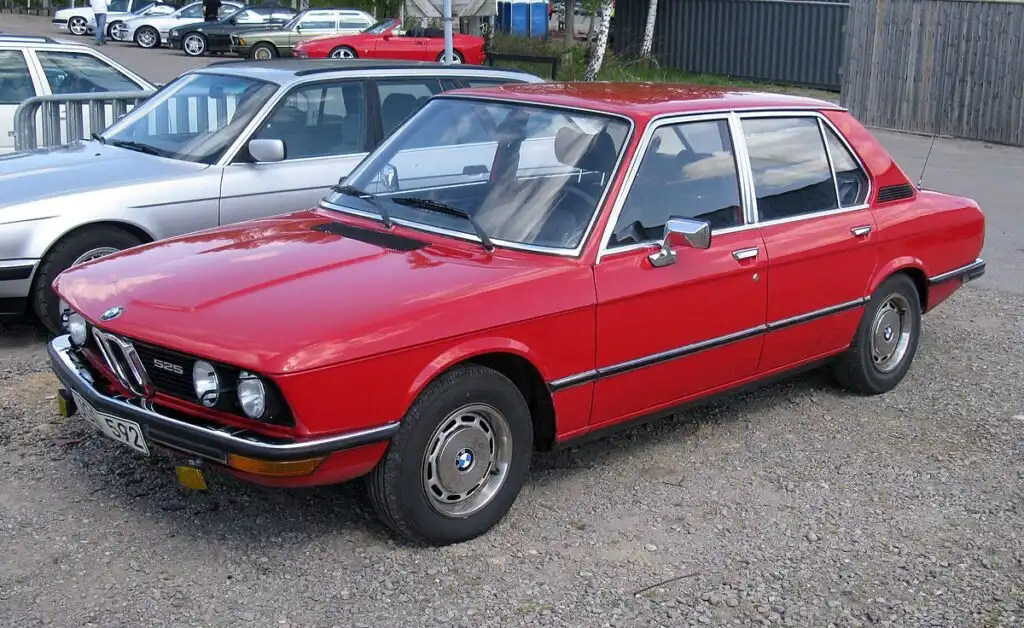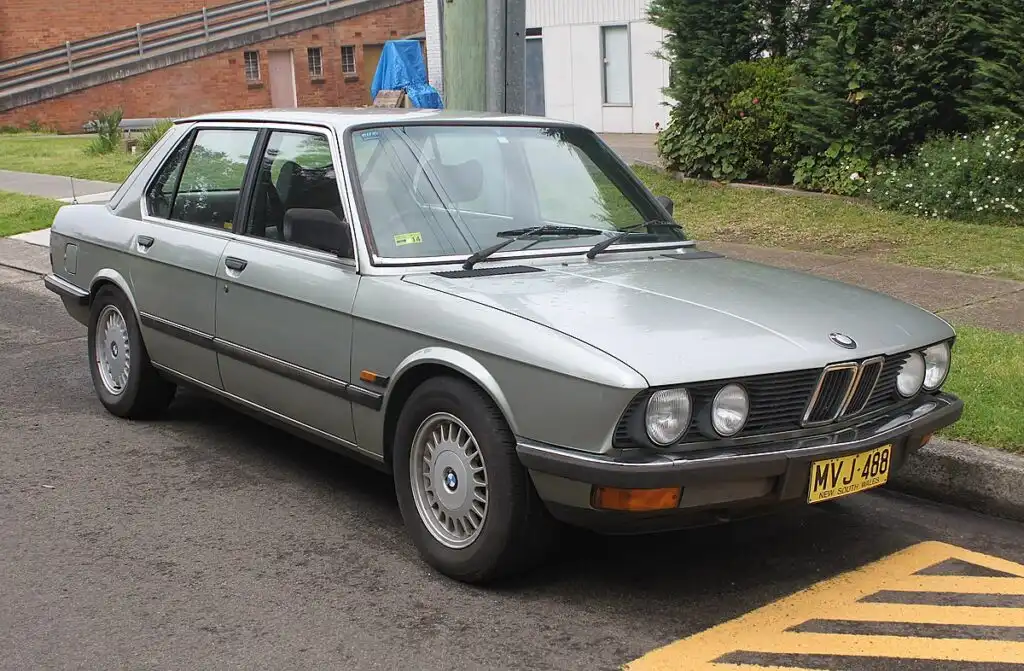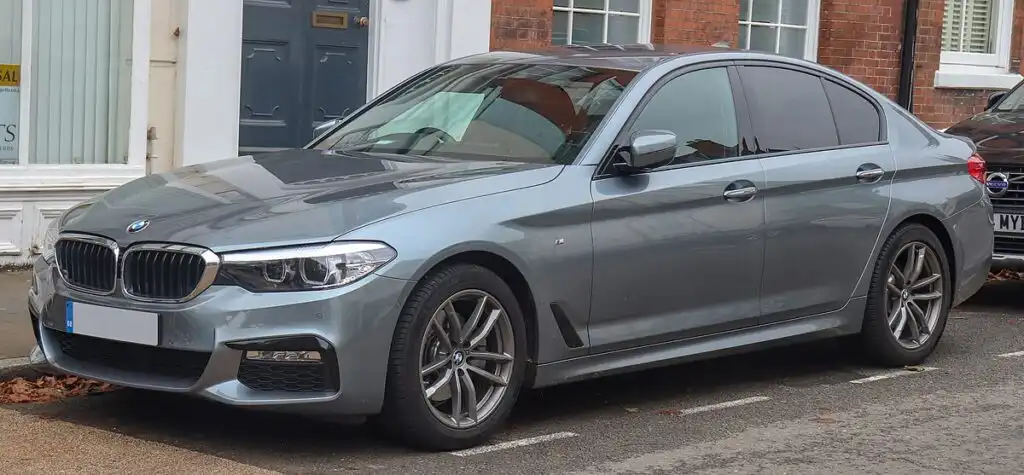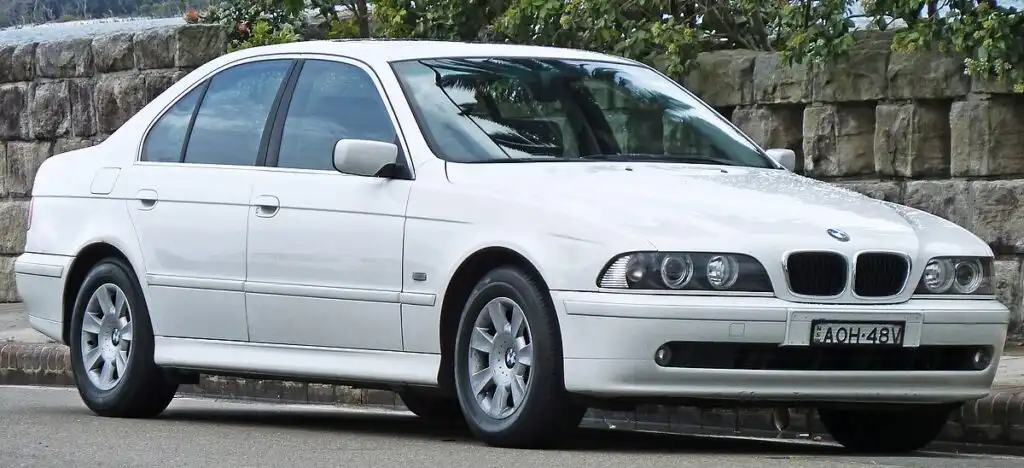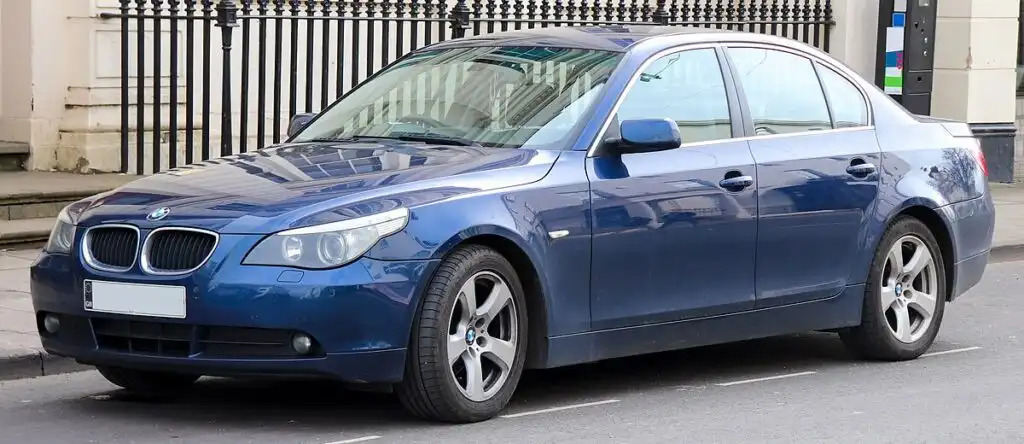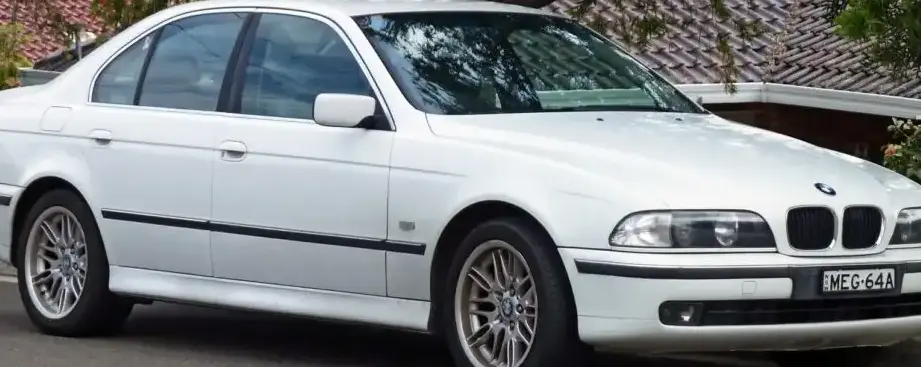
The BMW 540i, produced between 1998 and 2000, represented the performance pinnacle of the E39 5 Series generation. Positioned as the flagship model, it offered a substantial step up in power and refinement compared to the 528i and 530i variants. The E39 5 Series, launched in 1995, was a critical and commercial success for BMW, lauded for its blend of driving dynamics, build quality, and technological innovation. The 540i, with its naturally aspirated V8 engine, catered to buyers seeking a luxurious yet engaging driving experience, primarily in North America and Europe.
Technical Specifications
| Brand | BMW |
| Model | 5 Series |
| Generation | 5 Series (E39) |
| Type (Engine) | 540i V8 (286 Hp) |
| Start of production | 1998 |
| End of production | 2000 |
| Powertrain Architecture | Internal Combustion engine |
| Body type | Sedan |
| Seats | 5 |
| Doors | 4 |
| Fuel consumption (urban) | 17.7 l/100 km (13.3 US mpg, 16 UK mpg) |
| Fuel consumption (extra urban) | 8.9 l/100 km (26.4 US mpg, 31.7 UK mpg) |
| Fuel Type | Petrol (Gasoline) |
| Acceleration 0 – 100 km/h | 6.2 sec |
| Acceleration 0 – 62 mph | 6.2 sec |
| Acceleration 0 – 60 mph | 5.9 sec |
| Maximum speed | 250 km/h (155.34 mph) |
| Weight-to-power ratio | 5.7 kg/Hp, 175.5 Hp/tonne |
| Weight-to-torque ratio | 3.7 kg/Nm, 269.9 Nm/tonne |
| Power | 286 Hp @ 5400 rpm |
| Power per litre | 65 Hp/l |
| Torque | 440 Nm @ 3600 rpm (324.53 lb.-ft. @ 3600 rpm) |
| Engine layout | Front, Longitudinal |
| Engine Model/Code | M62B44 |
| Engine displacement | 4398 cm3 (268.38 cu. in.) |
| Number of cylinders | 8 |
| Engine configuration | V-engine |
| Cylinder Bore | 92 mm (3.62 in.) |
| Piston Stroke | 82.7 mm (3.26 in.) |
| Compression ratio | 10:1 |
| Number of valves per cylinder | 4 |
| Fuel injection system | Multi-port manifold injection |
| Engine aspiration | Naturally aspirated engine |
| Engine oil capacity | 7.5 l (7.93 US qt | 6.6 UK qt) |
| Coolant | 12 l (12.68 US qt | 10.56 UK qt) |
| Kerb Weight | 1630 kg (3593.53 lbs.) |
| Max. weight | 2170 kg (4784.03 lbs.) |
| Max load | 540 kg (1190.5 lbs.) |
| Trunk (boot) space – minimum | 460 l (16.24 cu. ft.) |
| Fuel tank capacity | 70 l (18.49 US gal | 15.4 UK gal) |
| Length | 4775 mm (187.99 in.) |
| Width | 1800 mm (70.87 in.) |
| Height | 1435 mm (56.5 in.) |
| Wheelbase | 2830 mm (111.42 in.) |
| Front track | 1512 mm (59.53 in.) |
| Rear (Back) track | 1526 mm (60.08 in.) |
| Drivetrain Architecture | The Internal combustion engine (ICE) drives the rear wheels of the vehicle. |
| Drive wheel | Rear wheel drive |
| Number of gears and type of gearbox | 6 gears, manual transmission |
| Front suspension | Wishbone |
| Rear suspension | Several levers and rods |
| Front brakes | Ventilated discs |
| Rear brakes | Ventilated discs |
| Assisting systems | ABS (Anti-lock braking system) |
| Steering type | Cone worm with recirculation balls |
| Power steering | Hydraulic Steering |
| Tires size | 225/55 R16 W |
| Wheel rims size | 16 |
Powertrain & Engine Architecture
The heart of the 540i is the M62B44, a 4.4-liter naturally aspirated V8 engine. This engine, a significant departure from the inline-sixes traditionally favored by BMW, was designed for smooth power delivery and a refined driving experience. It featured a cast iron block with aluminum cylinder heads, dual overhead camshafts (DOHC) with four valves per cylinder, and BMW’s VANOS variable valve timing system on both intake and exhaust camshafts. The M62 utilized multi-port fuel injection, delivering fuel directly into the intake ports. The engine produced 286 horsepower at 5400 rpm and 440 Nm (324.53 lb-ft) of torque at 3600 rpm. The standard transmission was a Getrag 220 six-speed manual, though a five-speed automatic transmission was also available, though less common and often considered to detract from the driving experience.
Driving Characteristics
The 540i delivered a markedly different driving experience compared to the six-cylinder E39 models. The V8 provided effortless acceleration and a broad torque curve, making it exceptionally comfortable for highway cruising and overtaking. The six-speed manual transmission allowed for precise control and maximized the engine’s potential, while the automatic, though smooth, felt somewhat less responsive. The 0-60 mph sprint took approximately 5.9 seconds, a respectable figure for the late 1990s. The increased weight of the V8 engine, however, did slightly impact handling agility compared to the lighter 528i and 530i. The suspension was tuned to provide a balance between comfort and control, offering a compliant ride without sacrificing handling precision.
Equipment & Trim Levels
The 540i was typically well-equipped, reflecting its position as the range-topping model. Standard features included leather upholstery, power-adjustable front seats with memory function, automatic climate control, a premium sound system, and alloy wheels. Optional extras included a navigation system, sunroof, sport seats, and upgraded interior trim. The interior design was characterized by BMW’s typically understated elegance, with a focus on ergonomics and driver comfort. The dashboard layout was clean and functional, with intuitive controls and high-quality materials.
Chassis & Braking
The E39 540i utilized a robust chassis with independent suspension at all four wheels. The front suspension featured a MacPherson strut design, while the rear employed a multi-link setup. This configuration provided excellent ride quality and handling balance. Braking duties were handled by ventilated disc brakes at all four corners, coupled with an Anti-lock Braking System (ABS). The braking system was effective and provided ample stopping power. The 540i typically featured a thicker stabilizer bar compared to the four-cylinder models, further enhancing handling stability.
Market Reception & Comparison
The 540i was generally well-received by automotive critics, who praised its powerful engine, refined ride, and luxurious interior. However, some reviewers noted the higher fuel consumption compared to the six-cylinder models. Compared to the 528i and 530i, the 540i offered significantly more performance but came at a higher price point. The 540i also faced competition from other luxury sedans, such as the Mercedes-Benz E430 and the Lexus LS400. In terms of reliability, the M62 V8 engine proved to be generally robust, although it was known to be susceptible to coolant leaks from the plastic expansion tank and valve cover gaskets.
Legacy
The E39 540i remains a highly sought-after vehicle among BMW enthusiasts. Its combination of performance, luxury, and build quality has made it a classic. While maintenance costs can be higher than those of the six-cylinder models due to the V8 engine and its associated components, the 540i offers a unique driving experience that continues to appeal to discerning drivers. Well-maintained examples command premium prices in the used car market, and the E39 540i is widely regarded as one of the best all-around sedans of its era. The M62 V8 engine, despite its age, is still considered a capable and reliable powerplant when properly maintained.