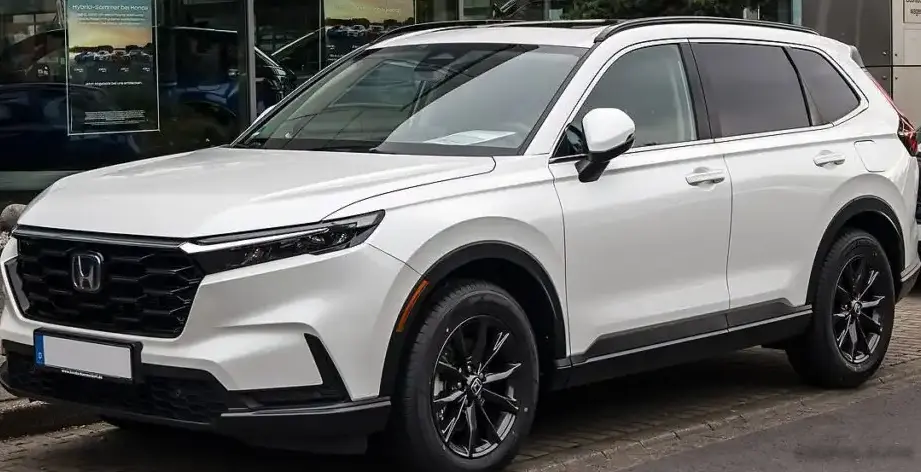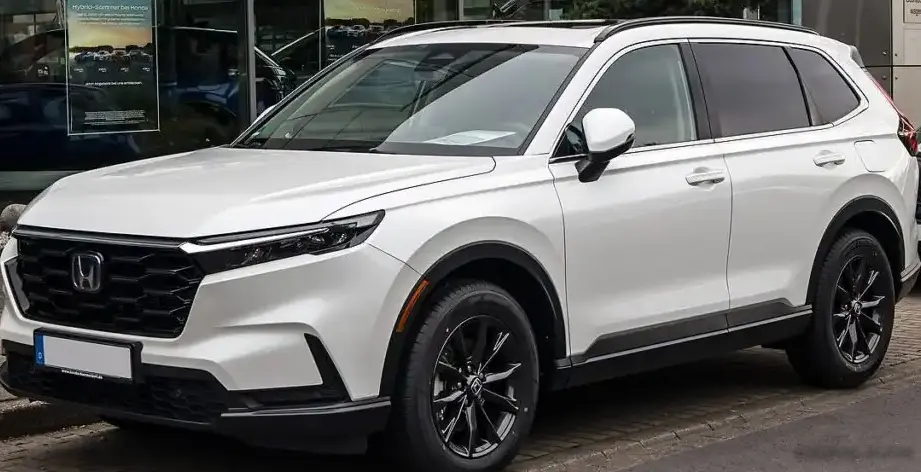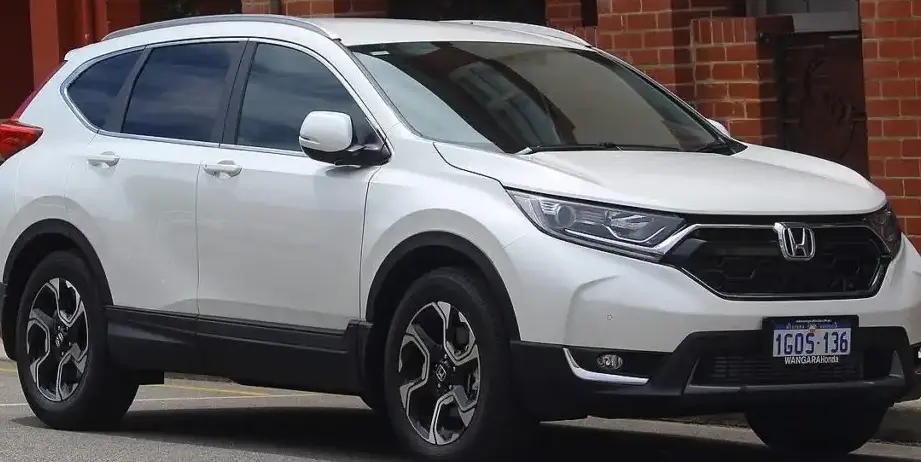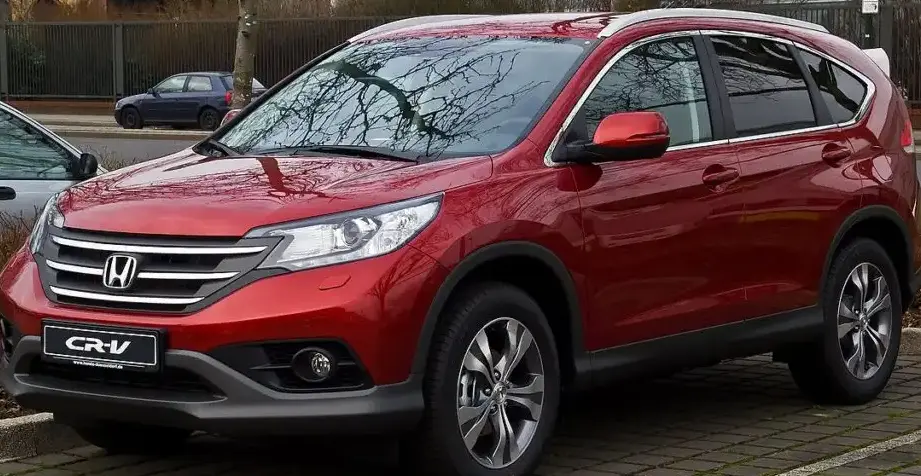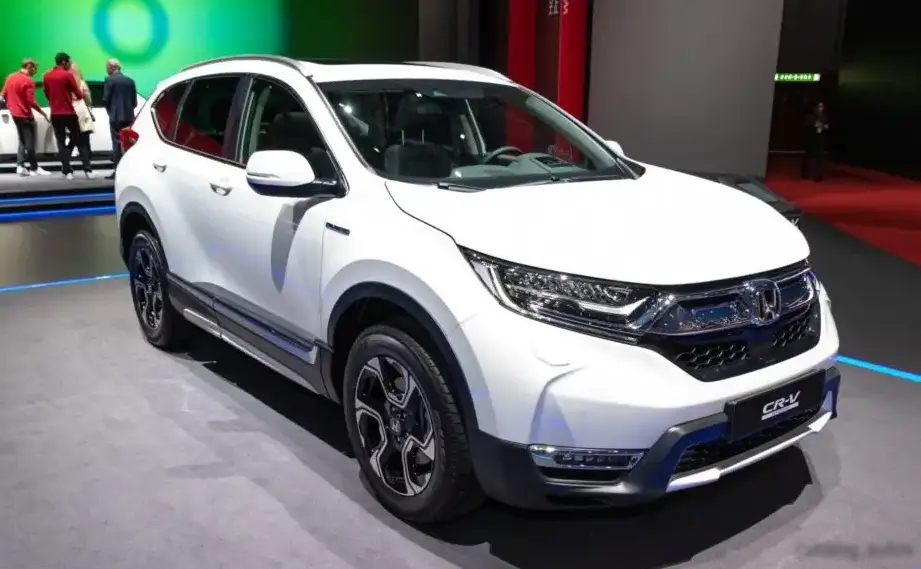
The Honda CR-V V 1.5 VTEC TURBO, produced from 2018 to 2019, represents a significant step forward in the fifth-generation CR-V (RW/RS) lineup. Positioned as a mainstream offering within the range, it aimed to balance fuel efficiency with respectable performance, appealing to a broad customer base. This variant was primarily sold in the European and Asian markets, where compact SUVs were gaining immense popularity. It served as a bridge between the base models and the more powerful, often all-wheel-drive equipped, trims.
Technical Specifications
| Brand | Honda |
| Model | CR-V |
| Generation | CR-V V |
| Type (Engine) | 1.5 VTEC TURBO (173 Hp) |
| Start of production | 2018 |
| End of production | 2019 |
| Powertrain Architecture | Internal Combustion engine |
| Body type | SUV |
| Seats | 5 |
| Doors | 5 |
| Fuel consumption (urban) | 7.4 l/100 km (31.8 US mpg) |
| Fuel consumption (extra urban) | 5.6 l/100 km (42 US mpg) |
| Fuel consumption (combined) | 6.3 l/100 km (37.3 US mpg) |
| CO2 emissions | 143 g/km |
| Fuel Type | Petrol (Gasoline) |
| Acceleration 0 – 100 km/h | 9.3 sec |
| Acceleration 0 – 62 mph | 9.3 sec |
| Acceleration 0 – 60 mph | 8.8 sec |
| Maximum speed | 209 km/h (129.87 mph) |
| Emission standard | Euro 6d-TEMP |
| Weight-to-power ratio | 8.7 kg/Hp |
| Weight-to-torque ratio | 6.8 kg/Nm |
| Power | 173 Hp @ 5600 rpm |
| Torque | 220 Nm @ 1900-5000 rpm (162.26 lb.-ft.) |
| Engine layout | Front, Transverse |
| Engine Model/Code | L15BY |
| Engine displacement | 1498 cm3 (91.41 cu. in.) |
| Number of cylinders | 4 |
| Engine configuration | Inline |
| Compression ratio | 10.3:1 |
| Number of valves per cylinder | 4 |
| Fuel injection system | Direct injection |
| Engine aspiration | Turbocharger, Intercooler |
| Valvetrain | VTEC |
| Engine oil capacity | 3.5 l (3.7 US qt | 3.08 UK qt) |
| Coolant capacity | 6.2 l (6.55 US qt | 5.46 UK qt) |
| Kerb Weight | 1501-1523 kg (3309.14 – 3357.64 lbs.) |
| Max. weight | 2150 kg (4739.94 lbs.) |
| Max load | 627-649 kg (1382.3 – 1430.8 lbs.) |
| Trunk (boot) space – minimum | 561 l (19.81 cu. ft.) |
| Trunk (boot) space – maximum | 1756 l (62.01 cu. ft.) |
| Fuel tank capacity | 57 l (15.06 US gal | 12.54 UK gal) |
| Max. roof load | 75 kg (165.35 lbs.) |
| Permitted trailer load with brakes (12%) | 2000 kg (4409.25 lbs.) |
| Permitted trailer load without brakes | 600 kg (1322.77 lbs.) |
| Permitted towbar download | 100 kg (220.46 lbs.) |
| Length | 4600 mm (181.1 in.) |
| Width | 1855 mm (73.03 in.) |
| Width including mirrors | 2117 mm (83.35 in.) |
| Height | 1679 mm (66.1 in.) |
| Wheelbase | 2663 mm (104.84 in.) |
| Front track | 1602 mm (63.07 in.) |
| Rear (Back) track | 1630 mm (64.17 in.) |
| Ride height (ground clearance) | 198 mm (7.8 in.) |
| Minimum turning circle | 11.4 m (37.4 ft.) |
| Drivetrain Architecture | Front wheel drive |
| Number of gears and type of gearbox | 6 gears, manual transmission |
| Front suspension | Independent, type McPherson with coil spring and anti-roll bar |
| Rear suspension | Independent multi-link suspension |
| Front brakes | Ventilated discs |
| Rear brakes | Disc |
| Assisting systems | ABS (Anti-lock braking system) |
| Steering type | Steering rack and pinion |
| Power steering | Electric Steering |
| Wheel rims size | 17; 18 |
Powertrain & Engine Architecture
At the heart of the CR-V V 1.5 VTEC TURBO lies the L15BY engine, a 1.5-liter inline-four cylinder gasoline engine. This engine is a member of Honda’s Earth Dreams Technology series, emphasizing efficiency and performance. The key feature is its single-scroll turbocharger, coupled with direct injection, which allows for a broad torque curve and improved fuel economy. The VTEC (Variable Valve Timing and Lift Electronic Control) system optimizes valve timing based on engine speed and load, enhancing both low-end torque and high-end power. The engine produces 173 horsepower at 5600 rpm and 220 Nm (162 lb-ft) of torque between 1900 and 5000 rpm. The engine is transversely mounted in the front of the vehicle. The 6-speed manual transmission was standard, providing drivers with direct control over the engine’s power.
Driving Characteristics
The 1.5L turbo engine, paired with the 6-speed manual, offered a reasonably engaging driving experience. Acceleration from 0-60 mph took approximately 8.8 seconds, making it competitive within its class. While not a performance-oriented vehicle, the turbocharger provided a noticeable boost in power during overtaking maneuvers. The manual transmission allowed for precise gear selection, and the relatively short gear ratios kept the engine within its optimal power band. Compared to higher-trim CR-Vs with more powerful engines, this variant felt less effortless during highway cruising and uphill climbs. However, the lighter engine weight contributed to improved handling and agility.
Equipment & Trim Levels
The CR-V V 1.5 VTEC TURBO typically came with a solid base level of equipment. Standard features included air conditioning, power windows and mirrors, a basic audio system with Bluetooth connectivity, and a suite of safety features like ABS, stability control, and multiple airbags. Higher trim levels added features such as alloy wheels, a touchscreen infotainment system, a rearview camera, and advanced driver-assistance systems (ADAS) like lane departure warning and adaptive cruise control. Interior upholstery was typically cloth, with options for leather upgrades on higher trims. Dashboard configuration was straightforward and functional, prioritizing usability over luxury.
Chassis & Braking
The CR-V V utilized a MacPherson strut front suspension and a multi-link rear suspension, providing a comfortable and controlled ride. The suspension was tuned to prioritize comfort over sporty handling. Front brakes were ventilated discs, while rear brakes were solid discs, providing adequate stopping power for the vehicle’s weight and performance. The electric power steering offered light and precise steering feel. Wheel sizes typically ranged from 17 to 18 inches, depending on the trim level.
Market Reception & Comparison
The CR-V V 1.5 VTEC TURBO was generally well-received by automotive critics. It was praised for its fuel efficiency, spacious interior, and comfortable ride. However, some reviewers noted that the engine could feel strained under heavy load, and the manual transmission, while engaging, might not appeal to all buyers. Compared to the diesel-powered CR-V variants, the 1.5L turbo offered lower running costs but less torque. Against competitors like the Nissan Qashqai and Kia Sportage, the CR-V V 1.5 VTEC TURBO held its own in terms of practicality, reliability, and overall value.
Legacy
The L15BY engine has proven to be a relatively reliable powertrain, with few widespread issues reported. The CR-V V 1.5 VTEC TURBO remains a popular choice in the used car market, particularly for buyers seeking a fuel-efficient and practical compact SUV. Regular maintenance, including oil changes and timing chain inspections, is crucial for ensuring long-term reliability. The combination of a turbocharged engine, a spacious interior, and Honda’s reputation for reliability has cemented the CR-V V 1.5 VTEC TURBO’s place as a well-regarded vehicle in its segment.