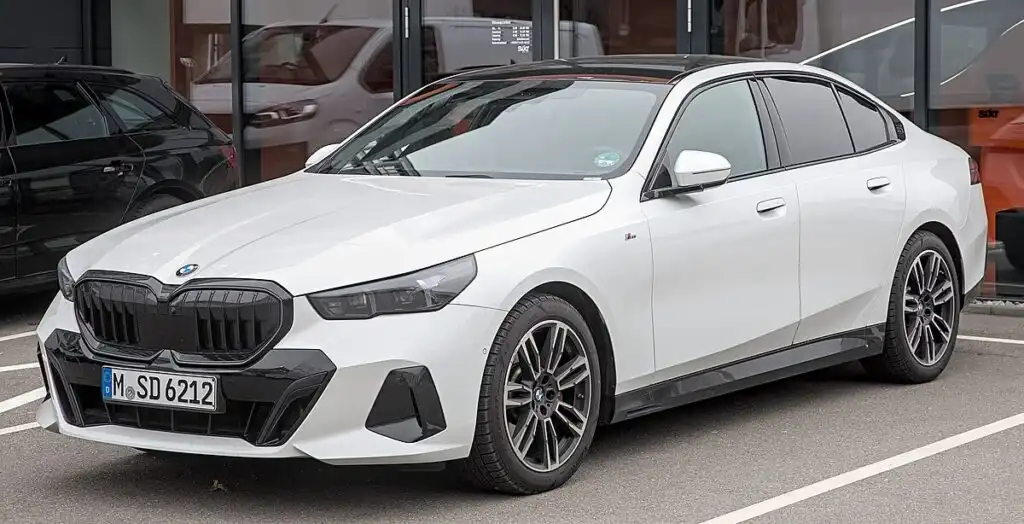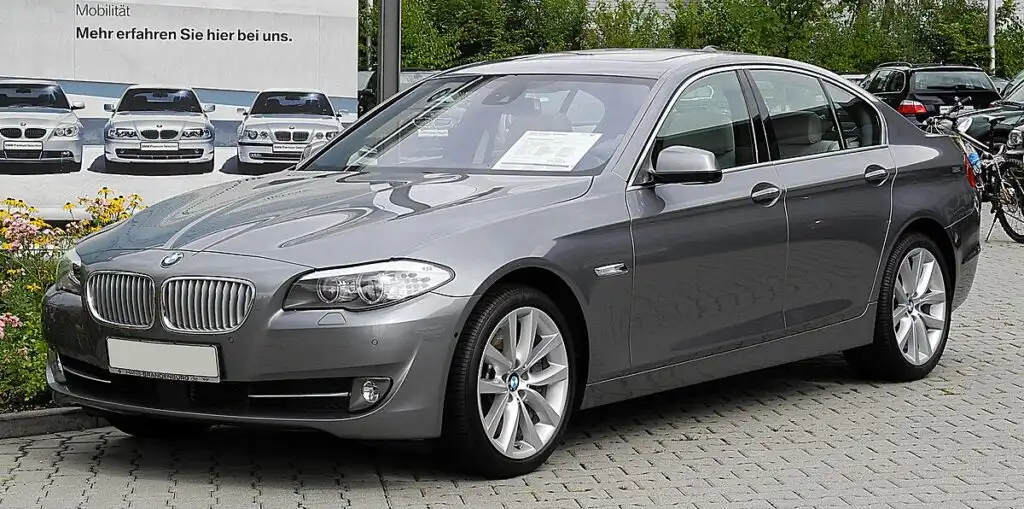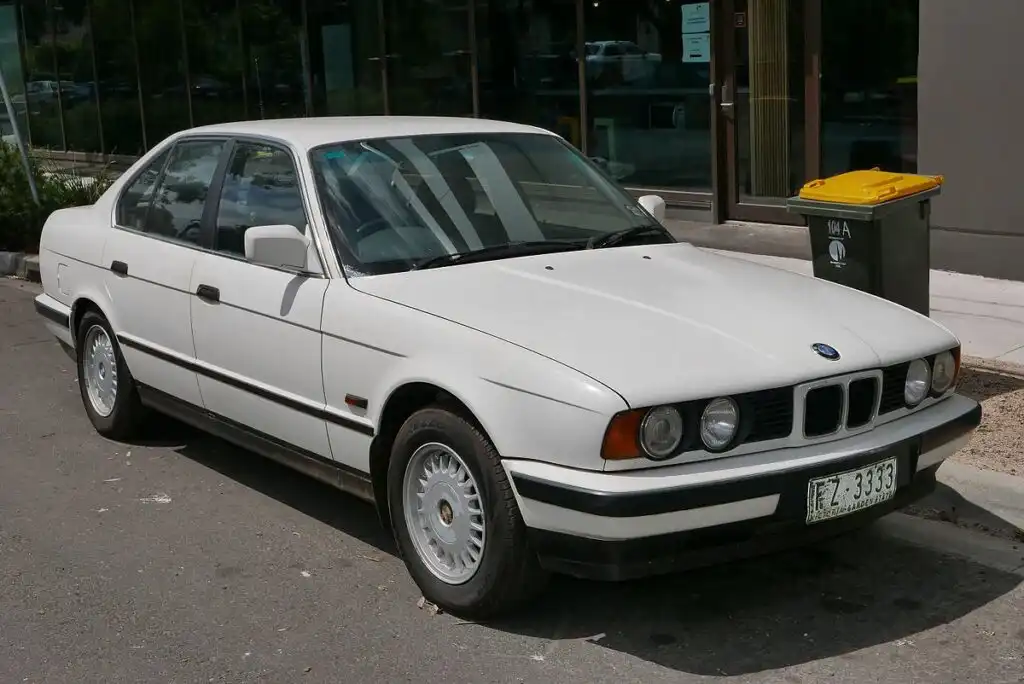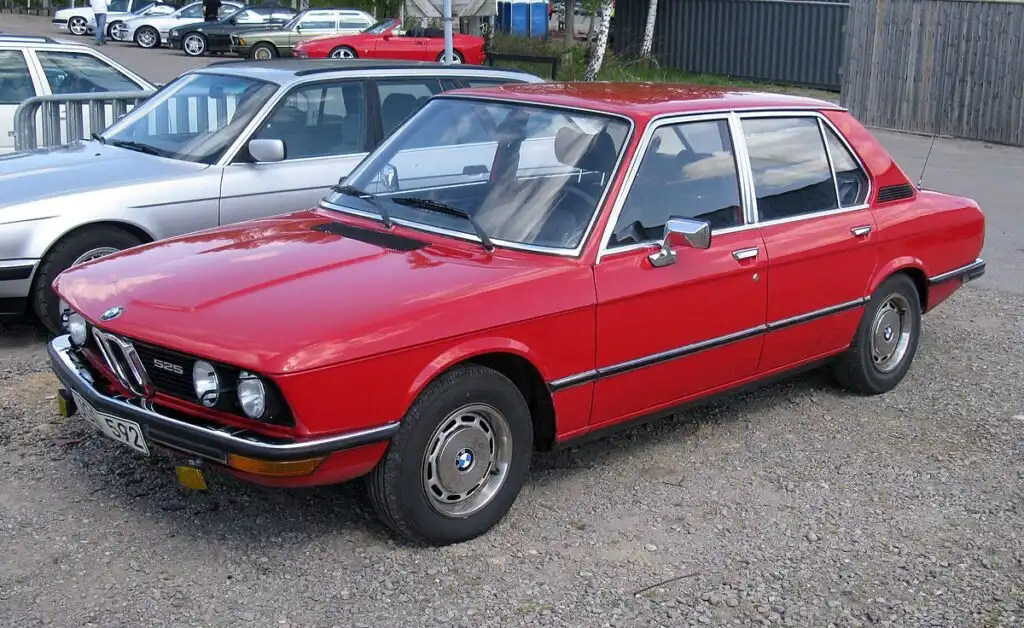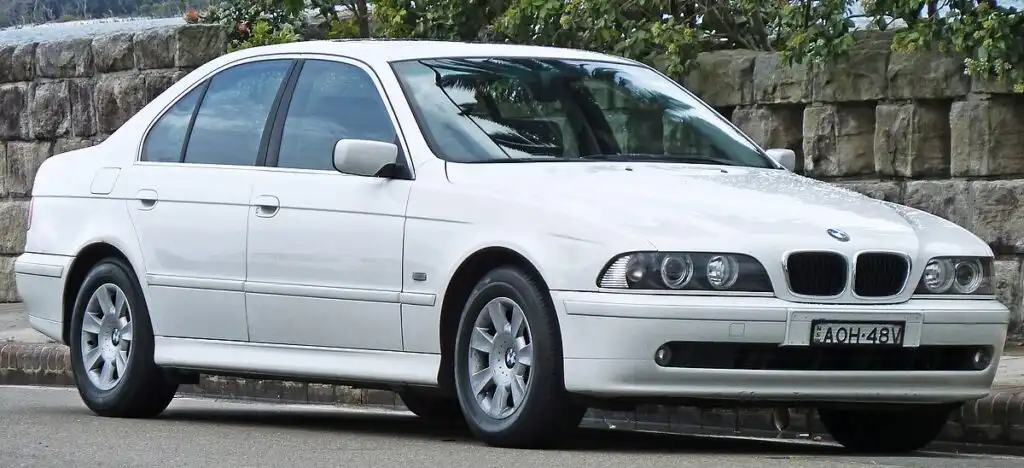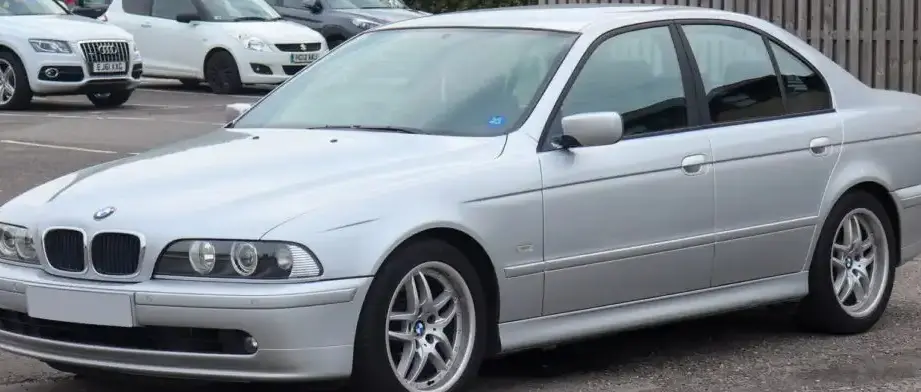
The BMW 520i, produced from 2000 to 2003 as part of the E39 5 Series facelift, represented the entry point into the premium mid-size sedan market for BMW in Europe and North America. Positioned below the 525i, 530i, and M5 models, the 520i offered a balance of BMW’s renowned driving dynamics, build quality, and a more accessible price point. This variant was particularly popular with buyers prioritizing fuel efficiency and a comfortable ride over outright performance. The E39 generation, known for its robust construction and timeless design, remains highly regarded by enthusiasts today.
Technical Specifications
| Brand | BMW |
| Model | 5 Series |
| Generation | 5 Series (E39, Facelift 2000) |
| Type (Engine) | 520i (170 Hp) |
| Start of production | 2000 year |
| End of production | 2003 year |
| Powertrain Architecture | Internal Combustion engine |
| Body type | Sedan |
| Seats | 5 |
| Doors | 4 |
| Fuel consumption (economy) – urban | 12.2 l/100 km (19.3 US mpg, 23.2 UK mpg, 8.2 km/l) |
| Fuel consumption (economy) – extra urban | 7.1 l/100 km (33.1 US mpg, 39.8 UK mpg, 14.1 km/l) |
| Fuel consumption (economy) – combined | 9 l/100 km (26.1 US mpg, 31.4 UK mpg, 11.1 km/l) |
| Fuel Type | Petrol (Gasoline) |
| Acceleration 0 – 100 km/h | 9.1 sec |
| Acceleration 0 – 62 mph | 9.1 sec |
| Acceleration 0 – 60 mph | 8.6 sec |
| Maximum speed | 226 km/h (140.43 mph) |
| Weight-to-power ratio | 8.8 kg/Hp, 113.7 Hp/tonne |
| Weight-to-torque ratio | 7.1 kg/Nm, 140.5 Nm/tonne |
| Power | 170 Hp @ 6100 rpm |
| Power per litre | 78.3 Hp/l |
| Torque | 210 Nm @ 3500 rpm (154.89 lb.-ft. @ 3500 rpm) |
| Engine layout | Front, Longitudinal |
| Engine Model/Code | M54B22 |
| Engine displacement | 2171 cm3 (132.48 cu. in.) |
| Number of cylinders | 6 |
| Engine configuration | Inline |
| Cylinder Bore | 80 mm (3.15 in.) |
| Piston Stroke | 72 mm (2.83 in.) |
| Compression ratio | 10.8:1 |
| Number of valves per cylinder | 4 |
| Fuel injection system | Multi-port manifold injection |
| Engine aspiration | Naturally aspirated engine |
| Valvetrain | DOHC |
| Engine oil capacity | 6.5 l (6.87 US qt | 5.72 UK qt) |
| Coolant | 10.5 l (11.1 US qt | 9.24 UK qt) |
| Kerb Weight | 1495 kg (3295.91 lbs.) |
| Max. weight | 2005 kg (4420.27 lbs.) |
| Max load | 510 kg (1124.36 lbs.) |
| Trunk (boot) space – minimum | 460 l (16.24 cu. ft.) |
| Fuel tank capacity | 70 l (18.49 US gal | 15.4 UK gal) |
| Length | 4775 mm (187.99 in.) |
| Width | 1800 mm (70.87 in.) |
| Height | 1435 mm (56.5 in.) |
| Wheelbase | 2830 mm (111.42 in.) |
| Front track | 1516 mm (59.69 in.) |
| Rear (Back) track | 1530 mm (60.24 in.) |
| Drivetrain Architecture | The Internal combustion engine (ICE) drives the rear wheels of the vehicle. |
| Drive wheel | Rear wheel drive |
| Number of gears and type of gearbox | 5 gears, manual transmission |
| Front suspension | Wishbone |
| Rear suspension | Several levers and rods |
| Front brakes | Ventilated discs |
| Rear brakes | Ventilated discs |
| Assisting systems | ABS (Anti-lock braking system) |
| Steering type | Steering rack and pinion |
| Power steering | Hydraulic Steering |
| Tires size | 205/65 R15 |
| Wheel rims size | 15 |
INTRODUCTION
The BMW 520i (E39 facelift) was introduced in 2000 as a refinement of the already successful E39 5 Series. The facelift brought subtle styling changes, including revised headlights and taillights, along with improvements to the interior and engine range. The 520i, powered by the M54B22 engine, served as the entry-level model, offering a more economical and accessible alternative to its higher-powered siblings. It was aimed at buyers who valued the BMW experience – handling, build quality, and prestige – but didn’t necessarily require the performance of the 525i, 530i, or M5. The E39 platform, known for its balance and driver engagement, provided a solid foundation for this variant.
Powertrain & Engine Architecture
At the heart of the 520i lies the M54B22, a 2.2-liter inline-six cylinder engine. This engine is a naturally aspirated powerplant featuring double overhead camshafts (DOHC) and four valves per cylinder. The M54 engine family was a significant improvement over its predecessor, the M52, offering increased power and torque, improved fuel efficiency, and enhanced reliability. The 520i’s M54B22 produced 170 horsepower at 6100 rpm and 210 Nm (154.89 lb-ft) of torque at 3500 rpm. Fuel is delivered via a multi-port fuel injection system, ensuring precise fuel metering for optimal combustion. The engine’s block is cast iron, while the cylinder head is aluminum, contributing to a relatively lightweight design. The 520i was typically paired with a 5-speed manual transmission, but a 5-speed automatic transmission was also available, and quite popular, offering convenience and ease of use. The automatic transmission, a ZF 5HP19, is known for its smooth shifting and durability.
Driving Characteristics
The 520i, particularly with the automatic transmission, offered a comfortable and refined driving experience. While not as quick as the higher-powered 5 Series models, it provided adequate performance for everyday driving. Acceleration from 0 to 60 mph took approximately 8.6 seconds, and the top speed was limited to 140.43 mph. The automatic transmission’s gear ratios were tuned for fuel efficiency and smooth cruising, rather than aggressive acceleration. Compared to the manual transmission version, the automatic offered slightly slower acceleration but a more relaxed driving experience. The E39’s renowned chassis, with its well-tuned suspension, provided excellent handling and stability, even with the lower power output. The steering was precise and communicative, offering a satisfying connection to the road.
Equipment & Trim Levels
The 520i came standard with a respectable level of equipment, including power windows, power locks, air conditioning, and an AM/FM stereo. Upholstery was typically cloth, although leather was available as an option. The dashboard featured a classic BMW design, with clear and easy-to-read gauges. Optional extras included a sunroof, heated seats, automatic climate control, and a premium sound system. Higher trim levels offered additional features, such as wood trim and upgraded interior materials. The 520i was often chosen by buyers who prioritized comfort and convenience over outright luxury, making it a popular choice for families and commuters.
Chassis & Braking
The E39 5 Series featured a robust chassis with a MacPherson strut front suspension and a multi-link rear suspension. This suspension setup provided a comfortable ride while maintaining excellent handling characteristics. The 520i typically came equipped with ventilated disc brakes on all four wheels, providing ample stopping power. Anti-lock braking system (ABS) was standard, enhancing safety and control during emergency braking situations. The 520i’s weight distribution was nearly 50/50, contributing to its balanced handling. Stabilizer bars were fitted to both the front and rear axles, further reducing body roll during cornering.
Market Reception & Comparison
The 520i was generally well-received by automotive critics, who praised its comfortable ride, refined interior, and fuel efficiency. However, some critics noted that its performance was somewhat lacking compared to its more powerful siblings. Compared to the 525i and 530i, the 520i offered a more affordable entry point into the 5 Series range, but at the expense of performance. The 520i’s fuel economy was notably better than the higher-powered models, making it a more practical choice for drivers who covered long distances. Reliability was also a strong point, with the M54 engine proving to be a durable and long-lasting powerplant.
Legacy
The E39 520i, particularly the M54B22-powered versions, have developed a strong following among BMW enthusiasts. The M54 engine is known for its reliability and relatively simple maintenance requirements. Today, well-maintained E39 520i models are sought after by collectors and enthusiasts who appreciate their classic design, balanced handling, and comfortable ride. While not the fastest or most luxurious E39 variant, the 520i represents a sweet spot in the lineup, offering a compelling combination of practicality, performance, and BMW’s signature driving experience. Finding one in good condition can be a challenge, but the E39 520i remains a rewarding and enjoyable classic car.