Technical Specifications
| Brand | Ford |
| Model | Falcon |
| Generation | Falcon (FG) |
| Type | 4.0 DI-VCT (265 Hp) 5 Automatic |
| Start of production | 2008 |
| End of production | 2010 |
| Powertrain Architecture | Internal Combustion engine |
| Body type | Sedan |
| Seats | 5 |
| Doors | 4 |
| Fuel consumption (urban) | 14.5 l/100 km (16.2 US mpg, 19.5 UK mpg, 6.9 km/l) |
| Fuel consumption (extra urban) | 8.2 l/100 km (28.7 US mpg, 34.4 UK mpg, 12.2 km/l) |
| Fuel consumption (combined) | 10.5 l/100 km (22.4 US mpg, 26.9 UK mpg, 9.5 km/l) |
| Fuel Type | Petrol (Gasoline) |
| Weight-to-power ratio | 6.4 kg/Hp, 155.5 Hp/tonne |
| Weight-to-torque ratio | 4.4 kg/Nm, 229.5 Nm/tonne |
| Power | 265 Hp @ 6000 rpm |
| Power per litre | 66.5 Hp/l |
| Torque | 391 Nm @ 3250 rpm (288.39 lb.-ft. @ 3250 rpm) |
| Engine layout | Front, Longitudinal |
| Engine Model/Code | Barra 195 |
| Engine displacement | 3984 cm3 (243.12 cu. in.) |
| Number of cylinders | 6 |
| Engine configuration | Inline |
| Cylinder Bore | 92.25 mm (3.63 in.) |
| Piston Stroke | 99.31 mm (3.91 in.) |
| Compression ratio | 10.3:1 |
| Number of valves per cylinder | 4 |
| Fuel injection system | Multi-port manifold injection |
| Engine aspiration | Naturally aspirated engine |
| Valvetrain | DOHC |
| Kerb Weight | 1704 kg (3756.68 lbs.) |
| Trunk (boot) space (minimum) | 535 l (18.89 cu. ft.) |
| Fuel tank capacity | 68 l (17.96 US gal, 14.96 UK gal) |
| Permitted trailer load with brakes (12%) | 2300 kg (5070.63 lbs.) |
| Length | 4955 mm (195.08 in.) |
| Width | 1868 mm (73.54 in.) |
| Width including mirrors | 2100 mm (82.68 in.) |
| Height | 1453 mm (57.2 in.) |
| Wheelbase | 2838 mm (111.73 in.) |
| Front track | 1583 mm (62.32 in.) |
| Rear track | 1598 mm (62.91 in.) |
| Front overhang | 942 mm (37.09 in.) |
| Rear overhang | 1175 mm (46.26 in.) |
| Minimum turning circle | 11 m (36.09 ft.) |
| Drivetrain Architecture | Rear wheel drive |
| Number of gears and type of gearbox | 5 gears, automatic transmission |
| Front suspension | Double wishbone |
| Rear suspension | Independent multi-link suspension |
| Front brakes | Ventilated discs |
| Rear brakes | Disc |
| Assisting systems | ABS (Anti-lock braking system) |
| Steering type | Steering rack and pinion |
| Power steering | Hydraulic Steering |
| Tires size | 215/60 R16; 235/50 R17; 245/45 R17; 245/40 R18; 245/35 R19 |
| Wheel rims size | 6.5J x 16; 8J x 17; 8J x 18; 8J x 19 |
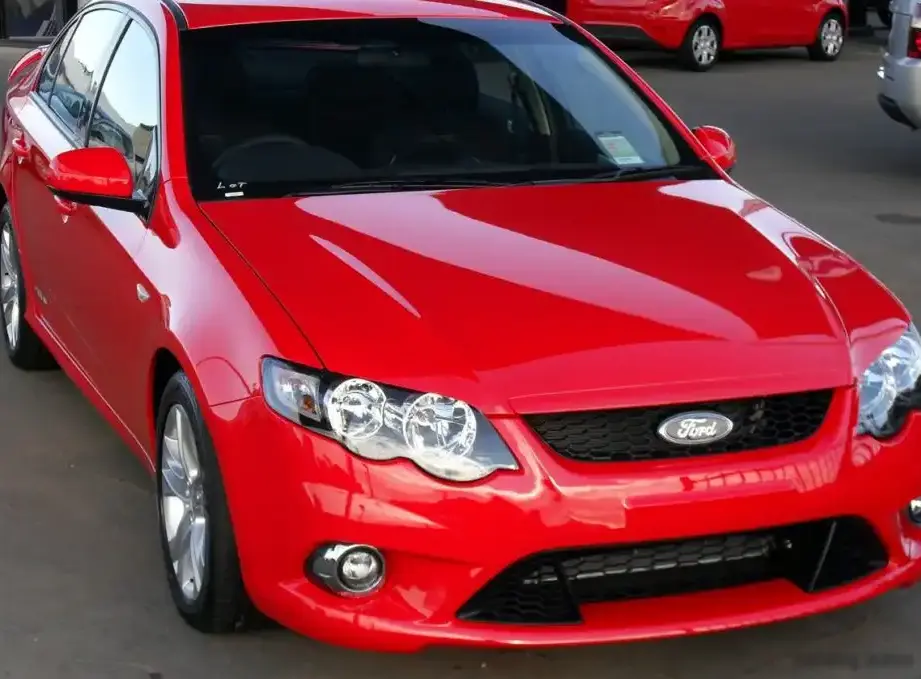
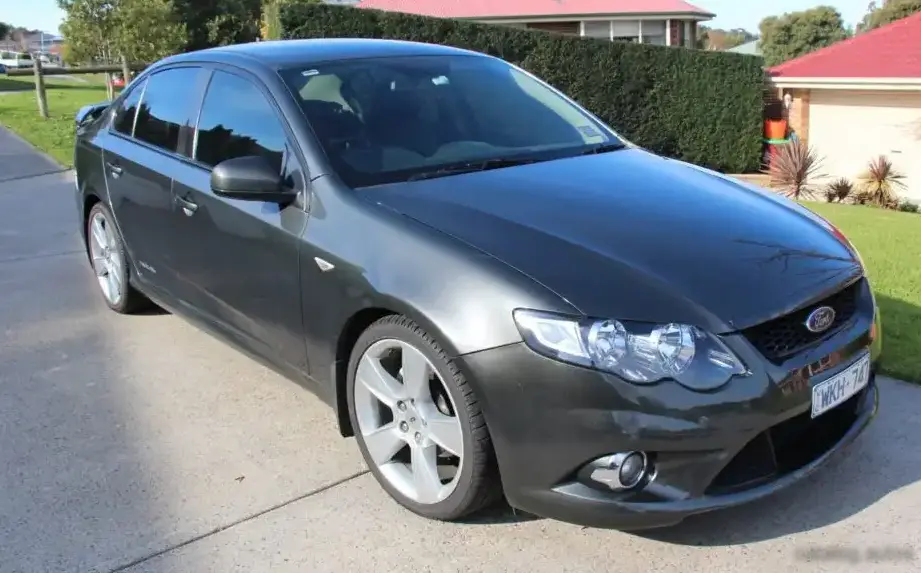
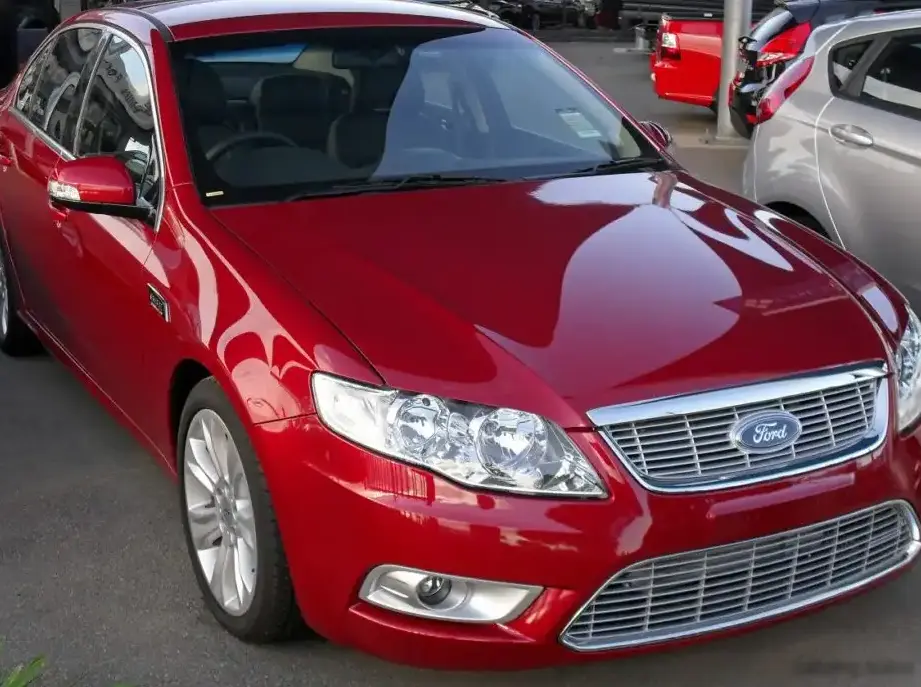
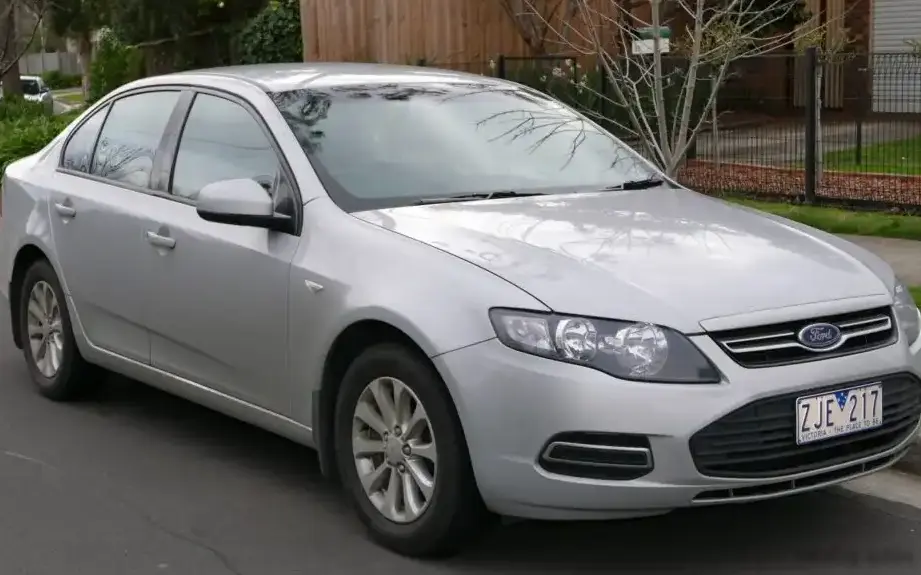
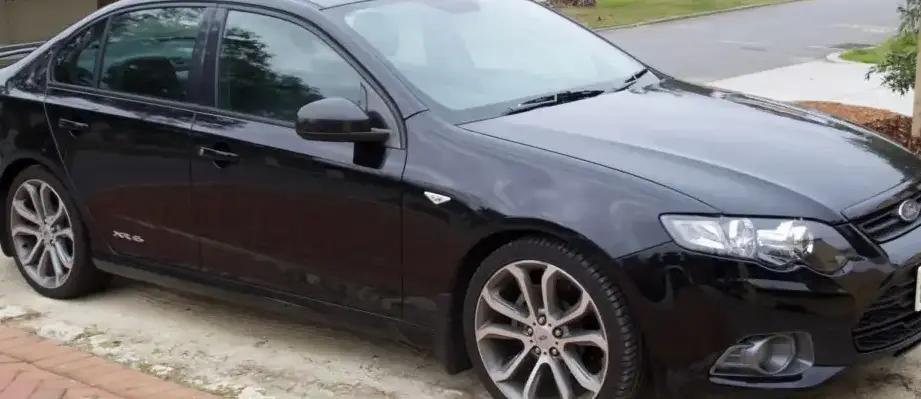
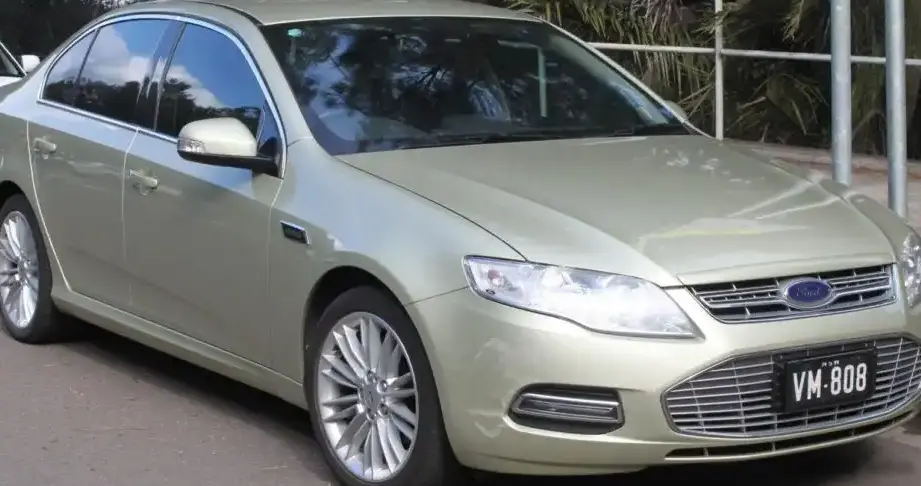
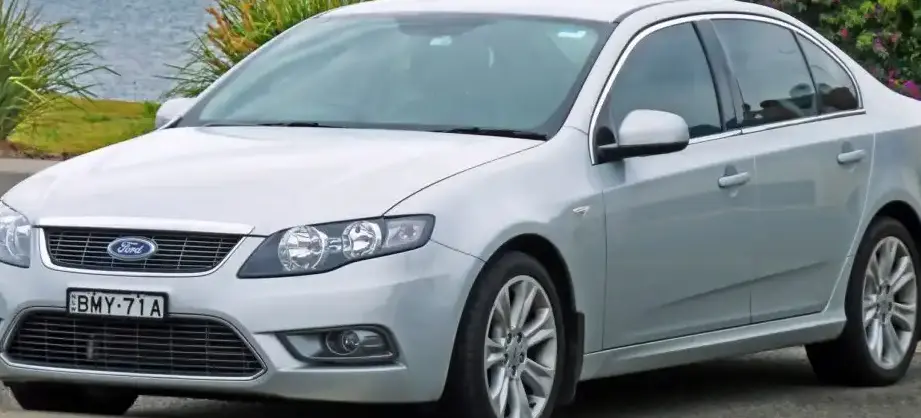
The Ford Falcon FG 4.0 DI-VCT automatic, launched in 2008, was a key component of the FG series, representing the penultimate iteration of the long-running Falcon nameplate before the cessation of Australian manufacturing. Built at Ford’s Broadmeadows plant in Victoria, Australia, the FG aimed to address criticisms leveled at the BA and BF series, focusing on improved refinement, interior quality, and fuel efficiency. The 4.0-liter variant, paired with a five-speed automatic, was positioned as a practical and comfortable option for families and everyday drivers, offering a compromise between the performance of the XR6 Turbo and the fuel economy of the XR6.
Powertrain & Engine Architecture
At the heart of the FG 4.0 was the Barra 195 inline-six engine. This 4.0-liter powerplant featured a cast iron block and aluminum cylinder head, incorporating Ford’s Double Overhead Camshaft (DOHC) and Direct Injection Intake Variable Cam Timing (DI-VCT) technology. The DI-VCT system allowed for independent control of intake valve timing, optimizing engine performance and fuel efficiency across a wider range of engine speeds. Fuel delivery was managed by a multi-port fuel injection system. The engine produced 265 horsepower at 6000 rpm and 391 Nm (288 lb-ft) of torque at 3250 rpm. The five-speed automatic transmission, sourced from BTR (later ZF), was calibrated for smooth shifts and comfortable cruising. While not as sporty as the six-speed manual available on other Falcon models, it provided a user-friendly driving experience.
Driving Characteristics
The Falcon FG 4.0 DI-VCT automatic offered a comfortable and refined driving experience. The automatic transmission, while not particularly quick-shifting, provided smooth and predictable gear changes. The engine delivered adequate power for everyday driving, with sufficient torque for overtaking maneuvers. However, compared to the turbocharged XR6 or the performance-oriented XR8, the 4.0-liter engine felt less responsive. The automatic transmission’s gear ratios were optimized for fuel economy and cruising comfort, rather than outright acceleration. The rear-wheel drive configuration provided a balanced feel, but the relatively soft suspension tuning prioritized ride comfort over sharp handling.
Equipment & Trim Levels
The FG 4.0 DI-VCT was typically offered in base and mid-range trim levels. Standard features generally included air conditioning, power windows and mirrors, a basic audio system, and an anti-lock braking system (ABS). Higher trim levels added features such as alloy wheels, a more advanced audio system with steering wheel controls, cruise control, and upgraded interior trim. Optional extras included a sunroof, leather upholstery, and a premium sound system. Interior materials were generally durable and functional, though not as luxurious as some of its international competitors.
Chassis & Braking
The FG Falcon utilized a robust rear-wheel drive chassis with independent front and rear suspension. The front suspension employed a double wishbone design, while the rear featured an independent multi-link setup. This configuration provided a good balance of ride comfort and handling. Braking duties were handled by ventilated discs at the front and solid discs at the rear. ABS was standard, providing enhanced braking performance and stability. Steering was via a hydraulic rack and pinion system, offering a reasonably direct and responsive feel.
Market Reception & Comparison
The Falcon FG 4.0 DI-VCT automatic was generally well-received by Australian motoring journalists and consumers. It was praised for its comfortable ride, spacious interior, and relatively fuel-efficient engine. However, it was often criticized for its lack of outright performance compared to the XR6 Turbo and XR8 models. Fuel economy figures of around 10.5 liters per 100 kilometers (22.4 US mpg) were considered reasonable for a large, rear-wheel drive sedan. Reliability was generally good, although some owners reported minor issues with the automatic transmission and electrical components. Compared to the XR6, the 4.0-liter variant offered a more relaxed driving experience and lower running costs, making it a popular choice for families and commuters.
Legacy
The Ford Falcon FG 4.0 DI-VCT automatic represents a significant chapter in Australian automotive history. As one of the last Falcons produced on Australian soil, it holds a special place in the hearts of many enthusiasts. While not the most powerful or technologically advanced Falcon variant, it offered a compelling combination of practicality, comfort, and affordability. Today, well-maintained examples of the FG 4.0 are becoming increasingly collectible, representing a tangible link to a bygone era of Australian manufacturing. The Barra 195 engine, in particular, has gained a strong following among enthusiasts, known for its durability and potential for modification.