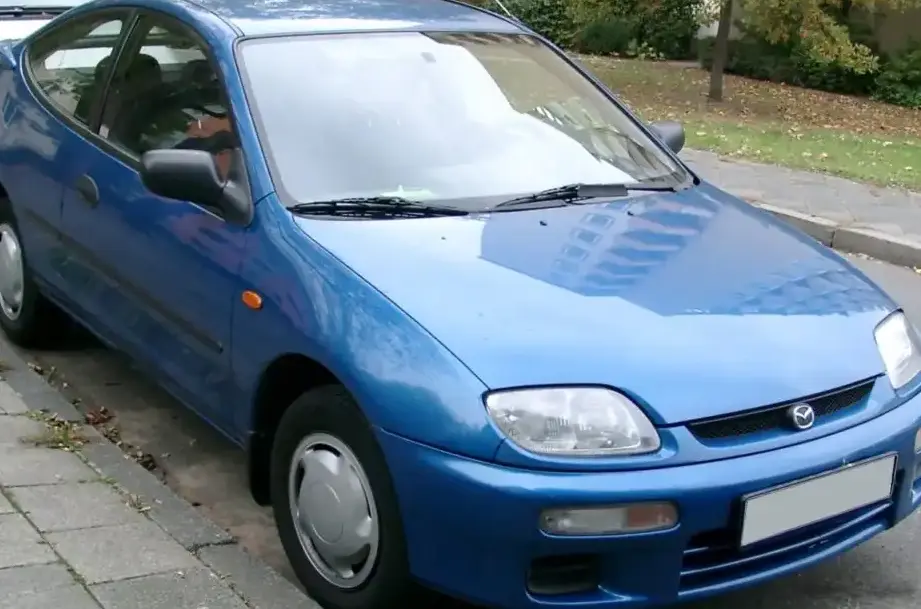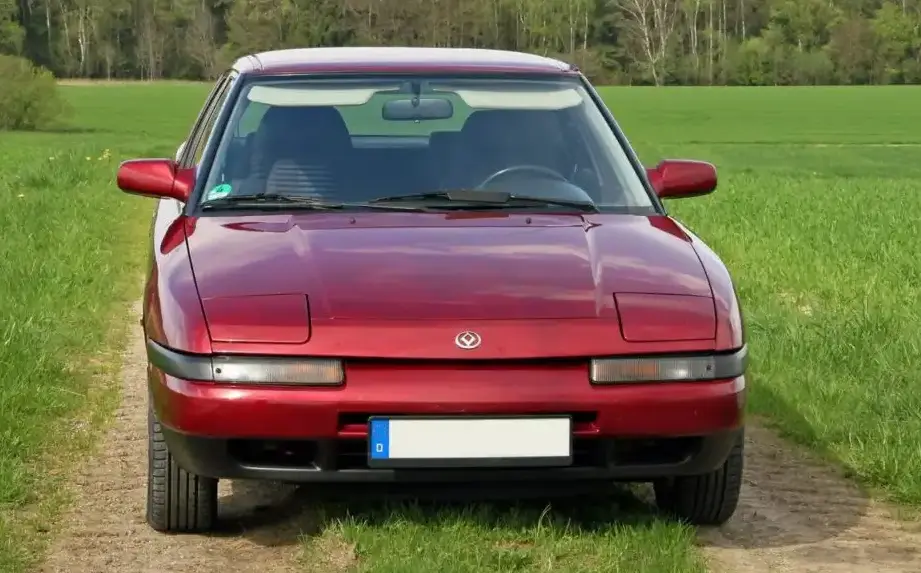
The Mazda 323 F IV (BG) 1.6, produced between 1989 and 1991, represented a significant step forward for Mazda’s compact offering. Falling within the fourth generation of the 323 series, the BG chassis brought a more modern aesthetic and improved engineering compared to its predecessors. This particular 1.6-liter, 84 horsepower variant served as a core model within the lineup, aimed at buyers seeking a practical and economical hatchback. It was positioned as the entry-level engine option, offering a balance between affordability and usability, and played a key role in establishing the 323 as a competitive player in the European and Japanese markets, though it saw limited sales in the United States.
Technical Specifications
| Brand | Mazda |
| Model | 323 |
| Generation | 323 F IV (BG) |
| Type (Engine) | 1.6 (84 Hp) |
| Start of production | 1989 |
| End of production | 1991 |
| Powertrain Architecture | Internal Combustion engine |
| Body type | Hatchback |
| Seats | 5 |
| Doors | 5 |
| Fuel consumption (combined) | 7.1 l/100 km |
| Fuel consumption (US mpg) | 33.1 US mpg |
| Fuel consumption (UK mpg) | 39.8 UK mpg |
| Fuel consumption (km/l) | 14.1 km/l |
| Fuel Type | Petrol (Gasoline) |
| Acceleration 0 – 100 km/h | 11.2 sec |
| Acceleration 0 – 62 mph | 11.2 sec |
| Acceleration 0 – 60 mph | 10.6 sec |
| Maximum speed | 175 km/h (108.74 mph) |
| Weight-to-power ratio | 11.8 kg/Hp |
| Power per tonne | 84.8 Hp/tonne |
| Weight-to-torque ratio | 8 kg/Nm |
| Torque per tonne | 124.2 Nm/tonne |
| Power | 84 Hp @ 5500 rpm |
| Power per litre | 52.6 Hp/l |
| Torque | 123 Nm @ 2500 rpm (90.72 lb.-ft. @ 2500 rpm) |
| Engine layout | Front, Transverse |
| Engine Model/Code | E5 |
| Engine displacement | 1597 cm3 (97.45 cu. in.) |
| Number of cylinders | 4 |
| Engine configuration | Inline |
| Number of valves per cylinder | 2 |
| Fuel injection system | Multi-port manifold injection |
| Engine aspiration | Naturally aspirated engine |
| Valvetrain | OHC |
| Kerb Weight | 990 kg (2182.58 lbs) |
| Max. weight | 1420 kg (3130.56 lbs) |
| Max load | 430 kg (947.99 lbs) |
| Fuel tank capacity | 55 l (14.53 US gal | 12.1 UK gal) |
| Length | 4260 mm (167.72 in) |
| Width | 1680 mm (66.14 in) |
| Height | 1340 mm (52.76 in) |
| Wheelbase | 2500 mm (98.43 in) |
| Front track | 1430 mm (56.3 in) |
| Rear track | 1435 mm (56.5 in) |
| Minimum turning circle | 9.8 m (32.15 ft) |
Powertrain & Engine Architecture
The heart of this 323 variant was the E5 engine, a 1.6-liter inline-four cylinder gasoline engine. This engine utilized a single overhead camshaft (OHC) valvetrain operating two valves per cylinder. Fuel delivery was managed by a multi-port fuel injection system, a relatively modern feature for the time, contributing to improved fuel efficiency and smoother operation compared to carbureted engines. The E5 engine was known for its relative simplicity and durability, though it wasn’t a powerhouse. The engine produced 84 horsepower at 5500 rpm and 123 Nm (90.72 lb-ft) of torque at 2500 rpm. The engine was typically paired with a four-speed automatic transmission, designed for ease of use and comfort rather than outright performance. This automatic transmission was a common choice for buyers prioritizing convenience over driver engagement.
Driving Characteristics
The 1.6-liter engine and automatic transmission combination resulted in a driving experience focused on practicality. Acceleration was adequate for everyday driving, with a 0-60 mph time of around 10.6 seconds, but it wasn’t particularly brisk. The automatic transmission, while smooth, lacked the responsiveness of a manual gearbox. Gear ratios were optimized for fuel economy and comfortable cruising, rather than spirited acceleration. Compared to the available manual transmission or the later 1.8-liter engine options, this variant felt noticeably slower. However, the automatic transmission made it a more accessible option for drivers unfamiliar with manual gearboxes, and it proved popular in urban environments.
Equipment & Trim Levels
The 323 F IV 1.6 typically came with a reasonable level of standard equipment. Interior features generally included cloth upholstery, a basic instrument cluster, and manual windows and door locks. Air conditioning was often an optional extra, as were power windows and a more advanced audio system. Trim levels varied slightly depending on the market, but generally, this 1.6-liter model represented the base or near-base trim. The focus was on providing essential features at an affordable price point. Exterior features typically included steel wheels with hubcaps, though alloy wheels were available as an upgrade.
Chassis & Braking
The 323 F IV utilized a front-wheel-drive layout with a MacPherson strut front suspension and a torsion beam rear suspension. This suspension setup provided a comfortable ride quality, suitable for everyday driving. Braking was typically accomplished with disc brakes on the front wheels and drum brakes on the rear. The braking system was adequate for the vehicle’s weight and performance, but it lacked the stopping power of more advanced braking systems found on higher-performance models. Stabilizer bars were included to reduce body roll during cornering, enhancing handling stability.
Market Reception & Comparison
The Mazda 323 F IV 1.6 Automatic was generally well-received as a practical and economical hatchback. Critics praised its fuel efficiency and comfortable ride, but noted its lack of outright performance. Compared to other trims in the 323 lineup, such as the more powerful 1.8-liter versions, this variant offered a more affordable entry point. It competed with other compact hatchbacks from manufacturers like Ford, Volkswagen, and Nissan. Its fuel economy of 7.1 l/100 km (33.1 US mpg) was competitive for the time, making it an attractive option for budget-conscious buyers. Reliability was generally good, though routine maintenance was essential to ensure long-term durability.
Legacy
The Mazda 323 F IV 1.6, while not the most exciting variant in the lineup, proved to be a reliable and practical choice for many buyers. The E5 engine, while simple, is known for its durability, and many examples are still on the road today. In the used car market, these models are often sought after for their affordability and ease of maintenance. The automatic transmission, while not a performance enhancer, contributes to the car’s ease of use. The 323 F IV 1.6 represents a solid example of a late 1980s/early 1990s compact hatchback, offering a blend of practicality, economy, and reliability that continues to appeal to enthusiasts and budget-minded drivers alike.