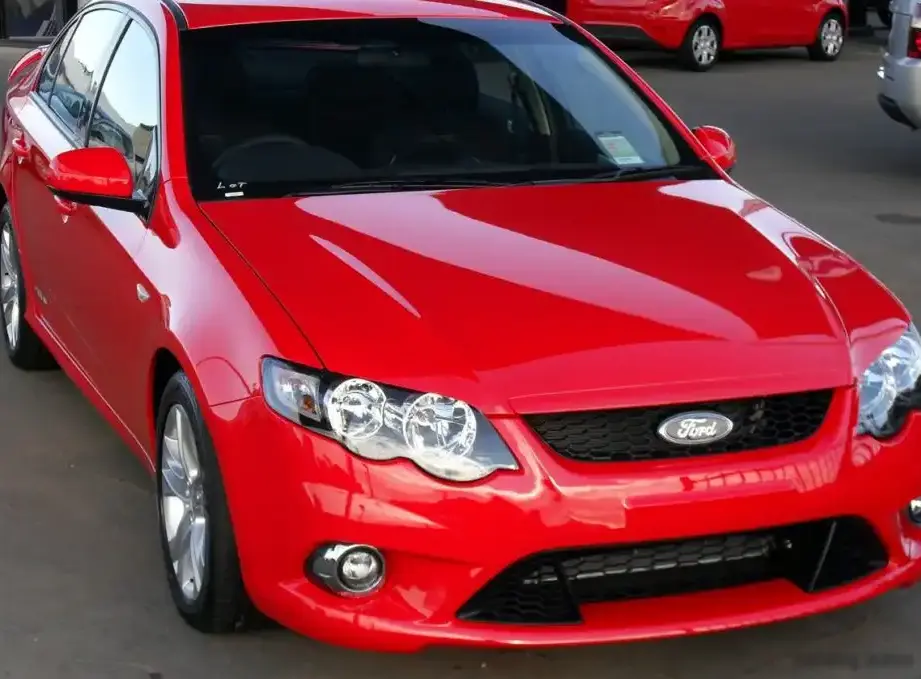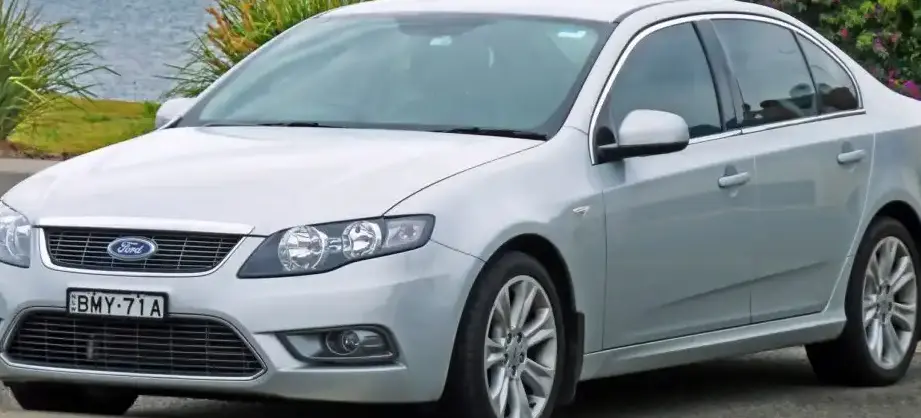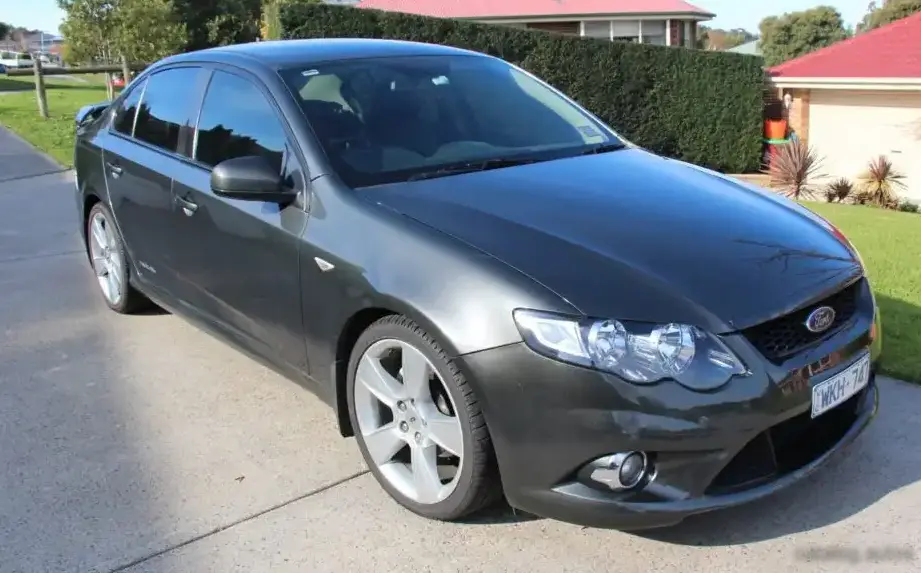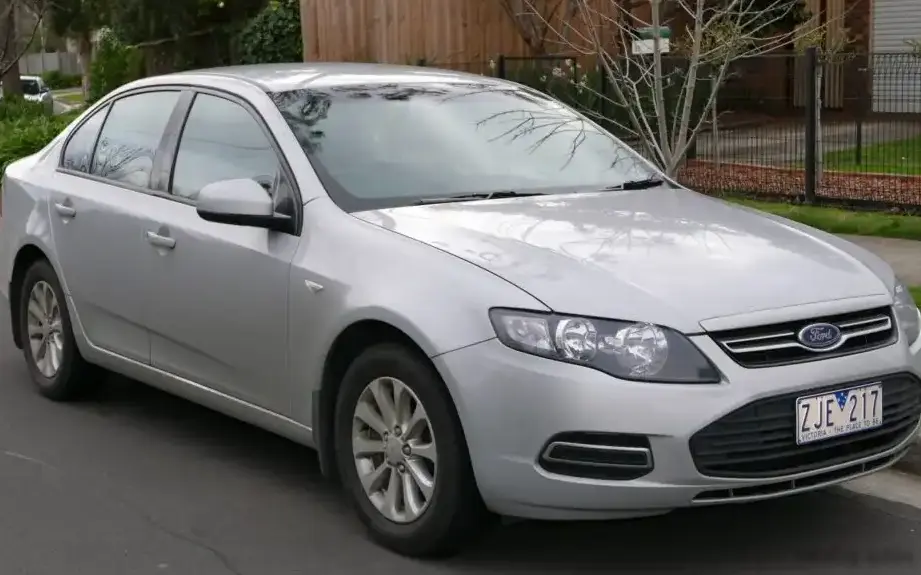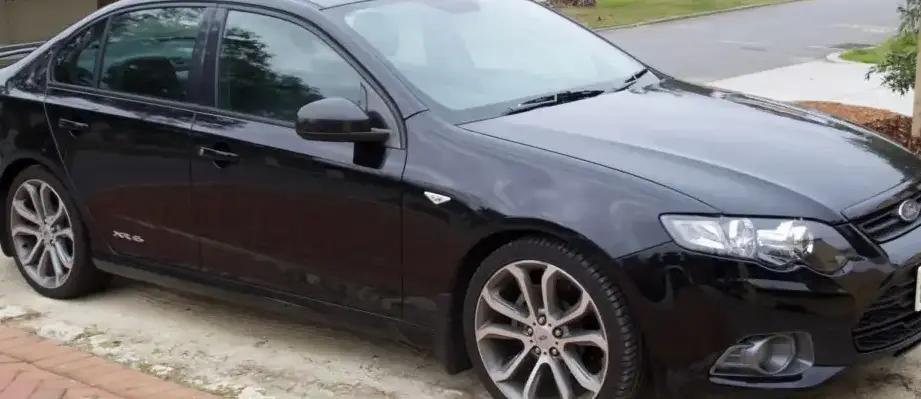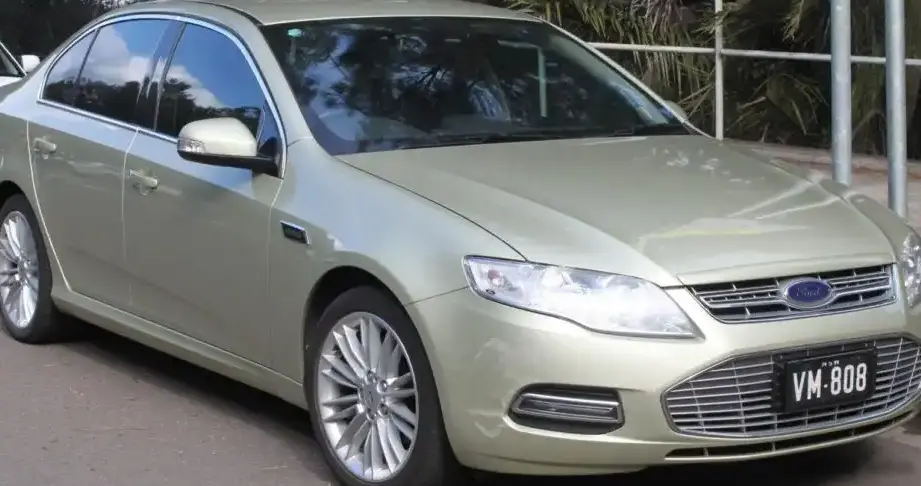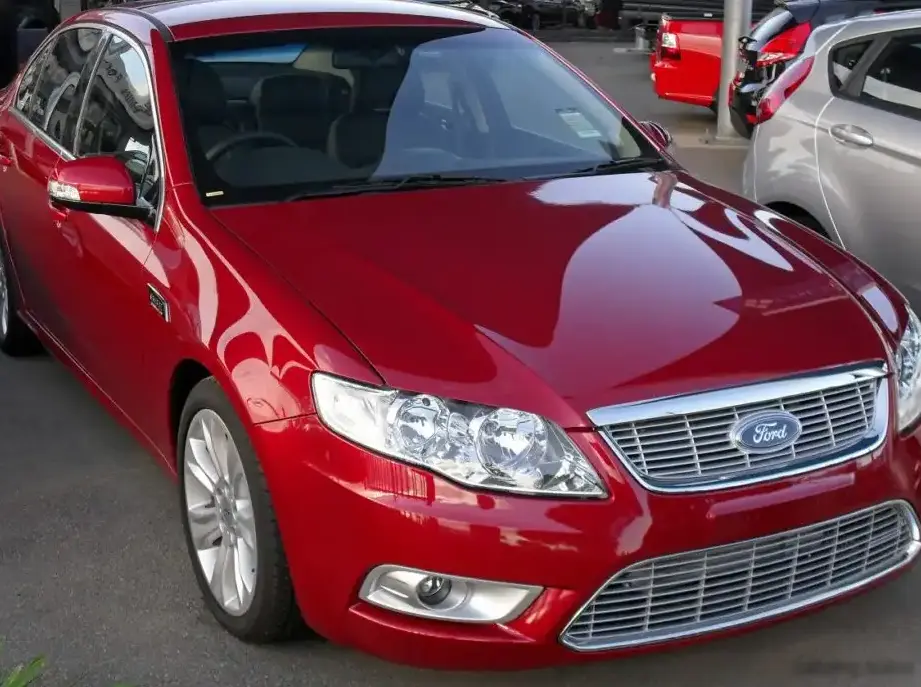
The Ford Falcon FG 4.0 DI-VCT Turbo Automatic, produced between 2008 and 2011, represented a high-performance variant within the broader FG Falcon range. Positioned as a near-premium offering, it slotted above the naturally aspirated 4.0-liter and 3.6-liter models, but below the limited-production, even more potent XR8 models. This variant was exclusively available as a four-door sedan and aimed to deliver a blend of performance, refinement, and practicality for the Australian market, where the Falcon held a significant cultural and automotive presence. The FG series itself was a major update to the BA/BF Falcon platform, introducing significant styling revisions, improved interior quality, and updated technology.
Technical Specifications
| Brand | Ford |
| Model | Falcon |
| Generation | Falcon (FG) |
| Type | 4.0 DI-VCT Turbo (367 Hp) Automatic |
| Start of production | 2008 |
| End of production | 2011 |
| Powertrain Architecture | Internal Combustion engine |
| Body type | Sedan |
| Seats | 5 |
| Doors | 4 |
| Fuel consumption (urban) | 16.9 l/100 km (13.9 US mpg, 16.7 UK mpg, 5.9 km/l) |
| Fuel consumption (extra urban) | 8.8 l/100 km (26.7 US mpg, 32.1 UK mpg, 11.4 km/l) |
| Fuel consumption (combined) | 11.7 l/100 km (20.1 US mpg, 24.1 UK mpg, 8.5 km/l) |
| Fuel Type | Petrol (Gasoline) |
| Power | 367 Hp @ 5250 rpm |
| Power per litre | 92.1 Hp/l |
| Torque | 533 Nm @ 2000-4750 rpm (393.12 lb.-ft. @ 2000-4750 rpm) |
| Engine layout | Front, Longitudinal |
| Engine Model/Code | Barra 270T |
| Engine displacement | 3984 cm3 (243.12 cu. in.) |
| Number of cylinders | 6 |
| Engine configuration | Inline |
| Cylinder Bore | 92.26 mm (3.63 in.) |
| Piston Stroke | 99.31 mm (3.91 in.) |
| Compression ratio | 8.8:1 |
| Number of valves per cylinder | 4 |
| Fuel injection system | Multi-port manifold injection |
| Engine aspiration | Turbocharger, Intercooler |
| Valvetrain | DOHC |
| Trunk (boot) space (minimum) | 535 l (18.89 cu. ft.) |
| Fuel tank capacity | 68 l (17.96 US gal, 14.96 UK gal) |
| Permitted trailer load with brakes (12%) | 2300 kg (5070.63 lbs.) |
| Length | 4970 mm (195.67 in.) |
| Width | 1868 mm (73.54 in.) |
| Width including mirrors | 2100 mm (82.68 in.) |
| Height | 1433 mm (56.42 in.) |
| Wheelbase | 2838 mm (111.73 in.) |
| Front track | 1583 mm (62.32 in.) |
| Rear track | 1598 mm (62.91 in.) |
| Front overhang | 954 mm (37.56 in.) |
| Rear overhang | 1179 mm (46.42 in.) |
| Minimum turning circle | 11 m (36.09 ft.) |
| Drivetrain Architecture | Rear wheel drive |
| Number of gears and type of gearbox | 6 gears, automatic transmission |
| Front suspension | Double wishbone |
| Rear suspension | Independent multi-link suspension |
| Front brakes | Ventilated discs |
| Rear brakes | Disc |
| Assisting systems | ABS (Anti-lock braking system) |
| Steering type | Steering rack and pinion |
| Power steering | Hydraulic Steering |
| Tires size | 245/45 R17; 245/40 R18; 245/35 R19 |
| Wheel rims size | 8J x 17; 8J x 18; 8J x 19 |
Introduction
The Ford Falcon FG 4.0 DI-VCT Turbo Automatic was a performance-oriented sedan produced by Ford Australia between 2008 and 2011. It represented a significant step up in power and refinement compared to the standard Falcon models, utilizing a turbocharged version of Ford’s Barra inline-six engine. The FG series Falcon was a crucial model for Ford in Australia, aiming to maintain its market share against rivals like Holden. This particular variant was designed to appeal to buyers seeking a blend of performance and everyday usability, offering a more engaging driving experience than the base models without the outright track focus of the XR8.
Powertrain & Engine Architecture
At the heart of the FG 4.0 Turbo was the Barra 270T engine, a 4.0-liter inline-six cylinder powerplant. This engine was a heavily modified version of the naturally aspirated Barra engine, featuring a single turbocharger with an intercooler to boost power output to 367 horsepower and 533 Nm (393 lb-ft) of torque. The engine employed multi-port fuel injection and a double overhead camshaft (DOHC) valvetrain with four valves per cylinder. The turbocharger provided significant low-end torque, making the car responsive in everyday driving situations. The engine’s compression ratio was set at 8.8:1. Paired with the engine was a six-speed automatic transmission, specifically tuned to handle the increased power and torque. This transmission offered smooth shifts and contributed to the car’s overall refinement.
Driving Characteristics
The 4.0 DI-VCT Turbo Automatic Falcon delivered a noticeably different driving experience compared to its naturally aspirated siblings. The turbocharger provided a substantial boost in acceleration, particularly in the mid-range, making overtaking and merging onto highways effortless. While not as raw or visceral as a manual transmission, the six-speed automatic was well-matched to the engine, providing smooth and relatively quick gear changes. The rear-wheel-drive configuration contributed to a balanced feel, although the car’s weight (approximately 3968 – 4189 lbs) was noticeable during spirited cornering. Compared to the higher-output XR8, the 4.0 Turbo offered a more accessible power delivery, making it easier to manage for everyday driving. The automatic transmission, while convenient, did result in a slight loss of efficiency compared to the available manual transmission.
Equipment & Trim Levels
The FG 4.0 Turbo Automatic typically came well-equipped, although specific features varied depending on optional packages. Standard equipment generally included air conditioning, power windows and mirrors, a multi-function steering wheel, and a basic audio system. Higher trim levels added features such as leather upholstery, a premium sound system, automatic headlights and rain-sensing wipers, and parking sensors. Interior trim was generally focused on comfort and practicality, with durable materials and a functional layout. Optional extras included a sunroof, satellite navigation, and upgraded alloy wheels.
Chassis & Braking
The Falcon FG utilized a robust chassis with double wishbone front suspension and an independent multi-link rear suspension. This suspension setup provided a good balance between ride comfort and handling. The 4.0 Turbo variant typically featured slightly stiffer springs and dampers compared to the base models to better manage the increased power. Braking duties were handled by ventilated disc brakes at the front and solid disc brakes at the rear. Anti-lock Braking System (ABS) was standard. The car’s steering was a hydraulic rack and pinion system, providing a reasonably direct and responsive feel.
Market Reception & Comparison
The Ford Falcon FG 4.0 DI-VCT Turbo Automatic was generally well-received by Australian automotive critics. It was praised for its strong performance, refined ride, and relatively good fuel economy for a vehicle of its size and power. Compared to the naturally aspirated Falcon models, the 4.0 Turbo offered a significant performance upgrade. However, it was often seen as a compromise between the more affordable base models and the more focused XR8. Fuel economy, while respectable for a turbocharged six-cylinder, was still relatively high at around 20.1 US mpg. Reliability was generally good, although some owners reported minor issues with the turbocharger and fuel system.
Legacy
The Ford Falcon FG 4.0 DI-VCT Turbo Automatic holds a significant place in Australian automotive history as one of the last high-performance Falcons produced before the end of Australian manufacturing in 2016. The Barra 270T engine has become a popular choice for engine swaps and modifications due to its robust construction and potential for increased power. Today, well-maintained examples of the FG 4.0 Turbo are sought after by enthusiasts and collectors. The powertrain, while not without its quirks, has proven to be relatively durable, and parts availability remains reasonable. The car represents a unique blend of Australian automotive engineering and performance, and continues to be appreciated by those who remember the era of locally produced Falcons.