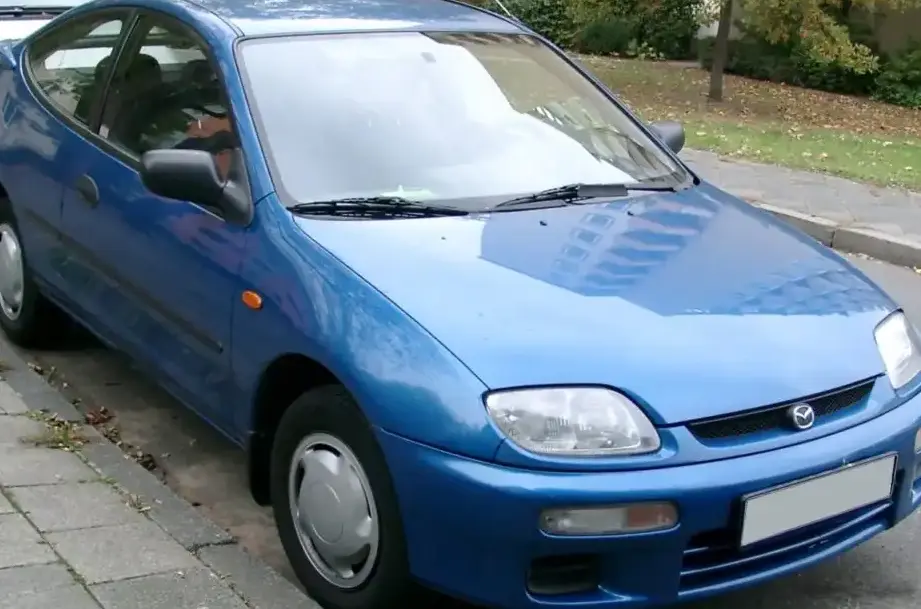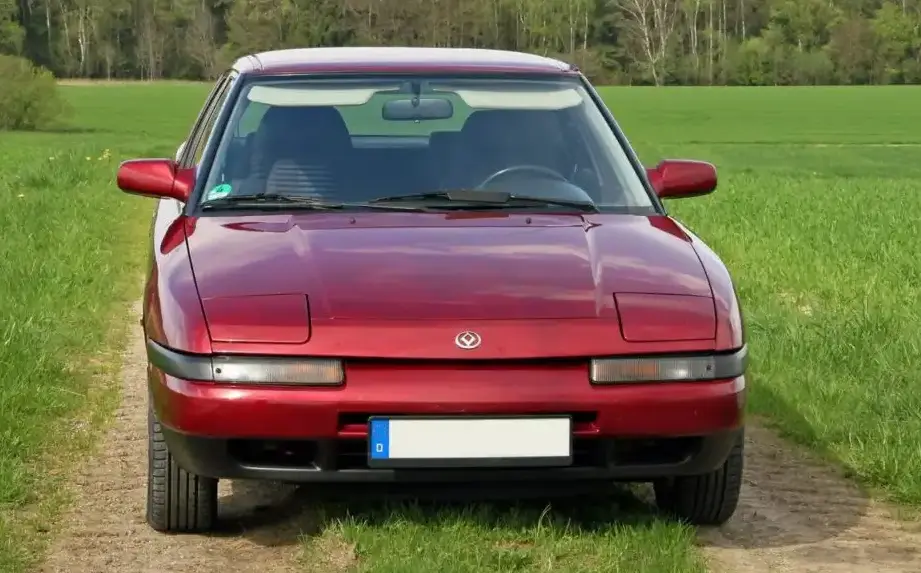
The Mazda 323 F IV (BG) 1.8 16V GT, produced between 1989 and 1994, represented a significant step forward for Mazda’s compact offering. Positioned as a sporty, upper-mid-range trim within the BG generation 323 lineup, the 1.8 16V GT aimed to deliver a more engaging driving experience than the base models while remaining accessible. This variant was primarily marketed in Europe and Japan, where compact, fuel-efficient, yet reasonably powerful hatchbacks were highly sought after. It slotted above the 1.6L variants and below any potential limited-edition or performance-focused models, offering a balance of practicality and performance. The BG series itself was a crucial model for Mazda, building on the success of its predecessors and establishing a reputation for reliability and affordability.
Technical Specifications
| Brand | Mazda |
| Model | 323 |
| Generation | 323 F IV (BG) |
| Type | 1.8 16V GT (128 Hp) |
| Start of production | 1989 |
| End of production | 1994 |
| Powertrain Architecture | Internal Combustion engine |
| Body type | Hatchback |
| Seats | 5 |
| Doors | 5 |
| Fuel consumption (urban) | 12 l/100 km (19.6 US mpg) |
| Fuel Type | Petrol (Gasoline) |
| Acceleration 0 – 100 km/h | 9.2 sec |
| Acceleration 0 – 62 mph | 9.2 sec |
| Acceleration 0 – 60 mph | 8.7 sec |
| Maximum speed | 210 km/h (130.49 mph) |
| Weight-to-power ratio | 8.8 kg/Hp |
| Weight-to-torque ratio | 7.4 kg/Nm |
| Power | 128 Hp @ 6500 rpm |
| Power per litre | 69.6 Hp/l |
| Torque | 152 Nm @ 5000 rpm (112.11 lb.-ft. @ 5000 rpm) |
| Engine layout | Front, Transverse |
| Engine Model/Code | BP |
| Engine displacement | 1840 cm3 (112.28 cu. in.) |
| Number of cylinders | 4 |
| Engine configuration | Inline |
| Cylinder Bore | 83 mm (3.27 in.) |
| Piston Stroke | 85 mm (3.35 in.) |
| Compression ratio | 9:1 |
| Number of valves per cylinder | 4 |
| Fuel injection system | Multi-port manifold injection |
| Engine aspiration | Naturally aspirated engine |
| Valvetrain | DOHC |
| Kerb Weight | 1120 kg (2469.18 lbs.) |
| Max. weight | 1560 kg (3439.21 lbs.) |
| Max load | 440 kg (970.03 lbs.) |
| Fuel tank capacity | 55 l (14.53 US gal | 12.1 UK gal) |
| Length | 4260 mm (167.72 in.) |
| Width | 1680 mm (66.14 in.) |
| Height | 1340 mm (52.76 in.) |
| Wheelbase | 2500 mm (98.43 in.) |
| Front track | 1430 mm (56.3 in.) |
| Rear track | 1435 mm (56.5 in.) |
| Minimum turning circle | 9.8 m (32.15 ft.) |
| Drivetrain Architecture | Front wheel drive |
| Drive wheel | Front wheel drive |
| Number of gears | 5 gears, manual transmission |
| Front suspension | Independent type McPherson |
| Front brakes | Ventilated discs |
| Rear brakes | Disc |
| Assisting systems | ABS (Anti-lock braking system) |
| Power steering | Hydraulic Steering |
| Tires size | 185/60 R14 |
| Wheel rims size | 14 |
Powertrain & Engine Architecture
The heart of the 323 F IV 1.8 16V GT is the BP engine, a 1.8-liter inline-four cylinder gasoline engine. This engine featured a double overhead camshaft (DOHC) valvetrain operating 16 valves (four per cylinder), contributing to its relatively high output for its displacement. The BP engine utilized multi-port fuel injection, a common technology at the time, ensuring precise fuel delivery for improved efficiency and performance. The 9:1 compression ratio was a compromise between performance and the fuel quality available in various markets. The engine’s transverse mounting and front-wheel-drive configuration were typical for compact European and Japanese cars of the era. The five-speed manual transmission was the standard offering, providing drivers with direct control over the engine’s power. The BP engine was known for its relative durability and ease of maintenance, making it a popular choice for both factory builds and aftermarket modifications.
Driving Characteristics
The 1.8 16V GT offered a noticeable step up in performance compared to the lower-displacement 323 models. The 128 horsepower and 152 Nm (112 lb-ft) of torque provided brisk acceleration, with a 0-60 mph time of around 8.7 seconds. While not a sports car, the 1.8L engine felt responsive and willing to rev, making it enjoyable to drive in everyday situations. The five-speed manual transmission allowed drivers to keep the engine in its optimal power band. Compared to the 1.6L versions, the 1.8 GT felt significantly more capable on inclines and during overtaking maneuvers. The suspension, while tuned for comfort, provided adequate handling, although body roll was noticeable in hard corners. The steering was light and precise, making the car easy to maneuver in urban environments.
Equipment & Trim Levels
The “GT” designation indicated a higher level of equipment compared to the base 323 models. Standard features typically included power steering, alloy wheels, a more comprehensive instrument cluster, and upgraded interior trim. Interior upholstery was often a combination of cloth and vinyl, with a focus on durability and comfort. Optional extras could include air conditioning, a sunroof, and a higher-quality audio system. The dashboard layout was functional and driver-focused, with clearly labeled controls. The GT trim also often featured body-colored bumpers and side moldings, enhancing its visual appeal.
Chassis & Braking
The 323 F IV utilized a McPherson strut independent suspension system at the front, providing a good balance of ride comfort and handling. The rear suspension employed a torsion beam setup, which was a cost-effective solution for compact cars. Braking duties were handled by ventilated discs at the front and solid discs at the rear, providing adequate stopping power for the vehicle’s weight and performance. Anti-lock braking system (ABS) was often included as standard equipment on the GT trim, enhancing safety. The chassis was relatively lightweight, contributing to the car’s nimble handling characteristics.
Market Reception & Comparison
The Mazda 323 F IV 1.8 16V GT was generally well-received by automotive critics. It was praised for its responsive engine, comfortable ride, and relatively spacious interior. Compared to rivals like the Volkswagen Golf, Ford Escort, and Opel Astra, the 323 offered a compelling combination of value and performance. Fuel economy was respectable for the time, averaging around 19.6 US mpg in urban driving. Reliability was also a strong point, with the BP engine proving to be durable and relatively trouble-free. Some critics noted that the interior trim wasn’t as refined as some of its competitors, but this was often offset by the car’s lower price point.
Legacy
The Mazda 323 F IV 1.8 16V GT has maintained a reasonable reputation for reliability in the used car market. The BP engine is known for its longevity, and parts availability remains good. While not a collector’s item, well-maintained examples are still sought after by enthusiasts who appreciate their blend of practicality, performance, and affordability. The BG generation 323 played a significant role in establishing Mazda as a respected manufacturer of compact cars, and the 1.8 16V GT variant remains a testament to the brand’s commitment to delivering engaging driving experiences.