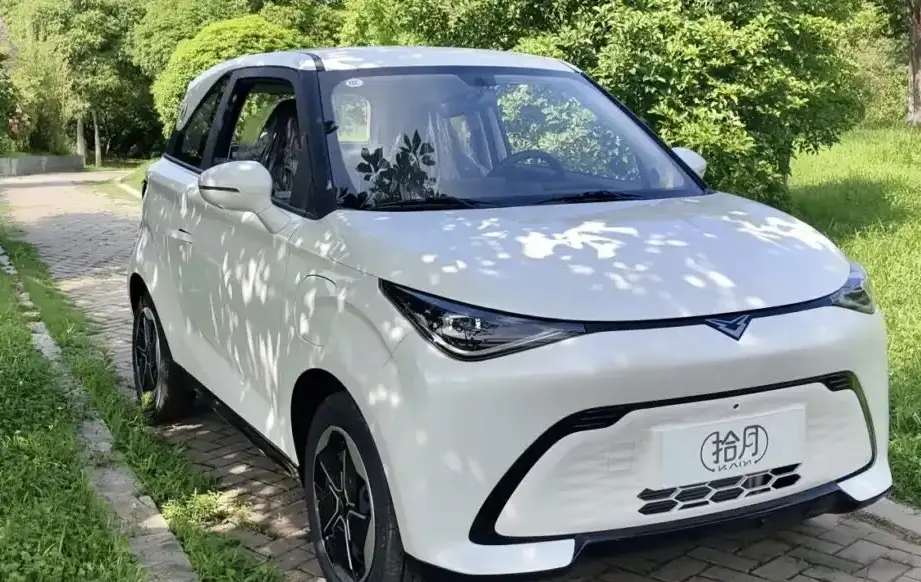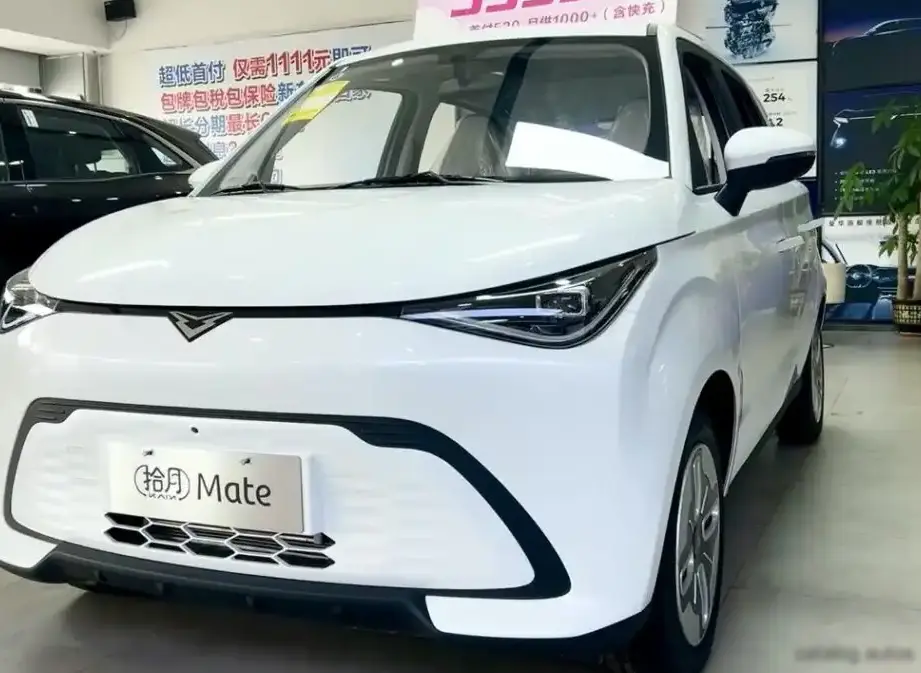
The Kaiyi Shiyue Mate 28.5 kWh (54 hp) Electric is a battery electric vehicle (BEV) hatchback introduced in April 2024 by the Chinese automaker Kaiyi. Positioned as an entry-level offering within the Shiyue model range, the Mate variant focuses on providing affordable electric mobility for urban environments. It represents Kaiyi’s initial foray into the compact EV segment, targeting consumers seeking a practical and economical electric vehicle. The Shiyue Mate is built on a dedicated EV platform and is primarily intended for the Chinese domestic market, though export plans may be considered in the future.
Technical Specifications
| Brand | Kaiyi |
| Model | Shiyue |
| Generation | Shiyue Mate |
| Type (Engine) | 28.5 kWh (54 Hp) Electric |
| Start of production | April, 2024 |
| Powertrain Architecture | BEV (Electric Vehicle) |
| Body type | Hatchback |
| Seats | 5 |
| Doors | 5 |
| Fuel Type | Electricity |
| Maximum speed | 100 km/h (62.14 mph) |
| Weight-to-power ratio | 20.6 kg/Hp, 48.4 Hp/tonne |
| Weight-to-torque ratio | 10.1 kg/Nm, 98.7 Nm/tonne |
| Gross battery capacity | 28.5 kWh |
| Battery technology | Lithium iron phosphate (LiFePO4) |
| Battery location | Below the floor |
| All-electric range (CLTC) | 305 km (189.52 mi) |
| Electric motor | 1 |
| Electric motor power | 54 Hp |
| Electric motor Torque | 110 Nm (81.13 lb.-ft.) |
| Electric motor model/code | 2103BA2 |
| Electric motor location | Front axle, Transverse |
| Electric motor type | Synchronous |
| System power | 54 Hp |
| System torque | 110 Nm (81.13 lb.-ft.) |
| Kerb Weight | 1115 kg (2458.15 lbs.) |
| Max. weight | 1490 kg (3284.89 lbs.) |
| Max load | 375 kg (826.73 lbs.) |
| Trunk (boot) space – minimum | 237 l (8.37 cu. ft.) |
| Trunk (boot) space – maximum | 730 l (25.78 cu. ft.) |
| Length | 3720 mm (146.46 in.) |
| Width | 1700 mm (66.93 in.) |
| Height | 1608 mm (63.31 in.) |
| Wheelbase | 2520 mm (99.21 in.) |
| Front track | 1460 mm (57.48 in.) |
| Rear (Back) track | 1456 mm (57.32 in.) |
| Minimum turning circle (turning diameter) | 10.4 m (34.12 ft.) |
| Approach angle | 21° |
| Departure angle | 26° |
| Drivetrain Architecture | One electric motor drives the front wheels. |
| Drive wheel | Front wheel drive |
| Number of gears and type of gearbox | 1 gears, automatic transmission |
| Front suspension | Independent type McPherson |
| Rear suspension | Torsion |
| Front brakes | Disc |
| Rear brakes | Disc |
| Assisting systems | ABS (Anti-lock braking system) |
| Steering type | Steering rack and pinion |
| Power steering | Electric Steering |
| Tires size | 165/65 R15 |
| Wheel rims size | 15 |
Powertrain & Engine Architecture
The Kaiyi Shiyue Mate utilizes a single electric motor, designated model 2103BA2, producing 54 horsepower and 110 Nm (81.13 lb.-ft.) of torque. This synchronous motor is mounted transversely on the front axle, driving the front wheels. Power is derived from a 28.5 kWh lithium iron phosphate (LiFePO4) battery pack located under the vehicle floor, contributing to a lower center of gravity. The vehicle employs a single-speed automatic transmission, typical of most BEVs, simplifying the driving experience. The battery supports standard charging protocols, though specific charging times vary depending on the charging infrastructure used. The use of LiFePO4 chemistry prioritizes thermal stability and longevity over energy density, a common trade-off in entry-level EVs.
Driving Characteristics
The Shiyue Mate’s 54 hp output and front-wheel-drive configuration result in modest, but adequate, performance for urban commuting. Acceleration is geared towards efficiency rather than speed, with a top speed limited to 100 km/h (62.14 mph). The single-speed transmission provides seamless power delivery, but lacks the gear ratios found in conventional automatic transmissions. This can result in a slightly less engaging driving experience compared to vehicles with multiple gears. The relatively low curb weight of 1115 kg (2458.15 lbs.) helps mitigate the limited power output, providing acceptable responsiveness in city traffic. The steering is electrically assisted, offering light and easy maneuverability.
Equipment & Trim Levels
As an entry-level variant, the Shiyue Mate is equipped with a standard set of features focused on practicality and affordability. Standard equipment includes air conditioning, power windows, a basic infotainment system, and ABS (Anti-lock Braking System). Interior upholstery is likely to be cloth, with a functional, rather than luxurious, dashboard layout. Optional extras may include upgraded infotainment systems with larger touchscreens, parking sensors, and a rearview camera. The trim level is designed to appeal to first-time EV buyers or those seeking a cost-effective electric vehicle for daily commutes.
Chassis & Braking
The Shiyue Mate features an independent McPherson strut suspension at the front, providing a comfortable ride quality on smooth surfaces. The rear suspension utilizes a torsion beam setup, a cost-effective solution commonly found in compact vehicles. Both front and rear brakes are disc brakes, offering adequate stopping power for the vehicle’s weight and performance. The electric steering system provides light and precise steering control. The vehicle is equipped with 15-inch wheels and tires sized 165/65 R15.
Market Reception & Comparison
The Kaiyi Shiyue Mate competes with other entry-level electric hatchbacks in the Chinese market, such as the Wuling Hongguang Mini EV and the Chery QQ Ice Cream. Compared to these rivals, the Shiyue Mate offers a slightly larger body size and a more conventional hatchback design. Its CLTC range of 305 km (189.52 mi) is competitive within its segment. Initial reviews suggest that the Shiyue Mate provides a practical and affordable electric mobility solution, but its limited power output and basic interior may not appeal to all buyers. Fuel economy, measured in kilowatt-hours per 100 kilometers, is expected to be competitive with other EVs in its class.
Legacy
The long-term reliability of the Shiyue Mate’s powertrain remains to be seen, as it is a relatively new model. However, the use of LiFePO4 battery technology suggests good battery longevity and thermal stability. The simplicity of the electric powertrain, with its single-speed transmission and limited number of moving parts, should contribute to lower maintenance costs compared to internal combustion engine vehicles. In the used car market, the Shiyue Mate is expected to appeal to budget-conscious buyers seeking an affordable and environmentally friendly transportation option. Its success will depend on its overall reliability and the availability of charging infrastructure in its target markets.