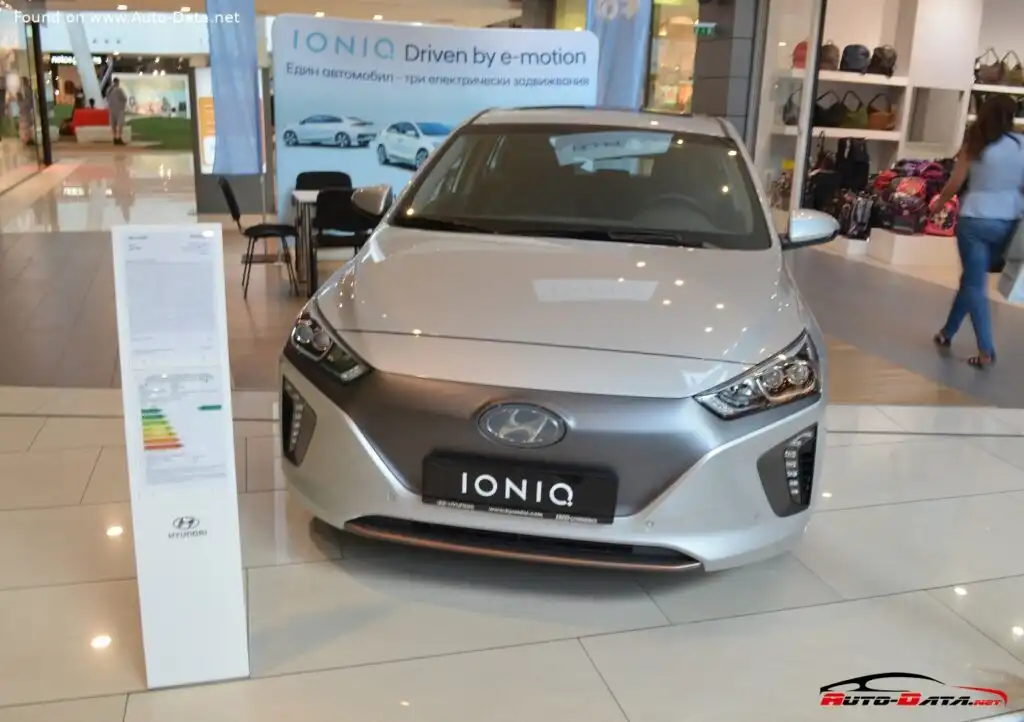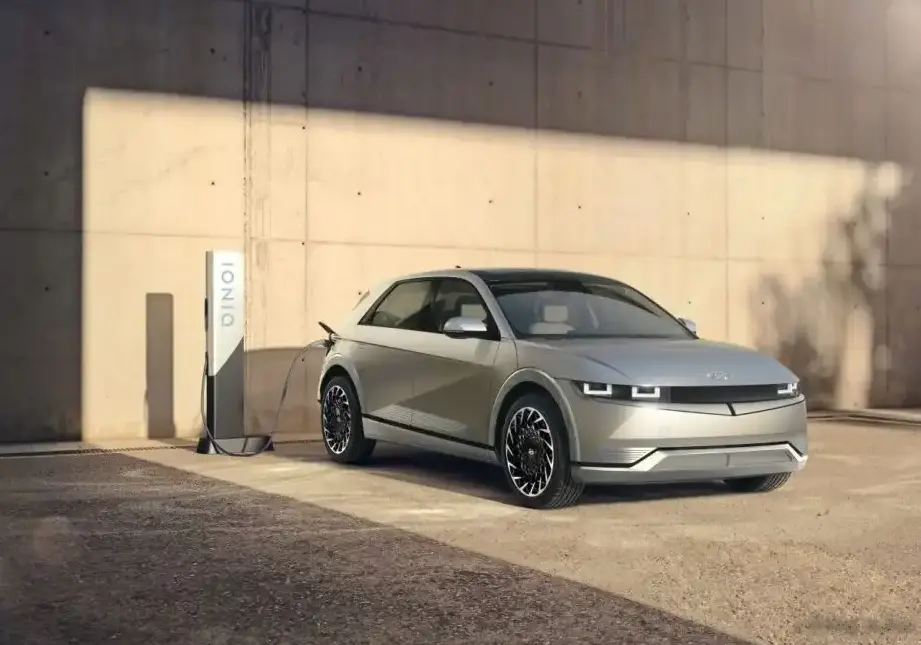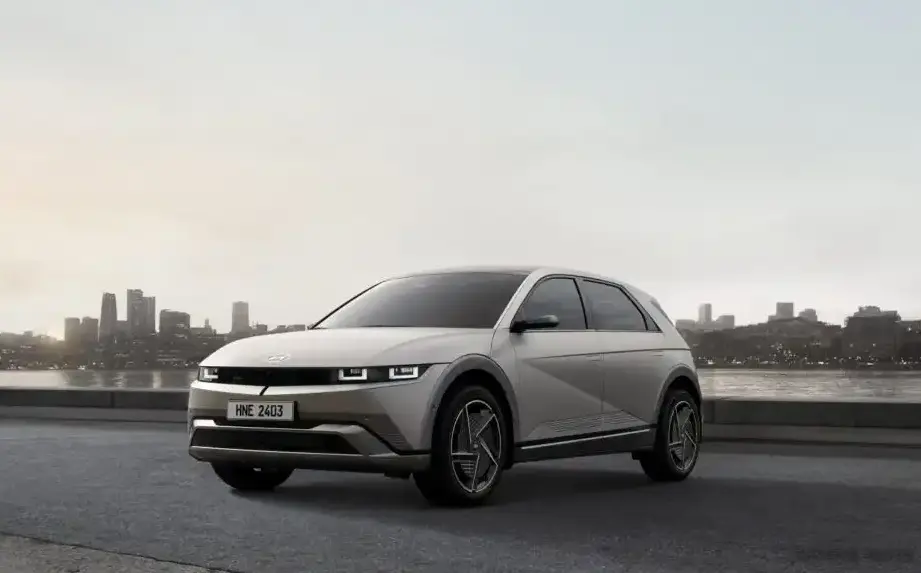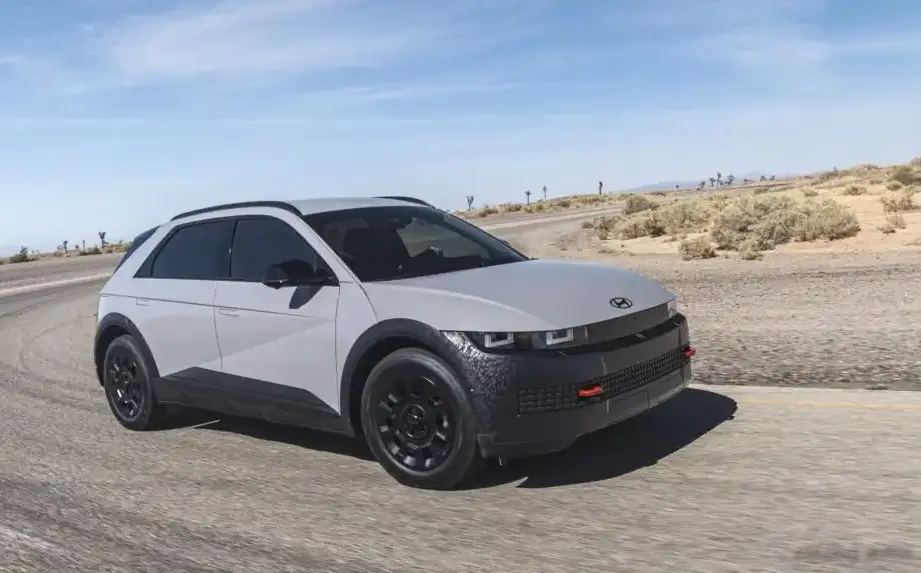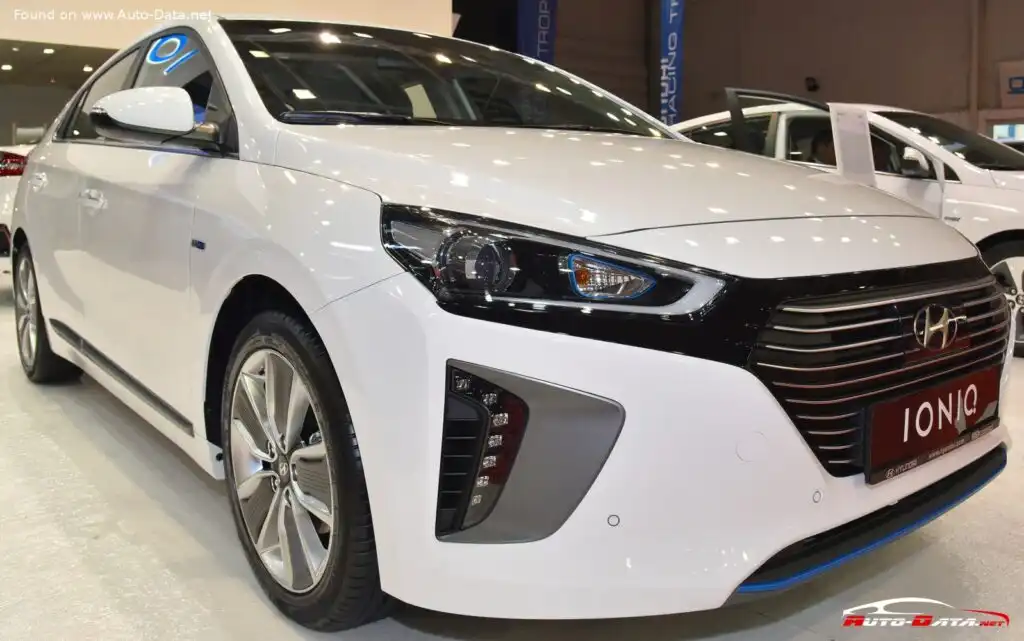
The Hyundai Ioniq 1.6 GDI Plug-in Hybrid, produced from February 2017 to 2019, represents Hyundai’s entry into the burgeoning plug-in hybrid electric vehicle (PHEV) market. Positioned as a practical and fuel-efficient alternative to traditional gasoline vehicles, the Ioniq aimed to combine the benefits of electric driving with the range and convenience of a conventional internal combustion engine. This specific 1.6 GDI (141 hp) variant, paired with a dual-clutch transmission (DCT), served as a mid-range offering within the Ioniq lineup, balancing performance, economy, and price. It was a key model in Hyundai’s strategy to offer a comprehensive range of electrified vehicles, competing with established players like the Toyota Prius Prime and other PHEV options.
Technical Specifications
| Brand | Hyundai |
| Model | IONIQ |
| Generation | IONIQ |
| Type (Engine) | 1.6 GDI (141 Hp) Plug-in Hybrid DCT |
| Start of production | February, 2017 |
| End of production | 2019 |
| Powertrain Architecture | PHEV (Plug-in Hybrid Electric Vehicle) |
| Body type | Liftback |
| Seats | 5 |
| Doors | 5 |
| Fuel consumption (combined) | 1.1 l/100 km (213.8 US mpg, 256.8 UK mpg, 90.9 km/l) |
| CO2 emissions | 26 g/km |
| Fuel Type | Petrol / electricity |
| Acceleration 0 – 100 km/h | 10.6 sec |
| Acceleration 0 – 62 mph | 10.6 sec |
| Acceleration 0 – 60 mph | 10.1 sec |
| Maximum speed | 178 km/h (110.6 mph) |
| Emission standard | Euro 6d-TEMP |
| Weight-to-power ratio | 10.7 kg/Hp, 93.7 Hp/tonne |
| Weight-to-torque ratio | 5.7 kg/Nm, 176.1 Nm/tonne |
| Gross battery capacity | 8.9 kWh |
| Battery voltage | 360 V |
| Battery technology | Lithium-polymer (LiPo) |
| Battery location | Under the rear seats |
| All-electric range | 63 km (39.15 mi) |
| Average Energy consumption | 10.3 kWh/100 km (16.58 kWh/100 mi, 203 MPGe, 9.7 km/kWh, 6 mi/kWh) |
| Max speed (electric) | 120 km/h (74.56 mph) |
| Electric motor power | 61 Hp |
| Electric motor Torque | 170 Nm (125.39 lb.-ft.) |
| Electric motor location | Between the combustion engine and the transmission |
| System power | 141 Hp |
| System torque | 265 Nm (195.45 lb.-ft.) |
| Power | 105 Hp @ 5700 rpm |
| Torque | 147 Nm @ 4000 rpm (108.42 lb.-ft. @ 4000 rpm) |
| Engine layout | Front, Transverse |
| Engine Model/Code | Smartstream / G4LE |
| Engine displacement | 1580 cm3 (96.42 cu. in.) |
| Number of cylinders | 4 |
| Engine configuration | Inline |
| Cylinder Bore | 72 mm (2.83 in.) |
| Piston Stroke | 97 mm (3.82 in.) |
| Compression ratio | 13:1 |
| Number of valves per cylinder | 4 |
| Fuel injection system | Direct injection |
| Engine aspiration | Naturally aspirated engine |
| Valvetrain | DOHC |
| Engine oil capacity | 3.8 l (4.02 US qt | 3.34 UK qt) |
| Coolant | 6.7 l (7.08 US qt | 5.9 UK qt) |
| Kerb Weight | 1505 kg (3317.96 lbs.) |
| Max. weight | 1970 kg (4343.11 lbs.) |
| Max load | 465 kg (1025.15 lbs.) |
| Trunk (boot) space – minimum | 341 l (12.04 cu. ft.) |
| Trunk (boot) space – maximum | 1401 l (49.48 cu. ft.) |
| Fuel tank capacity | 43 l (11.36 US gal | 9.46 UK gal) |
| Length | 4470 mm (175.98 in.) |
| Width | 1820 mm (71.65 in.) |
| Width including mirrors | 2060 mm (81.1 in.) |
| Height | 1450 mm (57.09 in.) |
| Wheelbase | 2700 mm (106.3 in.) |
| Front track | 1555 mm (61.22 in.) |
| Rear (Back) track | 1569 mm (61.77 in.) |
| Ride height (ground clearance) | 140 mm (5.51 in.) |
| Minimum turning circle | 10.6 m (34.78 ft.) |
| Drive wheel | Front wheel drive |
| Number of gears and type of gearbox | 6 gears, automatic transmission DCT |
| Front suspension | Independent type McPherson |
| Rear suspension | Independent multi-link suspension |
| Front brakes | Ventilated discs |
| Rear brakes | Disc |
| Assisting systems | ABS (Anti-lock braking system) |
| Steering type | Steering rack and pinion |
| Power steering | Electric Steering |
| Tires size | 205/55 R16 |
| Wheel rims size | 6.5J x 16 |
Powertrain & Engine Architecture
The Ioniq Plug-in Hybrid utilizes a sophisticated powertrain combining a 1.6-liter naturally aspirated gasoline engine (G4LE Smartstream) with an electric motor and a lithium-polymer battery pack. The gasoline engine produces 105 horsepower at 5700 rpm and 147 Nm (108.42 lb-ft) of torque at 4000 rpm. It features direct fuel injection and a double overhead camshaft (DOHC) valvetrain. The electric motor, positioned between the engine and the transmission, contributes an additional 61 horsepower and 170 Nm (125.39 lb-ft) of torque. Combined, the system delivers a total output of 141 horsepower and 265 Nm (195.45 lb-ft) of torque. The 8.9 kWh lithium-polymer battery is located under the rear seats, minimizing impact on passenger space. The powertrain is managed by a 6-speed dual-clutch transmission (DCT), offering smooth and efficient gear changes. This DCT was chosen for its responsiveness and ability to seamlessly blend power from both the engine and the electric motor.
Driving Characteristics
The Ioniq 1.6 GDI Plug-in Hybrid with the DCT offers a refined and comfortable driving experience. In pure electric mode, the vehicle provides near-silent acceleration and a range of up to 63 km (39.15 miles), sufficient for many daily commutes. When the battery is depleted or requires assistance during acceleration, the gasoline engine seamlessly kicks in, providing a combined power output that allows for a 0-60 mph time of around 10.1 seconds. Compared to the standard Ioniq Hybrid or the fully electric Ioniq Electric, this plug-in variant offers a noticeable performance boost thanks to the combined power delivery. The DCT transmission contributes to quick and precise shifts, enhancing the overall driving experience. However, it doesn’t offer the same level of outright performance as some of its competitors with larger displacement engines or more powerful electric motors.
Equipment & Trim Levels
The Ioniq 1.6 GDI Plug-in Hybrid typically came well-equipped, even in its base trim. Standard features included automatic climate control, a touchscreen infotainment system with Apple CarPlay and Android Auto compatibility, rear parking sensors, and a suite of safety features such as automatic emergency braking, lane departure warning, and adaptive cruise control. Interior upholstery was typically cloth, with options for leather upgrades. Higher trim levels added features like a larger touchscreen display, premium audio system, heated front seats, and a sunroof. The overall interior design prioritized functionality and simplicity, with a focus on user-friendly controls and a spacious cabin.
Chassis & Braking
The Ioniq Plug-in Hybrid features a front-wheel-drive layout with an independent McPherson strut suspension in the front and an independent multi-link suspension in the rear. This suspension setup provides a comfortable ride quality while maintaining good handling characteristics. The vehicle is equipped with ventilated disc brakes in the front and solid disc brakes in the rear. ABS (Anti-lock Braking System) is standard, ensuring safe and controlled braking performance. The steering is an electric power-assisted rack and pinion system, offering precise and responsive steering feel.
Market Reception & Comparison
The Hyundai Ioniq Plug-in Hybrid was generally well-received by automotive critics for its fuel efficiency, comfortable ride, and competitive pricing. It was often praised for offering a compelling alternative to the Toyota Prius Prime, with a more conventional interior design and a slightly more engaging driving experience. However, some reviewers noted that the Ioniq’s styling was somewhat conservative and that its performance wasn’t as exhilarating as some other plug-in hybrids. Fuel economy was a major selling point, with the Ioniq achieving impressive MPG figures in both electric and hybrid modes. Reliability reports have been generally positive, with few major issues reported.
Legacy
The Hyundai Ioniq Plug-in Hybrid played a significant role in establishing Hyundai as a serious contender in the electrified vehicle market. While production ended in 2019, the Ioniq continues to be a popular choice in the used car market, offering a practical and affordable way to experience the benefits of plug-in hybrid technology. The powertrain, while not without its minor quirks, has proven to be relatively reliable, and parts availability remains good. The Ioniq’s success paved the way for Hyundai’s subsequent electric vehicle offerings, including the fully electric Ioniq 5 and Ioniq 6, solidifying the brand’s commitment to a sustainable automotive future.