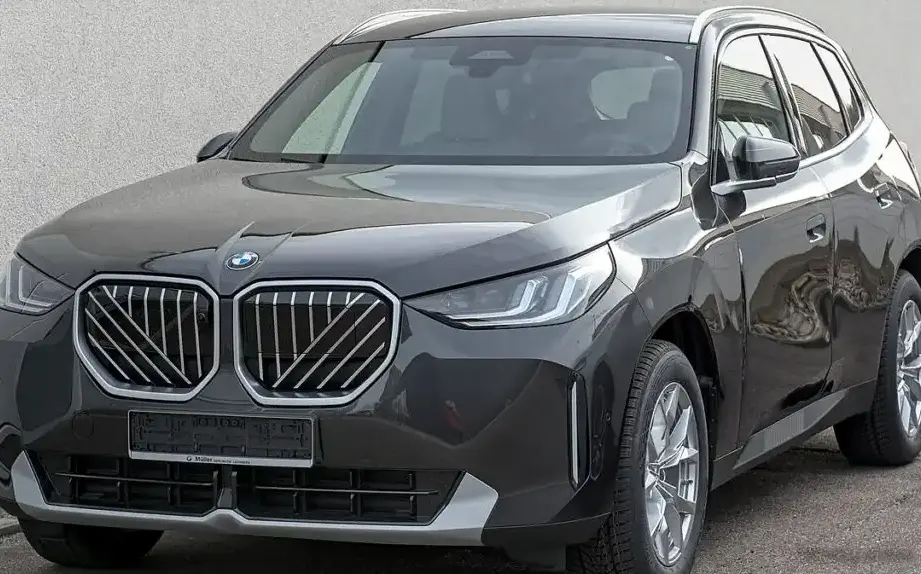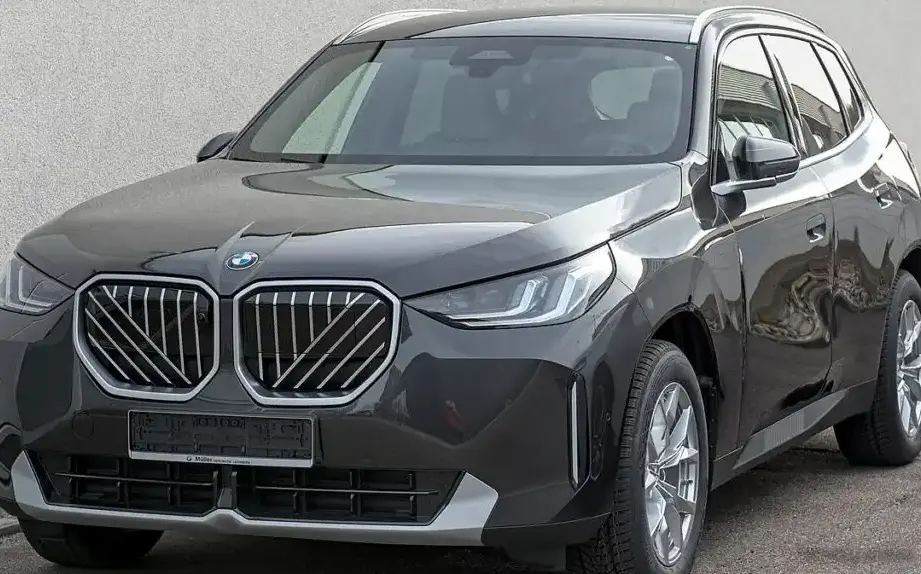
The BMW X3 (E83) 3.0i Steptronic, produced from 2003 to 2006, represented BMW’s initial foray into the burgeoning compact luxury SUV segment. Positioned as a mid-range offering within the E83 X3 lineup, it slotted between the base 2.5i and the performance-oriented 3.0d (diesel) models. This variant aimed to provide a balance of performance, comfort, and practicality for buyers seeking a versatile vehicle with the BMW driving experience. It was built on the BMW’s unified platform (ULC) shared with the E46 3 Series and E53 X5, allowing for a relatively lightweight and agile SUV for its class.
Technical Specifications
| Brand | BMW |
| Model | X3 |
| Generation | X3 (E83) |
| Type (Engine) | 3.0i (231 Hp) Steptronic |
| Start of production | 2003 |
| End of production | 2006 |
| Powertrain Architecture | Internal Combustion engine |
| Body type | SUV |
| Seats | 5 |
| Doors | 5 |
| Fuel consumption (economy) – urban | 17.4 l/100 km (13.5 US mpg, 16.2 UK mpg, 5.7 km/l) |
| Fuel consumption (economy) – extra urban | 9.1 l/100 km (25.8 US mpg, 31 UK mpg, 11 km/l) |
| Fuel consumption (economy) – combined | 12.1 l/100 km (19.4 US mpg, 23.3 UK mpg, 8.3 km/l) |
| Fuel Type | Petrol (Gasoline) |
| Acceleration 0 – 100 km/h | 8.1 sec |
| Acceleration 0 – 62 mph | 8.1 sec |
| Acceleration 0 – 60 mph | 7.7 sec |
| Maximum speed | 221 km/h (137.32 mph) |
| Emission standard | Euro 4 |
| Weight-to-power ratio | 7.7 kg/Hp, 130.5 Hp/tonne |
| Weight-to-torque ratio | 5.9 kg/Nm, 169.5 Nm/tonne |
| Power | 231 Hp @ 5900 rpm |
| Power per litre | 77.5 Hp/l |
| Torque | 300 Nm @ 3500 rpm (221.27 lb.-ft. @ 3500 rpm) |
| Engine layout | Front, Longitudinal |
| Engine Model/Code | M54B30 |
| Engine displacement | 2979 cm3 (181.79 cu. in.) |
| Number of cylinders | 6 |
| Engine configuration | Inline |
| Cylinder Bore | 84 mm (3.31 in.) |
| Piston Stroke | 89.6 mm (3.53 in.) |
| Compression ratio | 10.2:1 |
| Number of valves per cylinder | 4 |
| Fuel injection system | Multi-port manifold injection |
| Engine aspiration | Naturally aspirated engine |
| Engine oil capacity | 6.2 l (6.55 US qt | 5.46 UK qt) |
| Coolant | 10.5 l (11.1 US qt | 9.24 UK qt) |
| Kerb Weight | 1770 kg (3902.18 lbs.) |
| Max. weight | 2280 kg (5026.54 lbs.) |
| Max load | 510 kg (1124.36 lbs.) |
| Trunk (boot) space – minimum | 500 l (17.66 cu. ft.) |
| Trunk (boot) space – maximum | 1560 l (55.09 cu. ft.) |
| Fuel tank capacity | 67 l (17.7 US gal | 14.74 UK gal) |
| Length | 4569 mm (179.88 in.) |
| Width | 1853 mm (72.95 in.) |
| Height | 1674 mm (65.91 in.) |
| Wheelbase | 2795 mm (110.04 in.) |
| Front track | 1524 mm (60 in.) |
| Rear (Back) track | 1542 mm (60.71 in.) |
| Ride height (ground clearance) | 200 mm (7.87 in.) |
| Drive wheel | All wheel drive (4×4) |
| Number of gears and type of gearbox | 5 gears, automatic transmission |
| Front suspension | Coil spring |
| Rear suspension | Coil spring |
| Front brakes | Disc |
| Rear brakes | Disc |
| Assisting systems | ABS (Anti-lock braking system) |
| Steering type | Steering rack and pinion |
| Power steering | Hydraulic Steering |
| Tires size | 235/55 R17 |
| Wheel rims size | 8.0J X 17 |
Powertrain & Engine Architecture
The heart of the X3 3.0i Steptronic is the M54B30, a 3.0-liter inline-six cylinder engine. This engine, a descendant of BMW’s long-respected M50 and M52 series, is known for its smooth power delivery and robust construction. It features double overhead camshafts (DOHC), four valves per cylinder, and a cast iron block with an aluminum cylinder head. Fuel delivery is managed by a multi-port fuel injection system, providing precise fuel metering for optimal combustion. The M54B30 produces 231 horsepower at 5900 rpm and 300 Nm (221 lb-ft) of torque at 3500 rpm. The “Steptronic” designation refers to BMW’s 5-speed automatic transmission, which offered both fully automatic operation and a manual shift mode for greater driver control. This transmission was designed to provide smooth and responsive gear changes, complementing the engine’s characteristics.
Driving Characteristics
The X3 3.0i Steptronic offered a noticeably more engaging driving experience than the base 2.5i model. The increased horsepower and torque provided brisk acceleration, with 0-60 mph times around 7.7 seconds. While not a sports car, the X3 3.0i felt confident and capable on the road. The automatic transmission, while smooth, wasn’t as quick-shifting as some competitors, and the manual shift mode didn’t offer the same level of control as a dedicated manual gearbox. The all-wheel-drive system (xDrive in BMW terminology) provided excellent traction in various weather conditions, enhancing stability and handling. The gear ratios were tuned for a balance of acceleration and fuel economy, prioritizing usability over outright performance.
Equipment & Trim Levels
The X3 3.0i Steptronic came standard with a respectable array of features, including automatic climate control, power windows and locks, a CD stereo system, and alloy wheels. Leatherette upholstery was standard, with optional full leather available. Common options included a sunroof, heated front seats, a premium sound system, and navigation. The interior design was typical BMW, emphasizing functionality and a driver-focused layout. The dashboard featured clear instrumentation and logically placed controls. The 3.0i trim generally included more premium touches than the 2.5i, such as upgraded interior trim and additional sound insulation.
Chassis & Braking
The X3 E83 utilized a MacPherson strut front suspension and a multi-link rear suspension, providing a comfortable ride and good handling characteristics. Stabilizer bars were fitted front and rear to reduce body roll during cornering. The 3.0i model typically featured slightly stiffer springs and dampers compared to the 2.5i, enhancing its handling precision. Braking duties were handled by disc brakes on all four wheels, with ABS (Anti-lock Braking System) standard. The braking system provided adequate stopping power for the vehicle’s weight and performance.
Market Reception & Comparison
The X3 3.0i Steptronic was generally well-received by automotive critics. It was praised for its refined engine, comfortable ride, and capable handling. However, some reviewers noted that the automatic transmission could feel a bit sluggish, and the fuel economy wasn’t particularly impressive for its class. Compared to the 2.5i, the 3.0i offered a significant performance upgrade, making it a more appealing choice for drivers who prioritized driving enjoyment. Compared to the 3.0d diesel, the 3.0i offered a different driving experience, with a higher-revving engine and a more traditional gasoline engine sound. The diesel offered superior fuel economy and low-end torque, making it a popular choice in Europe.
Legacy
The M54B30 engine, found in the X3 3.0i, is known for its reliability when properly maintained. Common issues include oil leaks from the valve cover gasket and thermostat housing, and occasional problems with the cooling system. The 5-speed automatic transmission is generally durable, but regular fluid changes are essential to prevent premature wear. Today, the E83 X3 3.0i Steptronic represents an affordable entry point into BMW ownership. Well-maintained examples are still relatively common on the used car market, and they offer a compelling combination of practicality, performance, and BMW brand prestige. Its robust engine and relatively simple mechanicals make it a viable option for enthusiasts seeking a reliable and enjoyable SUV.