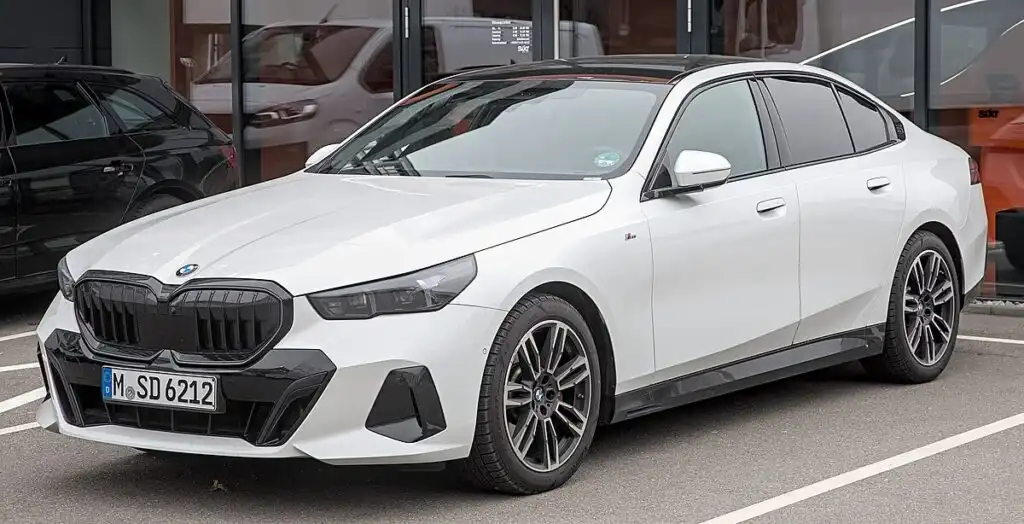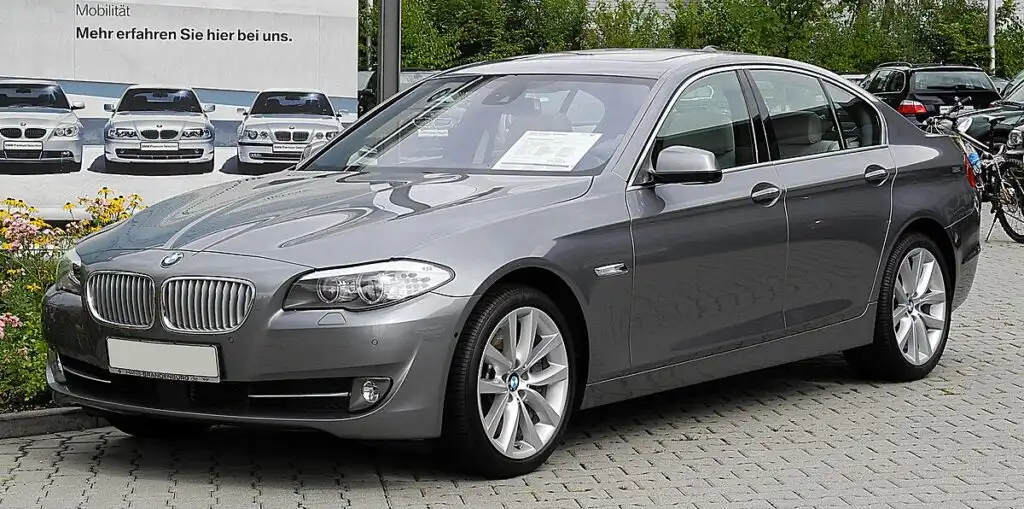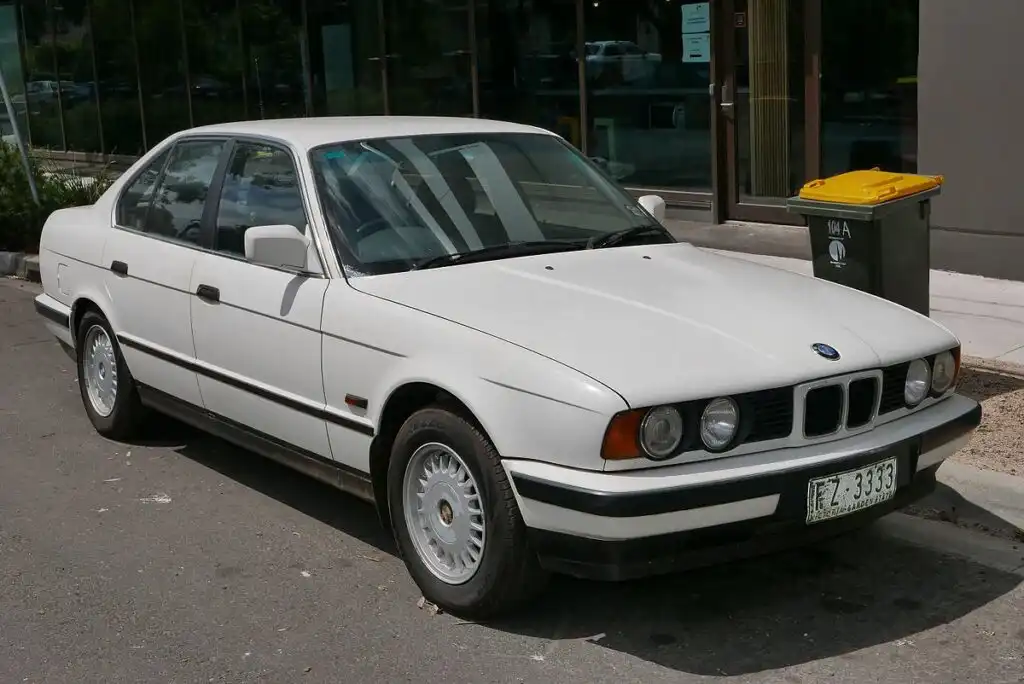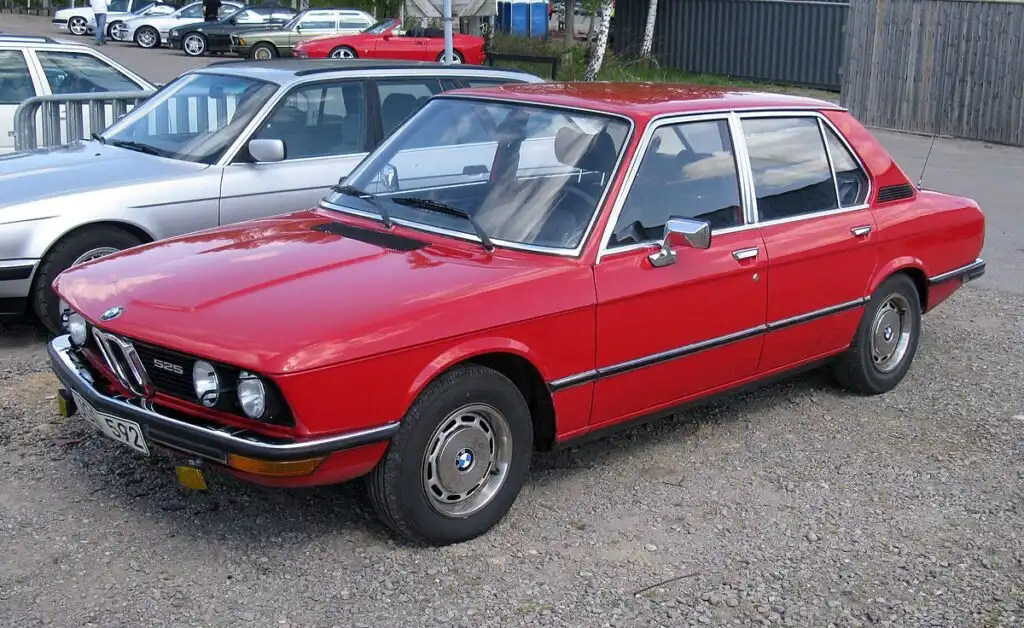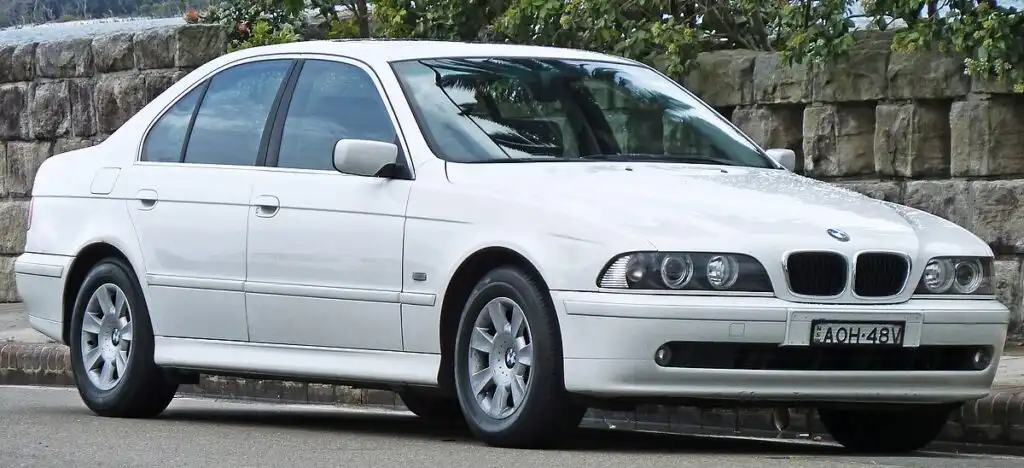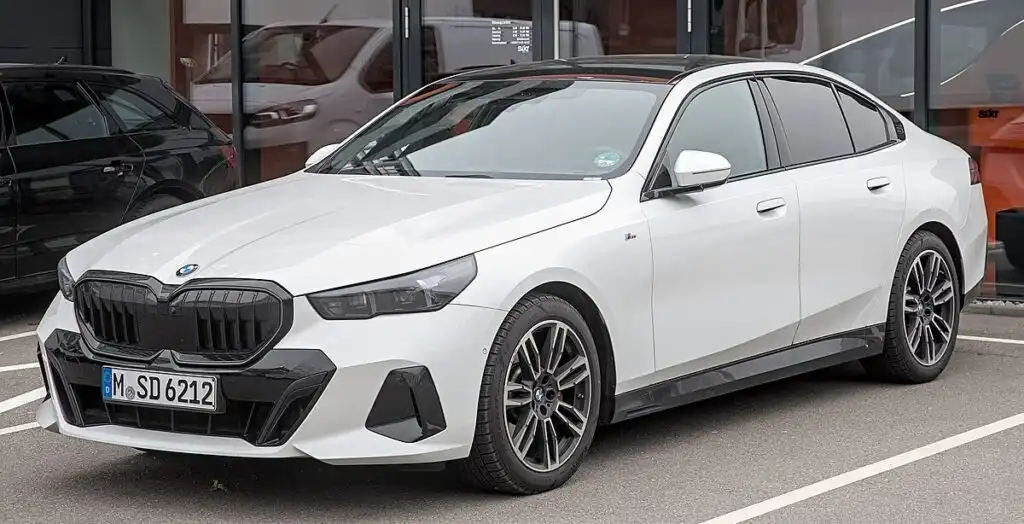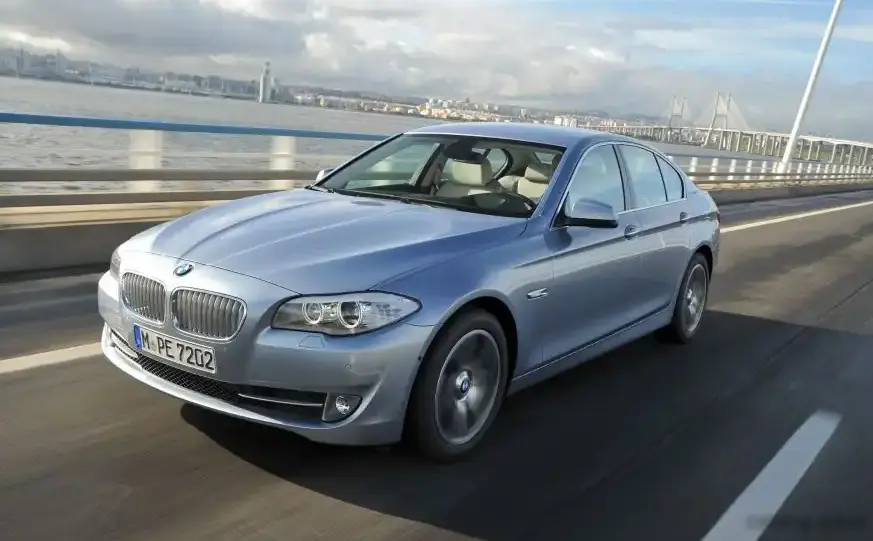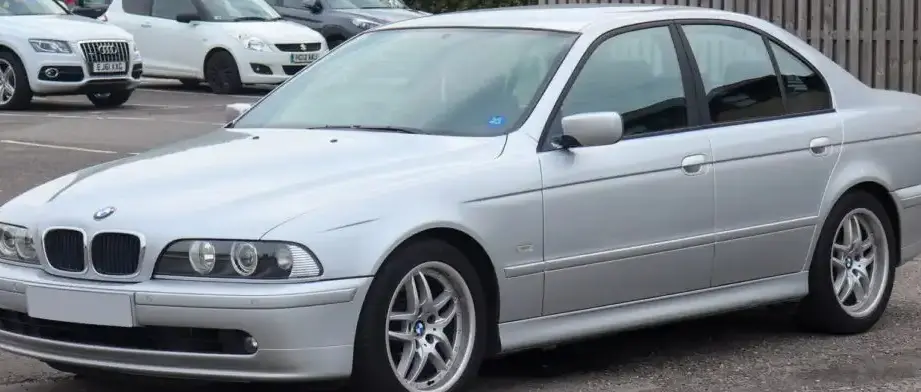
The BMW 540i, specifically the variant produced from 2000 to 2004 as part of the E39 facelift, represented the performance pinnacle of the fifth-generation 5 Series. Positioned as the flagship model, it offered a substantial step up in power and refinement compared to the 528i and 530i. This iteration of the 540i was exclusively offered with a naturally aspirated 4.4-liter V8 engine, and while a six-speed manual was available, the five-speed automatic transmission was a popular choice, offering a blend of luxury and convenience. The E39 5 Series, launched in 1995, was a critical and commercial success for BMW, establishing a new benchmark for handling and build quality in the executive sedan segment.
Technical Specifications
| Brand | BMW |
| Model | 5 Series |
| Generation | 5 Series (E39, Facelift 2000) |
| Type (Engine) | 540i V8 (286 Hp) |
| Start of production | 2000 year |
| End of production | 2004 year |
| Powertrain Architecture | Internal Combustion engine |
| Body type | Sedan |
| Seats | 5 |
| Doors | 4 |
| Fuel consumption (economy) – urban | 17.7 l/100 km (13.3 US mpg, 16 UK mpg, 5.6 km/l) |
| Fuel consumption (economy) – extra urban | 8.9 l/100 km (26.4 US mpg, 31.7 UK mpg, 11.2 km/l) |
| Fuel Type | Petrol (Gasoline) |
| Acceleration 0 – 100 km/h | 6.2 sec |
| Acceleration 0 – 62 mph | 6.2 sec |
| Acceleration 0 – 60 mph | 5.9 sec |
| Maximum speed | 250 km/h (155.34 mph) |
| Weight-to-power ratio | 5.5 kg/Hp, 180.4 Hp/tonne |
| Weight-to-torque ratio | 3.6 kg/Nm, 277.6 Nm/tonne |
| Power | 286 Hp @ 5400 rpm |
| Power per litre | 65 Hp/l |
| Torque | 440 Nm @ 3600 rpm (324.53 lb.-ft. @ 3600 rpm) |
| Engine layout | Front, Longitudinal |
| Engine Model/Code | M62B44 |
| Engine displacement | 4398 cm3 (268.38 cu. in.) |
| Number of cylinders | 8 |
| Engine configuration | V-engine |
| Cylinder Bore | 92 mm (3.62 in.) |
| Piston Stroke | 82.7 mm (3.26 in.) |
| Compression ratio | 10:1 |
| Number of valves per cylinder | 4 |
| Fuel injection system | Multi-port manifold injection |
| Engine aspiration | Naturally aspirated engine |
| Engine oil capacity | 7.5 l (7.93 US qt, 6.6 UK qt) |
| Coolant | 12 l (12.68 US qt, 10.56 UK qt) |
| Kerb Weight | 1585 kg (3494.33 lbs.) |
| Max. weight | 2170 kg (4784.03 lbs.) |
| Max load | 585 kg (1289.7 lbs.) |
| Trunk (boot) space – minimum | 460 l (16.24 cu. ft.) |
| Fuel tank capacity | 70 l (18.49 US gal, 15.4 UK gal) |
| Length | 4775 mm (187.99 in.) |
| Width | 1800 mm (70.87 in.) |
| Height | 1435 mm (56.5 in.) |
| Wheelbase | 2830 mm (111.42 in.) |
| Front track | 1512 mm (59.53 in.) |
| Rear (Back) track | 1526 mm (60.08 in.) |
| Ride height (ground clearance) | 120 mm (4.72 in.) |
| Drivetrain Architecture | The Internal combustion engine (ICE) drives the rear wheels of the vehicle. |
| Drive wheel | Rear wheel drive |
| Number of gears and type of gearbox | 6 gears, manual transmission |
| Front suspension | Wishbone |
| Rear suspension | Several levers and rods |
| Front brakes | Ventilated discs |
| Rear brakes | Ventilated discs |
| Assisting systems | ABS (Anti-lock braking system) |
| Steering type | Cone worm with recirculation balls |
| Power steering | Hydraulic Steering |
| Tires size | 225/55 R16W |
| Wheel rims size | 16 |
Powertrain & Engine Architecture
The heart of the 540i was the M62B44, a 4.4-liter naturally aspirated V8 engine. This engine featured an aluminum alloy block and cylinder heads, dual overhead camshafts (DOHC) with four valves per cylinder, and BMW’s Double-VANOS variable valve timing system for both intake and exhaust. The Double-VANOS system significantly improved engine responsiveness and fuel efficiency. Fuel delivery was handled by a multi-port fuel injection system. The engine produced 286 horsepower at 5400 rpm and 440 Nm (324.53 lb-ft) of torque at 3600 rpm. The five-speed automatic transmission (specifically the 5HP30) was a sophisticated unit for its time, offering smooth shifts and a torque converter lock-up feature to improve fuel economy at cruising speeds. The automatic transmission was programmed for comfort, with a focus on seamless gear changes rather than aggressive downshifts.
Driving Characteristics
The 540i with the automatic transmission delivered a refined and effortless driving experience. While not as overtly sporty as the manual version, the automatic provided a comfortable and relaxed cruising character. Acceleration was brisk, with 0-60 mph times around 5.9 seconds. The automatic transmission’s gear ratios were optimized for smooth acceleration and highway cruising. Compared to the 528i and 530i, the 540i offered a significant power advantage, resulting in noticeably stronger acceleration and more confident passing maneuvers. However, the added weight of the V8 engine and automatic transmission did slightly impact handling agility compared to the lighter, manual-transmission models.
Equipment & Trim Levels
The 540i came standard with a generous array of features, including leather upholstery, power-adjustable front seats with memory function, automatic climate control, a premium sound system, and a sunroof. Optional extras included navigation system, sport seats, upgraded interior trim, and a self-leveling rear suspension. The 540i was often specified with the Sport Package, which added a more aggressive front and rear bumper, sport suspension, and sport seats. Interior trim options ranged from wood veneers to aluminum accents, allowing buyers to personalize their vehicle.
Chassis & Braking
The E39 5 Series featured a robust chassis with a multi-link rear suspension, providing a comfortable ride and excellent handling. The 540i typically came equipped with ventilated disc brakes on all four wheels, providing ample stopping power. Anti-lock braking system (ABS) was standard. The suspension was tuned to balance comfort and handling, with a focus on providing a stable and predictable driving experience. The steering was a hydraulic power-assisted rack-and-pinion system, offering precise and responsive steering feel.
Market Reception & Comparison
The 540i was widely praised by automotive critics for its powerful engine, refined interior, and excellent build quality. However, its higher price tag and relatively poor fuel economy compared to the six-cylinder models limited its appeal to a more affluent buyer. Compared to the 528i and 530i, the 540i offered a significant performance upgrade but came at a premium. The 540i’s fuel economy was considerably lower than the six-cylinder models, particularly in city driving. Reliability was generally good, although the V8 engine and automatic transmission required more frequent and costly maintenance than the simpler six-cylinder powertrains.
Legacy
The E39 540i remains a highly sought-after vehicle among BMW enthusiasts. The M62B44 V8 engine is known for its durability and smooth power delivery, although preventative maintenance, such as regular coolant changes, is crucial to avoid cooling system issues. The automatic transmission, while reliable, can require rebuilding at higher mileages. Today, well-maintained E39 540i models command a premium in the used car market, appealing to those who appreciate a classic BMW with a powerful V8 engine and a luxurious driving experience. The E39 540i is often considered a high point in BMW’s engineering history, representing a blend of performance, luxury, and build quality that is difficult to match in modern vehicles.