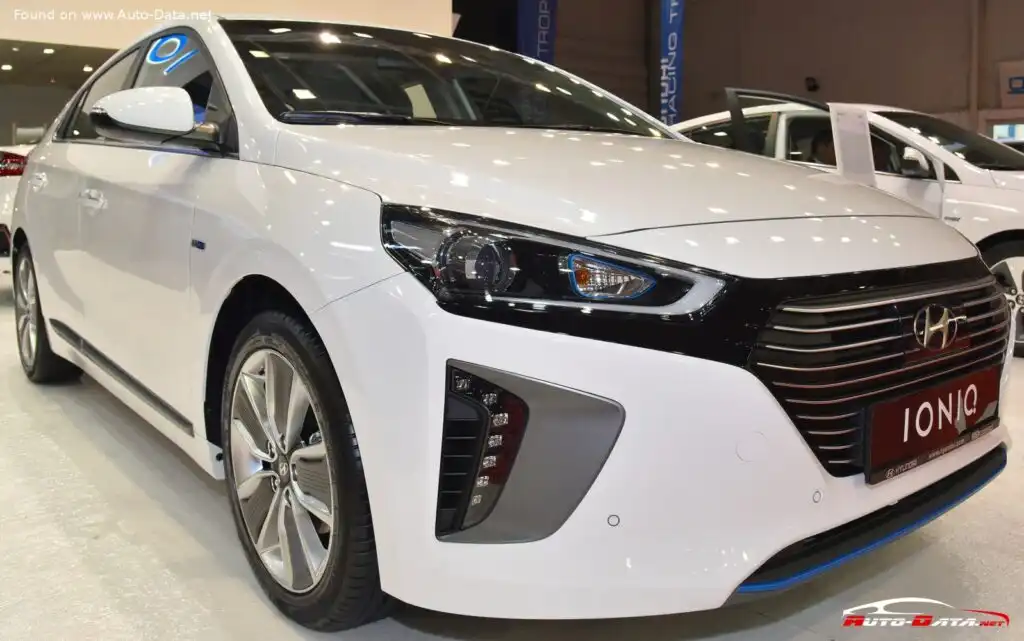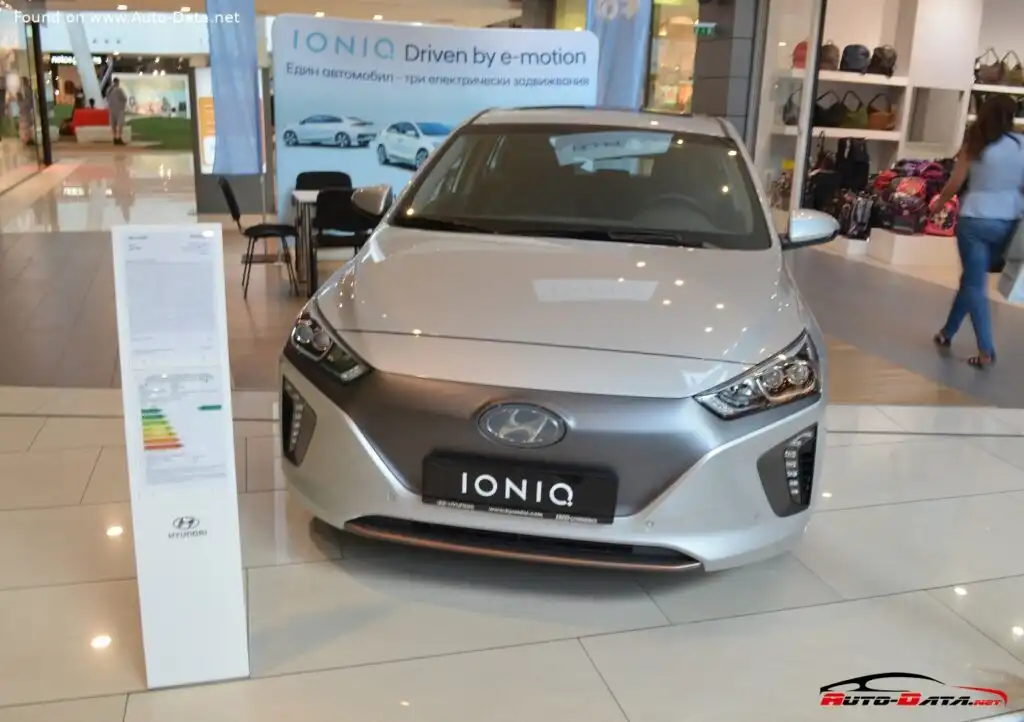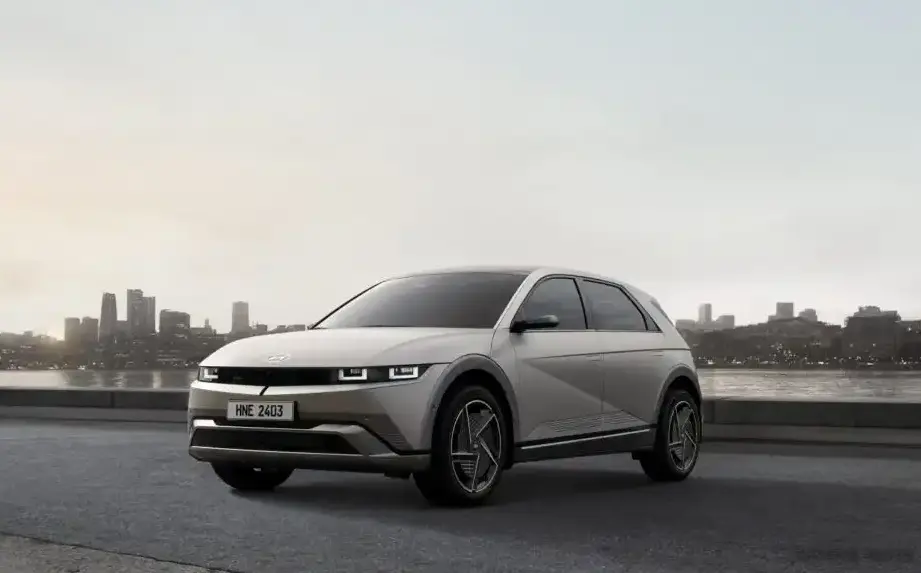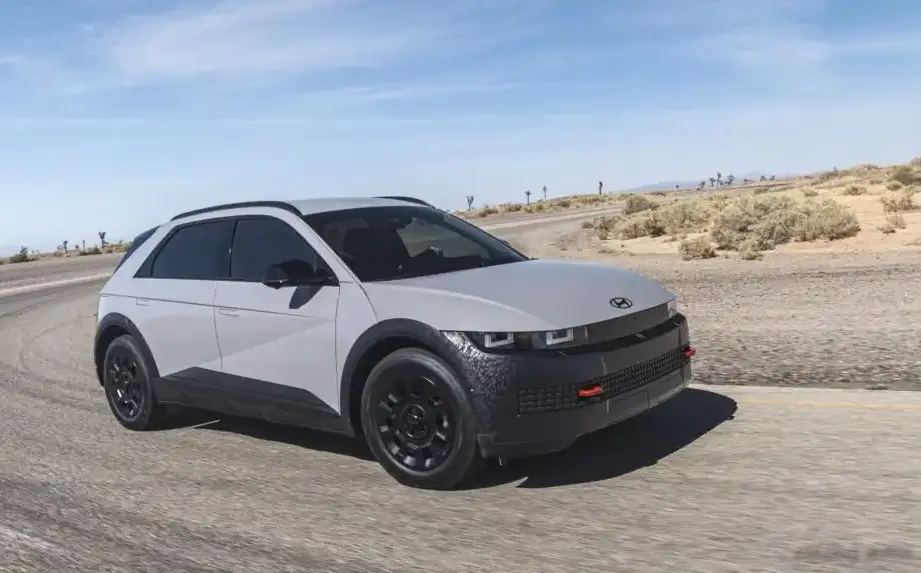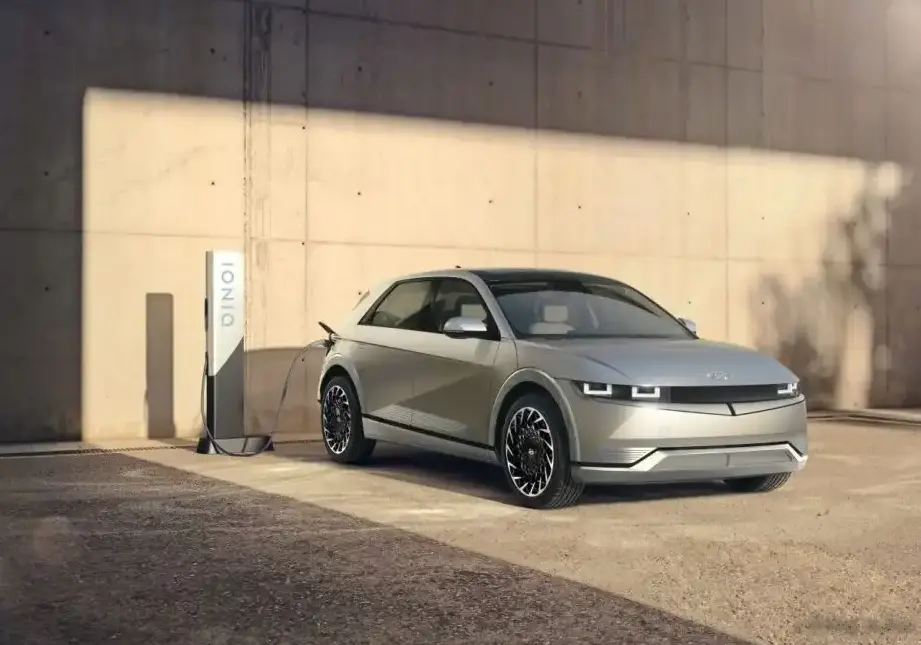
The Hyundai IONIQ 5 Long Range 72.6 kWh (305 Hp) Electric AWD, launched in February 2021 and produced through 2022, represents a significant step forward in Hyundai’s electric vehicle strategy. Positioned as a premium offering within the IONIQ 5 lineup, this variant aimed to deliver extended range and enhanced performance compared to the standard range models. Built on the Electric Global Modular Platform (E-GMP), the IONIQ 5 distinguished itself with its retro-futuristic styling, spacious interior, and fast-charging capabilities. It quickly gained recognition as a compelling alternative to established electric SUVs like the Tesla Model Y and Ford Mustang Mach-E, particularly appealing to buyers seeking a blend of practicality, technology, and sustainability.
Technical Specifications
| Brand | Hyundai |
| Model | IONIQ 5 |
| Generation | IONIQ 5 |
| Type (Engine) | Long Range 72.6 kWh (305 Hp) Electric AWD |
| Start of production | February, 2021 |
| End of production | 2022 |
| Powertrain Architecture | BEV (Electric Vehicle) |
| Body type | SUV |
| Seats | 5 |
| Doors | 5 |
| Fuel Type | Electricity |
| Acceleration 0 – 100 km/h | 5.2 sec |
| Acceleration 0 – 62 mph | 5.2 sec |
| Acceleration 0 – 60 mph | 4.9 sec |
| Maximum speed | 185 km/h (114.95 mph) |
| Weight-to-power ratio | 6.6 kg/Hp, 151 Hp/tonne |
| Weight-to-torque ratio | 3.3 kg/Nm, 299.5 Nm/tonne |
| Gross battery capacity | 72.6 kWh |
| Net (usable) battery capacity | 70 kWh |
| Battery voltage | 653 V |
| Battery technology | Lithium-polymer (LiPo) |
| Battery weight | 453 kg (998.69 lbs) |
| Battery location | Below the floor |
| All-electric range (WLTP) | 430-460 km (267.19 – 285.83 mi) |
| Average Energy consumption (WLTP) | 17.7-19 kWh/100 km (28.49 – 30.58 kWh/100 mi) |
| MPGe | 118 – 110 |
| km/kWh | 5.6 – 5.3 |
| mi/kWh | 3.5 – 3.3 |
| Electric motor 1 power | 95 Hp |
| Electric motor 1 Torque | 255 Nm (188.08 lb.-ft.) |
| Electric motor 1 model/code | EM07 |
| Electric motor 1 location | Front axle, Transverse |
| Electric motor 2 power | 211 Hp |
| Electric motor 2 Torque | 350 Nm (258.15 lb.-ft.) |
| Electric motor 2 model/code | EM17 |
| Electric motor 2 location | Rear axle, Transverse |
| System power | 305 Hp |
| System torque | 605 Nm (446.23 lb.-ft.) |
| Kerb Weight | 2020-2100 kg (4453.34 – 4629.71 lbs) |
| Max. weight | 2540 kg (5599.74 lbs) |
| Max load | 440-520 kg (970.03 – 1146.4 lbs) |
| Trunk (boot) space – minimum | 527 l (18.61 cu. ft.) |
| Trunk (boot) space – maximum | 1587 l (56.04 cu. ft.) |
| Max. roof load | 80 kg (176.37 lbs) |
| Permitted trailer load with brakes (12%) | 1600 kg (3527.4 lbs) |
| Permitted trailer load without brakes | 750 kg (1653.47 lbs) |
| Permitted towbar download | 100 kg (220.46 lbs) |
| Length | 4635 mm (182.48 in) |
| Width | 1890 mm (74.41 in) |
| Height | 1605 mm (63.19 in) |
| Wheelbase | 3000 mm (118.11 in) |
| Front track | 1638-1647 mm (64.49 – 64.84 in) |
| Rear (Back) track | 1628-1637 mm (64.09 – 64.45 in) |
| Ride height (ground clearance) | 160 mm (6.3 in) |
| Minimum turning circle (turning diameter) | 11.98 m (39.3 ft) |
| Drivetrain Architecture | One electric motor drives the front wheels, one electric motor drives the rear wheels. |
| Drive wheel | All wheel drive (4×4) |
| Number of gears and type of gearbox | 1 gears, automatic transmission |
| Front suspension | Independent type McPherson |
| Rear suspension | Independent multi-link suspension |
| Front brakes | Ventilated discs, 325×30 mm |
| Rear brakes | Disc, 325×12 mm |
| Assisting systems | ABS (Anti-lock braking system) |
| Steering type | Steering rack and pinion |
| Power steering | Electric Steering |
| Tires size | 235/55 R19; 255/45 R20 |
| Wheel rims size | 7.5J x 19; 8.5J x 20 |
Powertrain & Engine Architecture
The IONIQ 5 Long Range utilizes a dual-motor all-wheel-drive (AWD) powertrain. The front motor (EM07) produces 95 horsepower and 255 Nm of torque, while the rear motor (EM17) generates 211 horsepower and 350 Nm of torque. Combined, these motors deliver a total output of 305 horsepower and 605 Nm of torque. The 72.6 kWh lithium-polymer battery pack, positioned under the floor, provides a usable capacity of 70 kWh. This battery supports 800V ultra-fast charging, allowing for a significant charge – up to 80% – in approximately 18 minutes using a compatible DC fast charger. The powertrain employs a single-speed automatic transmission for each axle, simplifying the drivetrain and maximizing efficiency. The battery management system (BMS) is crucial for optimizing battery life, performance, and safety.
Driving Characteristics
The IONIQ 5 Long Range AWD offers brisk acceleration, achieving 0-60 mph in around 4.9 seconds. The dual-motor setup provides instant torque and confident traction in various driving conditions. Compared to the rear-wheel-drive versions, the AWD model offers improved stability and handling, particularly in inclement weather. While not a sports car, the IONIQ 5 delivers a smooth and refined driving experience. The single-speed transmission provides seamless acceleration, and the regenerative braking system allows for one-pedal driving, enhancing efficiency and convenience. The relatively low center of gravity, thanks to the underfloor battery pack, contributes to stable cornering.
Equipment & Trim Levels
The Long Range AWD trim typically included a comprehensive suite of standard features. These included a 12.3-inch touchscreen infotainment system with Apple CarPlay and Android Auto compatibility, a 12.3-inch digital instrument cluster, Hyundai SmartSense safety features (including forward collision avoidance assist, lane keeping assist, and blind-spot monitoring), and a premium sound system. Interior upholstery was typically a combination of synthetic leather and cloth, with available upgrades to full leather. Optional extras included a panoramic sunroof, ventilated and heated front seats, and a head-up display. The spacious interior and flat floor design contributed to a comfortable and airy cabin environment.
Chassis & Braking
The IONIQ 5 features an independent McPherson strut suspension at the front and a multi-link suspension at the rear, providing a comfortable ride and responsive handling. The suspension tuning was optimized for the vehicle’s weight and center of gravity. Braking duties are handled by ventilated discs at the front (325×30 mm) and solid discs at the rear (325×12 mm). The inclusion of ABS (Anti-lock Braking System) and electronic stability control enhances safety. The steering system utilizes an electric power steering (EPS) setup, providing precise and responsive steering feel.
Market Reception & Comparison
The IONIQ 5 Long Range AWD was generally well-received by automotive critics. Praised for its innovative design, spacious interior, fast charging capabilities, and competitive range, it quickly became a popular choice in the electric SUV segment. Compared to the standard range IONIQ 5, the Long Range model offered a significant increase in range and performance, justifying its higher price point. Against rivals like the Tesla Model Y and Ford Mustang Mach-E, the IONIQ 5 offered a compelling value proposition, often undercutting its competitors in price while delivering comparable features and performance. Fuel economy, expressed as MPGe, ranged from 110-118, and energy consumption was between 17.7-19 kWh per 100 km.
Legacy
The Hyundai IONIQ 5 Long Range 72.6 kWh AWD has established itself as a reliable and well-regarded electric vehicle. Early reports suggest good long-term reliability of the powertrain, with minimal issues reported regarding the battery pack or electric motors. On the used car market, these models hold their value relatively well, reflecting their desirability and strong reputation. The IONIQ 5’s success has paved the way for further expansion of Hyundai’s EV lineup and has demonstrated the brand’s commitment to electric mobility. Its innovative features and competitive pricing have helped to accelerate the adoption of electric vehicles among mainstream consumers.