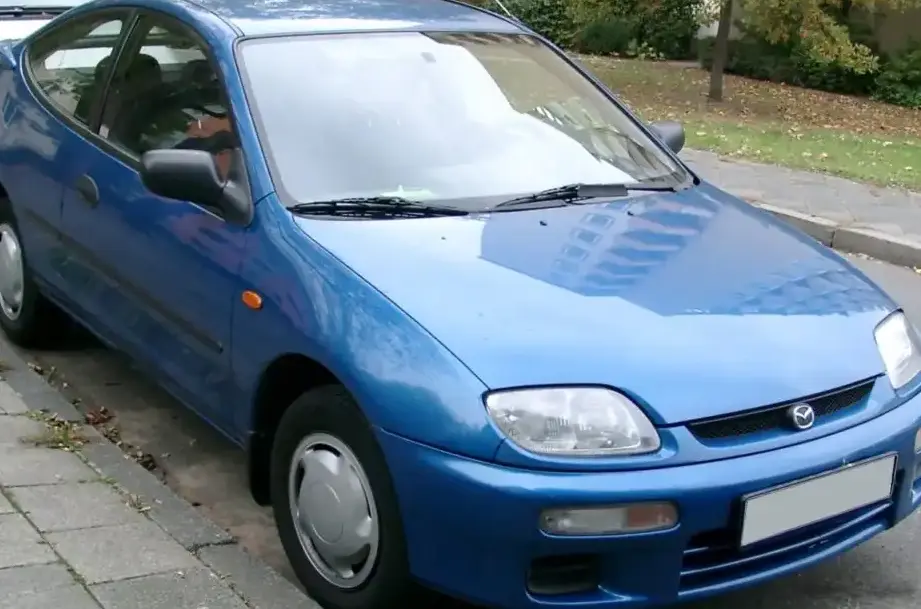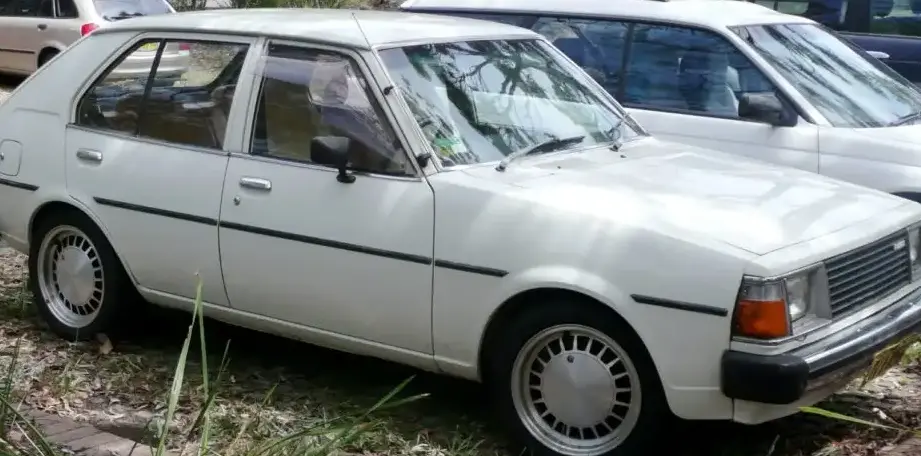
The Mazda 323 I (FA), produced between 1977 and 1980, represents the first generation of Mazda’s popular compact offering. This initial iteration of the 323, known as the FA series, was a crucial model for Mazda as it aimed to establish a stronger foothold in the burgeoning global compact car market. The 1.0-liter, 45 horsepower variant occupied the entry-level position within the 323 I lineup, designed for economy-minded buyers and those seeking basic, reliable transportation. It was primarily sold in European and Asian markets, where smaller displacement engines were favored due to tax regulations and fuel costs. This model served as the foundation for subsequent 323 generations, laying the groundwork for Mazda’s future success in the compact segment.
Technical Specifications
| Brand | Mazda |
| Model | 323 |
| Generation | 323 I (FA) |
| Type (Engine) | 1.0 (45 Hp) |
| Start of production | 1977 |
| End of production | 1980 |
| Powertrain Architecture | Internal Combustion Engine |
| Body type | Hatchback |
| Fuel Type | Petrol (Gasoline) |
| Power | 45 Hp |
| Engine aspiration | Naturally Aspirated |
Powertrain & Engine Architecture
The heart of the 323 I 1.0 was a 986cc (60.1 cubic inch) inline-four cylinder engine. This engine, internally designated with various codes depending on the specific market, was a relatively simple design featuring a single overhead camshaft (SOHC) and two valves per cylinder. Fuel delivery was managed by a carburetor, a common feature for vehicles of this era, rather than fuel injection. The carburetor provided adequate, though not particularly refined, fuel atomization for the engine’s modest power output. The engine’s compression ratio typically hovered around 8.8:1, a compromise between efficiency and performance. The 323 I 1.0 was exclusively offered with a four-speed manual transmission. An automatic transmission was not available on this base model. The engine’s architecture prioritized durability and ease of maintenance over outright performance, reflecting its intended role as an affordable and reliable commuter vehicle.
Driving Characteristics
The 45 horsepower output of the 1.0-liter engine translated to modest, but adequate, performance for urban driving. Acceleration was slow, requiring careful planning when merging onto highways or overtaking other vehicles. Top speed was estimated to be around 85 mph (137 km/h), though sustaining such speeds for extended periods was not practical. The four-speed manual transmission offered a reasonable spread of gear ratios, allowing the driver to keep the engine within its optimal power band. However, the engine lacked significant torque, meaning frequent downshifts were necessary when encountering hills or carrying a full passenger load. Compared to the slightly more powerful 1.3 and 1.5-liter versions of the 323 I, the 1.0-liter model felt noticeably underpowered. The suspension, while basic, provided a comfortable ride on smooth roads, but could become unsettled on rough surfaces. Steering was light and responsive, making it easy to maneuver in tight spaces.
Equipment & Trim Levels
The 323 I 1.0 was positioned as the entry-level model, and its equipment level reflected this. Standard features were minimal, typically including cloth upholstery, vinyl floor covering, and basic instrumentation consisting of a speedometer, fuel gauge, and temperature gauge. Power steering, air conditioning, and electric windows were not available on this trim level. The interior design was functional and utilitarian, prioritizing practicality over luxury. Exterior features were equally basic, with steel wheels, black plastic bumpers, and minimal chrome trim. Optional extras were limited, typically consisting of a radio and a sunroof. The overall aesthetic was simple and understated, reflecting the car’s affordable price point.
Chassis & Braking
The 323 I (FA) utilized a relatively simple chassis design. It featured a front MacPherson strut suspension and a rear leaf spring suspension. This configuration provided a reasonable balance between ride comfort and handling, although it was not particularly sophisticated. The steering system was a recirculating ball type, offering adequate precision for everyday driving. Braking was accomplished via drum brakes on all four wheels, a common setup for cars in this price range during the late 1970s. The braking system was adequate for normal driving conditions, but lacked the stopping power and fade resistance of disc brakes. The car’s relatively light weight helped to compensate for the limitations of the drum brakes. Stabilizer bars were not typically fitted to the 1.0-liter model, further contributing to its neutral handling characteristics.
Market Reception & Comparison
The Mazda 323 I 1.0 was generally well-received in its target markets as a practical and affordable compact car. Critics praised its fuel efficiency and reliability, but noted its lack of performance. Compared to its rivals, such as the Ford Fiesta and the Volkswagen Polo, the 323 I 1.0 offered a slightly more spacious interior and a more comfortable ride. However, it lacked the refinement and features of some of its competitors. The 1.3 and 1.5-liter versions of the 323 I offered significantly better performance, but at a higher price point. Fuel economy for the 1.0-liter model was estimated to be around 35-40 mpg, making it an attractive option for budget-conscious buyers. Reliability was generally good, with the engine proving to be durable and long-lasting.
Legacy
The Mazda 323 I 1.0, while not the most powerful or technologically advanced vehicle of its time, played a significant role in establishing Mazda as a credible competitor in the global compact car market. The 323 I series laid the foundation for the subsequent generations of the 323, which would become increasingly popular and sophisticated. Today, the 323 I 1.0 is a relatively rare sight on the roads, but it remains a popular choice among classic car enthusiasts. The simple engine design and readily available parts make it relatively easy to maintain and repair. While not a performance icon, the 323 I 1.0 represents a significant chapter in Mazda’s history and a testament to the enduring appeal of affordable, reliable transportation. The powertrain, while basic, proved to be remarkably durable, and many examples are still running today, a testament to Mazda’s engineering prowess.