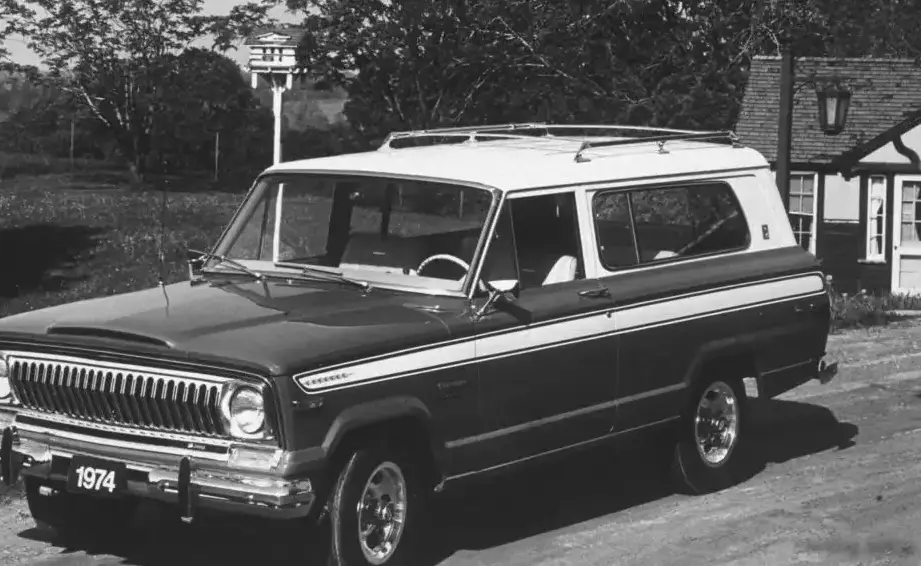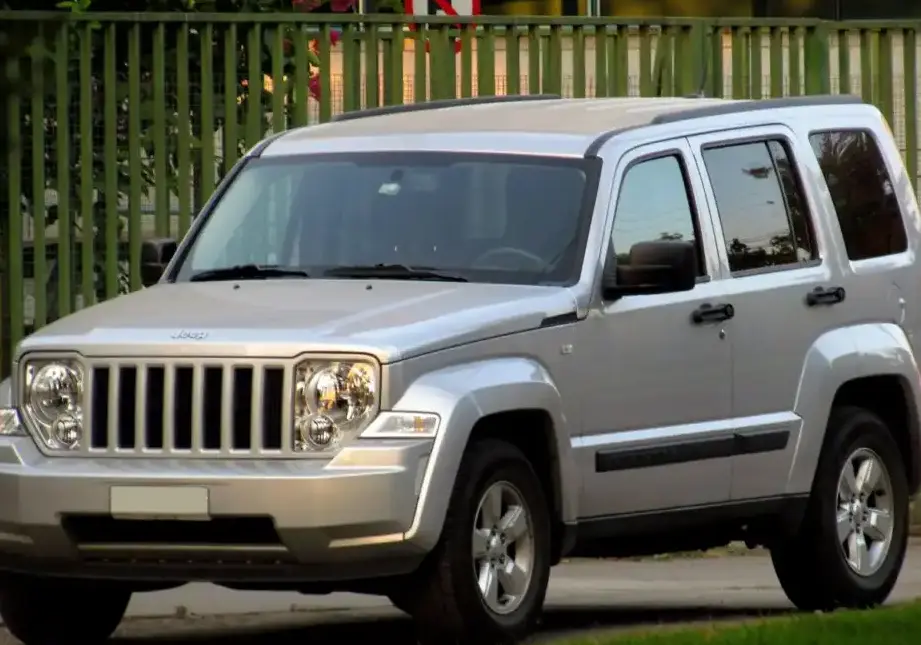
The Jeep Cherokee IV (KK) 3.7 V6, produced from 2008 to 2012, represented a significant departure for the iconic American brand. Moving away from the unibody construction of its predecessor, the KK Cherokee returned to body-on-frame design, aiming to recapture the rugged off-road spirit of earlier Cherokee models (XJ and MJ). This generation, while marketed as a mid-size SUV, positioned itself as a more capable and utilitarian vehicle than many of its increasingly car-based competitors. The 3.7-liter V6 engine, paired with a four-speed automatic transmission, served as the base powertrain option for the North American market, offering a balance of affordability and acceptable performance for everyday driving. It occupied the entry-level to mid-range position within the KK Cherokee lineup, with more powerful engine options (like the 4.7L V8) available for those prioritizing towing capacity or quicker acceleration.
Technical Specifications
| Brand | Jeep |
| Model | Cherokee |
| Generation | Cherokee IV (KK) |
| Type (Engine) | 3.7 V6 (205 Hp) |
| Start of production | 2008 |
| End of production | 2012 |
| Powertrain Architecture | Internal Combustion engine |
| Body type | SUV |
| Seats | 5 |
| Doors | 5 |
| Fuel consumption (urban) | 16.9 l/100 km (13.9 US mpg, 16.7 UK mpg, 5.9 km/l) |
| Fuel consumption (extra urban) | 8.9 l/100 km (26.4 US mpg, 31.7 UK mpg, 11.2 km/l) |
| Fuel consumption (combined) | 11.7 l/100 km (20.1 US mpg, 24.1 UK mpg, 8.5 km/l) |
| Fuel Type | Petrol (Gasoline) |
| Acceleration 0 – 100 km/h | 10.5 sec |
| Acceleration 0 – 62 mph | 10.5 sec |
| Acceleration 0 – 60 mph | 10 sec |
| Maximum speed | 193 km/h (119.92 mph) |
| Emission standard | Euro 4 |
| Weight-to-power ratio | 9.7 kg/Hp, 103.5 Hp/tonne |
| Weight-to-torque ratio | 6.3 kg/Nm, 158.6 Nm/tonne |
| Power | 205 Hp @ 5200 rpm |
| Power per litre | 55.4 Hp/l |
| Torque | 314 Nm @ 4000 rpm (231.59 lb.-ft. @ 4000 rpm) |
| Engine layout | Front, Longitudinal |
| Engine Model/Code | EKG |
| Engine displacement | 3700 cm3 (225.79 cu. in.) |
| Number of cylinders | 6 |
| Engine configuration | V-engine |
| Cylinder Bore | 93 mm (3.66 in.) |
| Piston Stroke | 90.8 mm (3.57 in.) |
| Compression ratio | 9.1:1 |
| Number of valves per cylinder | 2 |
| Fuel injection system | Multi-port manifold injection |
| Engine aspiration | Naturally aspirated engine |
| Valvetrain | OHC |
| Engine oil capacity | 4.7 l (4.97 US qt | 4.14 UK qt) |
| Coolant capacity | 13 l (13.74 US qt | 11.44 UK qt) |
| Kerb Weight | 1980 kg (4365.15 lbs.) |
| Max. weight | 2520 kg (5555.65 lbs.) |
| Max load | 540 kg (1190.5 lbs.) |
| Trunk (boot) space – minimum | 419 l (14.8 cu. ft.) |
| Trunk (boot) space – maximum | 1404 l (49.58 cu. ft.) |
| Fuel tank capacity | 73.8 l (19.5 US gal | 16.23 UK gal) |
| Length | 4493 mm (176.89 in.) |
| Width | 1839 mm (72.4 in.) |
| Height | 1797 mm (70.75 in.) |
| Wheelbase | 2694 mm (106.06 in.) |
| Front track | 1549 mm (60.98 in.) |
| Rear (Back) track | 1549 mm (60.98 in.) |
| Drive wheel | All wheel drive (4×4) |
| Number of gears and type of gearbox | 4 gears, automatic transmission |
| Front suspension | Independent coil spring |
| Front brakes | Ventilated discs |
| Rear brakes | Ventilated discs |
| Assisting systems | ABS (Anti-lock braking system) |
| Tires size | 235/65 R17; 235/60 R18 |
Powertrain & Engine Architecture
The heart of this Cherokee variant is the 3.7-liter EKG V6 engine. This powerplant, a member of Chrysler’s “Phoenix” engine family, is a naturally aspirated, 60-degree V6 featuring a cast iron block and aluminum cylinder heads. It utilizes a multi-point fuel injection system and an overhead camshaft (OHC) valvetrain with two valves per cylinder. The engine produces 205 horsepower at 5200 rpm and 231.59 lb-ft of torque at 4000 rpm. The four-speed automatic transmission (42RLE) was the sole transmission option for this configuration. While not known for its sophistication, the 42RLE was a durable unit, though it could sometimes feel under-geared for the engine’s power output, particularly when accelerating or climbing hills. The engine’s longitudinal mounting allowed for a traditional front-engine, rear-wheel-drive-based all-wheel-drive system.
Driving Characteristics
The 3.7L V6 automatic Cherokee offered adequate, but not exhilarating, performance. Acceleration from 0-60 mph took around 10 seconds, making it competitive with other mid-size SUVs of the era, but noticeably slower than models equipped with larger engines. The four-speed automatic transmission, while reliable, lacked the efficiency and responsiveness of more modern transmissions. Gear ratios were spaced relatively wide, resulting in a noticeable drop in engine speed during upshifts. This could lead to the engine feeling strained during highway passing maneuvers. However, the engine’s torque delivery was reasonably smooth, making it suitable for everyday driving and light off-road work. The all-wheel-drive system provided enhanced traction in inclement weather and on unpaved surfaces.
Equipment & Trim Levels
The 3.7L V6 automatic Cherokee typically came standard with features such as air conditioning, power windows and locks, a basic audio system, and cloth upholstery. Higher trim levels, such as the Limited, added amenities like leather seats, upgraded audio systems, alloy wheels, and additional convenience features. Optional extras included a sunroof, navigation system, and premium sound systems. The interior design was functional and straightforward, prioritizing durability over luxury. The dashboard layout was relatively simple, with easy-to-use controls.
Chassis & Braking
The KK Cherokee’s body-on-frame construction provided a robust and durable chassis. The front suspension utilized an independent coil spring setup, while the rear featured a solid axle with coil springs. This configuration contributed to the vehicle’s off-road capability. Braking duties were handled by ventilated discs on all four wheels, providing adequate stopping power for the vehicle’s weight. Anti-lock brakes (ABS) were standard equipment. The steering was hydraulic power-assisted, offering a reasonable level of feedback.
Market Reception & Comparison
Critics generally viewed the 3.7L V6 Cherokee as a competent, but unremarkable, SUV. The engine was considered adequate for most drivers, but some reviewers noted its lack of refinement and relatively poor fuel economy (around 20 mpg combined). Compared to the more powerful 4.7L V8 models, the 3.7L offered a more affordable entry point into the Cherokee lineup, but at the expense of performance. Against competitors like the Toyota 4Runner and Nissan Xterra, the Cherokee offered a more comfortable ride and a more spacious interior, but lacked the same level of off-road prowess.
Legacy
The 3.7L V6 engine in the KK Cherokee, while not a standout performer, proved to be reasonably reliable. Common issues included oil leaks and occasional sensor failures, but major engine problems were relatively rare. Today, these Cherokees can be found on the used car market at affordable prices. Their body-on-frame construction and available four-wheel-drive system make them appealing to buyers seeking a rugged and capable SUV. However, potential buyers should be aware of the engine’s relatively poor fuel economy and the limitations of the four-speed automatic transmission. Overall, the KK Cherokee 3.7L V6 represents a solid, if unspectacular, choice for those seeking a dependable and capable SUV.