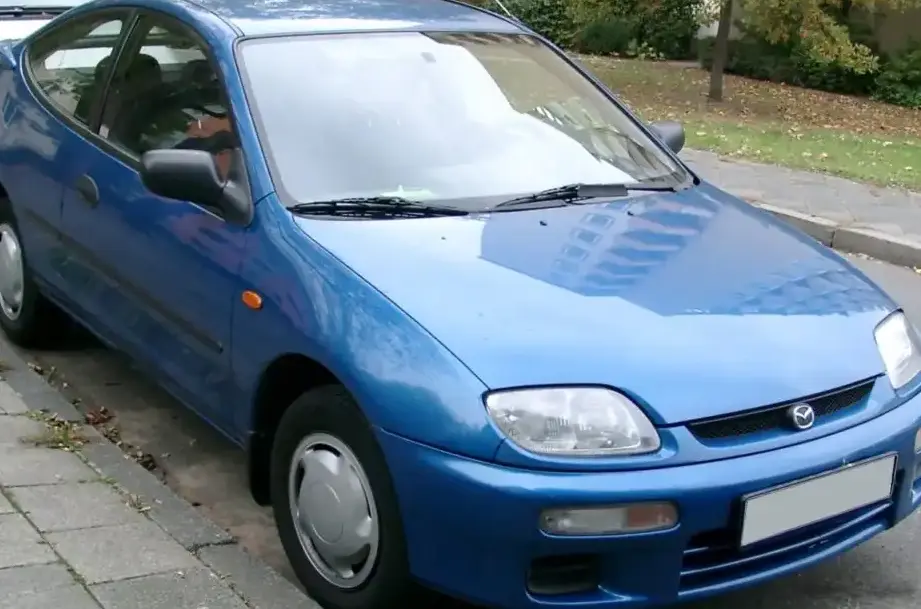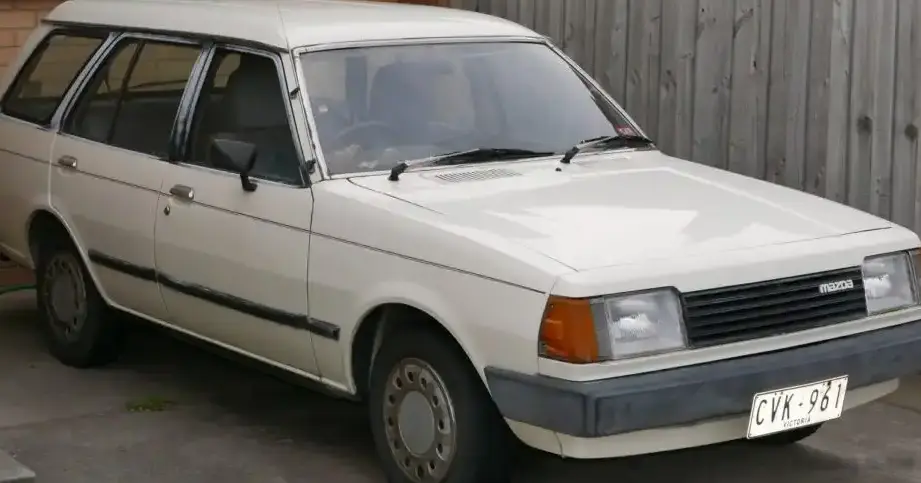
The Mazda 323 I Station Wagon, specifically the FA series produced between 1978 and 1986, represented Mazda’s entry into the compact estate car market. This generation, known internally as the FA platform, was a significant step for Mazda, offering a practical and affordable vehicle aimed at families and those needing versatile cargo space. The 1.3-liter, 60 horsepower variant was positioned as the base model, prioritizing fuel economy and accessibility over outright performance. It served as the gateway to the 323 range, appealing to budget-conscious buyers in Europe, Australia, and select Asian markets where compact wagons were popular. While not a performance leader, this variant played a crucial role in establishing the 323 as a viable competitor in a crowded segment.
Technical Specifications
| Brand | Mazda |
| Model | 323 |
| Generation | 323 I Station Wagon (FA) |
| Type (Engine) | 1.3 (60 Hp) |
| Start of production | 1978 |
| End of production | 1986 |
| Powertrain Architecture | Internal Combustion engine |
| Body type | Station wagon (estate) |
| Fuel Type | Petrol (Gasoline) |
| Power | 60 Hp |
| Engine aspiration | Naturally aspirated engine |
Powertrain & Engine Architecture
The heart of the 323 I Station Wagon 1.3 was the Mazda 813 engine, a 1.3-liter (1298cc) inline-four cylinder petrol engine. This engine utilized a single overhead camshaft (SOHC) valvetrain, operating with two valves per cylinder. Fuel delivery was managed by a carburetor, a common feature for vehicles of this era, prioritizing simplicity and cost-effectiveness. The engine produced 60 horsepower at approximately 6000 rpm and 73 lb-ft of torque at 3000 rpm. The engine block was cast iron, providing durability, while the cylinder head was aluminum, contributing to weight reduction. The transmission paired with this engine was typically a four-speed manual, though a three-speed automatic transmission was also available, albeit less common. The automatic transmission was a conventional hydraulic unit, offering smooth but not particularly quick shifts. The engine’s design focused on reliability and fuel efficiency rather than high performance.
Driving Characteristics
The 1.3-liter engine in the 323 I Station Wagon delivered modest performance. Acceleration was leisurely, with a 0-60 mph time estimated to be around 15-17 seconds. The car was geared towards comfortable cruising and city driving rather than spirited performance. The four-speed manual transmission allowed drivers to extract the most from the engine, but the limited horsepower meant frequent downshifting was necessary, especially when carrying a load or tackling hills. The automatic transmission further reduced acceleration, but provided ease of use for everyday driving. The suspension, consisting of MacPherson struts at the front and a leaf spring rear suspension, provided a comfortable ride, absorbing bumps reasonably well. However, the leaf spring rear end could feel somewhat bouncy when unloaded. Steering was light and easy, making the car maneuverable in urban environments. Overall, the driving experience was characterized by practicality and ease of use, rather than excitement.
Equipment & Trim Levels
The 323 I Station Wagon 1.3 was typically offered in a fairly basic trim level, reflecting its position as the entry point to the range. Standard equipment generally included cloth upholstery, vinyl floor covering, and basic instrumentation consisting of a speedometer, fuel gauge, and temperature gauge. Heating and ventilation were standard, but air conditioning was typically an optional extra. Exterior features included steel wheels with hubcaps, chrome bumpers, and relatively simple lighting. Optional extras could include a radio, upgraded upholstery, and tinted glass. The interior design was functional and straightforward, prioritizing durability and ease of cleaning. Trim levels varied slightly depending on the market, with some regions offering a slightly more equipped version with features like a rear window wiper or upgraded interior trim.
Chassis & Braking
The 323 I Station Wagon utilized a body-on-frame construction, a common practice for vehicles of this era. The chassis was relatively simple, prioritizing cost-effectiveness and ease of repair. The front suspension featured MacPherson struts, providing a reasonable level of ride comfort and handling. The rear suspension employed a leaf spring setup, which was robust and capable of handling loads but offered less sophisticated handling characteristics. Braking was typically accomplished with drum brakes on all four wheels, although some later models and higher trim levels may have featured front disc brakes. The braking system was adequate for the car’s weight and performance, but lacked the stopping power of more modern systems. Steering was a recirculating ball system, providing light and easy steering but lacking the precision of rack-and-pinion steering.
Market Reception & Comparison
The Mazda 323 I Station Wagon 1.3 was generally well-received as an affordable and practical family car. Critics praised its fuel economy and spacious interior, but noted its lack of performance. Compared to other compact wagons of the time, such as the Ford Escort Estate or the Vauxhall Astra Estate, the 323 offered a slightly more refined driving experience and a reputation for reliability. However, it often lacked the extensive feature list of some of its competitors. The 1.3-liter engine was considered adequate for everyday driving, but those needing more power often opted for the 1.5-liter or 1.6-liter versions. Fuel economy was a strong point, with the 1.3-liter engine achieving around 35-40 mpg in mixed driving conditions. Reliability was generally good, although the carburetor required periodic maintenance. The automatic transmission, while convenient, was less fuel-efficient and offered slower acceleration.
Legacy
The Mazda 323 I Station Wagon 1.3, while not a particularly glamorous or high-performance vehicle, holds a significant place in Mazda’s history. It established the 323 as a credible competitor in the compact car market and demonstrated Mazda’s commitment to building practical and affordable vehicles. The 813 engine proved to be a durable and reliable powerplant, and many examples are still on the road today. In the used car market, these wagons are appreciated for their simplicity, affordability, and classic styling. While parts availability can be a challenge, the relatively straightforward mechanical design makes them relatively easy to maintain for those with mechanical skills. The 1.3-liter automatic variant, while the least powerful in the range, remains a popular choice for those seeking a classic Mazda wagon for restoration or everyday use, offering a nostalgic driving experience and a connection to a bygone era of automotive engineering.