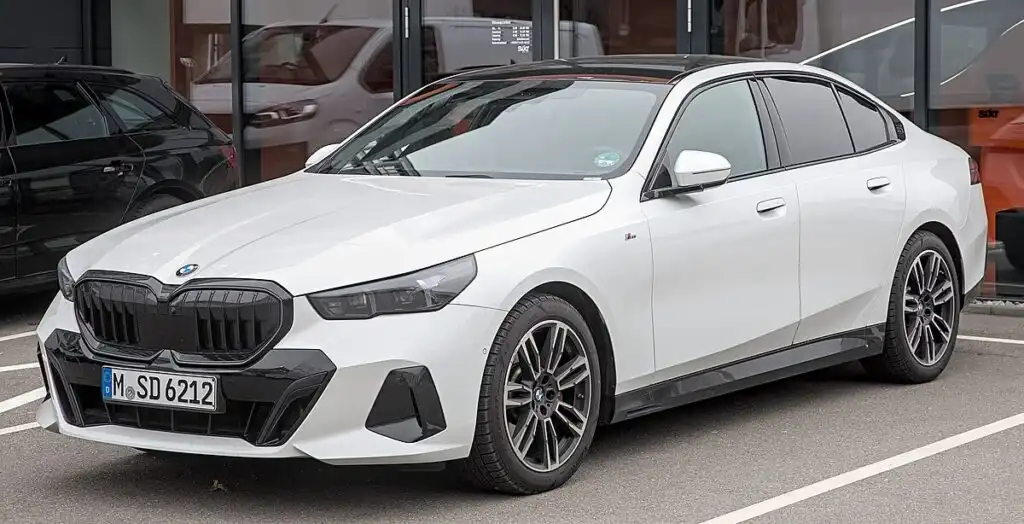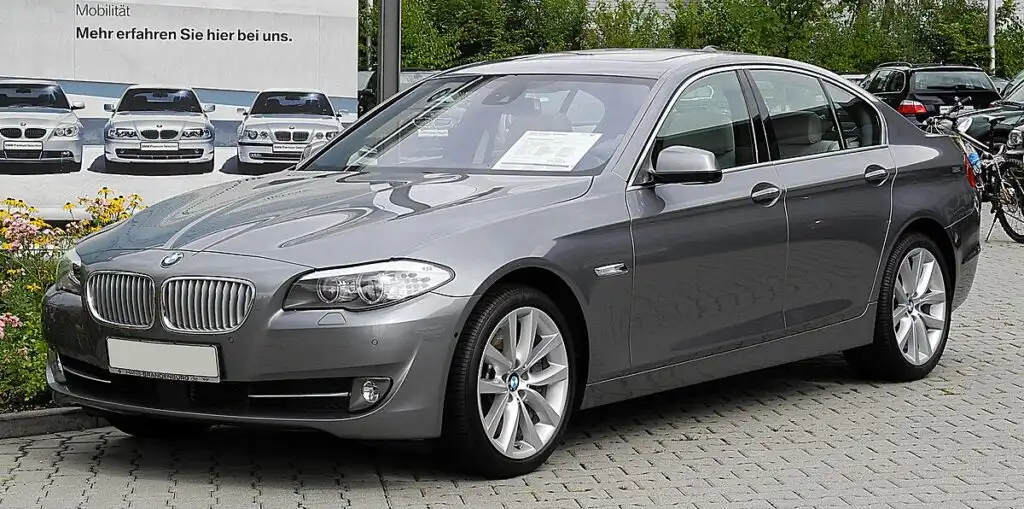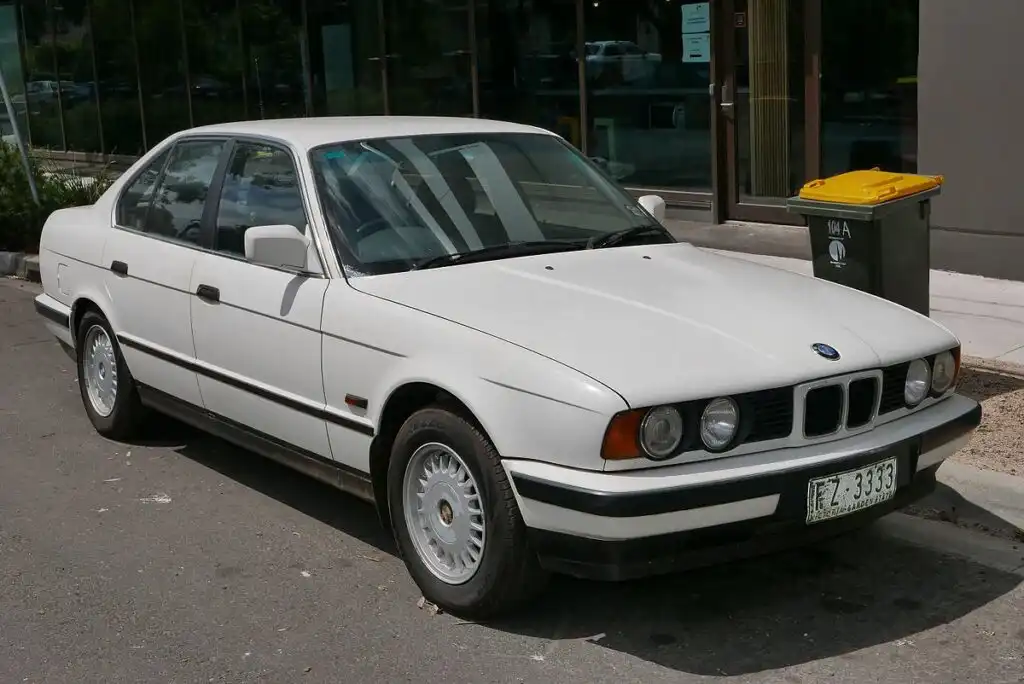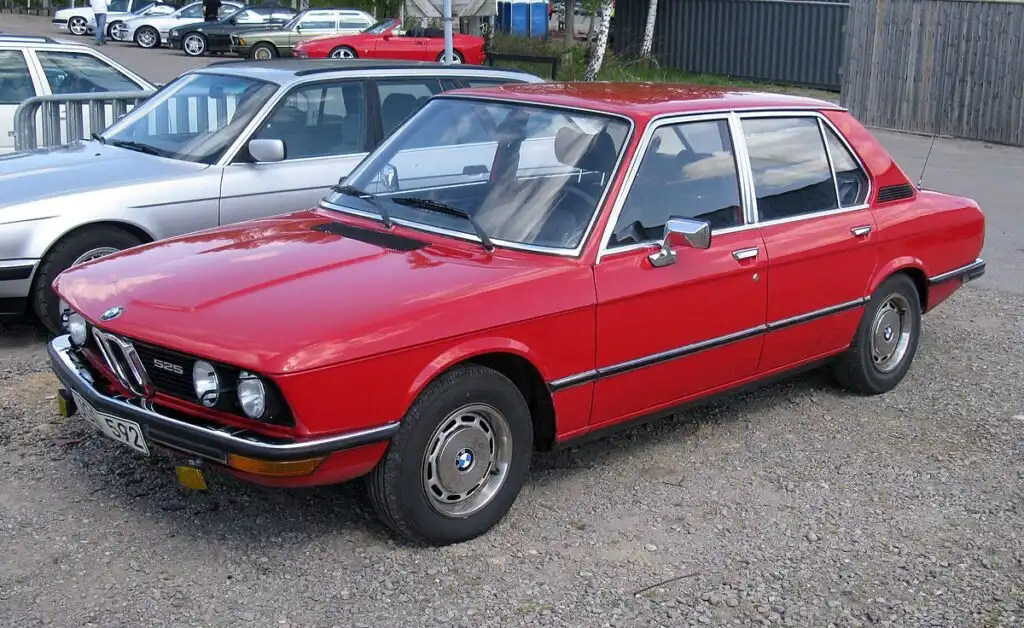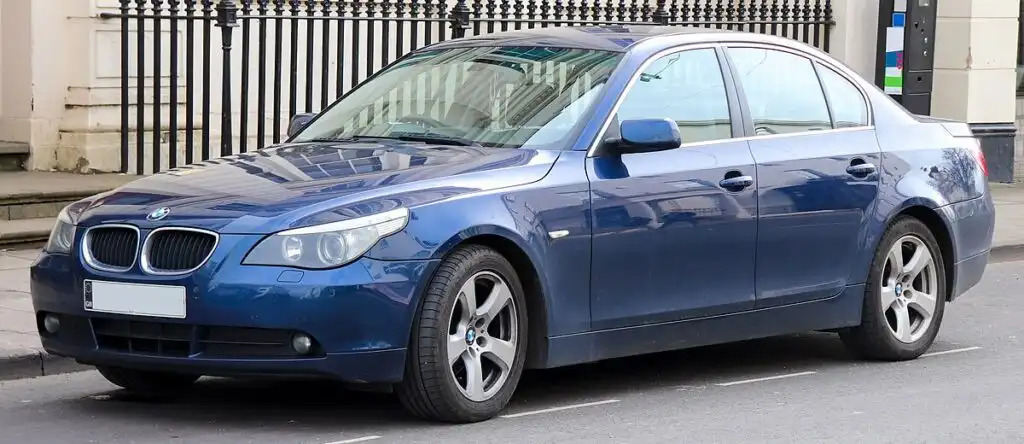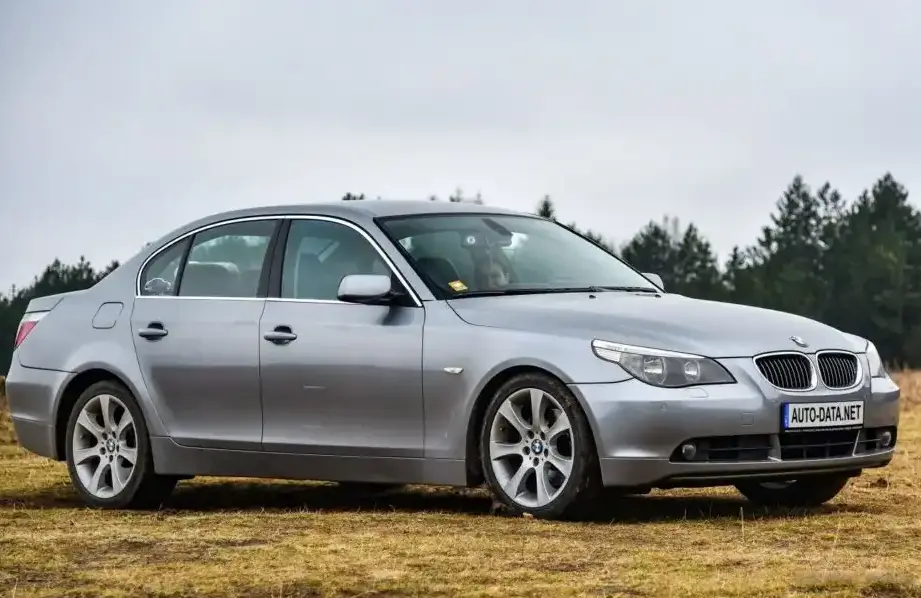
The BMW 5 Series (E60) 525i, produced from 2005 to 2007, represented a key entry point into the sixth generation of BMW’s flagship executive sedan. Positioned as a mid-range offering within the E60 lineup, it bridged the gap between the base 523i and the more performance-oriented 530i and 550i models. The 525i aimed to deliver a balance of BMW’s renowned driving dynamics, luxury, and a more accessible price point. It was primarily marketed towards buyers seeking a sophisticated and comfortable sedan with a respectable level of performance, appealing to both individual owners and corporate fleets.
Technical Specifications
| Brand | BMW |
| Model | 5 Series |
| Generation | 5 Series (E60) |
| Type (Engine) | 525i (218 Hp) |
| Start of production | 2005 |
| End of production | 2007 |
| Powertrain Architecture | Internal Combustion engine |
| Body type | Sedan |
| Seats | 5 |
| Doors | 4 |
| Fuel consumption (economy) – urban | 12.4 l/100 km (19 US mpg) |
| Fuel consumption (economy) – extra urban | 6.5 l/100 km (36.2 US mpg) |
| Fuel Type | Petrol (Gasoline) |
| Acceleration 0 – 100 km/h | 7.5 sec |
| Acceleration 0 – 62 mph | 7.5 sec |
| Acceleration 0 – 60 mph | 7.1 sec |
| Maximum speed | 245 km/h (152.24 mph) |
| Weight-to-power ratio | 6.8 kg/Hp |
| Weight-to-torque ratio | 5.9 kg/Nm |
| Power | 218 Hp @ 6500 rpm |
| Power per litre | 87.3 Hp/l |
| Torque | 250 Nm @ 2750 rpm (184.39 lb.-ft. @ 2750 rpm) |
| Engine layout | Front, Longitudinal |
| Engine Model/Code | N52B25A |
| Engine displacement | 2497 cm3 (152.38 cu. in.) |
| Number of cylinders | 6 |
| Engine configuration | Inline |
| Cylinder Bore | 82 mm (3.23 in.) |
| Piston Stroke | 78.8 mm (3.1 in.) |
| Compression ratio | 11:1 |
| Number of valves per cylinder | 4 |
| Fuel injection system | Multi-port manifold injection |
| Engine aspiration | Naturally aspirated engine |
| Engine oil capacity | 6.5 l (6.87 US qt | 5.72 UK qt) |
| Coolant | 9.8 l (10.36 US qt | 8.62 UK qt) |
| Kerb Weight | 1480 kg (3262.84 lbs.) |
| Max. weight | 2035 kg (4486.41 lbs.) |
| Max load | 555 kg (1223.57 lbs.) |
| Trunk (boot) space – minimum | 520 l (18.36 cu. ft.) |
| Fuel tank capacity | 70 l (18.49 US gal | 15.4 UK gal) |
| Length | 4841 mm (190.59 in.) |
| Width | 1846 mm (72.68 in.) |
| Height | 1468 mm (57.8 in.) |
| Wheelbase | 2888 mm (113.7 in.) |
| Front track | 1558 mm (61.34 in.) |
| Rear (Back) track | 1582 mm (62.28 in.) |
| Drag coefficient (Cd) | 0.28 |
| Drivetrain Architecture | The Internal combustion engine (ICE) drives the rear wheels of the vehicle. |
| Drive wheel | Rear wheel drive |
| Number of gears and type of gearbox | 6 gears, manual transmission |
| Front suspension | Coil spring |
| Rear suspension | Coil spring |
| Front brakes | Ventilated discs |
| Rear brakes | Disc |
| Assisting systems | ABS (Anti-lock braking system) |
| Steering type | Steering rack and pinion |
| Power steering | Hydraulic Steering |
| Tires size | 225/55 R16 |
| Wheel rims size | 7J x 16 |
Powertrain & Engine Architecture
The heart of the 525i is the N52B25A, a 2.5-liter inline-six cylinder engine. This engine is a naturally aspirated powerplant, representing a departure from the turbocharged engines increasingly common in the market. The N52 featured BMW’s Double-VANOS variable valve timing system, controlling both intake and exhaust valve timing for optimized performance and efficiency across the rev range. Fuel delivery was handled by a multi-port fuel injection system. The engine produced 218 horsepower at 6500 rpm and 184 lb-ft of torque at 2750 rpm. The 525i was typically equipped with a 6-speed manual transmission, but a 6-speed automatic transmission was also available, and was a popular choice for buyers prioritizing comfort and ease of use. The automatic transmission featured adaptive shift programs, adjusting shift points based on driving style.
Driving Characteristics
The 525i, particularly with the manual transmission, offered a balanced driving experience. While not as overtly sporty as the 530i or 550i, it provided ample power for everyday driving and confident highway cruising. The inline-six engine delivered smooth, linear power delivery, making it easy to modulate throttle response. The automatic transmission, while smooth, did slightly diminish the sense of driver engagement compared to the manual. Acceleration from 0-60 mph took approximately 7.1 seconds. The suspension, tuned for comfort, absorbed bumps effectively, providing a refined ride quality. However, it wasn’t as firm or responsive as the sport suspension options available on other 5 Series models.
Equipment & Trim Levels
The 525i came standard with a respectable array of features, including automatic climate control, power-adjustable front seats, a CD stereo system, and alloy wheels. Leather upholstery was a popular option, as were features like a sunroof, navigation system, and premium sound system. The interior design was typical BMW, emphasizing functionality and a driver-focused layout. Trim levels were relatively simple, with options packages allowing buyers to customize their vehicle. Common packages included the Sport Package, which added sport seats, a sport suspension, and unique exterior styling cues.
Chassis & Braking
The E60 5 Series utilized a robust chassis with a MacPherson strut front suspension and an integral-link rear suspension. The 525i typically featured ventilated disc brakes at the front and solid disc brakes at the rear. Anti-lock brakes (ABS) were standard, along with electronic brake-force distribution. The steering was a hydraulic rack-and-pinion system, providing precise and responsive steering feel. The 525i’s weight of around 3263 lbs was relatively moderate for a mid-size luxury sedan, contributing to its balanced handling characteristics.
Market Reception & Comparison
The 525i was generally well-received by automotive critics. It was praised for its comfortable ride, refined interior, and balanced driving dynamics. However, some reviewers noted that it lacked the outright performance of its more powerful siblings. Compared to the 530i, the 525i offered a more affordable entry point into the 5 Series range, but at the expense of some performance. The 525i also offered better fuel economy than the larger-engined models. Reliability was generally good, although some owners reported issues with the cooling system and electrical components, common to the E60 generation.
Legacy
The E60 525i has become a popular choice among used car buyers seeking a well-rounded and reliable luxury sedan. The N52 engine is known for its durability and relatively low maintenance costs, provided it is properly maintained. While not as sought-after as the higher-performance 5 Series models, the 525i offers a compelling combination of comfort, refinement, and affordability. Today, well-maintained examples can be found for reasonable prices, making them an attractive option for those seeking a classic BMW experience.