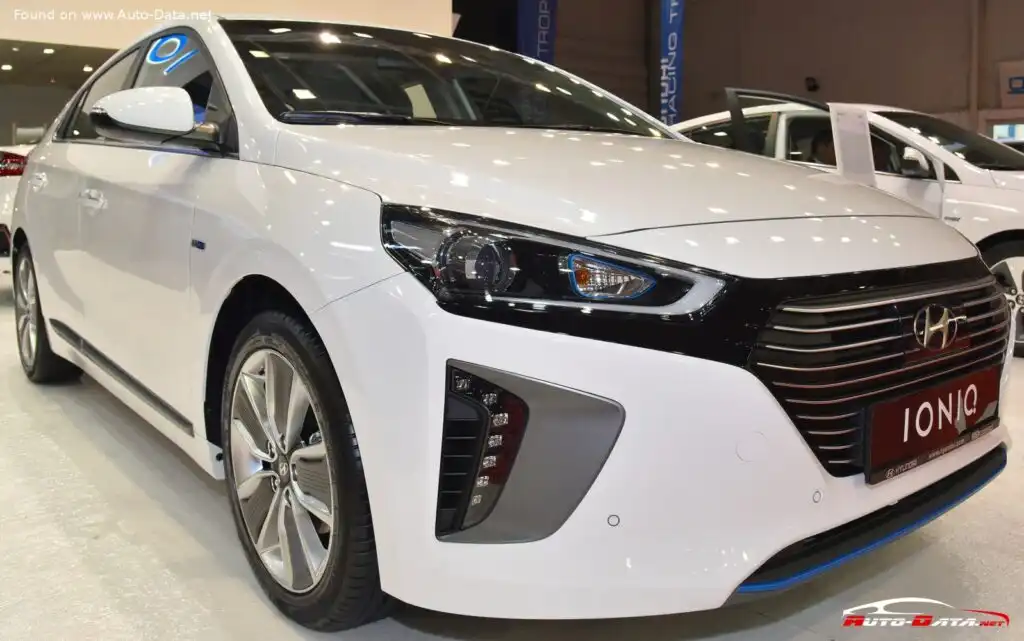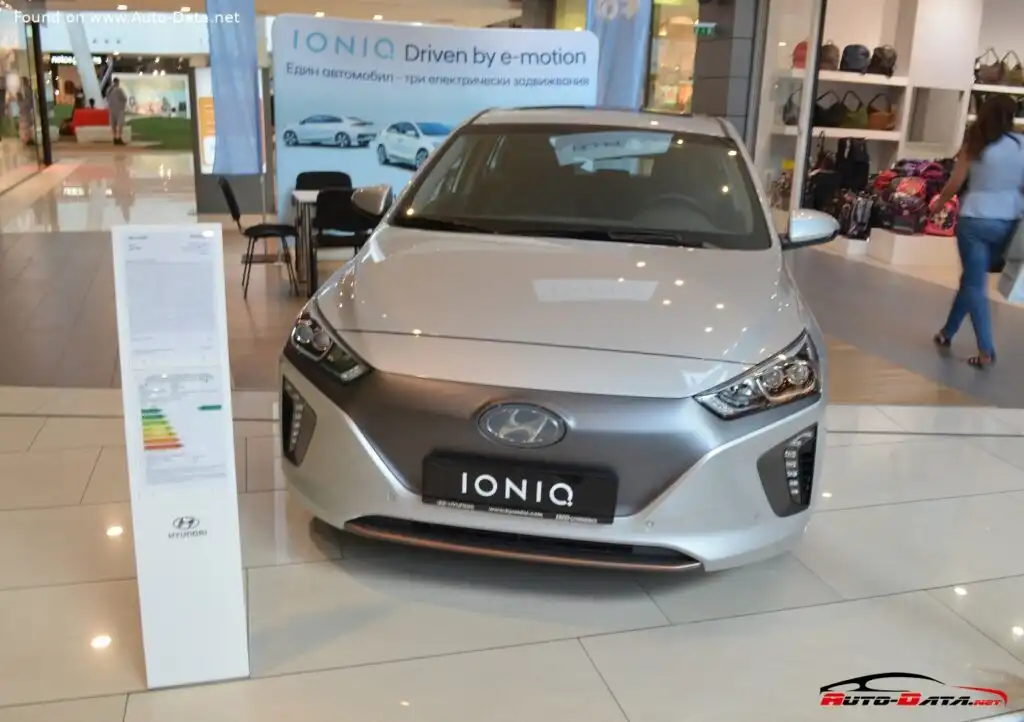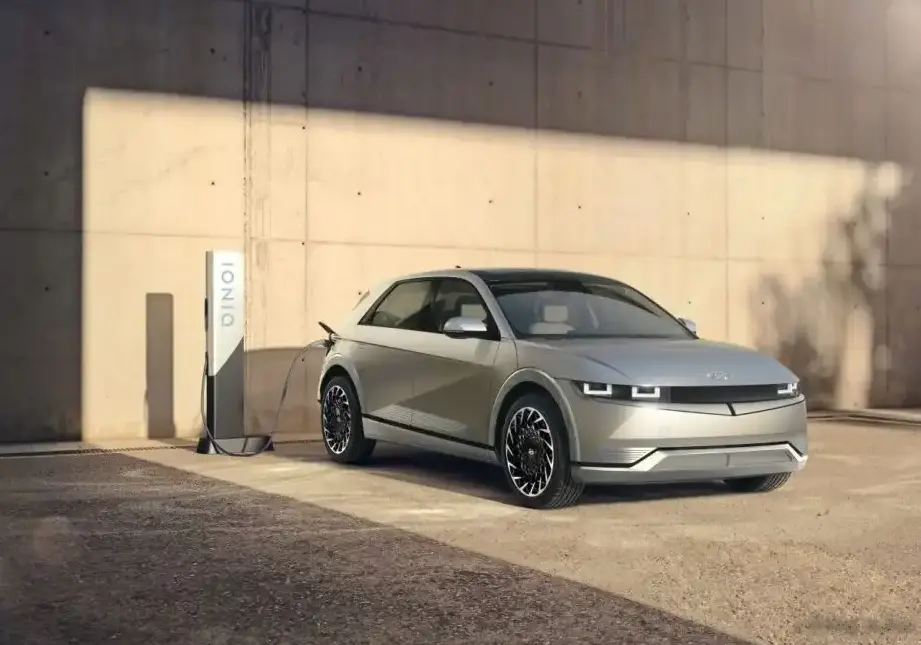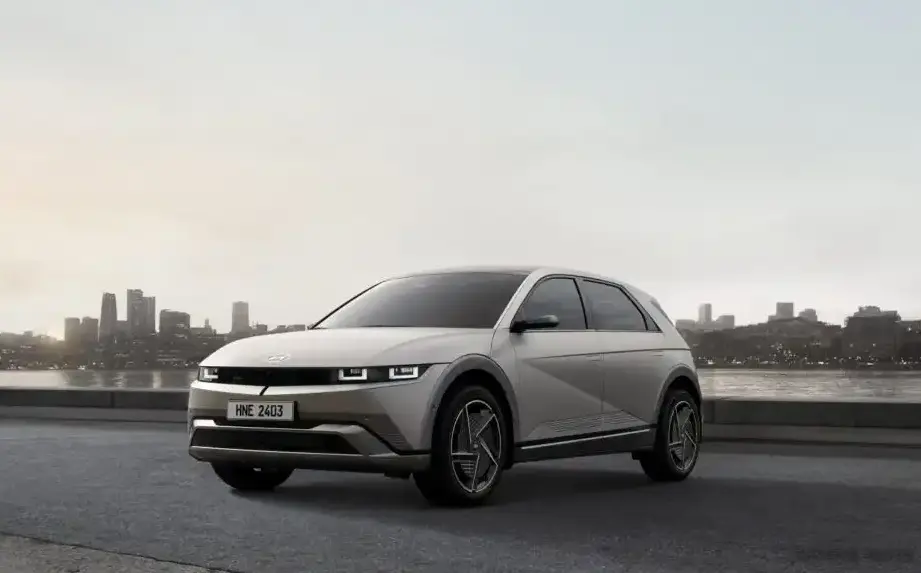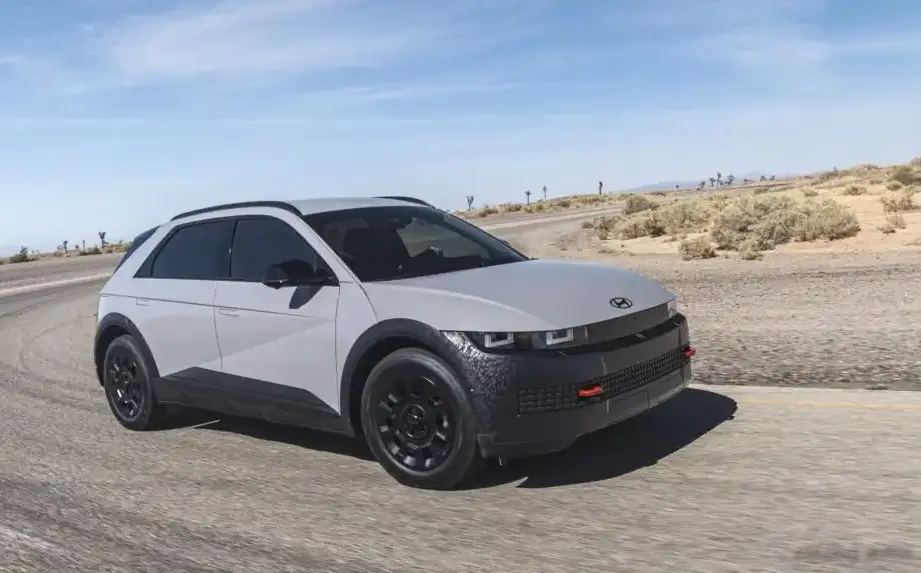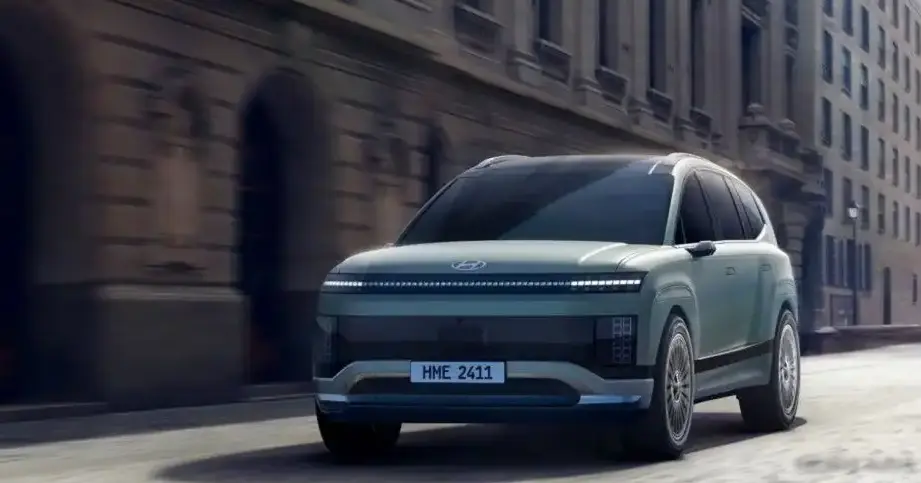
The Hyundai IONIQ 9 Long Range, equipped with a 110.3 kWh battery and delivering 218 horsepower, represents Hyundai’s entry into the full-size, three-row electric SUV segment. Introduced for the 2025 model year, the IONIQ 9 is built upon Hyundai’s Electric Global Modular Platform (E-GMP), shared with models like the IONIQ 5 and Kia EV6, but significantly expanded to accommodate its larger size and seating capacity. Positioned as a premium offering within the IONIQ lineup, it aims to compete with established electric SUVs like the Tesla Model X and Rivian R1S, offering a compelling blend of range, space, and technology.
Technical Specifications
| Brand | Hyundai |
| Model | IONIQ 9 |
| Generation | IONIQ 9 |
| Type (Engine) | Long Range 110.3 kWh (218 Hp) |
| Start of production | 2025 |
| Powertrain Architecture | BEV (Electric Vehicle) |
| Body type | SUV |
| Seats | 6-7 |
| Doors | 5 |
| Fuel Type | Electricity |
| Acceleration 0 – 100 km/h | 9.4 sec |
| Acceleration 0 – 62 mph | 9.4 sec |
| Acceleration 0 – 60 mph | 8.4 sec |
| Gross battery capacity | 110.3 kWh |
| Battery voltage | 800 V |
| Battery technology | Lithium nickel manganese cobalt oxides (Li-NMC) |
| Battery location | Below the floor |
| All-electric range (WLTP) | 620 km (385.25 mi) |
| All-electric range (EPA) | 539 km (334.92 mi) |
| Average Energy consumption (WLTP) | 19.4 kWh/100 km (31.22 kWh/100 mi, 108 MPGe, 5.2 km/kWh, 3.2 mi/kWh) |
| Average Energy consumption (EPA) | 21.6 kWh/100 km (34.76 kWh/100 mi, 97 MPGe, 4.6 km/kWh, 2.9 mi/kWh) |
| Electric motor power | 218 Hp |
| Electric motor Torque | 350 Nm (258.15 lb.-ft.) |
| Electric motor location | Rear axle, Transverse |
| System power | 218 Hp |
| System torque | 350 Nm (258.15 lb.-ft.) |
| Trunk (boot) space – minimum | 620 l (21.9 cu. ft.) |
| Trunk (boot) space – maximum | 2461 l (86.91 cu. ft.) |
| Permitted trailer load with brakes (12%) | 2500 kg (5511.56 lbs.) |
| Length | 5060 mm (199.21 in.) |
| Width | 1980 mm (77.95 in.) |
| Height | 1790 mm (70.47 in.) |
| Wheelbase | 3130 mm (123.23 in.) |
| Front track | 1692-1702 mm (66.61 – 67.01 in.) |
| Rear (Back) track | 1704-1715 mm (67.09 – 67.52 in.) |
| Front overhang | 880 mm (34.65 in.) |
| Rear overhang | 1050 mm (41.34 in.) |
| Ride height (ground clearance) | 175 mm (6.89 in.) |
| Drag coefficient (Cd) | 0.259-0.269 |
| Minimum turning circle (turning diameter) | 12.5 m (41.01 ft.) |
| Approach angle | 20.1° |
| Departure angle | 22.9° |
| Drivetrain Architecture | One electric motor drives the rear wheels. |
| Drive wheel | Rear wheel drive |
| Number of gears and type of gearbox | 1 gears, automatic transmission |
| Front suspension | Independent, type McPherson with coil spring and anti-roll bar |
| Rear suspension | Independent multi-link spring suspension with stabilizer |
| Front brakes | Ventilated discs, 360×30 mm |
| Rear brakes | Disc, 345×20 mm |
| Assisting systems | ABS (Anti-lock braking system) |
| Steering type | Steering rack and pinion |
| Power steering | Electric Steering |
| Tires size | 255/60 R19; 275/50 R20; 285/45 R21 |
| Wheel rims size | 19; 20; 21 |
Powertrain & Engine Architecture
The IONIQ 9 Long Range utilizes a single rear-mounted electric motor producing 218 horsepower and 350 Nm (258 lb-ft) of torque. This motor is powered by a large 110.3 kWh lithium-ion battery pack utilizing Lithium Nickel Manganese Cobalt Oxide (Li-NMC) chemistry. The 800V architecture allows for exceptionally fast DC fast charging, capable of adding significant range in a short period. The powertrain is a single-speed automatic transmission, typical of most battery electric vehicles, focusing on efficiency and smooth power delivery. The motor’s transverse mounting optimizes space within the rear subframe. The battery pack is positioned under the floor, contributing to a low center of gravity and improved handling.
Driving Characteristics
The rear-wheel-drive configuration of the IONIQ 9 provides a balanced driving experience. Acceleration from 0-60 mph takes approximately 8.4 seconds, which is competitive within the segment but not particularly sporty. The single-speed transmission delivers instant torque, providing brisk acceleration in everyday driving situations. While not designed for outright performance, the IONIQ 9 prioritizes smooth, comfortable cruising and efficient energy consumption. The relatively long wheelbase contributes to a stable ride, while the rear suspension effectively absorbs bumps and irregularities in the road surface. Compared to potential future higher-performance dual-motor variants, this single-motor version emphasizes range and efficiency over raw speed.
Equipment & Trim Levels
The IONIQ 9 Long Range is expected to be offered in multiple trim levels, with standard features including a large touchscreen infotainment system, a digital instrument cluster, advanced driver-assistance systems (ADAS) such as adaptive cruise control and lane-keeping assist, and premium interior materials. Higher trims will likely add features like a panoramic sunroof, premium audio system, ventilated and heated seats, and a more sophisticated interior design. Interior upholstery options will likely include synthetic leather and sustainably sourced materials. The six or seven-seat configuration offers flexible passenger and cargo space.
Chassis & Braking
The IONIQ 9 features an independent suspension system at all four wheels. The front utilizes a McPherson strut setup with coil springs and an anti-roll bar, while the rear employs a multi-link suspension with a stabilizer bar. This configuration aims to provide a comfortable ride and responsive handling. Braking duties are handled by ventilated discs at the front (360x30mm) and solid discs at the rear (345x20mm). The vehicle is equipped with an Anti-lock Braking System (ABS) as standard. Steering is provided by a rack and pinion system with electric power assistance.
Market Reception & Comparison
Early reviews of the IONIQ 9 have praised its spacious interior, long range, and fast charging capabilities. Critics have noted that its acceleration is adequate but not exceptional compared to some competitors. The vehicle’s focus on practicality and efficiency is seen as a strength, appealing to families and those prioritizing long-distance comfort. Fuel economy, measured in MPGe, is estimated at around 97 MPGe (EPA), and energy consumption is around 21.6 kWh per 100 kilometers (EPA). Compared to the Tesla Model X, the IONIQ 9 offers a more competitive price point and a more traditional SUV layout. Against the Rivian R1S, it provides a more accessible entry point into the electric adventure vehicle segment.
Legacy
The Hyundai IONIQ 9 represents a significant step forward for Hyundai in the electric SUV market. Its large battery capacity and efficient powertrain position it as a strong contender for buyers seeking a long-range, spacious, and technologically advanced electric vehicle. The longevity of the 110.3 kWh battery pack and the reliability of the electric motor are yet to be fully determined, but Hyundai’s track record with electric vehicle technology suggests a durable and dependable powertrain. As the electric vehicle market matures, the IONIQ 9 is expected to become a popular choice in the used car market, offering a compelling combination of value, range, and practicality.