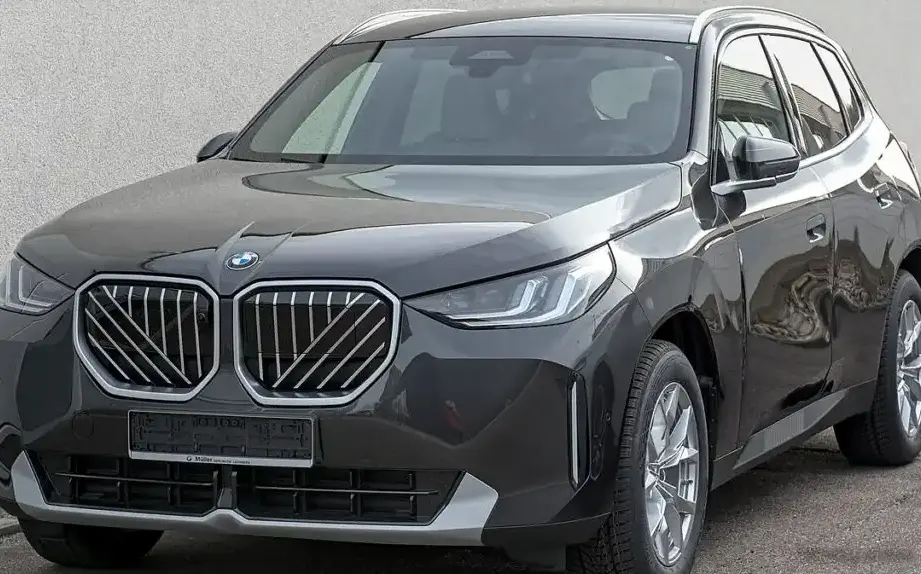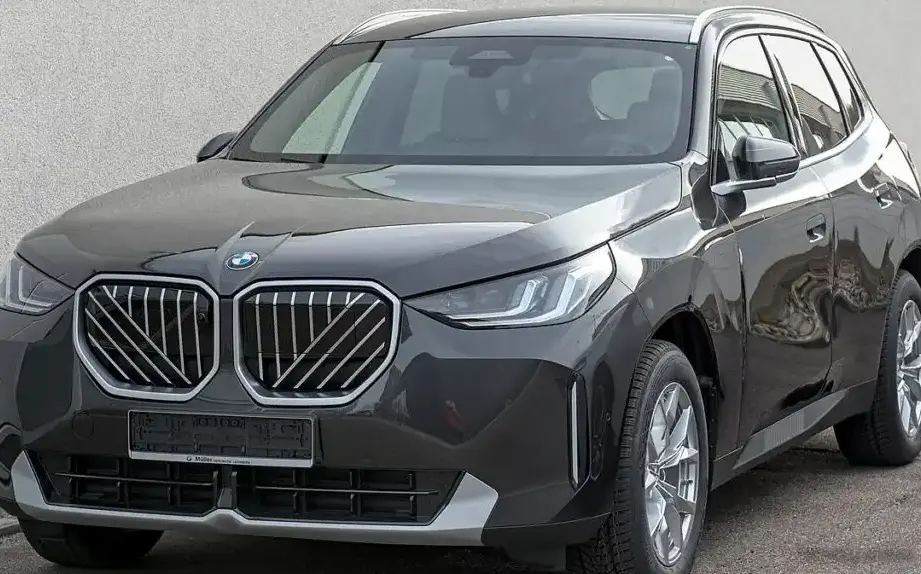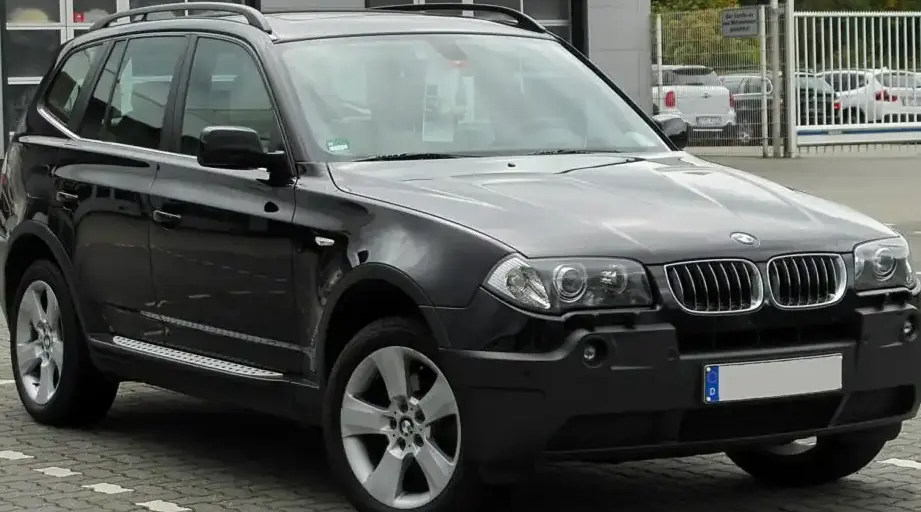
The BMW X3 (E83) 3.0si, produced from 2006 to 2010, represented the high-performance variant of the first-generation X3 compact SUV. Positioned as the flagship model within the E83 range, it offered a significant step up in power and driving dynamics compared to the 2.5i and 2.0d models. The 3.0si was BMW’s answer to the growing demand for a sporty, yet practical, SUV, primarily targeted at buyers in Europe and North America who desired a premium driving experience combined with all-weather capability. It was a key model in establishing BMW’s presence in the burgeoning luxury crossover segment.
Technical Specifications
| Brand | BMW |
| Model | X3 |
| Generation | X3 (E83, facelift 2006) |
| Type (Engine) | 3.0si (272 Hp) |
| Start of production | 2006 |
| End of production | 2010 |
| Powertrain Architecture | Internal Combustion engine |
| Body type | SUV |
| Seats | 5 |
| Doors | 5 |
| Fuel consumption (urban) | 14.2 l/100 km (16.6 US mpg, 19.9 UK mpg, 7 km/l) |
| Fuel consumption (extra urban) | 7.7 l/100 km (30.5 US mpg, 36.7 UK mpg, 13 km/l) |
| Fuel consumption (combined) | 10.1 l/100 km (23.3 US mpg, 28 UK mpg, 9.9 km/l) |
| CO2 emissions | 243 g/km |
| Fuel Type | Petrol (Gasoline) |
| Acceleration 0 – 100 km/h | 7.2 sec |
| Acceleration 0 – 62 mph | 7.2 sec |
| Acceleration 0 – 60 mph | 6.8 sec |
| Maximum speed | 210 km/h (130.49 mph) |
| Emission standard | Euro 4 |
| Weight-to-power ratio | 6.4 kg/Hp, 156.3 Hp/tonne |
| Weight-to-torque ratio | 5.5 kg/Nm, 181 Nm/tonne |
| Power | 272 Hp @ 6650 rpm |
| Power per litre | 90.8 Hp/l |
| Torque | 315 Nm @ 2750 rpm (232.33 lb.-ft. @ 2750 rpm) |
| Engine layout | Front, Longitudinal |
| Engine Model/Code | N52B30A |
| Engine displacement | 2996 cm3 (182.83 cu. in.) |
| Number of cylinders | 6 |
| Engine configuration | Inline |
| Cylinder Bore | 85 mm (3.35 in.) |
| Piston Stroke | 88 mm (3.46 in.) |
| Compression ratio | 10.7:1 |
| Number of valves per cylinder | 4 |
| Fuel injection system | Multi-port manifold injection |
| Engine aspiration | Naturally aspirated engine |
| Engine oil capacity | 6.5 l (6.87 US qt | 5.72 UK qt) |
| Kerb Weight | 1740 kg (3836.04 lbs.) |
| Max. weight | 2260 kg (4982.45 lbs.) |
| Max load | 520 kg (1146.4 lbs.) |
| Trunk (boot) space – minimum | 480 l (16.95 cu. ft.) |
| Trunk (boot) space – maximum | 1560 l (55.09 cu. ft.) |
| Fuel tank capacity | 67 l (17.7 US gal | 14.74 UK gal) |
| Max. roof load | 75 kg (165.35 lbs.) |
| Permitted trailer load with brakes (12%) | 2000 kg (4409.25 lbs.) |
| Permitted trailer load without brakes | 720 kg (1587.33 lbs.) |
| Permitted towbar download | 80 kg (176.37 lbs.) |
| Length | 4569 mm (179.88 in.) |
| Width | 1853 mm (72.95 in.) |
| Width including mirrors | 1987 mm (78.23 in.) |
| Height | 1674 mm (65.91 in.) |
| Wheelbase | 2795 mm (110.04 in.) |
| Front track | 1524 mm (60 in.) |
| Rear (Back) track | 1542 mm (60.71 in.) |
| Front overhang | 821 mm (32.32 in.) |
| Rear overhang | 953 mm (37.52 in.) |
| Ride height (ground clearance) | 201 mm (7.91 in.) |
| Drag coefficient (Cd) | 0.35 |
| Minimum turning circle (turning diameter) | 11.7 m (38.39 ft.) |
| Approach angle | 23.9° |
| Departure angle | 21.8° |
| Ramp-over (brakeover) angle | 17.2° |
| Wading depth | 500 mm (19.69 in.) |
| Drive wheel | All wheel drive (4×4) |
| Number of gears and type of gearbox | 6 gears, manual transmission |
| Front brakes | Disc |
| Rear brakes | Disc |
| Assisting systems | ABS (Anti-lock braking system) |
| Steering type | Steering rack and pinion |
| Power steering | Electric Steering |
| Tires size | 235/55 R17 |
| Wheel rims size | 8.0J x 17 |
INTRODUCTION
The BMW X3 3.0si, introduced as part of the E83 facelift in 2006, was a significant upgrade over the earlier models. Built on the BMW 1HX0/A3 platform, shared with the first-generation X1 and Z4, the 3.0si aimed to deliver a more engaging driving experience within the compact SUV segment. It served as the performance leader of the X3 range until the introduction of the second-generation F25 X3. The facelift brought revised styling, improved interior materials, and, most importantly, the potent N52B30 inline-six engine.
Powertrain & Engine Architecture
The heart of the 3.0si is the N52B30A, a 3.0-liter naturally aspirated inline-six engine. This engine is renowned for its smooth power delivery and responsive nature. It features double VANOS (variable valve timing) for both intake and exhaust camshafts, contributing to its broad torque curve and efficiency. The N52B30A utilizes a multi-port fuel injection system, delivering fuel directly into the intake ports. The engine produces 272 horsepower at 6650 rpm and 315 Nm (232 lb-ft) of torque at 2750 rpm. The 3.0si was exclusively offered with a six-speed manual transmission, providing drivers with full control over the engine’s power. This transmission was known for its precise shifts and robust construction.
Driving Characteristics
The 3.0si offered a noticeably more spirited driving experience than its four-cylinder counterparts. The six-speed manual transmission allowed for quick and precise gear changes, maximizing the engine’s potential. Acceleration from 0 to 60 mph was achieved in approximately 6.8 seconds, making it one of the quickest SUVs in its class at the time. The engine’s torque was readily available across a wide rev range, providing strong acceleration in everyday driving situations. While the X3’s all-wheel-drive system provided excellent traction, the 3.0si’s increased power could overwhelm the tires under hard acceleration, particularly on slippery surfaces. The steering was precise and well-weighted, offering good feedback to the driver.
Equipment & Trim Levels
The 3.0si came standard with a generous array of features, reflecting its position as the range-topping model. Standard equipment included leather upholstery, power-adjustable front seats with memory function, automatic climate control, a premium sound system, and 17-inch alloy wheels. Optional extras included a sunroof, navigation system, sport seats, and metallic paint finishes. The interior trim was typically finished in dark wood or aluminum, adding to the vehicle’s premium feel. The 3.0si also benefited from BMW’s iDrive infotainment system, although the early versions of iDrive were often criticized for their complexity.
Chassis & Braking
The X3 3.0si featured a fully independent suspension system, with MacPherson struts at the front and multi-link suspension at the rear. This setup provided a comfortable ride while maintaining good handling characteristics. The 3.0si was equipped with four-wheel disc brakes, providing ample stopping power. Anti-lock braking system (ABS) was standard, along with electronic brake-force distribution (EBD). The X3’s all-wheel-drive system, xDrive in BMW terminology, was a permanent all-wheel-drive system that distributed power between the front and rear axles as needed, enhancing traction and stability.
Market Reception & Comparison
The X3 3.0si was generally well-received by automotive critics, who praised its powerful engine, engaging handling, and comfortable interior. However, some reviewers noted that the ride could be firm, particularly on rough roads. Compared to the 2.5i and 2.0d models, the 3.0si offered a significant performance advantage, but at the cost of increased fuel consumption. The 3.0si also commanded a higher price tag. Compared to rivals such as the Acura RDX and Audi Q5, the X3 3.0si offered a more sporty driving experience, but the Audi Q5 was often praised for its more refined interior.
Legacy
The BMW X3 E83 3.0si remains a desirable vehicle in the used car market, particularly among enthusiasts who appreciate its engaging driving dynamics and reliable powertrain. The N52B30 engine is known for its longevity, provided it is properly maintained. Common maintenance items include oil changes, spark plug replacements, and valve cover gasket replacements. While the early iDrive system can be prone to glitches, these issues are often easily resolved. The 3.0si represents a sweet spot in the E83 X3 lineup, offering a compelling combination of performance, practicality, and BMW’s signature driving experience.