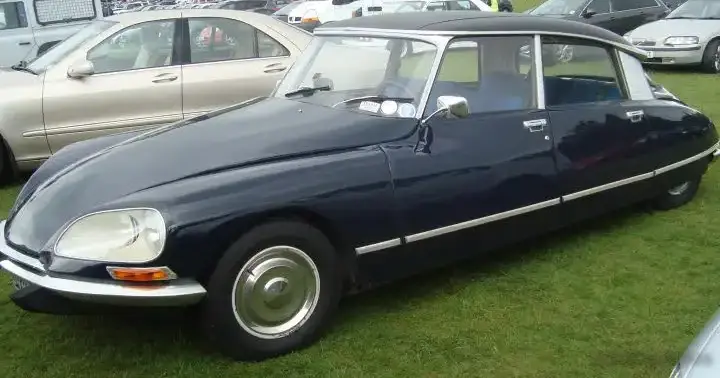
The Citroën DS III 21 ie Automatic, produced between 1971 and 1972, represents a refined iteration of the iconic DS (Déesse – Goddess) model. Positioned as a mid-range offering within the DS III lineup, this variant combined a 2.2-liter inline-four engine with a three-speed automatic transmission, catering to buyers seeking a blend of luxury, performance, and ease of driving. It was part of the larger DS family, which utilized the advanced hydropneumatic suspension system that defined the car’s unique ride quality and handling. The 21 ie Automatic aimed to provide a more accessible entry point into the DS experience compared to the more powerful and expensive Injection models.
Technical Specifications
| Brand | Citroen |
| Model | DS |
| Generation | DS III |
| Type (Engine) | 21 ie (125 Hp) Automatic |
| Start of production | 1971 |
| End of production | 1972 |
| Powertrain Architecture | Internal Combustion engine |
| Body type | Sedan |
| Seats | 5 |
| Doors | 4 |
| Fuel Type | Petrol (Gasoline) |
| Maximum speed | 177 km/h (109.98 mph) |
| Weight-to-power ratio | 10.9 kg/Hp, 91.9 Hp/tonne |
| Weight-to-torque ratio | 7.4 kg/Nm, 134.6 Nm/tonne |
| Power | 125 Hp @ 5250 rpm |
| Power per litre | 57.5 Hp/l |
| Torque | 183 Nm @ 2500 rpm (134.97 lb.-ft. @ 2500 rpm) |
| Engine layout | Front, Longitudinal |
| Engine displacement | 2175 cm3 (132.73 cu. in.) |
| Number of cylinders | 4 |
| Engine configuration | Inline |
| Cylinder Bore | 90 mm (3.54 in.) |
| Piston Stroke | 85.5 mm (3.37 in.) |
| Compression ratio | 9:1 |
| Number of valves per cylinder | 2 |
| Fuel injection system | Multi-port manifold injection |
| Engine aspiration | Naturally aspirated engine |
| Engine oil capacity | 5 l (5.28 US qt | 4.4 UK qt) |
| Coolant | 11 l (11.62 US qt | 9.68 UK qt) |
| Kerb Weight | 1360 kg (2998.29 lbs.) |
| Max. weight | 1840 kg (4056.51 lbs.) |
| Max load | 480 kg (1058.22 lbs.) |
| Trunk (boot) space – minimum | 500 l (17.66 cu. ft.) |
| Fuel tank capacity | 65 l (17.17 US gal | 14.3 UK gal) |
| Length | 4874 mm (191.89 in.) |
| Width | 1803 mm (70.98 in.) |
| Height | 1470 mm (57.87 in.) |
| Wheelbase | 3125 mm (123.03 in.) |
| Front track | 1516 mm (59.69 in.) |
| Rear (Back) track | 1316 mm (51.81 in.) |
| Front overhang | 1016 mm (40 in.) |
| Rear overhang | 733 mm (28.86 in.) |
| Minimum turning circle (turning diameter) | 11 m (36.09 ft.) |
| Drivetrain Architecture | The Internal combustion engine (ICE) drives the front wheels of the vehicle. |
| Drive wheel | Front wheel drive |
| Number of gears and type of gearbox | 3 gears, automatic transmission |
| Front suspension | Hydro-pneumatic element |
| Rear suspension | Hydro-pneumatic element |
| Front brakes | Disc |
| Rear brakes | Drum |
| Steering type | Steering rack and pinion |
| Power steering | Hydraulic Steering |
Powertrain & Engine Architecture
The heart of the DS III 21 ie Automatic is its 2175 cc (132.73 cu. in.) inline-four cylinder engine. This engine, designated with various codes depending on the specific year and market, featured a cast iron block and an aluminum cylinder head. The “ie” designation signifies “injection électronique” – electronic injection, referring to the Bosch multi-port fuel injection system. This system, a significant upgrade over earlier carburetor setups, improved fuel efficiency and engine responsiveness. The engine employed a single overhead camshaft (SOHC) valvetrain with two valves per cylinder. The 9:1 compression ratio was a compromise between performance and the fuel quality available at the time. The three-speed automatic transmission, while providing convenience, was not known for its particularly quick shifts or efficiency compared to the available manual gearbox.
Driving Characteristics
The 125 hp and 135 lb-ft of torque produced by the 21 ie engine provided adequate, but not exhilarating, performance for the DS III. Acceleration was respectable for the era, but the automatic transmission did detract from the engine’s potential. The three-speed gearbox had relatively widely spaced ratios, meaning the engine could feel strained during hard acceleration or at highway speeds. Compared to the manual transmission versions, the automatic felt noticeably slower. However, the DS’s legendary hydropneumatic suspension largely compensated for any performance shortcomings, delivering an exceptionally smooth and comfortable ride, absorbing bumps and imperfections in the road with remarkable ease. The steering, also hydraulically assisted, was light and precise, contributing to a relaxed driving experience.
Equipment & Trim Levels
The DS III 21 ie Automatic was generally well-equipped for its time. Standard features included comfortable cloth upholstery, a wood-trimmed dashboard, and power-assisted steering. The interior was spacious and well-appointed, reflecting Citroën’s commitment to luxury. Optional extras included leather upholstery, a sunroof, and upgraded audio systems. The trim level was generally consistent across the 21 ie Automatic models, with variations primarily stemming from individual customer choices regarding optional equipment.
Chassis & Braking
The DS III featured a monocoque chassis construction, providing a strong and rigid platform. The defining feature of the chassis was, of course, the hydropneumatic suspension system. This system utilized pressurized fluid and nitrogen-filled spheres to provide self-leveling and adjustable ride height. The front suspension employed independent double wishbones, while the rear utilized a trailing arm setup. Braking was accomplished via disc brakes at the front and drum brakes at the rear. The hydraulic braking system, integrated with the hydropneumatic suspension, provided excellent stopping power and control.
Market Reception & Comparison
The DS III 21 ie Automatic was generally well-received by automotive critics, who praised its ride quality, innovative technology, and luxurious interior. However, the automatic transmission was often criticized for its sluggishness and lack of responsiveness. Compared to the manual transmission versions and the more powerful DS 23 Injection models, the 21 ie Automatic was seen as a compromise, offering a more comfortable and convenient driving experience at the expense of outright performance. Fuel economy was also a concern, as the 2.2-liter engine and automatic transmission were not particularly efficient.
Legacy
The Citroën DS III 21 ie Automatic, while not the most sought-after variant of the DS, remains a highly collectible and historically significant automobile. The hydropneumatic suspension system, in particular, is renowned for its durability and sophistication, although maintenance can be complex and expensive. The engine, while not overly powerful, is generally reliable if properly maintained. Today, well-preserved examples of the DS III 21 ie Automatic command a premium in the classic car market, appealing to enthusiasts who appreciate the car’s unique blend of style, innovation, and comfort. The car stands as a testament to Citroën’s engineering prowess and its willingness to challenge conventional automotive design.