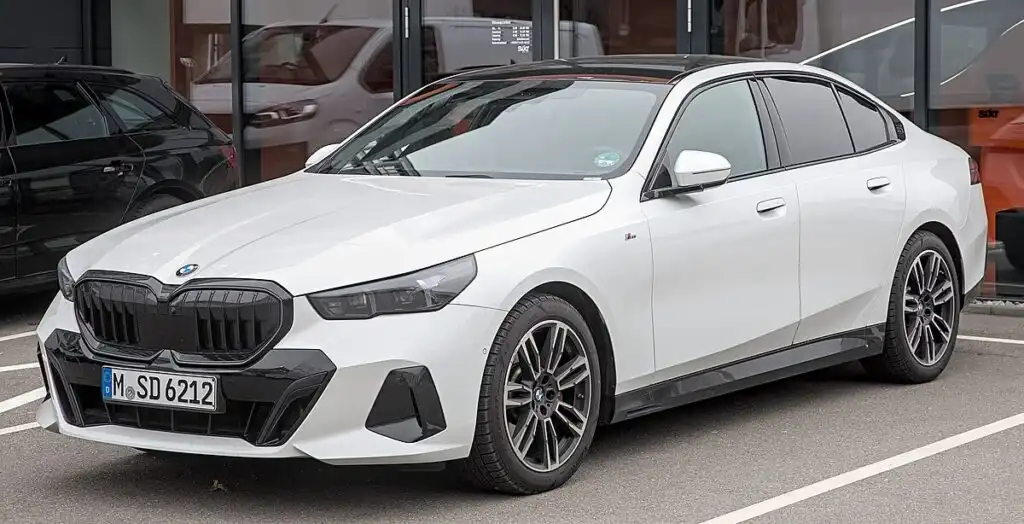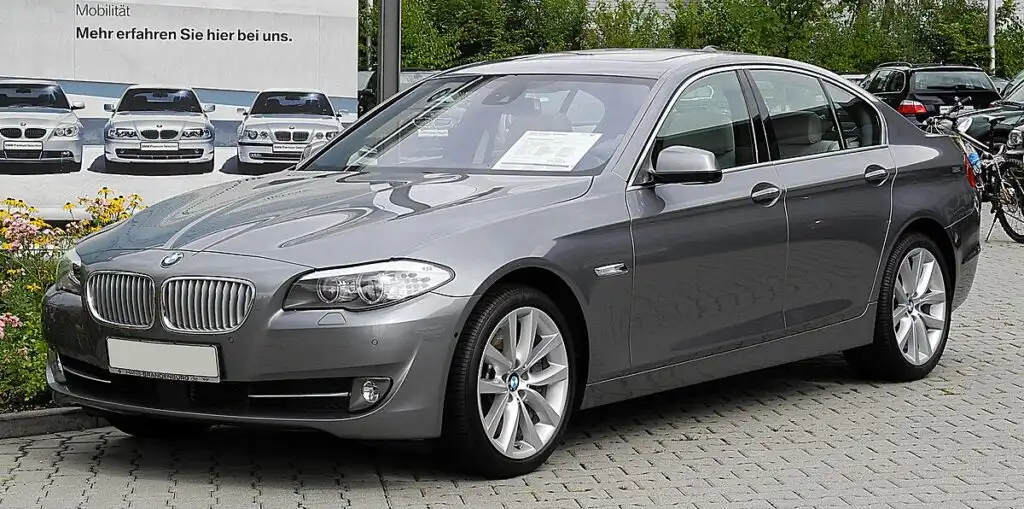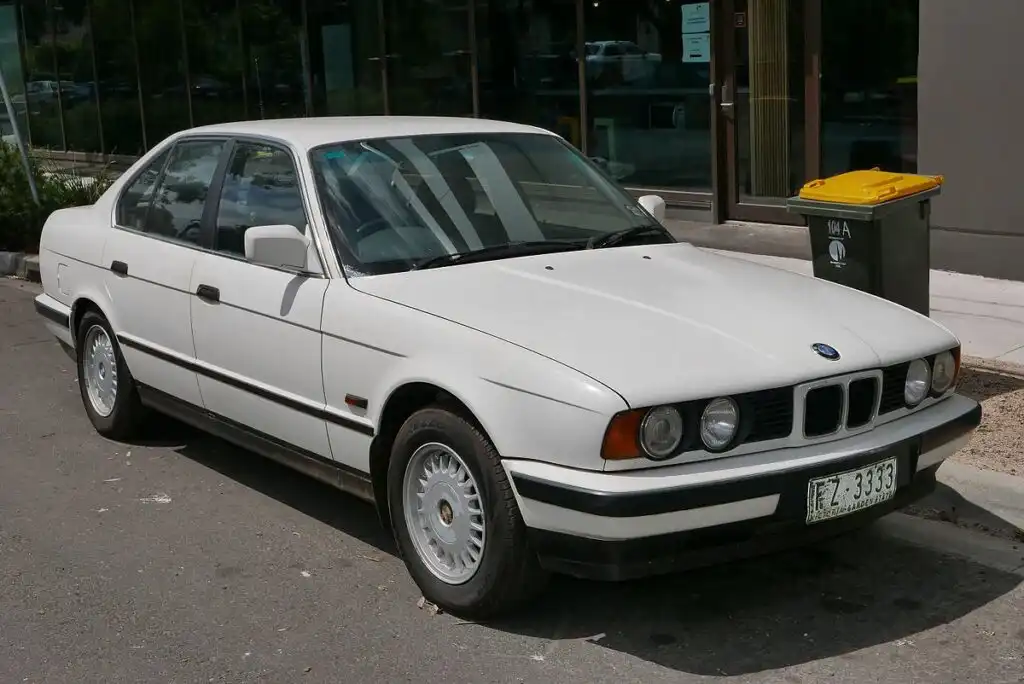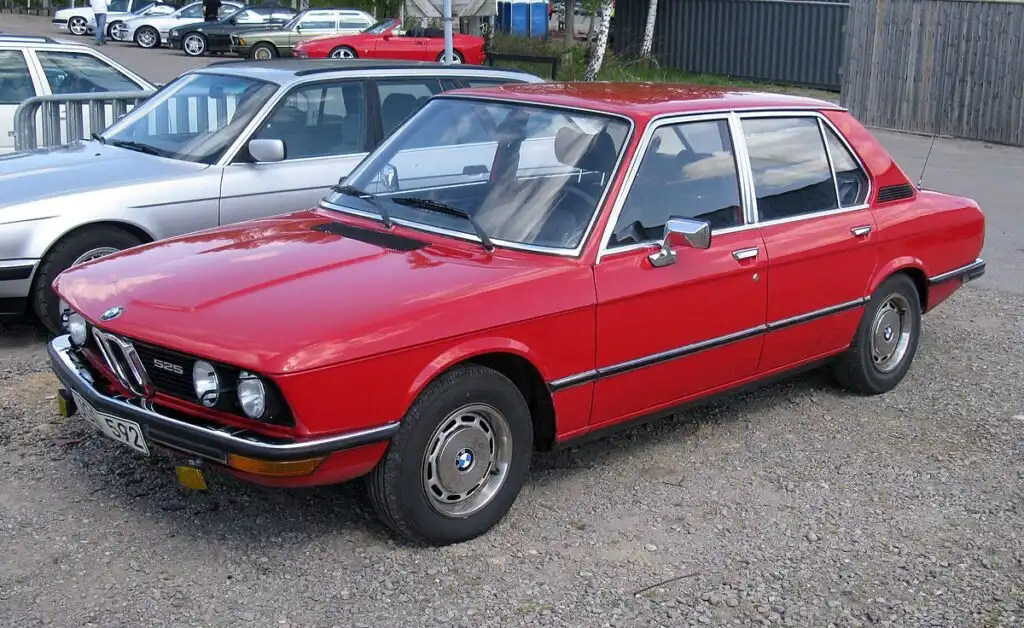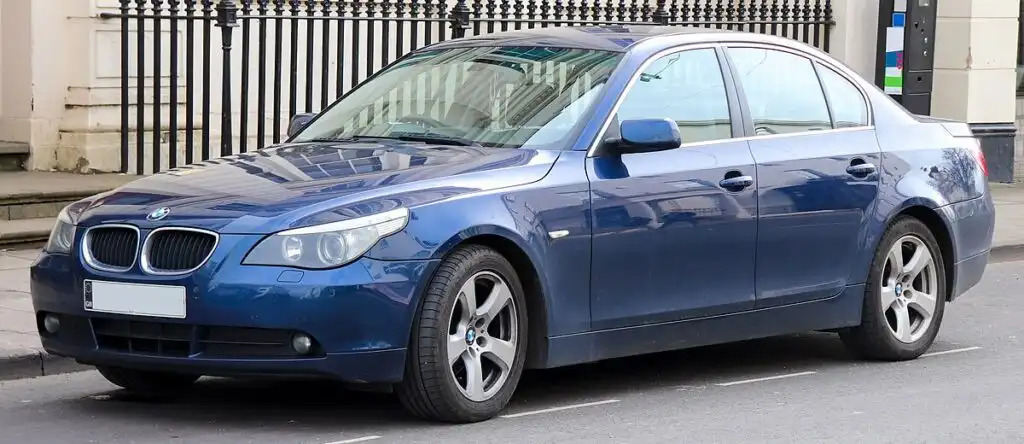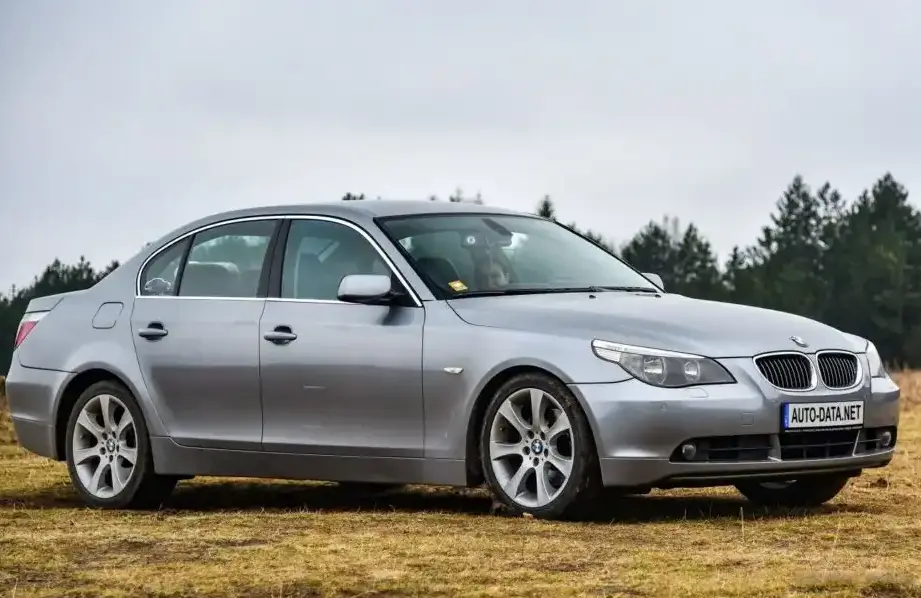
The BMW 5 Series (E60) 530i, produced from 2003 to 2005, represented a significant step forward for BMW’s mid-size executive car. Positioned as a strong contender in the premium sedan segment, the 530i offered a balance of performance, luxury, and technology. It was part of the E60 generation (2003-2010), which introduced a more controversial, yet ultimately successful, design language and a host of innovative features. The 530i specifically served as a mid-range offering within the E60 lineup, slotting between the entry-level 525i and the higher-performance 545i/550i models.
Technical Specifications
| Brand | BMW |
| Model | 5 Series |
| Generation | 5 Series (E60) |
| Type (Engine) | 530i (231 Hp) |
| Start of production | 2003 |
| End of production | 2005 |
| Powertrain Architecture | Internal Combustion engine |
| Body type | Sedan |
| Seats | 5 |
| Doors | 4 |
| Fuel consumption (urban) | 14.1 l/100 km (16.7 US mpg, 20 UK mpg, 7.1 km/l) |
| Fuel consumption (extra urban) | 7 l/100 km (33.6 US mpg, 40.4 UK mpg, 14.3 km/l) |
| Fuel consumption (combined) | 9.5 l/100 km (24.8 US mpg, 29.7 UK mpg, 10.5 km/l) |
| Fuel Type | Petrol (Gasoline) |
| Acceleration 0 – 100 km/h | 6.9 sec |
| Acceleration 0 – 62 mph | 6.9 sec |
| Acceleration 0 – 60 mph | 6.6 sec |
| Maximum speed | 250 km/h (155.34 mph) |
| Weight-to-power ratio | 6.8 kg/Hp, 147.1 Hp/tonne |
| Weight-to-torque ratio | 5.2 kg/Nm, 191.1 Nm/tonne |
| Power | 231 Hp @ 5900 rpm |
| Power per litre | 77.5 Hp/l |
| Torque | 300 Nm @ 3500 rpm (221.27 lb.-ft. @ 3500 rpm) |
| Engine layout | Front, Longitudinal |
| Engine Model/Code | M54B30 |
| Engine displacement | 2979 cm3 (181.79 cu. in.) |
| Number of cylinders | 6 |
| Engine configuration | Inline |
| Cylinder Bore | 84 mm (3.31 in.) |
| Piston Stroke | 89.6 mm (3.53 in.) |
| Compression ratio | 10.2:1 |
| Number of valves per cylinder | 4 |
| Fuel injection system | Multi-port manifold injection |
| Engine aspiration | Naturally aspirated engine |
| Valvetrain | DOHC |
| Engine oil capacity | 6.5 l (6.87 US qt | 5.72 UK qt) |
| Coolant | 9.8 l (10.36 US qt | 8.62 UK qt) |
| Kerb Weight | 1570 kg (3461.26 lbs.) |
| Max. weight | 2055 kg (4530.5 lbs.) |
| Max load | 485 kg (1069.24 lbs.) |
| Trunk (boot) space – minimum | 520 l (18.36 cu. ft.) |
| Fuel tank capacity | 70 l (18.49 US gal | 15.4 UK gal) |
| Length | 4841 mm (190.59 in.) |
| Width | 1846 mm (72.68 in.) |
| Height | 1464 mm (57.64 in.) |
| Wheelbase | 2888 mm (113.7 in.) |
| Front track | 1558 mm (61.34 in.) |
| Rear (Back) track | 1582 mm (62.28 in.) |
| Drag coefficient (Cd) | 0.28 |
| Drivetrain Architecture | The Internal combustion engine (ICE) drives the rear wheels of the vehicle. |
| Drive wheel | Rear wheel drive |
| Number of gears and type of gearbox | 6 gears, manual transmission |
| Front suspension | Coil spring |
| Rear suspension | Coil spring |
| Front brakes | Ventilated discs |
| Rear brakes | Disc |
| Assisting systems | ABS (Anti-lock braking system) |
| Steering type | Steering rack and pinion |
| Power steering | Hydraulic Steering |
| Tires size | 225/55 R16 |
| Wheel rims size | 7J x 16 |
Powertrain & Engine Architecture
The heart of the 530i is the M54B30, a 3.0-liter inline-six engine. This engine is a naturally aspirated powerplant, meaning it doesn’t rely on turbocharging or supercharging for increased power. It utilizes a double overhead camshaft (DOHC) valvetrain with four valves per cylinder, contributing to its smooth power delivery and relatively high specific output. Fuel is delivered via a multi-port fuel injection system, carefully metering gasoline into the intake ports. The M54 engine is renowned for its durability and relatively simple design, making it a favorite among enthusiasts. The 530i was typically equipped with a 6-speed manual transmission, but a 5-speed automatic transmission was also available, and is the focus of this article. This automatic transmission, while offering convenience, featured a torque converter and traditional planetary gearsets.
Driving Characteristics
The 530i with the automatic transmission offered a comfortable and refined driving experience. While not as overtly sporty as the manual version or the higher-powered 545i, it provided ample power for everyday driving and highway cruising. The automatic transmission, while smooth, did slightly diminish the engine’s responsiveness compared to the manual. Gear changes were generally well-timed, but lacked the direct engagement offered by a manual gearbox. The 0-60 mph time of around 6.6 seconds was respectable for the era, and the engine’s 300 Nm (221 lb-ft) of torque provided good mid-range acceleration. The automatic transmission’s gear ratios were tuned for fuel efficiency and comfort, rather than outright performance.
Equipment & Trim Levels
The 530i came standard with a generous array of features, including leatherette upholstery, automatic climate control, power-adjustable front seats, and a multi-function steering wheel. Optional extras included genuine leather upholstery, a premium sound system, navigation system, sunroof, and sport package (which added sport seats, suspension tuning, and exterior styling cues). The interior design was typical BMW, emphasizing functionality and a driver-focused layout. The dashboard featured clear instrumentation and logically placed controls. Trim levels were relatively simple, with most options being added individually rather than bundled into specific packages.
Chassis & Braking
The E60 5 Series utilized a MacPherson strut front suspension and a multi-link rear suspension, providing a comfortable ride and good handling characteristics. The 530i’s suspension was tuned for a balance between comfort and control. Braking duties were handled by ventilated discs at the front and solid discs at the rear, equipped with ABS (Anti-lock Braking System). The steering was a hydraulic rack-and-pinion system, offering precise and responsive steering feel. The chassis was designed to be rigid, contributing to the car’s overall stability and handling prowess.
Market Reception & Comparison
The 530i was generally well-received by automotive critics. It was praised for its refined engine, comfortable ride, and well-appointed interior. However, some critics noted that the automatic transmission dulled the engine’s performance slightly. Compared to the 525i, the 530i offered a noticeable power increase and a more engaging driving experience. Compared to the 545i, it was less powerful but more fuel-efficient and more affordable. Fuel economy was reasonable for a car of its size and performance, averaging around 24.8 US mpg in combined driving. Reliability was generally good, although some owners reported issues with the cooling system and electrical components.
Legacy
The E60 530i, particularly the automatic transmission variant, has become a popular choice in the used car market. The M54 engine is known for its longevity and relatively low maintenance costs. While not as sought-after as the manual transmission or higher-performance models, the 530i offers a compelling combination of luxury, performance, and value. Its relatively simple design and readily available parts make it a relatively easy car to maintain. Today, well-maintained examples of the E60 530i can still provide years of reliable service, offering a taste of BMW’s engineering excellence at an affordable price.