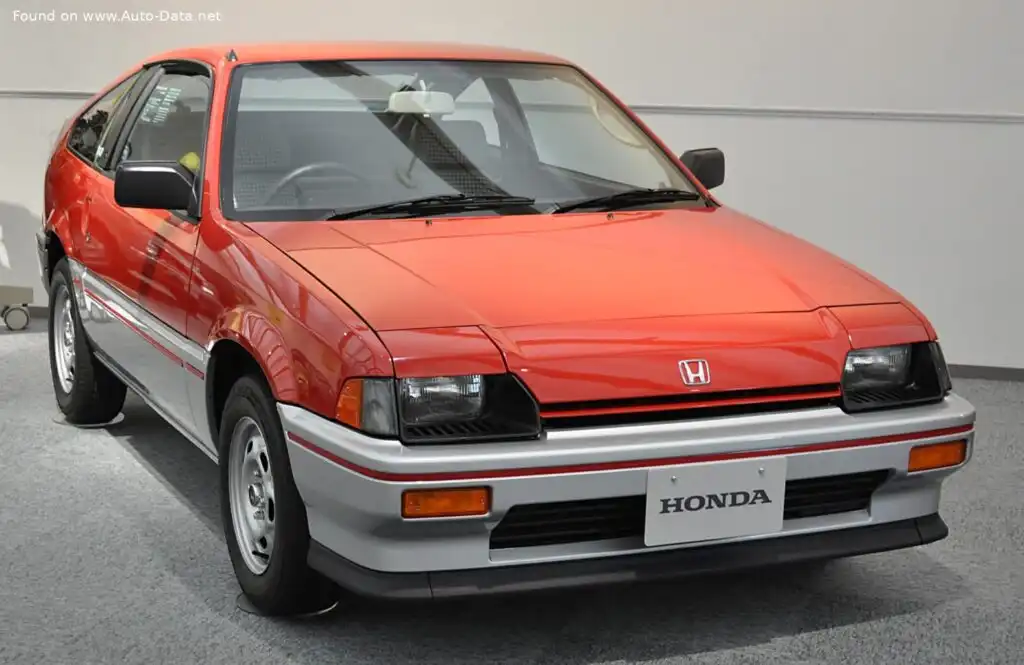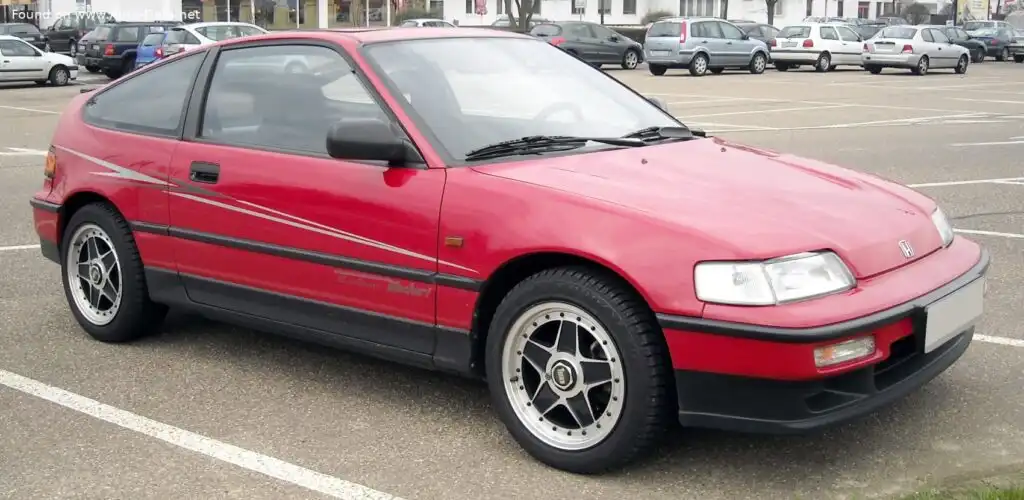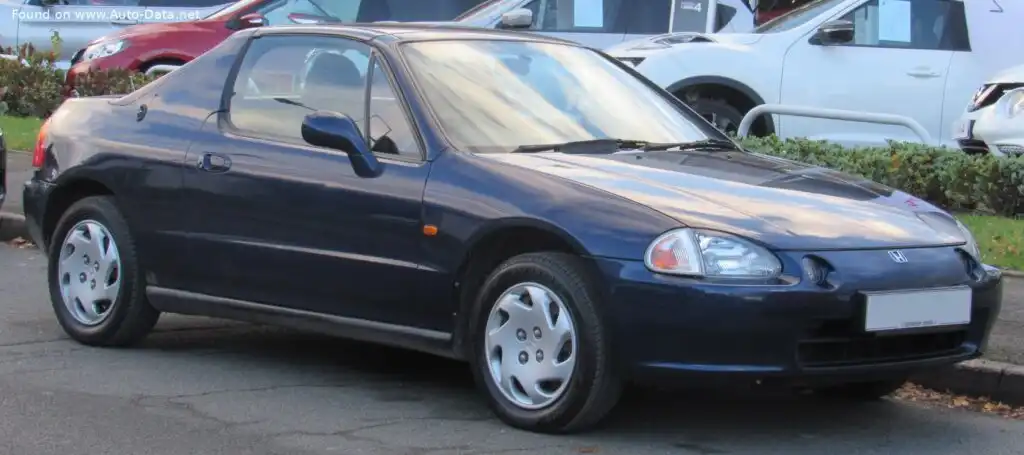
The Honda CRX III 1.6 ESi (EH6), produced between 1992 and 1997, represents a high-water mark in the CRX lineage, blending sporty handling with respectable fuel economy. Part of the EH/EG chassis generation, the 1.6 ESi occupied a mid-range position within the CRX lineup, offering a step up in performance and features compared to the base models, but remaining more accessible than the flagship Si trim. This targa-top variant was primarily sold in Europe and Japan, with limited availability in the North American market. The EH6 model is particularly noted for its refined 1.6-liter engine and its focus on providing an engaging driving experience for enthusiasts.
Technical Specifications
| Brand | Honda |
| Model | CRX |
| Generation | CRX III (EH,EG) |
| Type (Engine) | 1.6 ESi (EH6) (125 Hp) |
| Start of production | 1992 |
| End of production | 1997 |
| Powertrain Architecture | Internal Combustion engine |
| Body type | Targa |
| Seats | 2 |
| Doors | 2 |
| Fuel consumption (urban) | 8.9 l/100 km (26.4 US mpg) |
| Fuel consumption (extra urban) | 5.9 l/100 km (39.9 US mpg) |
| Fuel consumption (combined) | 7.5 l/100 km (31.4 US mpg) |
| Fuel Type | Petrol (Gasoline) |
| Acceleration 0 – 100 km/h | 8.7 sec |
| Acceleration 0 – 62 mph | 8.7 sec |
| Acceleration 0 – 60 mph | 8.3 sec |
| Maximum speed | 182 km/h (113.09 mph) |
| Weight-to-power ratio | 8 kg/Hp |
| Weight-to-torque ratio | 6.9 kg/Nm |
| Power | 125 Hp @ 6600 rpm |
| Torque | 144 Nm @ 4700 rpm (106.21 lb.-ft. @ 4700 rpm) |
| Engine layout | Front, Transverse |
| Engine Model/Code | D16Z6 |
| Engine displacement | 1590 cm3 (97.03 cu. in.) |
| Number of cylinders | 4 |
| Engine configuration | Inline |
| Cylinder Bore | 75 mm (2.95 in.) |
| Piston Stroke | 90 mm (3.54 in.) |
| Compression ratio | 9.6:1 |
| Number of valves per cylinder | 4 |
| Fuel injection system | Multi-port manifold injection |
| Engine aspiration | Naturally aspirated engine |
| Valvetrain | OHC |
| Engine oil capacity | 3.3 l (3.49 US qt | 2.9 UK qt) |
| Coolant capacity | 4.5 l (4.76 US qt | 3.96 UK qt) |
| Kerb Weight | 1000 kg (2204.62 lbs.) |
| Max. weight | 1320 kg (2910.1 lbs.) |
| Max load | 320 kg (705.48 lbs.) |
| Trunk (boot) space – minimum | 300 l (10.59 cu. ft.) |
| Fuel tank capacity | 45 l (11.89 US gal | 9.9 UK gal) |
| Length | 4005 mm (157.68 in.) |
| Width | 1695 mm (66.73 in.) |
| Height | 1255 mm (49.41 in.) |
| Wheelbase | 2370 mm (93.31 in.) |
| Front track | 1475 mm (58.07 in.) |
| Rear (Back) track | 1465 mm (57.68 in.) |
| Minimum turning circle | 9.4 m (30.84 ft.) |
| Drivetrain Architecture | Front wheel drive |
| Number of gears and type of gearbox | 5 gears, manual transmission |
| Front suspension | Double wishbone |
| Rear suspension | Double wishbone |
| Front brakes | Ventilated discs |
| Rear brakes | Drum |
| Steering type | Steering rack and pinion |
| Power steering | Hydraulic Steering |
| Tires size | 185/60 R14 H |
Powertrain & Engine Architecture
The heart of the 1.6 ESi is the D16Z6 engine, a 1.6-liter (1590cc) inline-four cylinder powerplant. This engine utilizes a single overhead camshaft (SOHC) valvetrain with four valves per cylinder, contributing to its relatively high output for its displacement. The D16Z6 featured multi-point fuel injection, improving fuel atomization and combustion efficiency. The engine’s 9.6:1 compression ratio was a key factor in its performance. The 1.6 ESi was exclusively offered with a five-speed manual transmission, providing drivers with full control over the engine’s powerband. This transmission was known for its precise shifts and relatively short throw.
Driving Characteristics
The 1.6 ESi offered a balanced driving experience. While not as overtly powerful as the Si models, the 125 horsepower and 106 lb-ft of torque provided ample power for spirited driving. The car’s lightweight construction – around 2200 pounds – contributed to its nimble handling. The five-speed manual transmission allowed drivers to keep the engine in its optimal power range, resulting in brisk acceleration. The gear ratios were well-matched for everyday driving and provided enough flexibility for highway cruising. Compared to the higher-output Si, the ESi felt more relaxed and easier to drive in urban environments, while still offering a satisfying level of performance.
Equipment & Trim Levels
The 1.6 ESi trim level offered a good level of standard equipment. Interior features typically included cloth upholstery, power windows, power door locks, and a basic audio system. The dashboard layout was functional and driver-focused. Optional extras included air conditioning, a sunroof (often standard on the targa top), and upgraded audio systems. The ESi trim was positioned as a step above the base CRX models, offering a more comfortable and well-equipped interior without the higher price tag of the Si.
Chassis & Braking
The CRX III utilized a lightweight chassis with independent double wishbone suspension at all four corners. This suspension setup provided excellent handling and ride quality. The front brakes were ventilated discs, offering good stopping power, while the rear brakes were drums. This configuration was typical for vehicles in this weight class during the early 1990s. The steering was a rack-and-pinion system with hydraulic power assistance, providing precise and responsive steering feel. The relatively low curb weight of the CRX contributed to its agile handling characteristics.
Market Reception & Comparison
The 1.6 ESi was generally well-received by automotive critics. It was praised for its sporty handling, fuel efficiency, and overall value. Compared to the higher-performance Si models, the ESi offered a more affordable entry point into the CRX lineup. Fuel economy was a strong point, with combined figures around 31.4 US mpg. Reliability was also a key strength, with the D16Z6 engine proving to be durable and long-lasting. Some critics noted that the ESi lacked the outright performance of the Si, but acknowledged that it provided a more balanced and practical driving experience.
Legacy
The Honda CRX III 1.6 ESi (EH6) has maintained a strong following among Honda enthusiasts. The D16Z6 engine is known for its reliability and tunability, making it a popular choice for engine swaps and modifications. The car’s lightweight construction and sporty handling continue to appeal to drivers who appreciate a fun and engaging driving experience. In the used car market, well-maintained examples of the 1.6 ESi are becoming increasingly collectible, particularly those with low mileage and original features. The EH6 remains a testament to Honda’s engineering prowess and its commitment to building fun-to-drive, fuel-efficient vehicles.