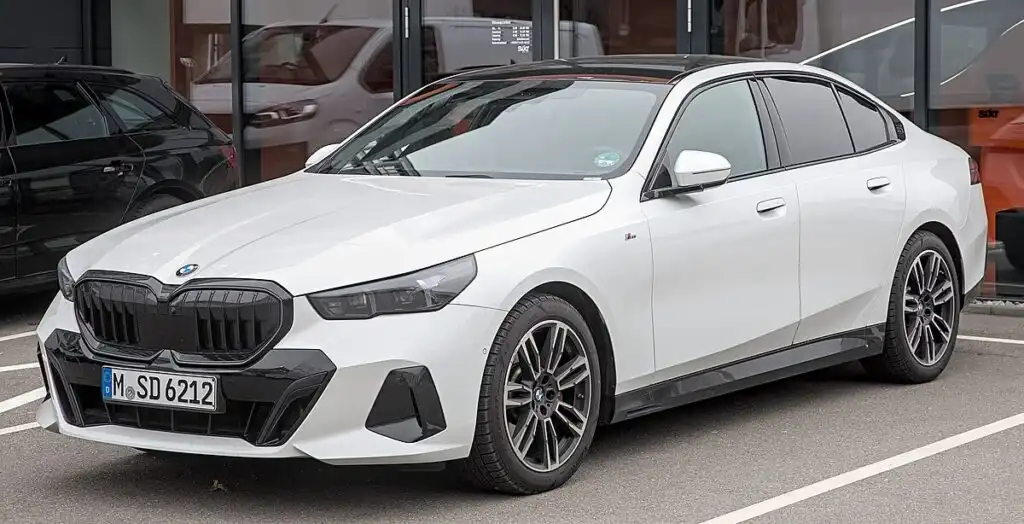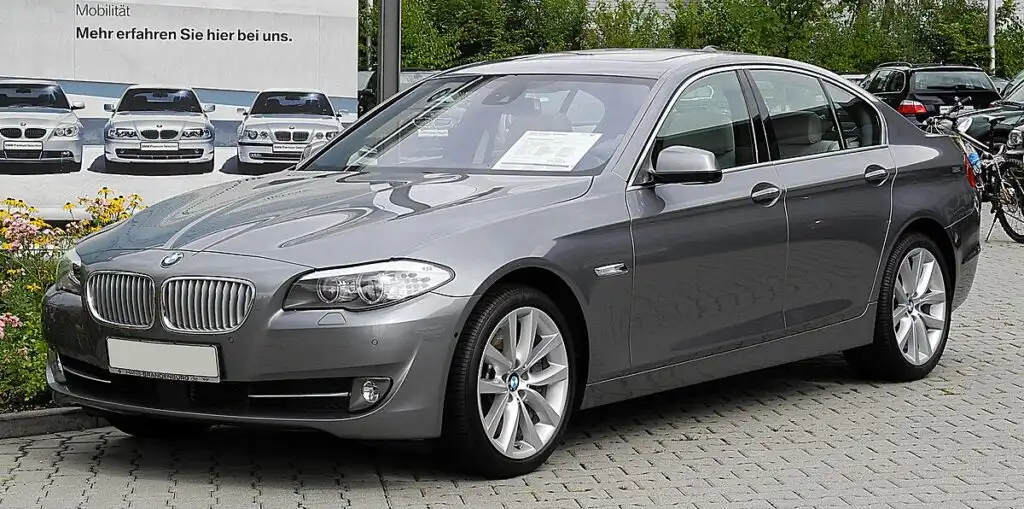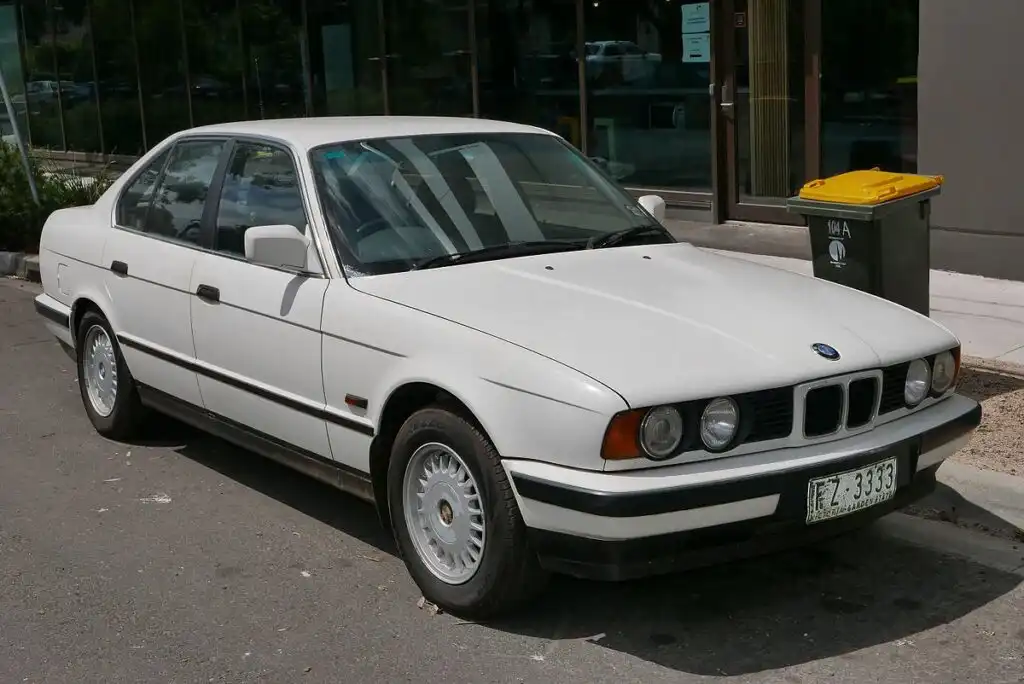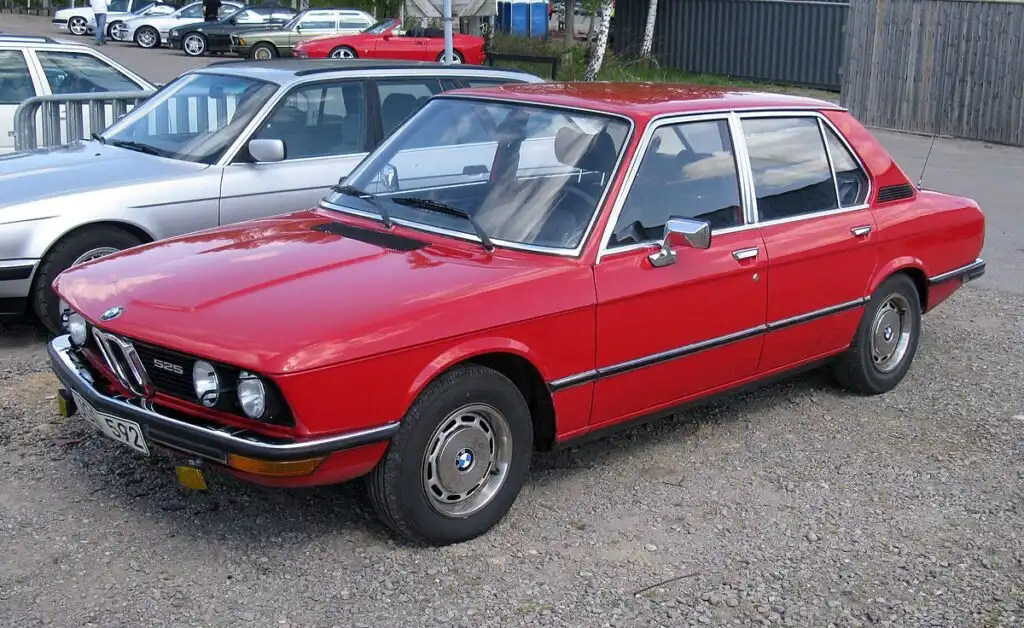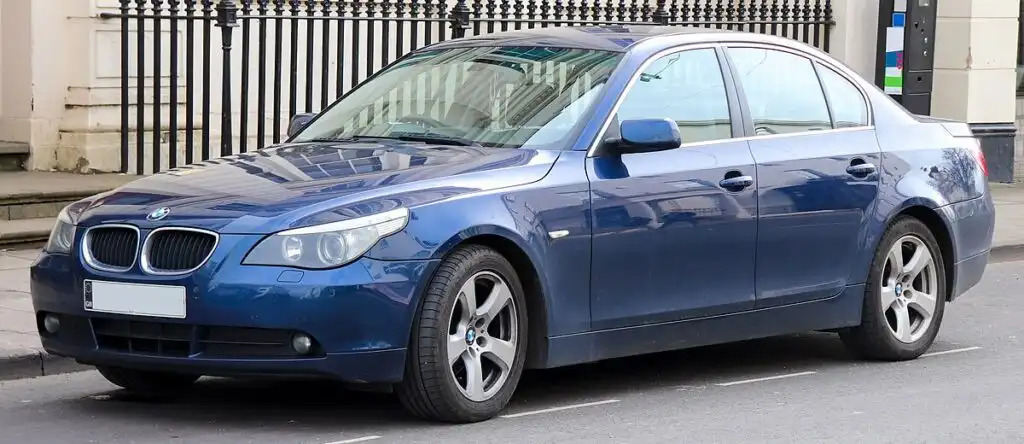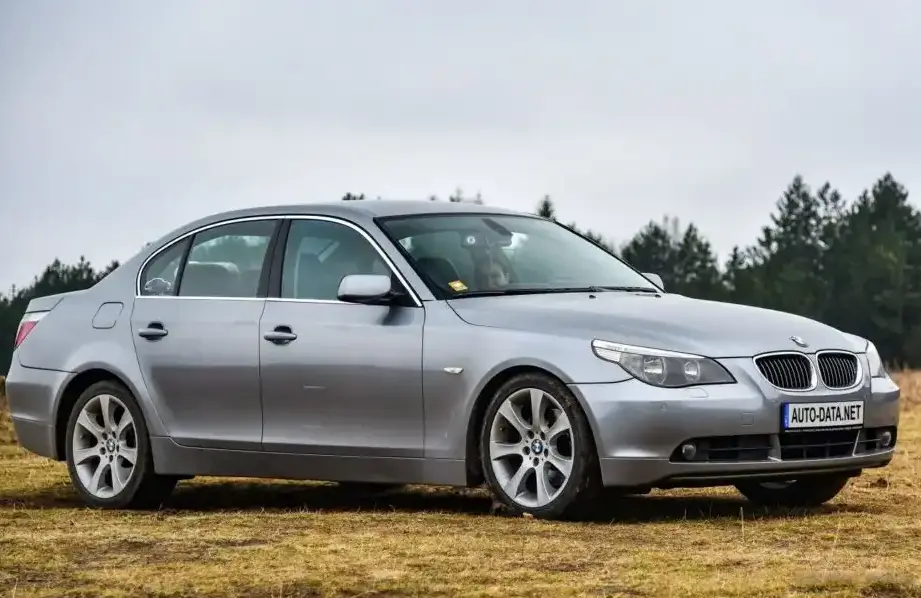
The BMW 5 Series (E60) 530i, produced from 2005 to 2007, represented a significant evolution in BMW’s mid-size executive car lineup. Positioned as a strong performer within the E60 generation (2003-2010), the 530i offered a balance between performance and efficiency, appealing to buyers seeking a refined driving experience without the outright cost or sporting focus of the higher-tier models like the 545i or 550i. It served as a key model in the North American market, where BMW sought to maintain its position as a leading luxury brand. The E60 platform, internally designated as the ‘Neue Klasse’ (New Class), aimed to blend technological innovation with traditional BMW driving dynamics.
Technical Specifications
| Brand | BMW |
| Model | 5 Series |
| Generation | 5 Series (E60) |
| Type (Engine) | 530i (258 Hp) |
| Start of production | 2005 |
| End of production | 2007 |
| Powertrain Architecture | Internal Combustion engine |
| Body type | Sedan |
| Seats | 5 |
| Doors | 4 |
| Fuel consumption (economy) – urban | 12.6 l/100 km (18.7 US mpg) |
| Fuel consumption (economy) – extra urban | 6.6 l/100 km (35.6 US mpg) |
| Fuel Type | Petrol (Gasoline) |
| Acceleration 0 – 100 km/h | 6.5 sec |
| Acceleration 0 – 62 mph | 6.5 sec |
| Acceleration 0 – 60 mph | 6.2 sec |
| Maximum speed | 250 km/h (155.34 mph) |
| Weight-to-power ratio | 5.8 kg/Hp, 171.4 Hp/tonne |
| Weight-to-torque ratio | 5 kg/Nm, 199.3 Nm/tonne |
| Power | 258 Hp @ 6600 rpm |
| Power per litre | 86.1 Hp/l |
| Torque | 300 Nm @ 2500 rpm (221.27 lb.-ft. @ 2500 rpm) |
| Engine layout | Front, Longitudinal |
| Engine Model/Code | N52B30A |
| Engine displacement | 2996 cm3 (182.83 cu. in.) |
| Number of cylinders | 6 |
| Engine configuration | Inline |
| Cylinder Bore | 85 mm (3.35 in.) |
| Piston Stroke | 88 mm (3.46 in.) |
| Compression ratio | 10.7:1 |
| Number of valves per cylinder | 4 |
| Fuel injection system | Multi-port manifold injection |
| Engine aspiration | Naturally aspirated engine |
| Engine oil capacity | 6.5 l (6.87 US qt | 5.72 UK qt) |
| Coolant | 10 l (10.57 US qt | 8.8 UK qt) |
| Kerb Weight | 1505 kg (3317.96 lbs.) |
| Max. weight | 2060 kg (4541.52 lbs.) |
| Max load | 555 kg (1223.57 lbs.) |
| Trunk (boot) space – minimum | 520 l (18.36 cu. ft.) |
| Fuel tank capacity | 70 l (18.49 US gal | 15.4 UK gal) |
| Length | 4841 mm (190.59 in.) |
| Width | 1846 mm (72.68 in.) |
| Height | 1468 mm (57.8 in.) |
| Wheelbase | 2888 mm (113.7 in.) |
| Front track | 1558 mm (61.34 in.) |
| Rear (Back) track | 1582 mm (62.28 in.) |
| Drag coefficient (Cd) | 0.28 |
| Drivetrain Architecture | The Internal combustion engine (ICE) drives the rear wheels of the vehicle. |
| Drive wheel | Rear wheel drive |
| Number of gears and type of gearbox | 6 gears, manual transmission |
| Front suspension | Coil spring |
| Rear suspension | Coil spring |
| Front brakes | Ventilated discs |
| Rear brakes | Disc |
| Assisting systems | ABS (Anti-lock braking system) |
| Steering type | Steering rack and pinion |
| Power steering | Hydraulic Steering |
| Tires size | 225/55 R16 |
| Wheel rims size | 7J x 16 |
Powertrain & Engine Architecture
The heart of the 530i was the N52B30A, a 3.0-liter inline-six cylinder engine. This engine was a key component of BMW’s new generation of naturally aspirated powerplants, replacing the older M54 engine. The N52 featured a magnesium alloy engine block, double VANOS (variable valve timing) for both intake and exhaust camshafts, and a six-port cylinder head. These features contributed to improved efficiency and a broader torque curve. Fuel delivery was handled by a Siemens multi-port fuel injection system. The engine produced 258 horsepower at 6600 rpm and 221 lb-ft of torque at 2500 rpm. The standard transmission for the 530i was a six-speed manual, but a six-speed automatic transmission (specifically the ZF 6HP19) was also available, and quite popular in the US market. The automatic transmission offered smooth shifts and adaptive shift programs, prioritizing either fuel economy or performance based on driver input.
Driving Characteristics
The 530i with the automatic transmission provided a comfortable and refined driving experience. While not as overtly sporty as the manual version or the higher-powered 545i, it offered ample power for everyday driving and highway cruising. The automatic transmission’s gear ratios were tuned for a balance of acceleration and fuel efficiency. The 0-60 mph time of around 6.2 seconds was respectable for the era. Compared to the manual transmission, the automatic slightly dulled the engine’s responsiveness, but it also made the car more accessible to a wider range of drivers. The rear-wheel-drive configuration provided balanced handling, and the E60’s chassis offered a good blend of ride comfort and cornering stability.
Equipment & Trim Levels
The 530i typically came standard with features such as leatherette upholstery, power-adjustable front seats, automatic climate control, a CD stereo system, and 16-inch alloy wheels. Optional extras included premium leather upholstery, a sunroof, navigation system, upgraded audio systems (including Harman Kardon), and active steering. The Sport Package added features like sport seats, sport suspension, and unique exterior trim. The Premium Package bundled together several popular options, such as the sunroof, navigation, and upgraded audio. Interior trim options ranged from wood veneers to aluminum accents, allowing buyers to personalize the cabin to their taste.
Chassis & Braking
The E60 530i utilized a MacPherson strut front suspension and a multi-link rear suspension. This setup provided a comfortable ride while maintaining good handling characteristics. The standard brakes consisted of ventilated discs at the front and solid discs at the rear. Anti-lock brakes (ABS) were standard, as was dynamic stability control (DSC), which helped to prevent skidding. The steering system was a rack-and-pinion setup with hydraulic power assistance. The 530i’s weight distribution was relatively balanced, contributing to its neutral handling characteristics.
Market Reception & Comparison
The 530i was generally well-received by automotive critics. It was praised for its refined engine, comfortable ride, and well-appointed interior. However, some critics noted that the automatic transmission could feel slightly sluggish at times, and that the car lacked the outright sporting character of some of its rivals. Compared to the 525i, the 530i offered a significant performance upgrade. Compared to the 545i, it was more fuel-efficient and less expensive, but it lacked the 545i’s V8 power. Fuel economy was rated at around 18.7 mpg city and 35.6 mpg highway, which was competitive for its class.
Legacy
The E60 530i, particularly the N52-powered versions, has proven to be a relatively reliable car over the long term. The N52 engine is known for its durability, although it can be susceptible to oil leaks and cooling system issues if not properly maintained. The ZF 6HP19 automatic transmission is also generally reliable, but it requires regular fluid changes to prevent problems. Today, the E60 530i represents an affordable entry point into BMW ownership, offering a blend of luxury, performance, and reliability. Well-maintained examples are still relatively common on the used car market, and they continue to appeal to enthusiasts who appreciate the classic BMW driving experience.