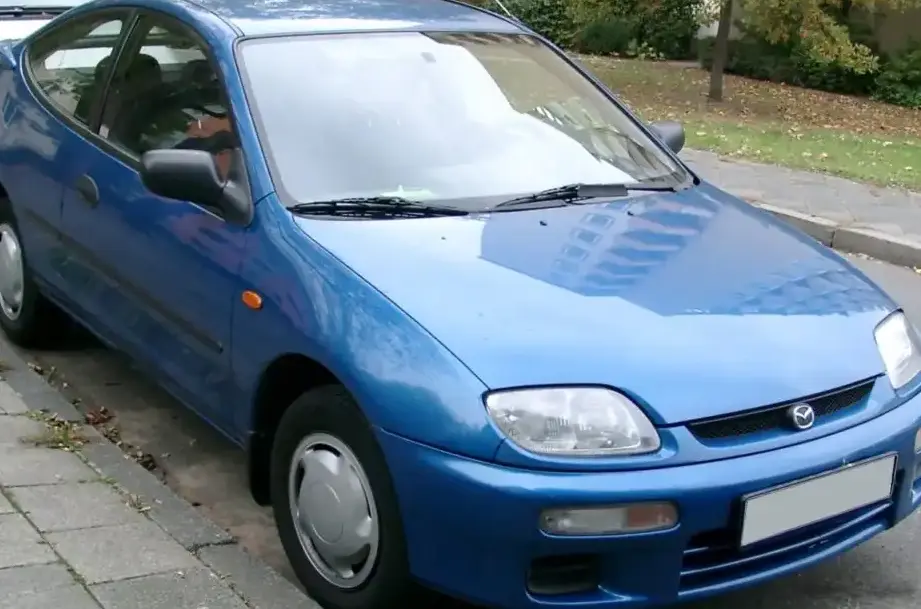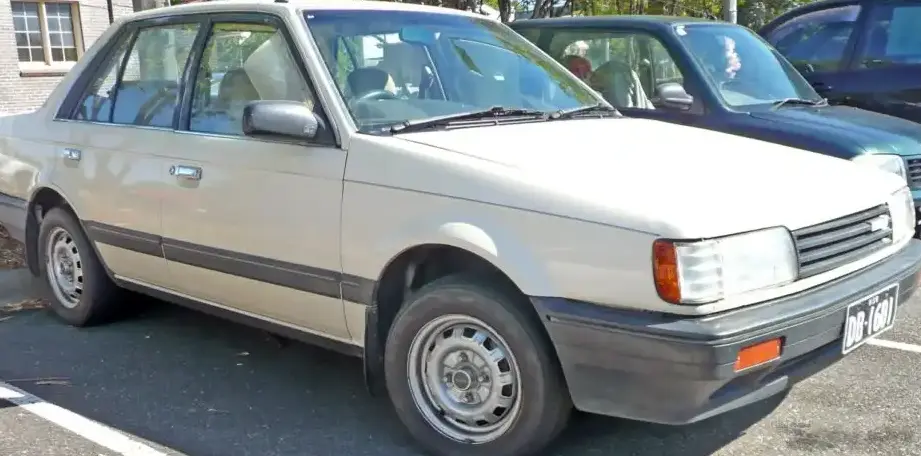
The Mazda 323 III (BF) 1.5i, produced between 1985 and 1989, represented a significant step forward for Mazda’s compact offering. Falling within the BF generation of the 323, this variant was positioned as an entry-level to mid-range model, offering a balance of affordability, fuel efficiency, and practicality. The BF series, sold globally under various names including the Ford Astina in some markets, aimed to compete with established rivals like the Honda Civic, Toyota Corolla, and Nissan Sentra. The 1.5i model, with its 95 horsepower engine, was a mainstay of the lineup, particularly in markets where larger engines faced higher taxation or were less desirable due to fuel costs. It served as a crucial volume seller for Mazda during this period, establishing a foothold in the increasingly competitive compact car segment.
Technical Specifications
| Brand | Mazda |
| Model | 323 |
| Generation | 323 III (BF) |
| Type (Engine) | 1.5 i (95 Hp) |
| Start of production | 1985 |
| End of production | 1989 |
| Powertrain Architecture | Internal Combustion engine |
| Body type | Sedan |
| Fuel Type | Petrol (Gasoline) |
| Power | 95 Hp |
| Engine aspiration | Naturally aspirated engine |
Powertrain & Engine Architecture
The heart of the 323 III 1.5i was the Mazda B6 engine, a 1.5-liter inline-four cylinder gasoline engine. This engine, designated as the B6-10, featured a single overhead camshaft (SOHC) valvetrain operating two valves per cylinder. Fuel delivery was managed by a carburetor in earlier models (1985-1986) and transitioned to electronic fuel injection (EFI) in later years (1987-1989), improving efficiency and reducing emissions. The EFI system utilized a throttle body injection setup, a relatively simple and cost-effective method of fuel delivery. The engine produced 95 horsepower at 6000 rpm and approximately 93 lb-ft of torque at 3000 rpm. The engine block was constructed from cast iron, providing durability, while the cylinder head was made of aluminum alloy to reduce weight. The 323 1.5i was typically paired with either a four-speed manual transmission or a four-speed automatic transmission. The automatic transmission, while offering convenience, was known for its relatively conservative gearing, prioritizing fuel economy over outright performance. The engine’s design emphasized reliability and ease of maintenance, making it a popular choice for drivers seeking a dependable and affordable vehicle.
Driving Characteristics
The driving experience in the 323 III 1.5i was characterized by its practicality and ease of use. The 95 horsepower engine provided adequate, though not exhilarating, performance for everyday driving. Acceleration from 0 to 60 mph took approximately 11-12 seconds, making it competitive with other cars in its class. The four-speed automatic transmission, while smooth in operation, resulted in noticeable gear changes and a slight delay in response. Compared to the five-speed manual version, the automatic offered less driver engagement and a slightly lower fuel economy. The suspension, consisting of MacPherson struts in the front and a torsion beam rear axle, provided a comfortable ride, absorbing bumps and imperfections in the road reasonably well. However, the handling was not particularly sporty, with noticeable body roll during cornering. The steering was light and easy to use, making it well-suited for urban driving. Overall, the 1.5i automatic was a competent and predictable vehicle, prioritizing comfort and convenience over sporty handling or rapid acceleration.
Equipment & Trim Levels
The 323 III 1.5i typically came equipped with a fairly basic level of standard features, reflecting its position as an entry-level model. Standard equipment generally included cloth upholstery, a basic AM/FM radio, and manual windows and door locks. Later models (1987-1989) with EFI often included a more modern instrument cluster and improved interior trim. Optional extras included a cassette player, power windows, power steering, and upgraded upholstery. The trim levels varied slightly depending on the market, but generally followed a tiered structure. The base model offered minimal frills, while higher trims added features like alloy wheels, a sunroof, and more luxurious interior appointments. The interior design was functional and straightforward, with a focus on ergonomics and ease of use. The dashboard layout was clean and uncluttered, with clearly labeled controls. The rear seats offered adequate space for passengers, although legroom was somewhat limited.
Chassis & Braking
The 323 III 1.5i utilized a relatively conventional chassis design. The front suspension employed MacPherson struts, providing a good balance of ride comfort and handling. The rear suspension featured a torsion beam axle, which was cost-effective and space-efficient. The braking system consisted of disc brakes in the front and drum brakes in the rear. While adequate for normal driving conditions, the drum brakes in the rear offered less stopping power and fade resistance compared to disc brakes. Steering was rack-and-pinion, providing precise and responsive control. The chassis was relatively lightweight, contributing to the car’s fuel efficiency and maneuverability. Stabilizer bars were typically fitted to the front suspension to reduce body roll during cornering, although their effectiveness was limited by the overall suspension design. The tires were typically 175/70R13 or 185/60R14, depending on the trim level.
Market Reception & Comparison
The Mazda 323 III 1.5i was generally well-received by automotive critics as a practical and affordable compact car. It was praised for its reliability, fuel efficiency, and comfortable ride. However, it was also criticized for its relatively modest performance and somewhat bland styling. Compared to other trims in the 323 lineup, such as the 1.6-liter or 2.0-liter models, the 1.5i offered less power and performance but significantly better fuel economy. The 1.5i automatic typically achieved around 28-32 mpg in combined driving, making it an attractive option for drivers concerned about fuel costs. The manual transmission version offered slightly better fuel economy. In terms of reliability, the 1.5i engine proved to be remarkably durable, with many examples exceeding 200,000 miles with proper maintenance. Compared to rivals like the Honda Civic and Toyota Corolla, the 323 1.5i offered a similar level of reliability and fuel efficiency, but often at a slightly lower price point.
Legacy
The Mazda 323 III 1.5i has maintained a respectable reputation for reliability and affordability in the used car market. While not considered a collector’s item, well-maintained examples are still sought after by drivers looking for a dependable and economical vehicle. The B6 engine is known for its longevity and relatively simple maintenance requirements. Parts availability is generally good, although some components may be becoming increasingly difficult to find. The 323 III 1.5i represents a significant chapter in Mazda’s history, demonstrating the company’s commitment to producing practical and reliable vehicles. It laid the foundation for future generations of Mazda compact cars, establishing a reputation for quality and value that continues to this day. The automatic transmission, while not a performance standout, proved to be reasonably durable and continues to function reliably in many surviving vehicles.