
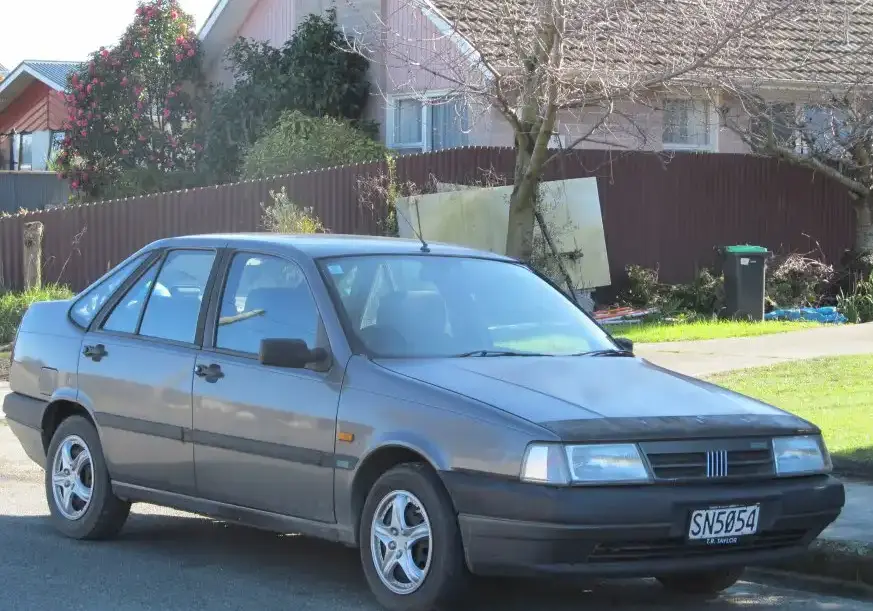
The Fiat Tempra 1.8 i.e. (159.AZ), produced between 1993 and 1996, represented a key offering in Fiat’s mid-size sedan lineup. Part of the 159 project, the Tempra aimed to replace the aging Tipo, offering a more modern and refined experience. This 90 horsepower variant, equipped with an automatic transmission, was positioned as a comfortable and accessible option within the Tempra range, appealing to buyers prioritizing ease of use over outright performance. It served as a bridge between the base models and the more powerful, performance-oriented versions.
Technical Specifications
| Brand | Fiat |
| Model | Tempra |
| Generation | Tempra (159) |
| Type (Engine) | 1.8 i.e. (159.AZ) (90 Hp) |
| Start of production | 1993 |
| End of production | 1996 |
| Powertrain Architecture | Internal Combustion engine |
| Body type | Sedan |
| Fuel Type | Petrol (Gasoline) |
| Power | 90 Hp |
| Engine Model/Code | 835 C4.000 |
| Engine aspiration | Naturally aspirated engine |
| Engine oil capacity | 5.2 l (5.49 US qt | 4.58 UK qt) |
| Coolant capacity | 6.9 l (7.29 US qt | 6.07 UK qt) |
| Length | 4354 mm (171.42 in.) |
| Width | 1695 mm (66.73 in.) |
| Height | 1445 mm (56.89 in.) |
| Front overhang | 918 mm (36.14 in.) |
| Rear overhang | 896 mm (35.28 in.) |
Powertrain & Engine Architecture
The heart of the Tempra 1.8 i.e. was the 835 C4.000 engine, an 1769 cc inline-four cylinder unit. This engine featured a naturally aspirated configuration, relying on atmospheric pressure for intake rather than forced induction. It employed a single overhead camshaft (SOHC) valvetrain, operating two valves per cylinder. Fuel delivery was managed by Bosch Mono-Motronic fuel injection, a system known for its relative simplicity and reliability. While not offering the performance of multi-point injection systems, Mono-Motronic provided adequate fuel atomization for the engine’s modest power output. The engine’s 90 horsepower peak was achieved at approximately 5500 rpm, with a torque output of around 137 Nm (101 lb-ft) at 3000 rpm. The automatic transmission paired with this engine was typically a three-speed unit, designed for smooth, comfortable shifts rather than sporty responsiveness. This transmission was chosen to enhance the Tempra’s appeal to drivers seeking a relaxed driving experience.
Driving Characteristics
The Tempra 1.8 i.e. automatic offered a comfortable, if not particularly exhilarating, driving experience. The three-speed automatic transmission, while smooth, resulted in noticeable gear changes and a lack of the quick acceleration found in manual transmission or higher-powered variants. The gear ratios were optimized for fuel efficiency and cruising comfort, rather than rapid acceleration. The 90 horsepower engine provided adequate power for everyday driving situations, such as commuting and highway cruising, but struggled when fully loaded or attempting quick overtaking maneuvers. Compared to the 2.0-liter versions of the Tempra, the 1.8 i.e. felt noticeably less powerful. The automatic transmission also impacted fuel economy, typically resulting in slightly lower MPG figures compared to the five-speed manual option.
Equipment & Trim Levels
The 1.8 i.e. automatic trim level generally represented a mid-range offering within the Tempra lineup. Standard equipment typically included power steering, central locking, electric front windows, and a basic audio system. Interior upholstery was usually cloth, with a relatively simple dashboard layout. Optional extras available for this trim included air conditioning, alloy wheels, and an upgraded audio system. The interior design prioritized functionality and durability over luxury, reflecting the Tempra’s position as a practical family sedan. Higher trim levels, such as the SX, offered more luxurious features like leather upholstery, wood trim, and more advanced audio systems.
Chassis & Braking
The Tempra 1.8 i.e. utilized a MacPherson strut front suspension and a torsion beam rear suspension. This setup provided a reasonable balance between ride comfort and handling. The torsion beam rear suspension was a cost-effective solution, but it didn’t offer the same level of sophistication as independent rear suspension systems found in some competitors. Braking was typically accomplished with disc brakes on the front wheels and drum brakes on the rear wheels. The braking system was adequate for the vehicle’s weight and power output, but lacked the stopping power of more advanced braking systems. Stabilizer bars were included on both axles to reduce body roll during cornering, improving handling stability.
Market Reception & Comparison
The Fiat Tempra 1.8 i.e. automatic received mixed reviews from automotive critics. While praised for its comfortable ride and spacious interior, it was often criticized for its lack of performance and the somewhat dated technology of the Mono-Motronic fuel injection system. Compared to rivals like the Ford Mondeo and Opel Vectra, the Tempra offered a more affordable price point but lacked the same level of refinement and driving dynamics. Fuel economy was considered average for its class, and reliability was generally good, although some owners reported issues with the automatic transmission over the long term. The 1.9 TDI diesel version of the Tempra was a popular alternative for buyers prioritizing fuel efficiency, while the 2.0-liter gasoline models appealed to those seeking more performance.
Legacy
The Fiat Tempra, including the 1.8 i.e. automatic variant, holds a modest place in automotive history. While not a groundbreaking vehicle, it represented a significant step forward for Fiat in terms of design and technology. The 835 C4.000 engine proved to be relatively durable, and many examples are still on the road today. In the used car market, the Tempra 1.8 i.e. automatic is often sought after by enthusiasts looking for a classic Italian sedan that is relatively affordable to maintain. However, finding well-maintained examples can be challenging, and potential buyers should be aware of potential issues with the automatic transmission and age-related wear and tear. The Tempra paved the way for future Fiat models and contributed to the brand’s continued presence in the European automotive market.
