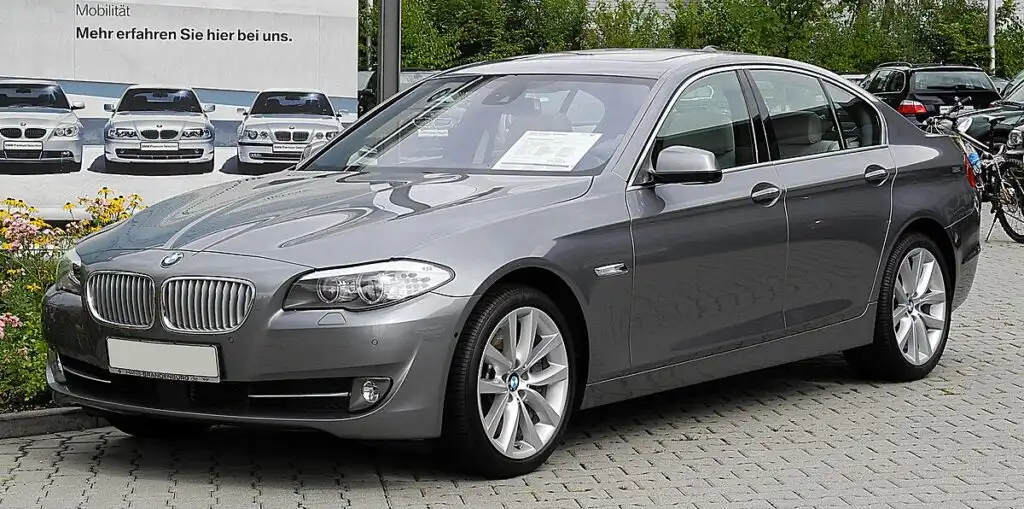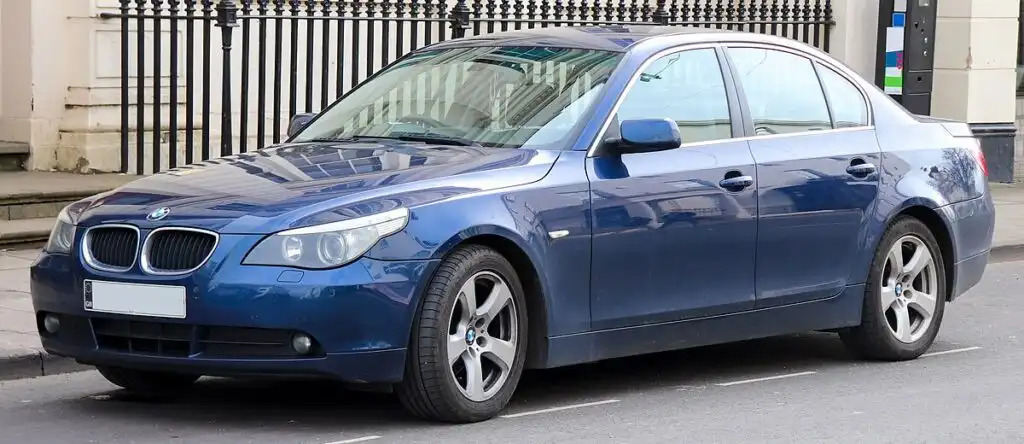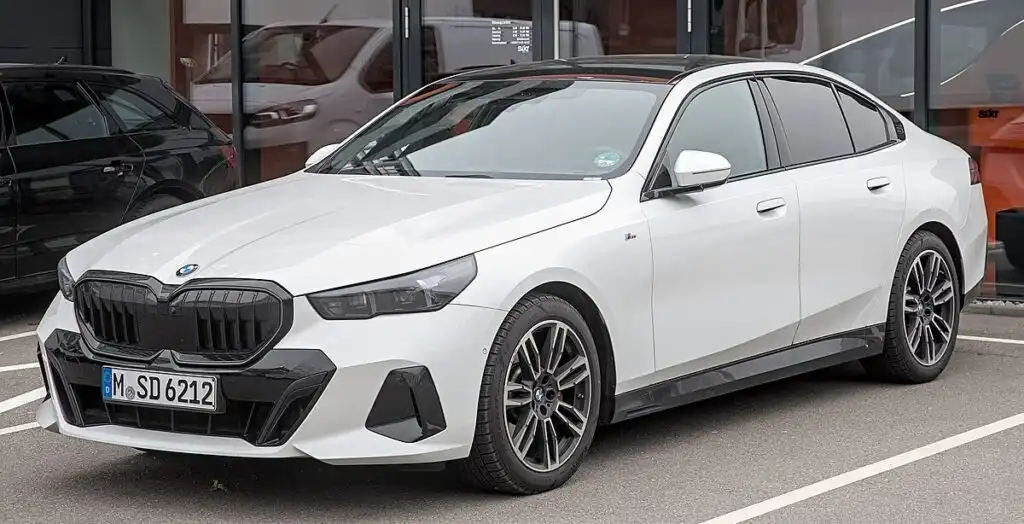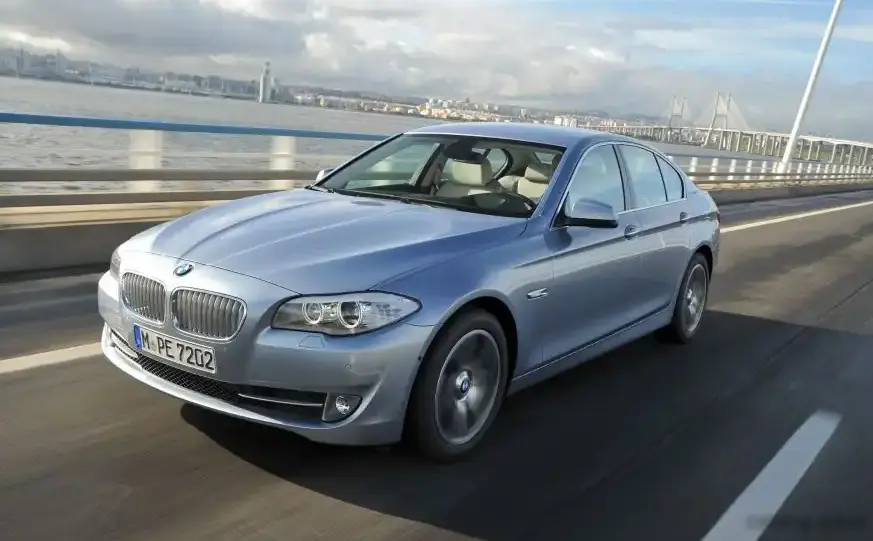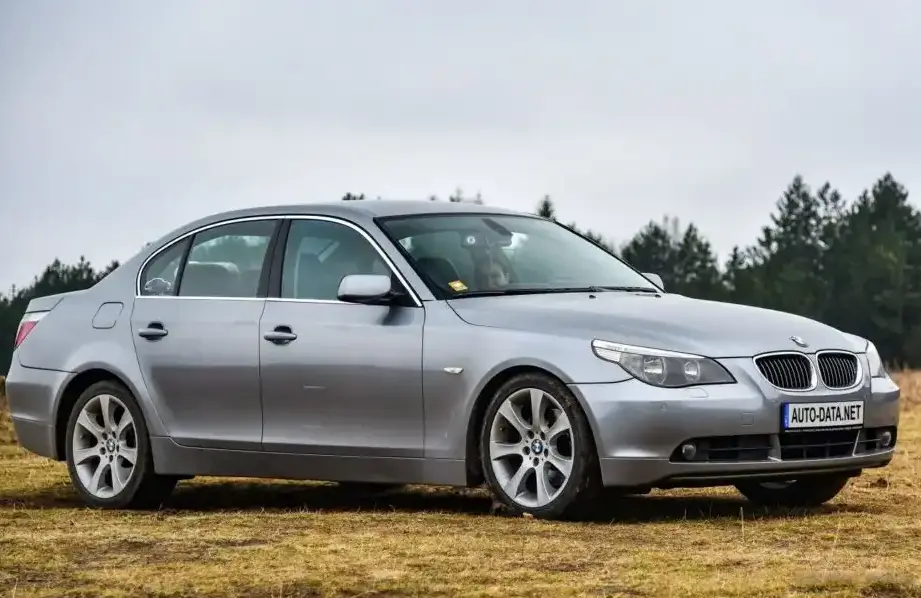
The BMW 5 Series (E60) 550i Steptronic, produced from 2005 to 2007, represented the performance pinnacle of the E60 generation before the introduction of the V10-powered M5. Positioned as the flagship non-M model, the 550i aimed to deliver a blend of luxury, technology, and substantial power. It occupied the top tier of the 5 Series lineup, offering a significant step up in performance compared to the 530i and 545i models. The E60 550i was primarily marketed towards buyers in North America, Europe, and Asia who desired a high-performance executive sedan without the outright track focus of the M5.
Technical Specifications
| Brand | BMW |
| Model | 5 Series |
| Generation | 5 Series (E60) |
| Type (Engine) | 550i (367 Hp) Steptronic |
| Start of production | 2005 |
| End of production | 2007 |
| Powertrain Architecture | Internal Combustion engine |
| Body type | Sedan |
| Seats | 5 |
| Doors | 4 |
| Fuel consumption (urban) | 15.9 l/100 km (14.8 US mpg, 17.8 UK mpg, 6.3 km/l) |
| Fuel consumption (extra urban) | 7.8 l/100 km (30.2 US mpg, 36.2 UK mpg, 12.8 km/l) |
| Fuel Type | Petrol (Gasoline) |
| Acceleration 0 – 100 km/h | 5.6 sec |
| Acceleration 0 – 62 mph | 5.6 sec |
| Acceleration 0 – 60 mph | 5.3 sec |
| Maximum speed | 250 km/h (155.34 mph) |
| Weight-to-power ratio | 4.5 kg/Hp, 220.4 Hp/tonne |
| Weight-to-torque ratio | 3.4 kg/Nm, 294.3 Nm/tonne |
| Power | 367 Hp @ 6300 rpm |
| Power per litre | 76.5 Hp/l |
| Torque | 490 Nm @ 3400 rpm (361.41 lb.-ft. @ 3400 rpm) |
| Engine layout | Front, Longitudinal |
| Engine Model/Code | N62B48 |
| Engine displacement | 4799 cm3 (292.85 cu. in.) |
| Number of cylinders | 8 |
| Engine configuration | V-engine |
| Cylinder Bore | 93 mm (3.66 in.) |
| Piston Stroke | 88.3 mm (3.48 in.) |
| Compression ratio | 10.5:1 |
| Number of valves per cylinder | 4 |
| Fuel injection system | Multi-port manifold injection |
| Engine aspiration | Naturally aspirated engine |
| Valvetrain | DOHC |
| Engine oil capacity | 8 l (8.45 US qt | 7.04 UK qt) |
| Coolant | 13.8 l (14.58 US qt | 12.14 UK qt) |
| Kerb Weight | 1665 kg (3670.7 lbs.) |
| Max. weight | 2220 kg (4894.26 lbs.) |
| Max load | 555 kg (1223.57 lbs.) |
| Trunk (boot) space – maximum | 520 l (18.36 cu. ft.) |
| Fuel tank capacity | 70 l (18.49 US gal | 15.4 UK gal) |
| Length | 4841 mm (190.59 in.) |
| Width | 1846 mm (72.68 in.) |
| Height | 1468 mm (57.8 in.) |
| Wheelbase | 2888 mm (113.7 in.) |
| Front track | 1558 mm (61.34 in.) |
| Rear (Back) track | 1582 mm (62.28 in.) |
| Drivetrain Architecture | The Internal combustion engine (ICE) drives the rear wheels of the vehicle. |
| Drive wheel | Rear wheel drive |
| Number of gears and type of gearbox | 6 gears, automatic transmission |
| Front suspension | Independent, type McPherson with coil spring and anti-roll bar |
| Rear suspension | Coil spring |
| Front brakes | Disc |
| Rear brakes | Disc |
| Assisting systems | ABS (Anti-lock braking system) |
| Tires size | 225/50 R17 |
| Wheel rims size | 17 |
Powertrain & Engine Architecture
The heart of the 550i is the N62B48, a 4.8-liter naturally aspirated V8 engine. This engine is a significant departure from the inline-six engines traditionally associated with the 5 Series. The N62 featured aluminum alloy construction, double overhead camshafts (DOHC) with four valves per cylinder, and a relatively high 10.5:1 compression ratio. Fuel delivery was handled by a multi-port fuel injection system. The engine’s design prioritized smooth power delivery and refinement over outright peak horsepower. The ‘B48’ designation signifies the engine’s displacement (4.8 liters). The Steptronic transmission is a 6-speed automatic gearbox, known for its smooth shifts and adaptive shift programs. It offered both fully automatic operation and a manual shift mode, allowing drivers to exert more control over gear selection.
Driving Characteristics
The 550i’s powertrain delivered a distinctly different driving experience compared to its 6-cylinder siblings. The V8 provided a substantial increase in torque, resulting in effortless acceleration in virtually any gear. The 0-60 mph time of around 5.3 seconds was impressive for its time. The automatic transmission, while smooth, wasn’t as quick-shifting as some of the dual-clutch transmissions that would become prevalent in later years. However, it was well-suited to the 550i’s grand touring character. Compared to the 545i (which also used a V8, albeit a smaller one), the 550i offered a noticeable boost in power and a more authoritative exhaust note. The 550i’s weight distribution, combined with the rear-wheel-drive layout, contributed to balanced handling, although it wasn’t as agile as some of its competitors.
Equipment & Trim Levels
The 550i came standard with a comprehensive list of features, befitting its flagship status. These included leather upholstery, power-adjustable front seats with memory function, a premium sound system, automatic climate control, and a sunroof. Optional extras included navigation, active suspension, sport seats, and various interior trim options. The interior design was characterized by a driver-focused layout and high-quality materials. The iDrive infotainment system, while innovative for its time, was often criticized for its complex menu structure.
Chassis & Braking
The E60 550i utilized an independent McPherson strut front suspension and a multi-link rear suspension. This setup provided a comfortable ride while maintaining good handling characteristics. The 550i was equipped with disc brakes on all four wheels, providing ample stopping power. Anti-lock braking system (ABS) was standard. The suspension tuning was geared towards comfort and stability, rather than outright sportiness, although the optional sport suspension package offered a firmer ride and improved handling.
Market Reception & Comparison
The 550i was generally well-received by automotive critics, who praised its powerful engine, luxurious interior, and refined driving experience. However, some reviewers noted that the iDrive system was overly complicated and that the car’s weight contributed to a less agile feel compared to some of its rivals. Fuel economy was also a concern, with the 550i consuming significantly more fuel than the 6-cylinder models. Compared to the 545i, the 550i offered a substantial performance upgrade, but at a higher price point. The 550i competed primarily with the Mercedes-Benz E500 and the Lexus GS 430.
Legacy
The N62B48 engine, while generally reliable, is known to be susceptible to certain issues, including oil leaks and coolant hose failures. Regular maintenance, including timely oil changes and coolant flushes, is crucial for ensuring its longevity. The 550i has developed a following among enthusiasts who appreciate its combination of power, luxury, and relative affordability on the used car market. While not as sought-after as the M5, the 550i offers a compelling alternative for those seeking a high-performance BMW sedan without the higher price tag and track-focused nature of the M car. Today, well-maintained examples of the E60 550i represent a good value for those looking for a comfortable and capable grand tourer.