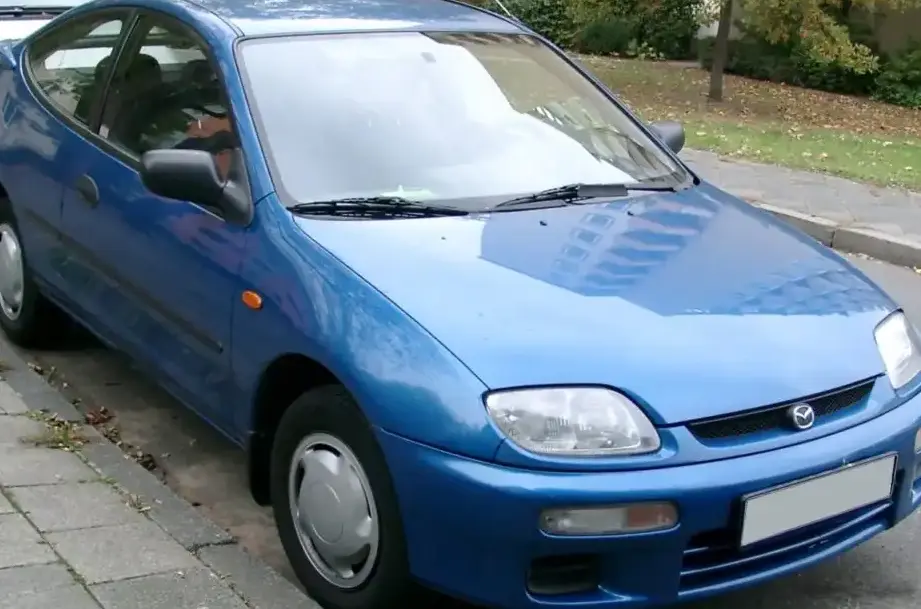
The Mazda 323 III Hatchback, internally designated as the BF platform, represented a significant step forward for Mazda in the competitive compact car segment. Produced from 1985 to 1989, this generation of the 323 offered a blend of practicality, affordability, and increasingly, performance. The 1.5 i Turbo variant, boasting 115 horsepower, occupied a unique position within the BF lineup, offering a taste of forced induction to buyers seeking a more engaging driving experience without the expense of the top-tier models. This model was primarily aimed at the European and Japanese markets, where smaller, fuel-efficient cars with a sporty edge were highly sought after. While not officially sold in large numbers in the US, grey market imports do exist.
Technical Specifications
| Brand | Mazda |
| Model | 323 |
| Generation | 323 III Hatchback (BF) |
| Type (Engine) | 1.5 i Turbo (115 Hp) |
| Start of production | 1985 |
| End of production | 1989 |
| Powertrain Architecture | Internal Combustion engine |
| Body type | Hatchback |
| Fuel Type | Petrol (Gasoline) |
| Power | 115 Hp |
| Engine aspiration | Turbocharger |
Powertrain & Engine Architecture
The heart of the 323 III 1.5 i Turbo is the B6-T engine, a 1.5-liter inline-four cylinder gasoline engine equipped with a turbocharger and intercooler. This engine, part of Mazda’s B-series family, utilized a single overhead camshaft (SOHC) valvetrain with two valves per cylinder. The turbocharger, typically a Garrett unit, provided a significant boost in power compared to the naturally aspirated 1.5-liter engines available in other 323 III models. Fuel delivery was managed by Bosch mechanical fuel injection, a system common for the era, providing a balance between cost and performance. The engine code, B6-T, is crucial for identifying specific parts and maintenance requirements. The turbocharger itself was relatively small, designed to minimize turbo lag and provide a broad, usable powerband. The compression ratio was typically around 8.5:1, a compromise necessary to accommodate the increased cylinder pressures from the turbocharger. The engine was paired with either a five-speed manual transmission or a four-speed automatic transmission, the latter being less common but offering increased convenience.
Driving Characteristics
The 1.5 i Turbo offered a noticeable performance upgrade over the base 323 III models. While 115 horsepower might seem modest by modern standards, it was a respectable figure for a car of this size and weight in the late 1980s. The turbocharger provided a distinct surge of power in the mid-range, making overtaking maneuvers and spirited driving more enjoyable. The four-speed automatic transmission, while smooth, did detract somewhat from the performance potential, as it lacked the close ratios of a manual gearbox. Gear changes were relatively slow compared to modern automatics, and the transmission tended to hunt for gears on inclines. The manual transmission version, naturally, offered a more direct and engaging driving experience. Handling was generally considered good for a front-wheel-drive hatchback of the time, with a relatively compliant suspension that provided a comfortable ride. However, the steering lacked the precision of some competitors.
Equipment & Trim Levels
The 1.5 i Turbo trim level typically included features such as power steering, upgraded interior trim, and a more comprehensive instrument cluster. Depending on the market, options could include alloy wheels, a sunroof, and upgraded audio systems. Interior upholstery was typically cloth, with a choice of colors. The dashboard layout was functional and straightforward, with clearly labeled controls. The 1.5 i Turbo often served as a bridge between the base models and the more luxurious or sporty trims, offering a good balance of features and performance. Air conditioning was a common option, and many examples were equipped with electric windows.
Chassis & Braking
The 323 III Hatchback utilized a MacPherson strut front suspension and a torsion beam rear suspension. This setup provided a good compromise between ride comfort and handling. The front brakes were typically disc brakes, while the rear brakes were drum brakes on most models. Some higher-spec versions, or those sold in certain markets, may have featured rear disc brakes. Stabilizer bars were fitted to both the front and rear axles to reduce body roll during cornering. The chassis was relatively lightweight, contributing to the car’s nimble handling characteristics. Tire sizes were typically 175/70R14 or 185/60R14, depending on the trim level and market.
Market Reception & Comparison
The Mazda 323 III 1.5 i Turbo was generally well-received by automotive critics. It was praised for its lively performance, comfortable ride, and relatively affordable price. Compared to its rivals, such as the Volkswagen Golf, Ford Escort, and Opel Astra, the 323 III Turbo offered a more engaging driving experience, thanks to its turbocharged engine. However, some critics noted that the automatic transmission detracted from the performance potential. Fuel economy was reasonable for a turbocharged car of the era, typically around 30-35 mpg. Reliability was generally good, although the turbocharger did require more frequent maintenance than a naturally aspirated engine. The 1.5 i Turbo was positioned as a sporty alternative to the base models, offering a more exciting driving experience without the higher cost of the top-of-the-line trims.
Legacy
The Mazda 323 III 1.5 i Turbo holds a special place in the hearts of many enthusiasts. It represents a relatively rare and desirable variant of a popular compact car. The B6-T engine, while not without its quirks, is known for its durability and potential for modification. Today, well-maintained examples are becoming increasingly collectible. The turbocharger, while requiring regular servicing, adds a unique character to the driving experience. Finding parts can be challenging, but a dedicated community of owners and enthusiasts exists to provide support and assistance. The 323 III 1.5 i Turbo serves as a reminder of a time when manufacturers were beginning to embrace turbocharging technology in mainstream vehicles, offering a glimpse into the future of performance motoring. The car’s relative rarity and unique engine configuration contribute to its enduring appeal in the used car market.