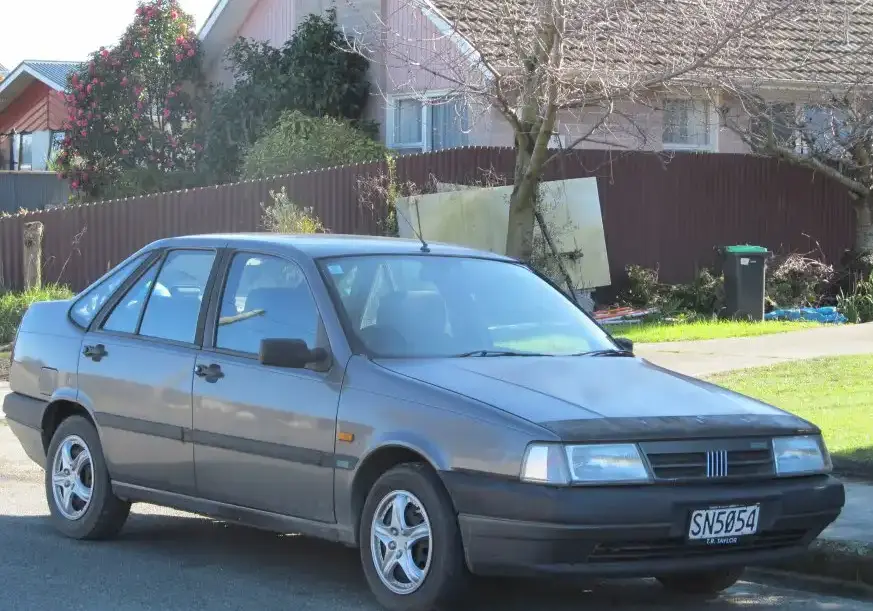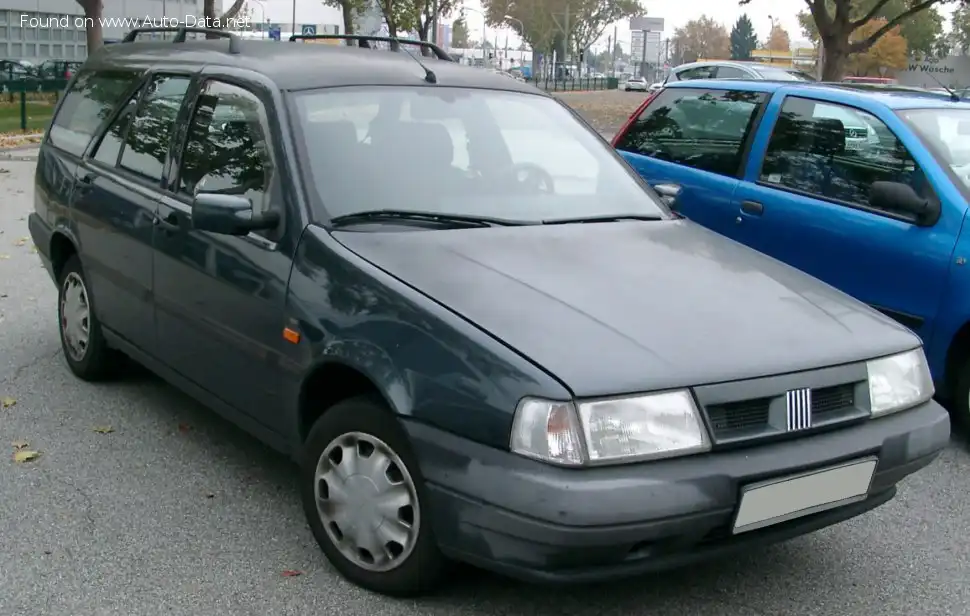
The Fiat Tempra S.w. (159) 1.8 i.e., designated with engine code 159.AN, was a station wagon variant produced between 1992 and 1993. It represented a practical, family-oriented offering within the broader Tempra range, which itself was a significant model for Fiat, intended to replace the aging Regata and Croma. The Tempra S.w. aimed to provide a spacious and comfortable vehicle for European families, competing with other mid-size estates like the Ford Mondeo Estate and Opel/Vauxhall Vectra Estate. This particular 1.8 i.e. version occupied a mid-range position in the lineup, offering a balance between performance and affordability.
Technical Specifications
| Brand | Fiat |
| Model | Tempra |
| Generation | Tempra S.w. (159) |
| Type (Engine) | 1.8 i.e. (159.AN) (105 Hp) |
| Start of production | 1992 |
| End of production | 1993 |
| Powertrain Architecture | Internal Combustion engine |
| Body type | Station wagon (estate) |
| Fuel Type | Petrol (Gasoline) |
| Power | 105 Hp |
| Engine Model/Code | 159A4.000 |
| Engine aspiration | Naturally aspirated engine |
| Engine oil capacity | 5.2 l (5.49 US qt | 4.58 UK qt) |
| Coolant capacity | 6.9 l (7.29 US qt | 6.07 UK qt) |
Powertrain & Engine Architecture
The heart of the Tempra S.w. 1.8 i.e. was the 159A4.000 engine, an 1769cc inline-four cylinder gasoline engine. This engine featured a naturally aspirated configuration, meaning it did not employ forced induction like a turbocharger or supercharger. It utilized a single overhead camshaft (SOHC) valvetrain, operating two valves per cylinder. Fuel delivery was managed by Bosch Mono-Motronic fuel injection, a relatively sophisticated system for its time, contributing to improved fuel efficiency and reduced emissions compared to earlier carbureted Fiat engines. The 105 horsepower output was achieved at 5500 rpm, with peak torque of approximately 138 lb-ft (187 Nm) at 3800 rpm. The engine was paired with a four-speed automatic transmission, designed to provide smooth and convenient gear changes. This automatic transmission, while offering ease of use, was not known for its particularly sporty performance or fuel efficiency.
Driving Characteristics
The driving experience in the Tempra S.w. 1.8 i.e. automatic was geared towards comfort and practicality rather than outright performance. The 105 hp engine, coupled with the four-speed automatic, provided adequate power for everyday driving and highway cruising, but acceleration was not particularly brisk. The automatic transmission’s gear ratios were tuned for fuel economy and smooth operation, resulting in a somewhat leisurely pace. Compared to the five-speed manual version of the 1.8 i.e., the automatic suffered a noticeable performance deficit. The manual transmission allowed for better control and more efficient use of the engine’s power band. The Tempra S.w. prioritized ride comfort, with a suspension setup designed to absorb bumps and provide a stable ride, even when fully loaded with passengers and cargo. Steering was light and easy, making it maneuverable in urban environments.
Equipment & Trim Levels
The Tempra S.w. 1.8 i.e. typically came equipped with a reasonable level of standard features for a vehicle in its class during the early 1990s. These included central locking, power windows, and a basic stereo system. Interior upholstery was typically cloth, with a durable and practical design. The dashboard layout was functional and straightforward, with clearly labeled controls. Optional extras available for this trim level included air conditioning, alloy wheels, and a more advanced stereo system. Higher trim levels, such as the SX, offered additional features like electric sunroof, upgraded interior trim, and more sophisticated audio equipment. The Tempra S.w. aimed to provide a comfortable and well-equipped interior without venturing into luxury territory.
Chassis & Braking
The Tempra S.w. utilized a front-wheel-drive layout with an independent suspension system at the front, typically employing MacPherson struts. The rear suspension was a semi-independent twist beam setup, a cost-effective solution that provided adequate ride comfort and handling characteristics for a family estate. Braking was typically accomplished with disc brakes at the front and drum brakes at the rear. The braking system was adequate for normal driving conditions, but lacked the stopping power of more modern braking systems. Stabilizer bars were fitted to both the front and rear axles to reduce body roll during cornering, improving handling stability. The chassis was designed to provide a balance between comfort, handling, and structural rigidity, capable of carrying a substantial load of passengers and cargo.
Market Reception & Comparison
The Fiat Tempra S.w. 1.8 i.e. automatic received mixed reviews from automotive critics. While praised for its spacious interior, comfortable ride, and practical estate car body style, the automatic transmission was often criticized for its sluggish performance and lack of responsiveness. Fuel economy was also considered average for its class. Compared to other trims in the Tempra lineup, the 1.8 i.e. automatic offered a compromise between performance and affordability. The 2.0-liter versions provided more power but came at a higher price, while the smaller 1.6-liter engine offered better fuel economy but lacked the same level of performance. In the broader market, the Tempra S.w. faced stiff competition from established rivals like the Ford Mondeo Estate and Opel/Vauxhall Vectra Estate, which often offered more refined driving experiences and stronger brand recognition.
Legacy
The Fiat Tempra S.w. 1.8 i.e. automatic, while not a particularly groundbreaking vehicle, served as a reliable and practical family estate car for many European drivers during the early 1990s. The 159A4.000 engine proved to be relatively durable, although regular maintenance was essential to prevent issues such as oil leaks and timing belt failures. Today, the Tempra S.w. is a relatively rare sight on the roads, but it has gained a following among classic Fiat enthusiasts. The automatic transmission, while not known for its longevity, can be rebuilt, and parts are still available, albeit sometimes difficult to source. The Tempra S.w. represents a significant chapter in Fiat’s history, showcasing the company’s commitment to providing practical and affordable vehicles for families.