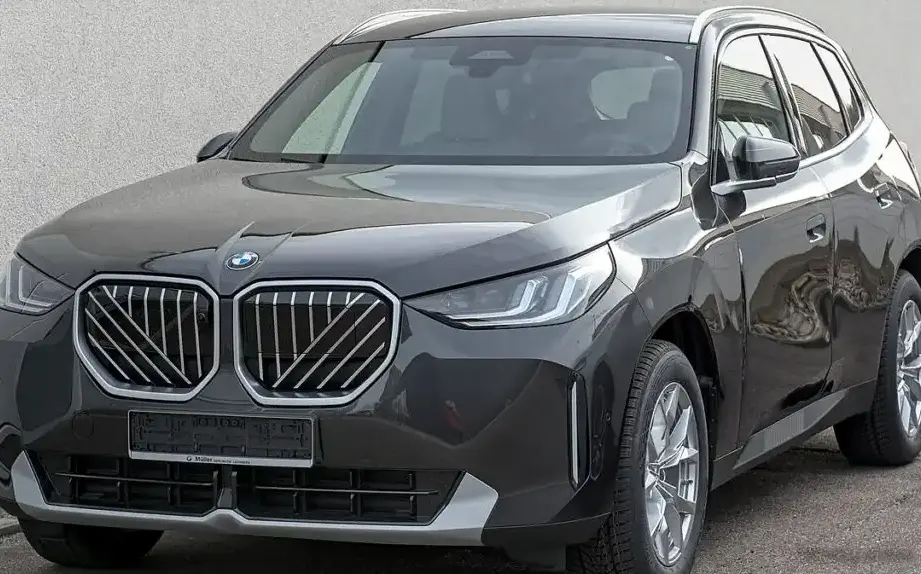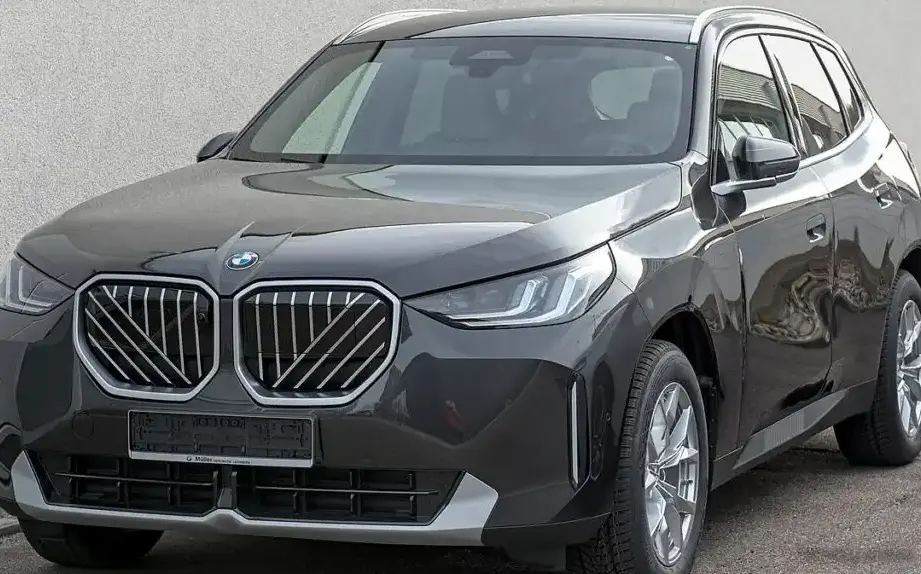
The BMW X3 (F25 LCI), specifically the 30d variant with the xDrive all-wheel-drive system and Steptronic 8-speed automatic transmission, was produced from 2014 to 2017. This model represents a facelift of the second-generation X3 (F25), introducing updated styling, improved efficiency, and enhanced technology. Positioned as a mid-range offering within the X3 lineup, the 30d aimed to balance performance, fuel economy, and practicality for buyers seeking a premium compact SUV. It served as a popular alternative to the entry-level 20d and the higher-performance 35i models.
Technical Specifications
| Brand | BMW |
| Model | X3 |
| Generation | X3 (F25 LCI, facelift 2014) |
| Type | 30d (258 Hp) xDrive Steptronic |
| Start of production | 2014 |
| End of production | 2017 |
| Powertrain Architecture | Internal Combustion engine |
| Body type | SUV |
| Seats | 5 |
| Doors | 5 |
| Fuel consumption (urban) | 6.5 l/100 km (36.2 US mpg, 43.5 UK mpg, 15.4 km/l) |
| Fuel consumption (extra urban) | 5.6 l/100 km (42 US mpg, 50.4 UK mpg, 17.9 km/l) |
| Fuel consumption (combined) | 5.9 l/100 km (39.9 US mpg, 47.9 UK mpg, 16.9 km/l) |
| CO2 emissions | 156 g/km |
| Fuel Type | Diesel |
| Acceleration 0 – 100 km/h | 5.9 sec |
| Acceleration 0 – 62 mph | 5.9 sec |
| Acceleration 0 – 60 mph | 5.6 sec |
| Maximum speed | 232 km/h (144.16 mph) |
| Emission standard | Euro 6 |
| Weight-to-power ratio | 7.1 kg/Hp, 141.8 Hp/tonne |
| Weight-to-torque ratio | 3.3 kg/Nm, 307.7 Nm/tonne |
| Power | 258 Hp @ 4000 rpm |
| Torque | 560 Nm @ 1500-3000 rpm (413.03 lb.-ft. @ 1500-3000 rpm) |
| Engine layout | Front, Longitudinal |
| Engine Model/Code | N57D30A |
| Engine displacement | 2993 cm3 (182.64 cu. in.) |
| Number of cylinders | 6 |
| Engine configuration | Inline |
| Cylinder Bore | 84 mm (3.31 in.) |
| Piston Stroke | 90 mm (3.54 in.) |
| Compression ratio | 16.5:1 |
| Number of valves per cylinder | 4 |
| Fuel injection system | Diesel Commonrail |
| Engine aspiration | Twin-power turbo, Intercooler |
| Engine oil capacity | 6.5 l (6.87 US qt | 5.72 UK qt) |
| Coolant | 10 l (10.57 US qt | 8.8 UK qt) |
| Kerb Weight | 1820 kg (4012.41 lbs.) |
| Max. weight | 2410 kg (5313.14 lbs.) |
| Max load | 590 kg (1300.73 lbs.) |
| Trunk (boot) space – minimum | 550 l (19.42 cu. ft.) |
| Trunk (boot) space – maximum | 1600 l (56.5 cu. ft.) |
| Fuel tank capacity | 67 l (17.7 US gal | 14.74 UK gal) |
| Max. roof load | 100 kg (220.46 lbs.) |
| Permitted trailer load with brakes (12%) | 2400 kg (5291.09 lbs.) |
| Permitted trailer load without brakes | 750 kg (1653.47 lbs.) |
| Permitted towbar download | 100 kg (220.46 lbs.) |
| Length | 4657 mm (183.35 in.) |
| Width | 1881 mm (74.06 in.) |
| Height | 1661 mm (65.39 in.) |
| Wheelbase | 2810 mm (110.63 in.) |
| Front track | 1616 mm (63.62 in.) |
| Rear (Back) track | 1632 mm (64.25 in.) |
| Ride height (ground clearance) | 204 mm (8.03 in.) |
| Drag coefficient (Cd) | 0.34 |
| Minimum turning circle (turning diameter) | 11.9 m (39.04 ft.) |
| Drive wheel | All wheel drive (4×4) |
| Number of gears and type of gearbox | 8 gears, automatic transmission |
| Front suspension | Independent coil spring |
| Rear suspension | Independent multi-link suspension |
| Front brakes | Ventilated discs |
| Rear brakes | Ventilated discs |
INTRODUCTION
The F25 X3 LCI 30d represented a significant step forward for BMW’s compact SUV offering. Built on the 1HX0 platform, shared with other BMW models like the 3 Series, it aimed to deliver a blend of sporty handling, luxurious comfort, and practical space. The “LCI” (Life Cycle Impulse) facelift brought revised exterior styling, including updated headlights and taillights, along with interior enhancements and a focus on improving fuel efficiency and reducing emissions. The 30d variant, powered by a potent diesel engine, was a key component of the X3’s success in European and other markets where diesel engines were favored.
Powertrain & Engine Architecture
At the heart of the X3 30d lies the N57D30A, a 3.0-liter inline-six diesel engine. This engine is renowned for its smooth operation and strong torque output. The N57 family of engines utilizes a common-rail direct injection system, delivering fuel at extremely high pressure for optimized combustion. The 30d specifically benefits from a twin-turbocharger setup – a smaller turbocharger for quick response at low engine speeds and a larger turbocharger for sustained power at higher RPMs. This configuration contributes to the engine’s impressive 560 Nm (413 lb-ft) of torque available from just 1500 rpm. The engine also features a variable geometry turbocharger (VGT) to further enhance responsiveness. Paired with the engine is the ZF 8HP80 8-speed automatic transmission, known for its smooth and quick shifts. This transmission is a cornerstone of BMW’s driving experience, offering both automatic and manual shift modes.
Driving Characteristics
The X3 30d with the Steptronic transmission delivers a refined and capable driving experience. The abundance of low-end torque from the N57 engine makes for effortless acceleration in everyday driving situations. While not as overtly sporty as the 35i gasoline variant, the 30d offers ample power for overtaking and highway cruising. The 8-speed automatic transmission is well-tuned, providing seamless gear changes and contributing to the car’s overall smoothness. The xDrive all-wheel-drive system provides excellent traction in various weather conditions, enhancing stability and confidence. Compared to the 20d, the 30d offers a noticeable performance boost, while the 35i provides more outright power but at the expense of fuel economy. The gear ratios are optimized for both fuel efficiency and performance, with a relatively tall final drive to aid in highway cruising.
Equipment & Trim Levels
The X3 30d typically came well-equipped, reflecting its position as a mid-range model. Standard features often included leather upholstery, automatic climate control, a multi-function steering wheel, and BMW’s iDrive infotainment system with a central display screen. Common options included a panoramic sunroof, navigation system, upgraded sound system, and parking assist features. Interior trim options varied, with choices ranging from wood veneers to aluminum accents. Exterior options included different wheel designs and metallic paint finishes. The X3 30d could also be specified with the M Sport package, which added more aggressive styling cues, sport suspension, and upgraded interior trim.
Chassis & Braking
The X3 30d utilizes a sophisticated chassis design, featuring independent suspension all around. The front suspension employs coil springs and struts, while the rear suspension utilizes a multi-link setup. This configuration provides a good balance between ride comfort and handling precision. The X3 30d is equipped with ventilated disc brakes on all four wheels, providing ample stopping power. Anti-lock braking system (ABS), electronic stability control (ESC), and traction control are standard safety features. The suspension tuning is generally geared towards comfort, but the M Sport suspension option offered a firmer, more dynamic ride.
Market Reception & Comparison
The X3 30d was generally well-received by automotive critics. It was praised for its refined engine, comfortable ride, and practical interior. The diesel engine’s fuel economy was a significant selling point, particularly in Europe. Compared to the 20d, the 30d offered a substantial performance upgrade without a significant penalty in fuel consumption. Against competitors like the Audi Q5 and Mercedes-Benz GLK, the X3 30d was often seen as offering a more engaging driving experience. However, some critics noted that the interior design, while functional, wasn’t as visually striking as some of its rivals.
Legacy
The N57 engine family, including the N57D30A found in the X3 30d, has proven to be remarkably durable and reliable. While diesel engines can be susceptible to issues with the diesel particulate filter (DPF) and turbocharger, the N57 has generally held up well over time, especially with regular maintenance. Today, used X3 30d models represent a good value for buyers seeking a capable and efficient luxury SUV. The combination of a powerful engine, comfortable ride, and all-wheel-drive capability makes it a compelling option in the used car market. However, potential buyers should be aware of the potential maintenance costs associated with a diesel engine, including DPF regeneration and injector servicing.