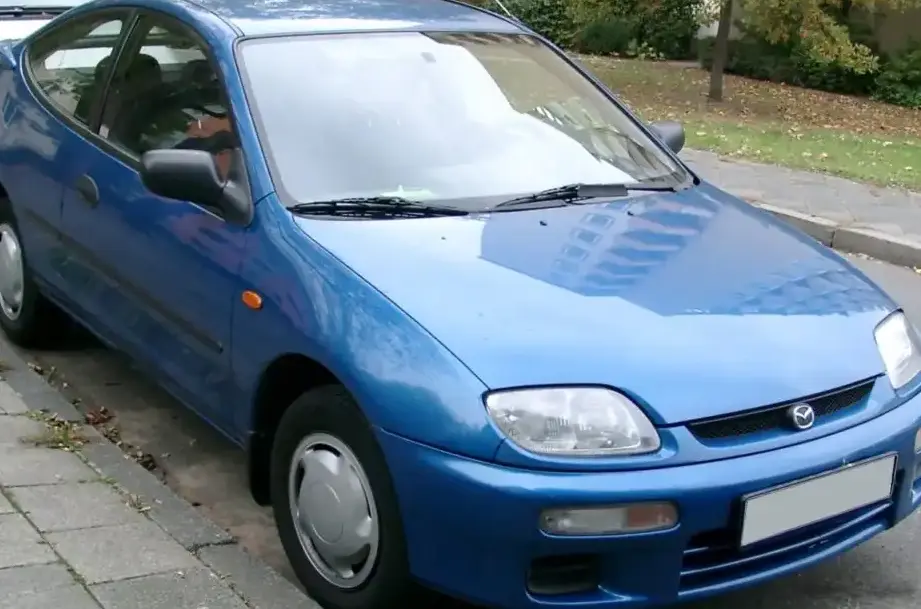
The Mazda 323 III Hatchback, known as the BF platform, represented a significant step forward for Mazda in the competitive compact car segment. Produced from 1985 to 1991, the BF series aimed to blend sporty handling with practicality and affordability. The 1.6 GT Turbo (BF1), boasting 140 horsepower, was the performance flagship of the hatchback range, offering a compelling alternative to rivals like the Volkswagen Golf GTI and Ford Escort XR3i. This variant was particularly notable for bringing turbocharging technology to a wider audience within the Mazda lineup, and it quickly gained a reputation for its spirited driving experience.
Technical Specifications
| Brand | Mazda |
| Model | 323 |
| Generation | 323 III Hatchback (BF) |
| Type (Engine) | 1.6 GT Turbo (BF1) (140 Hp) |
| Start of production | 1985 |
| End of production | 1991 |
| Powertrain Architecture | Internal Combustion engine |
| Body type | Hatchback |
| Fuel Type | Petrol (Gasoline) |
| Power | 140 Hp |
| Engine aspiration | Turbocharger |
Powertrain & Engine Architecture
The heart of the 1.6 GT Turbo is the B6T engine, a 1.6-liter inline-four cylinder gasoline engine. This engine is a derivative of Mazda’s naturally aspirated B6 series, but significantly enhanced with a Garrett T25 turbocharger and intercooler. The engine code ‘B6T’ specifically denotes the turbocharged variant. Fuel delivery is managed by Bosch mechanical fuel injection, a system common for the era, providing a balance between performance and reliability. The B6T features a single overhead camshaft (SOHC) valvetrain with two valves per cylinder. The turbocharger provides approximately 8 psi of boost, increasing power output substantially over the naturally aspirated 1.6-liter engine. The engine’s compression ratio is 8.5:1, a compromise necessary to accommodate the forced induction. The transmission is a four-speed automatic, a somewhat unusual pairing for a performance-oriented hatchback at the time, though a five-speed manual was also available. The automatic transmission was chosen to broaden the appeal of the GT Turbo, offering ease of use for everyday driving.
Driving Characteristics
The 1.6 GT Turbo, even with the automatic transmission, offered a surprisingly engaging driving experience. While the automatic doesn’t provide the direct control of a manual gearbox, it allows the engine to remain within its optimal boost range more consistently during acceleration. The turbocharger delivers a noticeable surge of power around 2,500 rpm, providing brisk acceleration. The four-speed automatic transmission has relatively widely spaced gear ratios, which can feel somewhat less refined than more modern transmissions. However, this also contributes to the car’s ability to maintain momentum on highway journeys. Compared to the naturally aspirated 1.6-liter versions, the GT Turbo offers a significant performance advantage, with a noticeable reduction in 0-60 mph times. Against the five-speed manual GT Turbo, the automatic version trades some responsiveness for convenience. The suspension is tuned for a balance between comfort and handling, providing a reasonably compliant ride while still allowing for confident cornering.
Equipment & Trim Levels
The 1.6 GT Turbo represented the top-of-the-line trim level for the 323 III Hatchback. Standard equipment included power steering, alloy wheels (typically 14-inch), a sunroof, and upgraded interior trim. The interior featured sporty bucket seats, often upholstered in a combination of cloth and vinyl. A comprehensive instrument cluster included a boost gauge, providing drivers with real-time feedback on turbocharger performance. Optional extras included air conditioning, a premium sound system, and central locking. The dashboard layout is typical of 1980s Japanese cars, with a functional and straightforward design. The GT Turbo also featured a rear wiper, a relatively uncommon feature on hatchbacks of that era. The exterior styling was enhanced by a subtle body kit, including a front spoiler and side skirts, giving the car a more aggressive appearance.
Chassis & Braking
The 323 III Hatchback utilizes a front-engine, front-wheel-drive layout. The suspension consists of MacPherson struts at the front and a twist-beam axle at the rear. The GT Turbo variant benefits from slightly stiffer springs and dampers compared to the standard models, improving handling and reducing body roll. Braking duties are handled by disc brakes at the front and drum brakes at the rear. While the front discs provide adequate stopping power, the rear drums are a limitation, particularly under heavy braking. The steering is rack-and-pinion, providing precise and responsive steering feel. The chassis is relatively lightweight, contributing to the car’s nimble handling characteristics. A stabilizer bar is fitted to both the front and rear axles, further enhancing stability during cornering.
Market Reception & Comparison
The Mazda 323 III 1.6 GT Turbo was generally well-received by automotive critics. It was praised for its lively performance, sporty handling, and relatively affordable price. However, the automatic transmission was a point of contention for some reviewers, who felt that it detracted from the car’s overall driving experience. Compared to the naturally aspirated 323 models, the GT Turbo offered a significant performance upgrade, but at a higher price point. Fuel economy was reasonable for a turbocharged car of the era, averaging around 28-32 mpg. Reliability was generally good, although the turbocharger system required more frequent maintenance than the naturally aspirated engines. The GT Turbo competed directly with rivals such as the Volkswagen Golf GTI, Ford Escort XR3i, and Nissan Pulsar GTi, offering a compelling alternative with its unique blend of performance and practicality.
Legacy
The Mazda 323 III 1.6 GT Turbo has developed a cult following among enthusiasts. The B6T engine, while not without its quirks, is known for its tunability and potential for increased power output. The car’s relatively simple mechanical design makes it relatively easy to maintain and repair. Today, well-maintained examples of the GT Turbo are becoming increasingly collectible. The automatic transmission version, while less desirable to some purists, offers a more accessible entry point into the world of classic turbocharged hatchbacks. Common issues with these vehicles include turbocharger wear, oil leaks, and corrosion, particularly in areas exposed to road salt. Despite these potential issues, the 323 III 1.6 GT Turbo remains a fondly remembered and highly regarded performance car from the 1980s, representing a significant milestone in Mazda’s history.