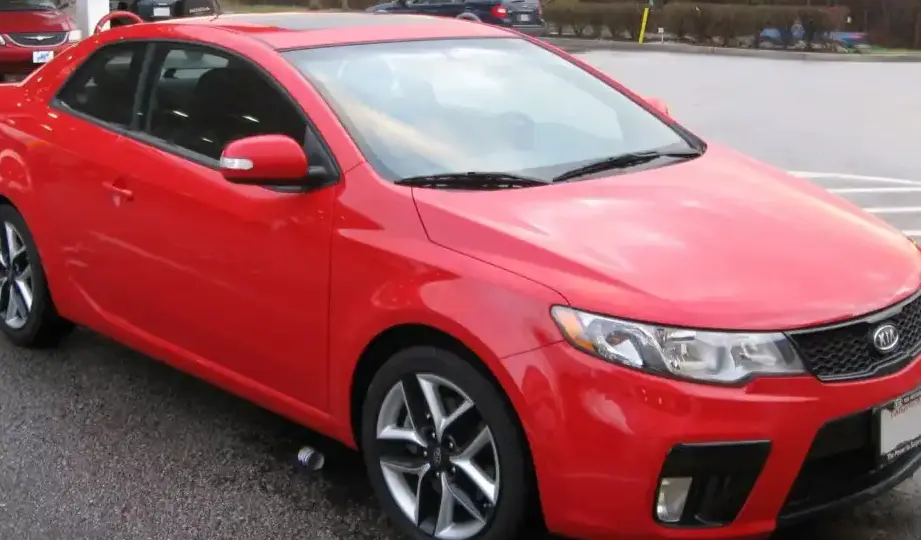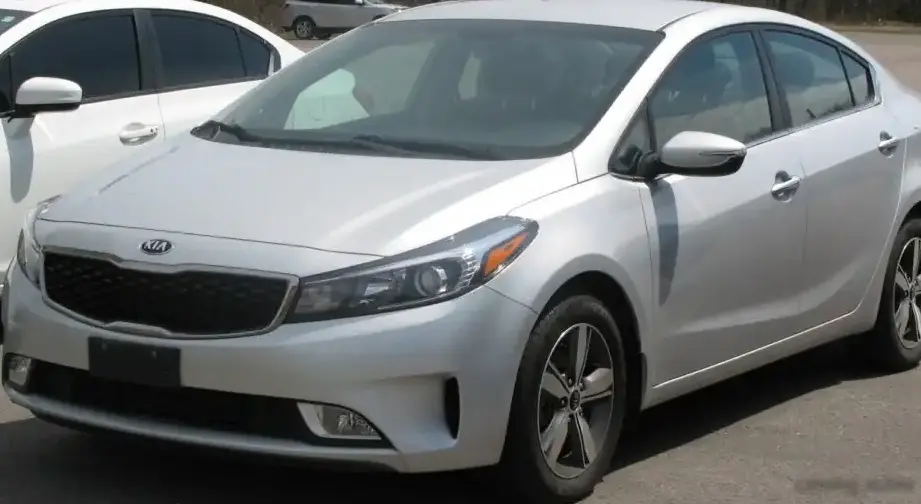
The Kia Forte II, specifically the facelifted version introduced in 2017, represented a significant step forward for the South Korean automaker in the competitive compact sedan segment. This iteration of the Forte, produced from 2017 through 2018, aimed to offer a compelling blend of style, features, and value. Among the various engine and transmission combinations available, the 2.0-liter engine paired with a six-speed automatic transmission became a popular choice for North American buyers seeking a balance between fuel efficiency and everyday drivability. This variant occupied a mid-range position within the Forte II lineup, offering more power than the base 1.6-liter engine but remaining more accessible than potential future performance-oriented trims.
Technical Specifications
| Brand | Kia |
| Model | Forte |
| Generation | Forte II (facelift 2017) |
| Type (Engine) | 2.0 (147 Hp) Automatic |
| Start of production | 2017 |
| End of production | 2018 |
| Powertrain Architecture | Internal Combustion engine |
| Body type | Sedan |
| Seats | 5 |
| Doors | 4 |
| Fuel consumption (urban) | 8 l/100 km (29.4 US mpg) |
| Fuel consumption (combined) | 6.1 l/100 km (38.6 US mpg) |
| Fuel Type | Petrol (Gasoline) |
| Weight-to-power ratio | 9.2 kg/Hp |
| Weight-to-torque ratio | 7.5 kg/Nm |
| Power | 147 Hp @ 6200 rpm |
| Torque | 179 Nm @ 4500 rpm (132.02 lb.-ft. @ 4500 rpm) |
| Engine layout | Front, Transverse |
| Number of cylinders | 4 |
| Engine configuration | Inline |
| Compression ratio | 12.5:1 |
| Number of valves per cylinder | 4 |
| Fuel injection system | Multi-port manifold injection |
| Engine aspiration | Naturally aspirated engine |
| Valvetrain | DOHC |
| Engine oil capacity | 4 l (4.23 US qt | 3.52 UK qt) |
| Coolant capacity | 5.9 l (6.23 US qt | 5.19 UK qt) |
| Kerb Weight | 1350 kg (2976.24 lbs.) |
| Max. weight | 1760 kg (3880.14 lbs.) |
| Max load | 410 kg (903.9 lbs.) |
| Trunk (boot) space | 421 l (14.87 cu. ft.) |
| Fuel tank capacity | 50 l (13.21 US gal | 11 UK gal) |
| Length | 4560 mm (179.53 in.) |
| Width | 1780 mm (70.08 in.) |
| Height | 1430 mm (56.3 in.) |
| Wheelbase | 2700 mm (106.3 in.) |
| Ride height (ground clearance) | 135 mm (5.31 in.) |
| Drivetrain | Front wheel drive |
| Number of gears | 6 |
| Gearbox type | Automatic transmission |
| Front suspension | Independent, McPherson with coil spring and anti-roll bar |
| Rear suspension | Semi-independent, coil spring |
| Front brakes | Ventilated discs |
| Rear brakes | Disc |
| Assisting systems | ABS (Anti-lock braking system) |
| Steering type | Steering rack and pinion |
| Power steering | Electric |
Powertrain & Engine Architecture
At the heart of this Forte variant lies Kia’s 2.0-liter inline-four cylinder engine, internally designated as a Nu engine. This engine utilizes a double overhead camshaft (DOHC) valvetrain with four valves per cylinder, contributing to its respectable power output. The engine employs multi-point fuel injection, a proven technology for delivering fuel efficiently to the combustion chambers. The 12.5:1 compression ratio is relatively high for a naturally aspirated engine, aiding in thermal efficiency and power production. The engine is transversely mounted in the front of the vehicle, driving the front wheels. Paired with this engine is a six-speed automatic transmission. This transmission was chosen for its smooth shifting characteristics and its ability to provide a comfortable driving experience for a wide range of drivers. The transmission’s gear ratios were tuned to balance acceleration with fuel economy, prioritizing usability over outright performance.
Driving Characteristics
The 2.0-liter engine and six-speed automatic combination in the 2017-2018 Kia Forte delivered a competent, if not particularly thrilling, driving experience. With 147 horsepower and 132 lb-ft of torque, acceleration was adequate for merging onto highways and passing slower traffic. However, it wasn’t as responsive as the manual transmission equipped models or those with more powerful engine options. The automatic transmission generally shifted smoothly, but could sometimes feel hesitant during quick acceleration maneuvers. The gear ratios were optimized for fuel efficiency, meaning the engine often operated at lower RPMs during cruising, contributing to the respectable combined fuel economy figures. Compared to the base 1.6-liter engine, the 2.0-liter offered a noticeable improvement in power and responsiveness, making it a more suitable choice for drivers who frequently carry passengers or travel on hilly terrain.
Equipment & Trim Levels
The 2.0-liter automatic Forte typically came standard with a reasonable array of features. These generally included air conditioning, power windows and locks, a rearview camera, and a basic audio system with Bluetooth connectivity. Higher trim levels, such as the EX, added features like alloy wheels, a larger touchscreen display with Apple CarPlay and Android Auto integration, a sunroof, and upgraded interior materials. Interior upholstery was typically cloth, with options for leatherette or full leather available on higher trims. Optional extras often included a premium audio system, keyless entry and ignition, and advanced safety features like lane departure warning and automatic emergency braking.
Chassis & Braking
The 2017-2018 Kia Forte utilized a front-wheel-drive chassis with an independent McPherson strut suspension in the front and a semi-independent coil spring suspension in the rear. This suspension setup provided a comfortable ride quality, absorbing bumps and imperfections in the road reasonably well. The front brakes were ventilated discs, offering good stopping power, while the rear brakes were solid discs. All models were equipped with an Anti-lock Braking System (ABS) as standard, enhancing safety during emergency braking situations. Electric power steering provided light and easy steering feel, making it convenient for maneuvering in urban environments.
Market Reception & Comparison
The 2.0-liter automatic Kia Forte was generally well-received by automotive critics as a practical and value-oriented compact sedan. Reviewers praised its comfortable ride, spacious interior, and generous warranty. However, some criticized its somewhat bland styling and lack of engaging driving dynamics. Compared to competitors like the Honda Civic and Toyota Corolla, the Forte offered a similar level of features at a lower price point. In terms of fuel economy, the 2.0-liter automatic Forte performed competitively with other similarly sized sedans. Reliability was generally considered good, although some owners reported minor issues with the automatic transmission over the long term.
Legacy
The 2.0-liter engine and six-speed automatic transmission combination in the 2017-2018 Kia Forte has proven to be a relatively reliable powertrain. While not known for exceptional longevity, these engines generally hold up well with proper maintenance. On the used car market, these Forte models represent a good value proposition for buyers seeking an affordable and practical compact sedan. The availability of parts and relatively low repair costs contribute to their continued appeal. The 2017-2018 Forte helped solidify Kia’s reputation as a manufacturer of well-equipped and reliable vehicles, paving the way for the brand’s continued success in the North American market.