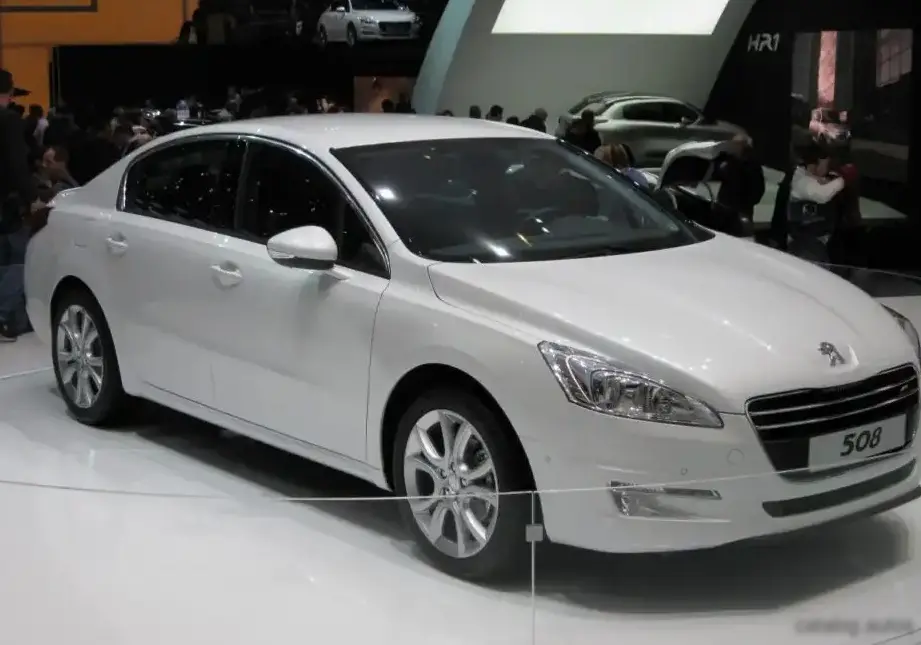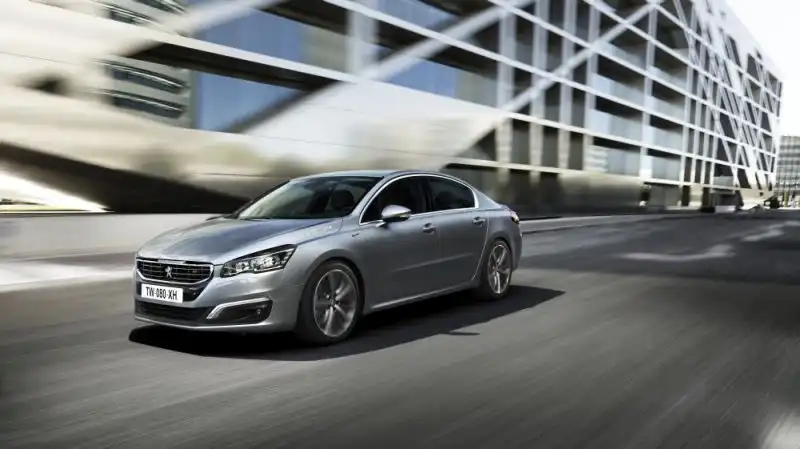
The Peugeot 508 I (Phase II), specifically the 2.0 HDi 140 horsepower variant with a Diesel Particulate Filter (FAP), was a key model in Peugeot’s lineup from 2014 to 2015. This iteration of the 508, built on the 508 I platform, represented a mid-cycle refresh of the original model introduced in 2010. Positioned as a mid-range offering, it aimed to balance fuel efficiency, reasonable performance, and practicality for European buyers seeking a comfortable and stylish executive sedan. The 2.0 HDi 140 FAP served as a popular choice for those prioritizing economy and lower emissions compared to the more powerful, but less efficient, gasoline options.
Technical Specifications
| Brand | Peugeot |
| Model | 508 |
| Generation | 508 I (Phase II, 2014) |
| Type (Engine) | 2.0 HDi (140 Hp) FAP |
| Start of production | 2014 |
| End of production | 2015 |
| Powertrain Architecture | Internal Combustion engine |
| Body type | Sedan |
| Seats | 5 |
| Doors | 4 |
| Fuel consumption (urban) | 5.9 l/100 km (39.9 US mpg, 47.9 UK mpg, 16.9 km/l) |
| Fuel consumption (extra urban) | 3.6 l/100 km (65.3 US mpg, 78.5 UK mpg, 27.8 km/l) |
| Fuel consumption (combined) | 4.4 l/100 km (53.5 US mpg, 64.2 UK mpg, 22.7 km/l) |
| CO2 emissions | 115 g/km |
| Fuel Type | Diesel |
| Acceleration 0 – 100 km/h | 9.8 sec |
| Acceleration 0 – 62 mph | 9.8 sec |
| Acceleration 0 – 60 mph | 9.3 sec |
| Maximum speed | 210 km/h (130.49 mph) |
| Emission standard | Euro 5 |
| Weight-to-power ratio | 10.2 kg/Hp, 97.9 Hp/tonne |
| Weight-to-torque ratio | 4.2 kg/Nm, 237.8 Nm/tonne |
| Power | 140 Hp @ 4000 rpm |
| Power per litre | 70.1 Hp/l |
| Torque | 340 Nm @ 2000 rpm (250.77 lb.-ft. @ 2000 rpm) |
| Engine layout | Front, Transverse |
| Engine Model/Code | RHR DW10BTED4 |
| Engine displacement | 1997 cm3 (121.86 cu. in.) |
| Number of cylinders | 4 |
| Engine configuration | Inline |
| Number of valves per cylinder | 4 |
| Fuel injection system | Diesel Commonrail |
| Engine aspiration | Turbocharger, Intercooler |
| Engine oil capacity | 5 l (5.28 US qt | 4.4 UK qt) |
| Coolant capacity | 10 l (10.57 US qt | 8.8 UK qt) |
| Kerb Weight | 1430 kg (3152.61 lbs.) |
| Max. weight | 2075 kg (4574.59 lbs.) |
| Max load | 645 kg (1421.98 lbs.) |
| Trunk (boot) space – minimum | 473 l (16.7 cu. ft.) |
| Fuel tank capacity | 72 l (19.02 US gal | 15.84 UK gal) |
| Length | 4830 mm (190.16 in.) |
| Width | 1828 mm (71.97 in.) |
| Height | 1456 mm (57.32 in.) |
| Wheelbase | 2817 mm (110.91 in.) |
| Front track | 1579 mm (62.17 in.) |
| Rear (Back) track | 1552 mm (61.1 in.) |
| Ride height (ground clearance) | 146 mm (5.75 in.) |
| Minimum turning circle | 12.2 m (40.03 ft.) |
| Drivetrain Architecture | Front wheel drive |
| Number of gears | 6 |
| Gearbox type | Manual transmission |
| Front suspension | Independent, type McPherson with coil spring and anti-roll bar |
| Rear suspension | Independent multi-link suspension |
| Front brakes | Ventilated discs |
| Rear brakes | Disc |
| Assisting systems | ABS (Anti-lock braking system) |
| Steering type | Steering rack and pinion |
| Tires size | 215/55 R17; 235/45 R18 |
| Wheel rims size | 17; 18 |
Powertrain & Engine Architecture
The heart of the 508 2.0 HDi 140 FAP is the DW10BTED4 engine, a 1997cc inline-four cylinder diesel. This engine, a staple in the PSA Group’s (Peugeot-Citroën) offerings, utilizes a common rail direct injection system, delivering fuel at extremely high pressures for optimized combustion. The RHR engine code specifically denotes a version equipped with a Diesel Particulate Filter (FAP) to reduce particulate matter emissions, meeting the stringent Euro 5 standards. A turbocharger with an intercooler is employed to boost power and torque, providing 140 horsepower at 4000 rpm and a substantial 340 Nm (250.77 lb-ft) of torque at just 2000 rpm. The engine features four valves per cylinder, enhancing breathing and contributing to its efficiency. The 6-speed manual transmission was the standard offering for this variant, providing a balance between fuel economy and driver control.
Driving Characteristics
The 2.0 HDi 140 FAP offered a comfortable and refined driving experience. While not a performance-oriented model, the ample torque available from low engine speeds provided brisk acceleration in everyday driving situations. The 0-100 km/h (0-62 mph) time of 9.8 seconds was respectable for a diesel sedan of this class. The manual transmission allowed for precise gear selection, although the gear ratios were tuned more for fuel efficiency than outright speed. Compared to the more powerful 163 hp version of the 2.0 HDi, the 140 hp model felt slightly less responsive, particularly during overtaking maneuvers. However, the difference in fuel economy was noticeable, making the 140 hp version a more economical choice for high-mileage drivers.
Equipment & Trim Levels
The 508 2.0 HDi 140 FAP typically came equipped with a reasonable level of standard features. These included air conditioning, electric front windows, a CD/radio system, and basic safety equipment like ABS and airbags. Higher trim levels, such as Allure or Feline, added features like automatic climate control, alloy wheels, a touchscreen infotainment system, parking sensors, and leather upholstery. Interior upholstery was generally cloth on the base models, with leather options available on higher trims. The dashboard layout was functional and modern, with a focus on ergonomics.
Chassis & Braking
The 508 I featured a McPherson strut front suspension and an independent multi-link rear suspension, providing a comfortable ride and good handling characteristics. The front brakes were ventilated discs, while the rear brakes were solid discs. ABS (Anti-lock Braking System) was standard. The suspension was tuned to prioritize comfort over sporty handling, making it well-suited for long-distance cruising. Stabilizer bars were fitted to both the front and rear axles to reduce body roll during cornering.
Market Reception & Comparison
The Peugeot 508 2.0 HDi 140 FAP was generally well-received by automotive critics. It was praised for its fuel efficiency, comfortable ride, and stylish design. However, some critics noted that the interior quality wasn’t quite up to par with some of its German rivals. Compared to the more powerful 2.0 HDi 163 hp variant, the 140 hp model offered better fuel economy but slightly less performance. It also represented a more affordable entry point into the 508 range. Against competitors like the Ford Mondeo and Volkswagen Passat, the 508 offered a distinctive French flair and a competitive price point.
Legacy
The DW10BTED4 engine, in its various iterations, proved to be a reliable and durable powerplant. The 2.0 HDi 140 FAP variant, while not without its potential issues (like FAP clogging if not properly maintained), generally offered good long-term reliability. On the used car market today, these 508s represent a relatively affordable option for those seeking a comfortable and economical sedan. Regular maintenance, particularly concerning the FAP system, is crucial to ensure continued reliability. The 508 I, and specifically this engine/transmission combination, remains a popular choice for drivers who value fuel efficiency and a refined driving experience.