
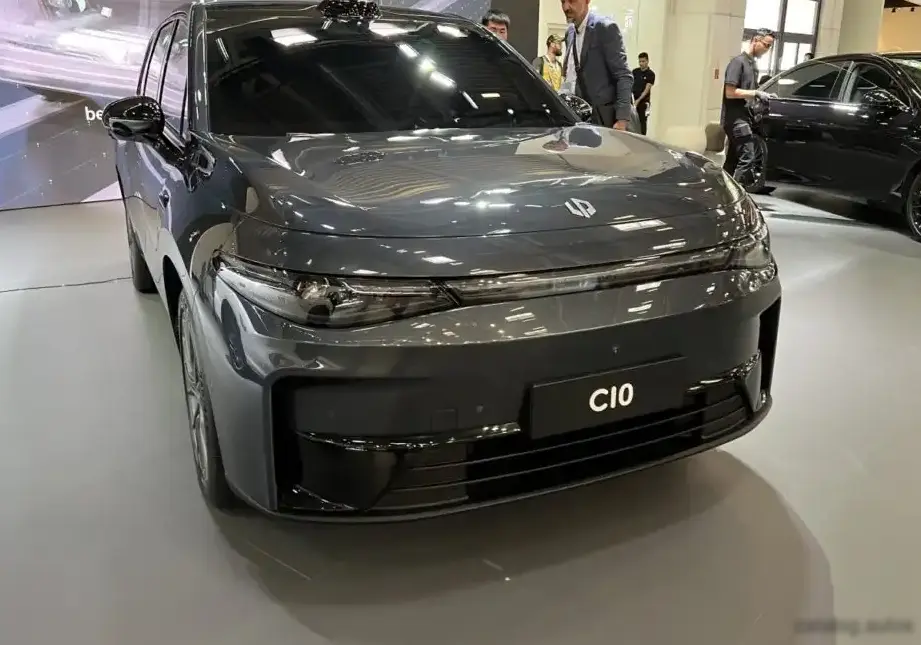
The Leapmotor C10, specifically the variant equipped with a 52.9 kWh battery and a single electric motor producing 231 horsepower, represents a significant entry into the burgeoning electric SUV market. Production commenced in March 2024 and continued through May 2025, positioning the C10 as a relatively short-lived model within Leapmotor’s initial lineup. This model aimed to provide a balance of range, performance, and affordability, targeting consumers seeking a practical and technologically advanced electric vehicle. It falls within the compact SUV segment, competing with other emerging EV offerings primarily within the Chinese domestic market, with limited initial export availability.
Technical Specifications
| Brand | Leapmotor |
| Model | C10 |
| Generation | C10 |
| Type (Engine) | 52.9 kWh (231 Hp) BEV |
| Start of production | March, 2024 |
| End of production | May, 2025 |
| Powertrain Architecture | BEV (Electric Vehicle) |
| Body type | SUV |
| Seats | 5 |
| Doors | 5 |
| Fuel Type | Electricity |
| Acceleration 0 – 100 km/h | 7.29 sec |
| Acceleration 0 – 62 mph | 7.29 sec |
| Acceleration 0 – 60 mph | 6.9 sec |
| Maximum speed | 170 km/h (105.63 mph) |
| Weight-to-power ratio | 8 kg/Hp, 125.2 Hp/tonne |
| Weight-to-torque ratio | 5.8 kg/Nm, 173.4 Nm/tonne |
| Gross battery capacity | 52.9 kWh |
| Battery technology | Lithium iron phosphate (LiFePO4) |
| Battery location | Below the floor |
| All-electric range (CLTC) | 410 km (254.76 mi) |
| Electric motor power | 231 Hp |
| Electric motor Torque | 320 Nm (236.02 lb.-ft.) |
| Electric motor location | Rear axle, Transverse |
| Electric motor type | Synchronous |
| System power | 231 Hp |
| System torque | 320 Nm (236.02 lb.-ft.) |
| Kerb Weight | 1845 kg (4067.53 lbs.) |
| Trunk (boot) space – minimum | 370 l (13.07 cu. ft.) |
| Trunk (boot) space – maximum | 835 l (29.49 cu. ft.) |
| Length | 4739 mm (186.57 in.) |
| Width | 1900 mm (74.8 in.) |
| Height | 1680 mm (66.14 in.) |
| Wheelbase | 2825 mm (111.22 in.) |
| Ride height (ground clearance) | 180 mm (7.09 in.) |
| Drivetrain Architecture | One electric motor drives the rear wheels. |
| Drive wheel | Rear wheel drive |
| Number of gears and type of gearbox | 1 gears, automatic transmission |
| Front suspension | Independent type McPherson |
| Rear suspension | Independent multi-link suspension |
| Front brakes | Ventilated discs |
| Rear brakes | Ventilated discs |
| Assisting systems | ABS (Anti-lock braking system) |
| Steering type | Steering rack and pinion |
| Power steering | Electric Steering |
| Tires size | 235/55 R18 |
| Wheel rims size | 18 |
Powertrain & Engine Architecture
The Leapmotor C10 52.9 kWh variant utilizes a single, rear-mounted synchronous electric motor. This motor delivers a peak output of 231 horsepower and 320 Nm (236.02 lb.-ft.) of torque. The 52.9 kWh lithium iron phosphate (LiFePO4) battery pack is positioned under the vehicle floor, contributing to a lower center of gravity and improved handling. LiFePO4 chemistry is favored for its enhanced thermal stability and longer cycle life compared to other lithium-ion battery types, though it typically offers slightly lower energy density. The vehicle employs a single-speed automatic transmission, typical for electric vehicles, simplifying the drivetrain and maximizing efficiency. The power electronics and motor control unit manage the flow of energy between the battery and the motor, optimizing performance and range.
Driving Characteristics
The C10 52.9 kWh delivers brisk acceleration, achieving 0-60 mph in approximately 6.9 seconds. While not a performance-oriented EV, the instant torque characteristic of electric motors provides responsive acceleration in everyday driving situations. The rear-wheel-drive configuration contributes to a balanced feel, although it may require some adjustment for drivers accustomed to front-wheel-drive vehicles, particularly in low-traction conditions. The single-speed transmission offers seamless acceleration, eliminating the need for gear changes. Compared to potential future higher-performance variants of the C10, this version prioritizes efficiency and affordability over outright speed.
Equipment & Trim Levels
The standard equipment level for the C10 52.9 kWh included features such as a large touchscreen infotainment system, digital instrument cluster, automatic climate control, and a suite of advanced driver-assistance systems (ADAS). These ADAS features typically included adaptive cruise control, lane keeping assist, and automatic emergency braking. Interior upholstery was generally cloth or a synthetic leatherette, with options for upgraded materials available. The dashboard layout was modern and minimalist, emphasizing the large central touchscreen. Optional extras could include a panoramic sunroof, premium audio system, and enhanced interior lighting.
Chassis & Braking
The Leapmotor C10 features an independent suspension system at both the front and rear. The front utilizes a McPherson strut setup, while the rear employs a multi-link suspension. This configuration aims to provide a comfortable ride and responsive handling. Ventilated disc brakes are used on all four wheels, providing adequate stopping power. The vehicle is equipped with an anti-lock braking system (ABS) and electronic stability control (ESC) as standard safety features. The steering system is an electric power-assisted rack and pinion, offering precise and responsive steering feel.
Market Reception & Comparison
The Leapmotor C10, particularly the 52.9 kWh variant, received generally positive reviews for its value proposition. Critics praised its spacious interior, modern technology, and competitive range for its price point. However, some noted the relatively basic interior materials compared to more established brands. In terms of fuel economy (electricity consumption), the C10 offered a CLTC-rated range of 410 km (254.76 miles), which translates to a reasonable energy efficiency rating. Compared to other trims, the 52.9 kWh version represented the entry-level option, offering a balance between range and affordability. Higher-capacity battery packs and more powerful motors were available in other C10 variants, offering increased range and performance at a higher cost.
Legacy
As a relatively recent model, the long-term reliability of the Leapmotor C10 52.9 kWh is still being established. However, the use of LiFePO4 battery technology suggests good longevity and thermal stability. The vehicle’s relatively simple electric powertrain, with a single motor and single-speed transmission, should contribute to lower maintenance costs compared to internal combustion engine vehicles. On the used car market, the C10 is likely to appeal to budget-conscious buyers seeking an affordable electric SUV with modern features. Its position as an early model from a relatively new brand may influence resale values, but its overall practicality and efficiency should ensure continued demand.
