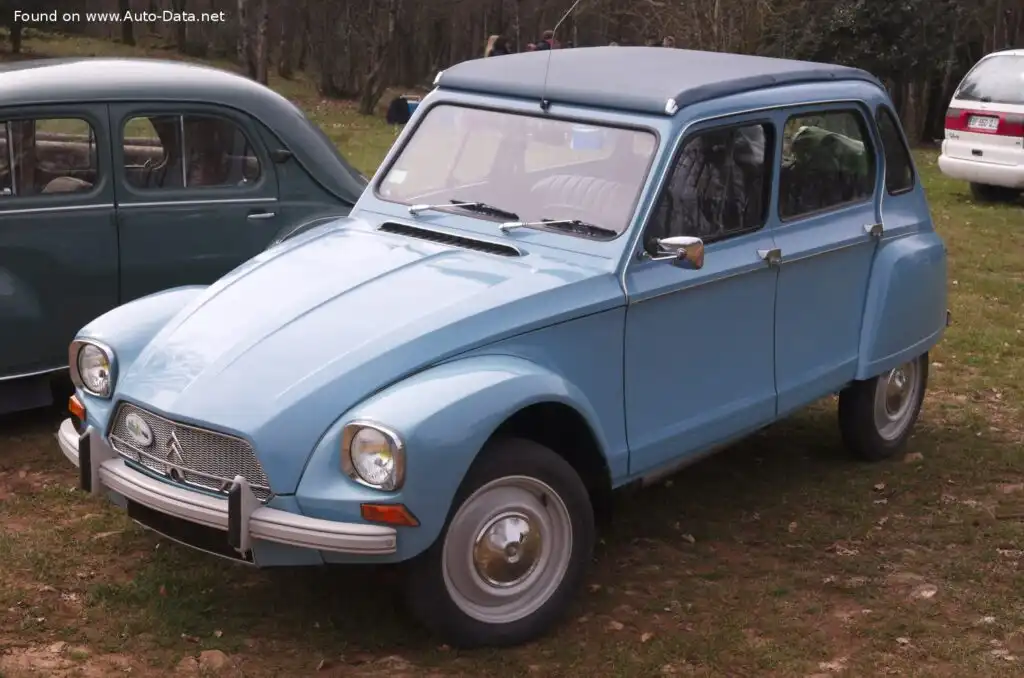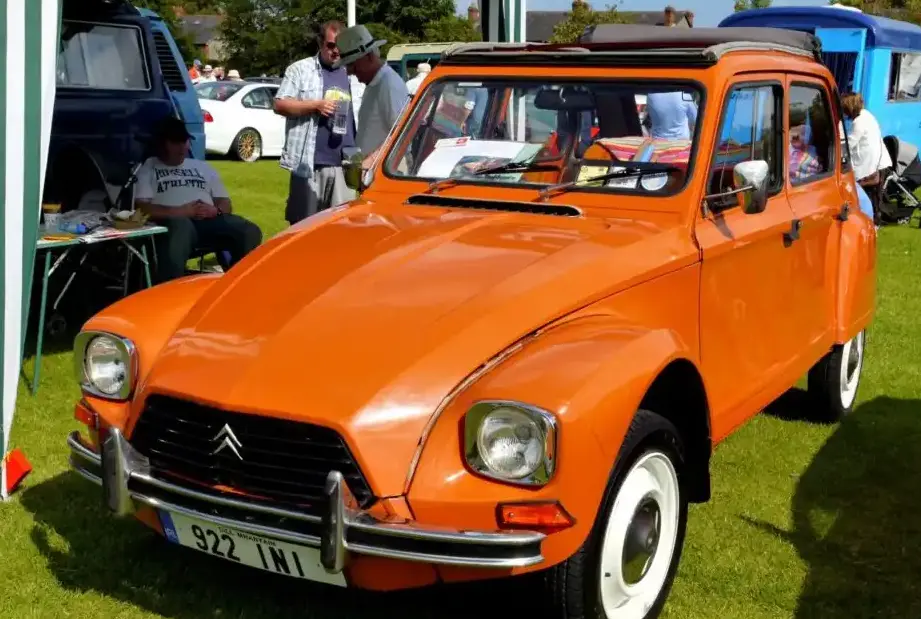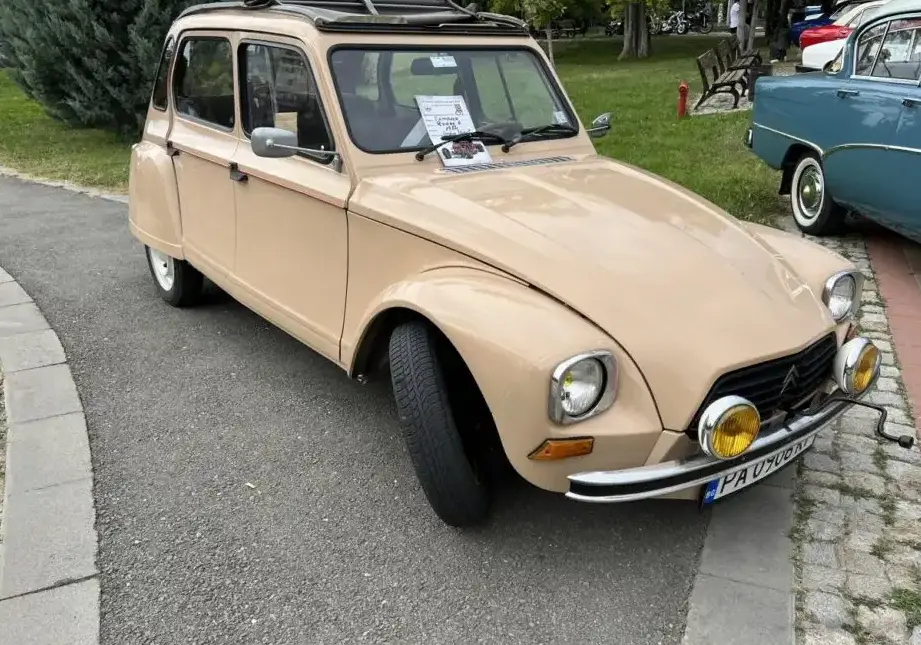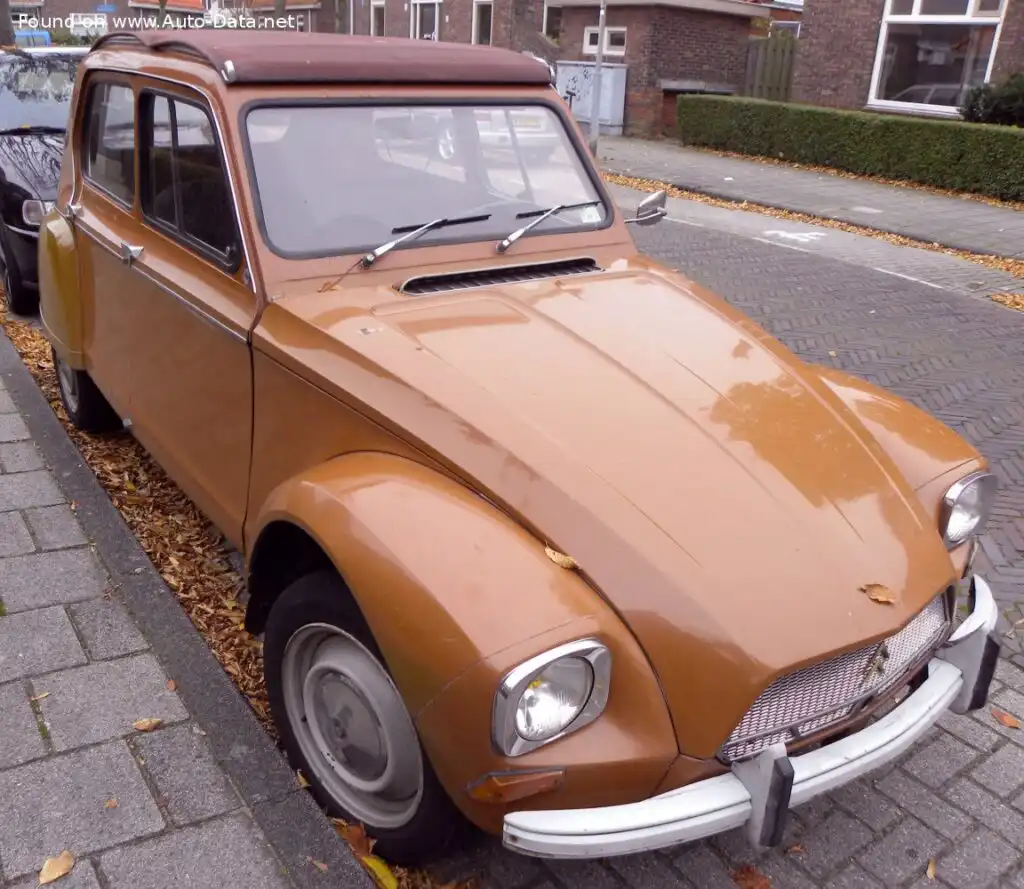
The Citroën Dyane 6, representing the entry point to the Dyane model range, was produced between 1968 and 1969 as part of the initial Dyane I (Phase I) generation. Positioned as a practical and economical city car, the Dyane aimed to replace the aging Citroën 2CV while offering a slightly more modern aesthetic and improved features. It shared its platform (a shortened version of the Ami 6) and many mechanical components with the 2CV, but distinguished itself with a more conventional fastback body style and a greater emphasis on comfort. The Dyane 6, with its modest 28 horsepower engine, served as the base model, offering affordability and accessibility to a wider customer base.
Technical Specifications
| Brand | Citroen |
| Model | Dyane |
| Generation | Dyane I (Phase I) |
| Type (Engine) | Dyane 6 (28 Hp) |
| Start of production | 1968 |
| End of production | 1969 |
| Powertrain Architecture | Internal Combustion engine |
| Body type | Sedan, Fastback |
| Seats | 5 |
| Doors | 5 |
| Fuel consumption (combined) | 5.5 l/100 km (42.8 US mpg, 51.4 UK mpg, 18.2 km/l) |
| Fuel Type | Petrol (Gasoline) |
| Maximum speed | 110 km/h (68.35 mph) |
| Weight-to-power ratio | 20.9 kg/Hp, 47.9 Hp/tonne |
| Weight-to-torque ratio | 13.6 kg/Nm, 73.5 Nm/tonne |
| Power | 28 Hp @ 4750 rpm |
| Power per litre | 46.5 Hp/l |
| Torque | 43 Nm @ 3500 rpm (31.72 lb.-ft. @ 3500 rpm) |
| Engine displacement | 602 cm3 (36.74 cu. in.) |
| Number of cylinders | 2 |
| Engine configuration | Boxer |
| Cylinder Bore | 74 mm (2.91 in.) |
| Piston Stroke | 70 mm (2.76 in.) |
| Compression ratio | 7.75:1 |
| Fuel injection system | Carburettor |
| Engine aspiration | Naturally aspirated engine |
| Engine oil capacity | 2.5 l (2.64 US qt | 2.2 UK qt) |
| Kerb Weight | 585-600 kg (1289.7 – 1322.77 lbs.) |
| Max. weight | 925 kg (2039.28 lbs.) |
| Max load | 325-340 kg (716.5 – 749.57 lbs.) |
| Trunk (boot) space – minimum | 250 l (8.83 cu. ft.) |
| Fuel tank capacity | 25 l (6.6 US gal | 5.5 UK gal) |
| Length | 3905 mm (153.74 in.) |
| Width | 1500 mm (59.06 in.) |
| Height | 1540 mm (60.63 in.) |
| Wheelbase | 2400 mm (94.49 in.) |
| Minimum turning circle | 11 m (36.09 ft.) |
| Drivetrain Architecture | Front wheel drive, Internal Combustion engine |
| Drive wheel | Front wheel drive |
| Number of gears and type of gearbox | 4 gears, manual transmission |
| Front suspension | Independent coil spring |
| Rear suspension | Independent coil spring |
| Front brakes | Drum |
| Rear brakes | Drum |
| Steering type | Steering rack and pinion |
Powertrain & Engine Architecture
The Dyane 6 was powered by a 602cc, two-cylinder, boxer engine. This engine, designated as a variation of the Citroën M63 engine family, was known for its simplicity and robustness. The boxer configuration, with horizontally opposed cylinders, contributed to a low center of gravity, aiding in handling. Fuel delivery was managed by a single Solex carburetor. The engine featured a relatively low compression ratio of 7.75:1, prioritizing reliability and the ability to run on lower-octane fuel, common in European markets at the time. The four-speed manual transmission was a direct-shift type, known for its light and precise action. The engine’s modest output was geared towards fuel efficiency rather than outright performance.
Driving Characteristics
The Dyane 6, with its 28 horsepower and relatively lightweight construction, offered modest but adequate performance for urban driving. Acceleration was slow by modern standards, and highway speeds required careful planning. The four-speed gearbox was well-matched to the engine’s characteristics, providing usable torque across a narrow rev range. Compared to later Dyane variants with larger engines, the 6 felt noticeably underpowered, particularly when carrying a full load of passengers or luggage. The independent suspension, however, provided a comfortable ride, absorbing bumps and imperfections in the road surface effectively. The steering, utilizing a rack and pinion system, was light and responsive, making maneuvering in tight spaces easy.
Equipment & Trim Levels
The Dyane 6 was intentionally kept simple in terms of equipment to maintain affordability. Standard features included basic cloth upholstery, a simple dashboard layout with minimal instrumentation (speedometer, fuel gauge), and manually operated windows. The interior was functional rather than luxurious. Optional extras were limited but could include a heater, a radio, and upgraded seat coverings. The exterior trim was also basic, with minimal chrome accents. The Dyane 6 represented the entry-level trim, lacking the more refined features found in the Dyane 10 or Dyane 11 models.
Chassis & Braking
The Dyane utilized a monocoque chassis construction, providing a good balance of strength and weight. The suspension system consisted of independent coil springs at all four wheels, a feature uncommon in cars of this price point at the time. This contributed to the Dyane’s comfortable ride quality. Braking was handled by drum brakes on all four wheels. While adequate for the car’s performance, the drum brakes lacked the stopping power and fade resistance of disc brakes. The steering system employed a rack and pinion setup, providing precise and responsive steering feel.
Market Reception & Comparison
The Citroën Dyane 6 was generally well-received as an affordable and practical city car. Critics praised its comfortable ride, nimble handling, and fuel efficiency. However, the engine’s lack of power was a common criticism. Compared to the Citroën 2CV, the Dyane offered a more modern design and slightly improved comfort. Compared to the Dyane 10 and 11 models, the 6 was significantly less powerful and offered fewer features, but it was also considerably more affordable. The Dyane 6 appealed to buyers seeking a basic, reliable, and economical mode of transportation.
Legacy
The Dyane 6, while the least powerful variant of the Dyane range, played a crucial role in establishing the model as a popular choice in Europe. The 602cc engine proved to be remarkably durable, and many examples remain on the road today. The Dyane’s simple mechanical design makes it relatively easy to maintain and repair. In the used car market, the Dyane 6 is often sought after by enthusiasts looking for a classic Citroën that is both affordable and enjoyable to drive. Its enduring appeal lies in its unique character, its comfortable ride, and its historical significance as a representative of Citroën’s innovative engineering and design philosophy.