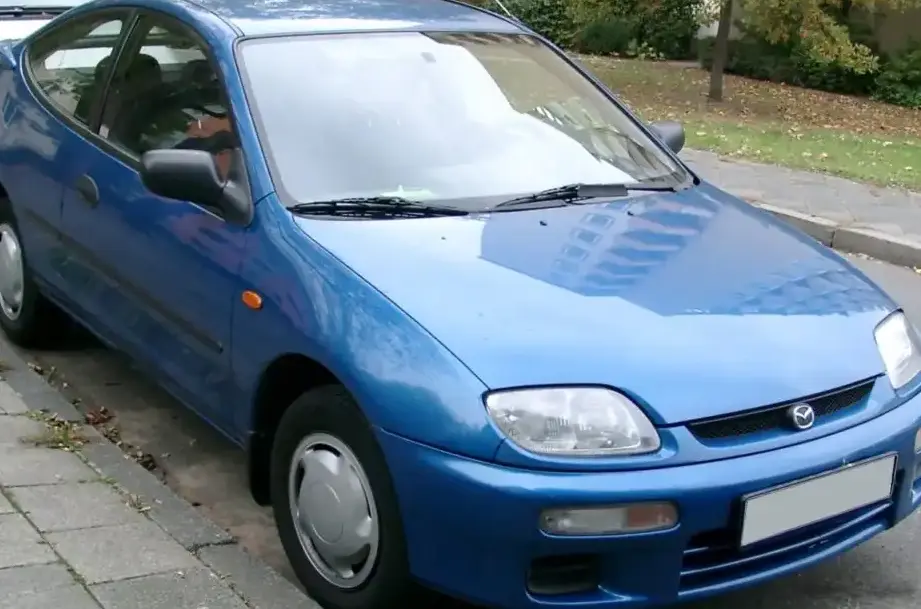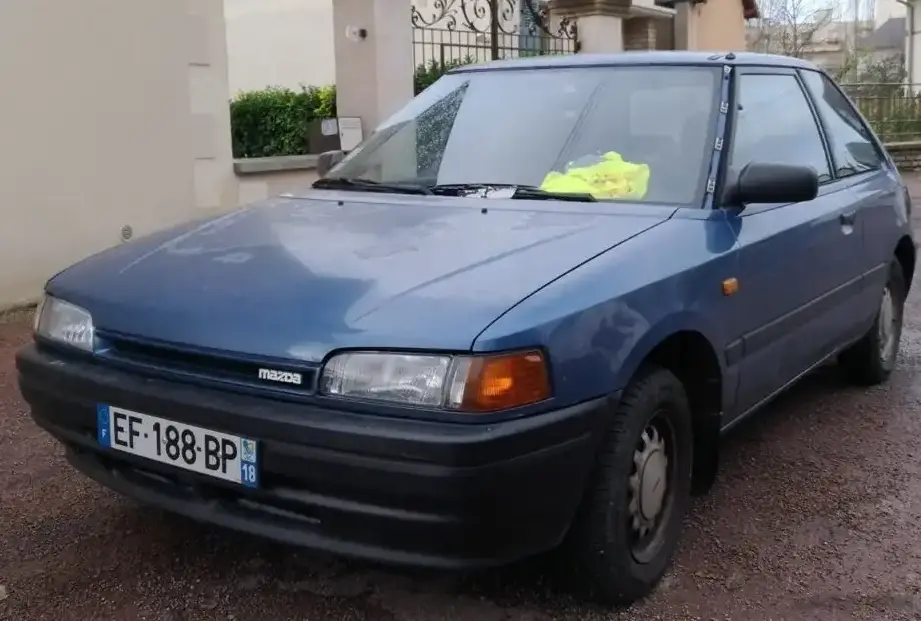
The Mazda 323 S IV (BG) 1.3 16V, produced between 1991 and 1994, represented an entry-level offering within the fourth generation of Mazda’s popular compact car. Positioned as a practical and economical choice, this variant catered to buyers prioritizing fuel efficiency and affordability over outright performance. The BG series 323 marked a significant step forward in Mazda’s design and engineering, offering improved refinement and a more modern driving experience compared to its predecessors. This particular 1.3L 16V engine and transmission combination was primarily sold in European and Asian markets, with limited availability in North America where the larger engine options were favored. It served as the base model, offering a stepping stone into the 323 range.
Technical Specifications
| Brand | Mazda |
| Model | 323 |
| Generation | 323 S IV (BG) |
| Type (Engine) | 1.3 16V (73 Hp) |
| Start of production | 1991 |
| End of production | 1994 |
| Powertrain Architecture | Internal Combustion engine |
| Body type | Hatchback |
| Fuel Type | Petrol (Gasoline) |
| Power | 73 Hp |
| Engine aspiration | Naturally aspirated engine |
Powertrain & Engine Architecture
The heart of the 323 S IV 1.3 16V was the Mazda B6 engine, a 1.3-liter (1296 cc) inline-four cylinder gasoline engine. This engine featured a 16-valve cylinder head, a key element in improving breathing and, consequently, power output compared to earlier 8-valve versions. The B6 engine utilized a single overhead camshaft (SOHC) design, which contributed to its simplicity and reliability. Fuel delivery was managed by a multi-point fuel injection system, enhancing fuel efficiency and reducing emissions. While not a powerhouse, the 16-valve configuration allowed for a relatively lively engine for its displacement.
The transmission paired with the 1.3L engine was typically a four-speed automatic. This automatic transmission was chosen to provide ease of use and convenience, appealing to a broader range of drivers. It wasn’t known for particularly quick shifts or sporty performance, but it was durable and well-suited to the engine’s power characteristics. The automatic transmission’s gear ratios were geared towards fuel economy and smooth cruising rather than rapid acceleration. Manual transmission options were available in other 323 variants, offering a more engaging driving experience, but the automatic was the predominant choice for this entry-level trim.
Driving Characteristics
The 323 S IV 1.3 16V with the automatic transmission delivered a comfortable, if uninspiring, driving experience. With 73 horsepower on tap, acceleration was modest, taking approximately 13-14 seconds to reach 60 mph. The automatic transmission, while smooth, did sap some of the engine’s limited power, resulting in a noticeable delay in response when overtaking or climbing hills. The gear ratios were spaced to prioritize fuel economy, meaning the engine often operated at higher RPMs during acceleration. Compared to the 1.6L and 1.8L variants, the 1.3L felt noticeably slower, particularly when fully loaded with passengers or cargo. However, for urban driving and commuting, the 1.3L provided adequate performance. The suspension, tuned for comfort, absorbed bumps and imperfections in the road well, contributing to a pleasant ride quality.
Equipment & Trim Levels
The 1.3 16V variant of the 323 S IV was typically equipped with a basic, yet functional, set of features. Standard equipment generally included power steering, central locking, and a basic stereo system. Interior upholstery was typically cloth, with a simple dashboard layout. Air conditioning was often an optional extra, as were electric windows. The trim level was designed to be affordable, so features were kept to a minimum. Higher trim levels of the 323 S IV, such as the 1.6 or 1.8 models, offered more luxurious appointments, including upgraded upholstery, alloy wheels, and more sophisticated audio systems. The 1.3L model was often seen as a ‘fleet’ vehicle, purchased by companies for employees due to its low running costs.
Chassis & Braking
The 323 S IV (BG) utilized a MacPherson strut front suspension and a torsion beam rear suspension. This setup provided a good balance between ride comfort and handling. The torsion beam rear suspension was a cost-effective solution that minimized complexity while still offering acceptable handling characteristics. Braking on the 1.3L model typically consisted of disc brakes on the front wheels and drum brakes on the rear wheels. This configuration was common for entry-level models of the time, as it helped to keep production costs down. Anti-lock braking system (ABS) was generally not standard on this trim level, but it was available as an optional extra. The chassis was relatively lightweight, which helped to offset the engine’s modest power output and contributed to reasonable fuel economy.
Market Reception & Comparison
The Mazda 323 S IV 1.3 16V was generally well-received as a practical and economical small car. Critics praised its fuel efficiency, comfortable ride, and reliable engine. However, it was often criticized for its lack of power and somewhat uninspired driving dynamics. Compared to the higher-spec 323 models, the 1.3L felt significantly slower and less refined. The 1.6L and 1.8L variants offered a more engaging driving experience and were better suited for drivers who prioritized performance. In terms of fuel economy, the 1.3L excelled, achieving around 35-40 mpg in mixed driving conditions. Reliability was generally good, with the B6 engine proving to be a durable and long-lasting unit. Competitors in this segment included the Ford Escort, Volkswagen Golf, and Opel/Vauxhall Astra.
Legacy
The Mazda 323 S IV 1.3 16V, while not the most exciting variant in the range, has proven to be a surprisingly durable and reliable car. Many examples are still on the road today, testament to the quality of Mazda’s engineering. In the used car market, these models are typically very affordable, making them attractive to first-time buyers or those seeking a cheap and reliable runabout. The B6 engine is known for its simplicity and ease of maintenance, and spare parts are still readily available. While not a collector’s item, the 323 S IV 1.3 16V represents a solid and dependable example of 1990s Japanese automotive engineering. Its enduring presence on roads worldwide speaks to its practicality and overall build quality.