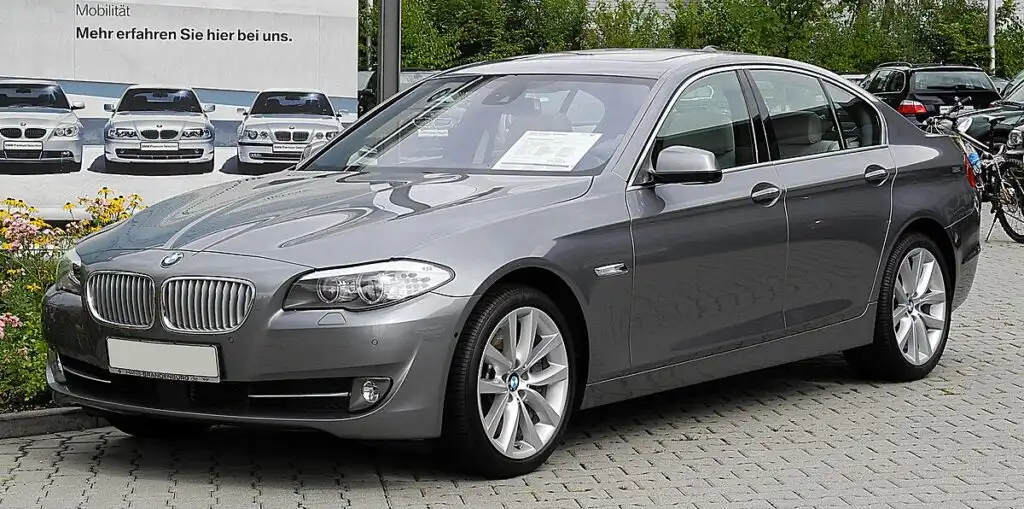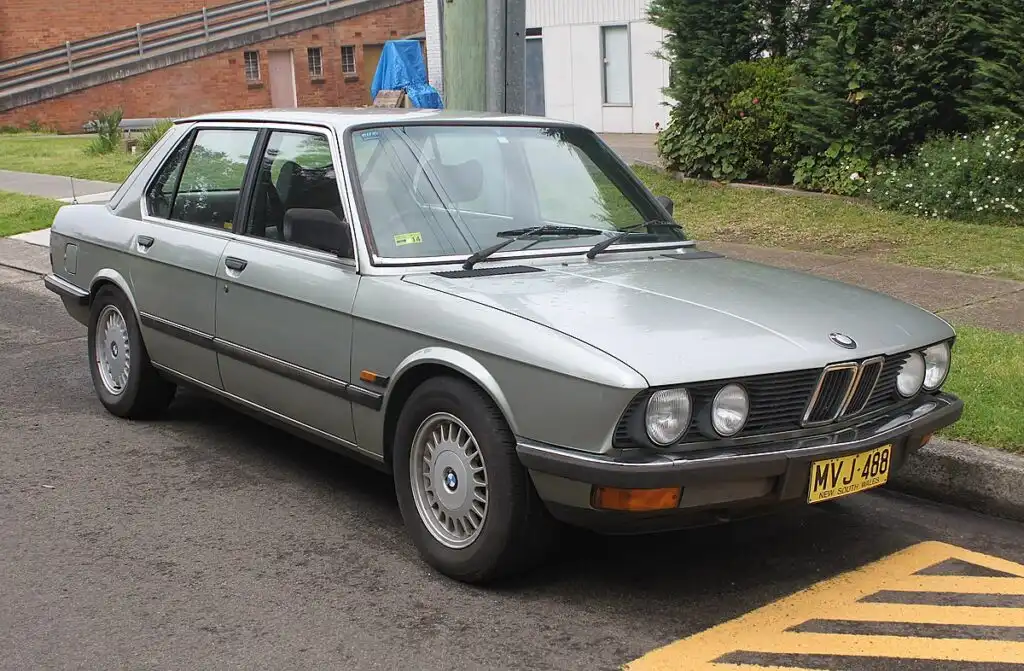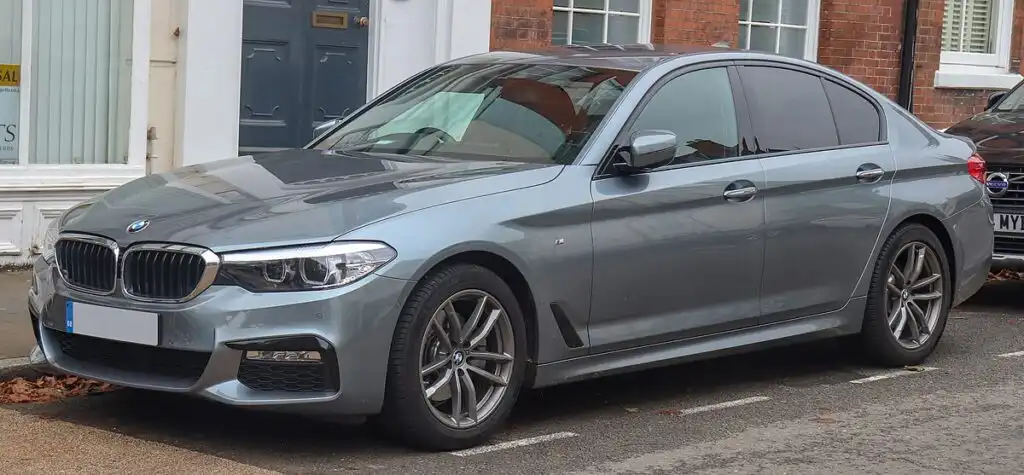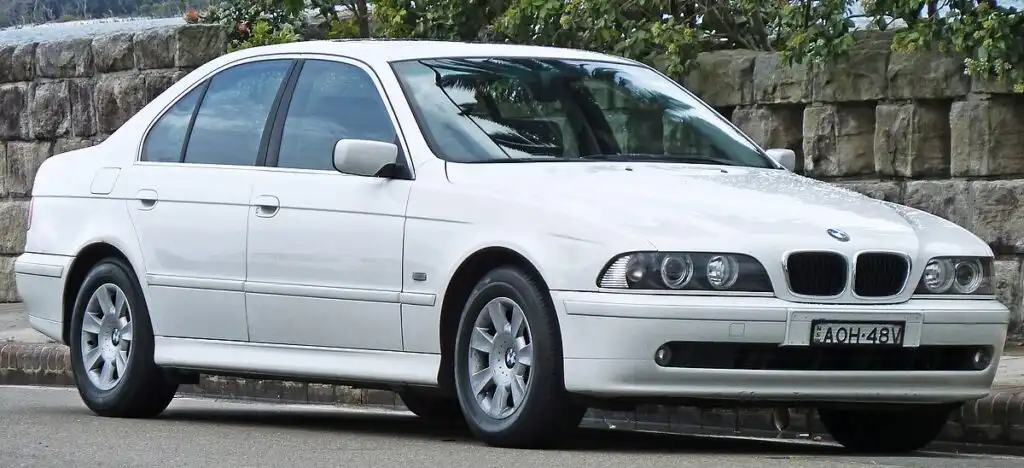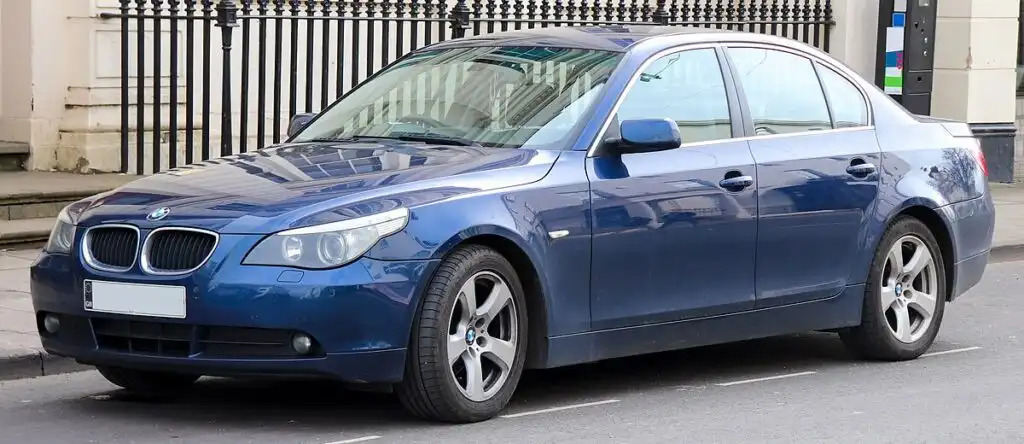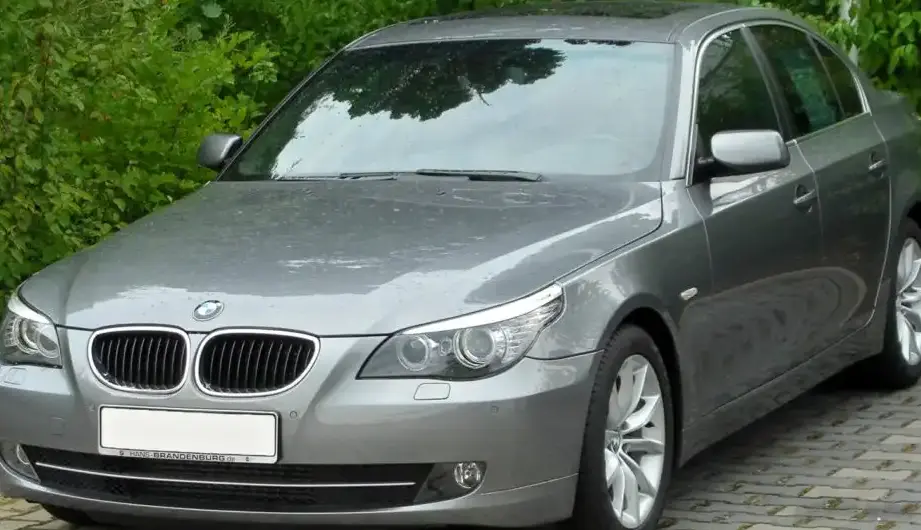
The BMW 530i, specifically the variant produced from 2007 to 2010 as part of the E60 LCI (Life Cycle Impulse) facelift, represented a key offering in BMW’s mid-size executive car lineup. Positioned as a balance between performance and efficiency, the 530i with its 3.0-liter inline-six engine and available automatic transmission aimed to provide a refined driving experience for a broad range of customers. This iteration of the 5 Series benefited from the LCI updates, which included revised styling, updated technology, and improvements to the engine range. It served as a popular choice in markets worldwide, including North America, where it competed with vehicles like the Mercedes-Benz E-Class and Audi A6.
Technical Specifications
| Brand | BMW |
| Model | 5 Series |
| Generation | 5 Series (E60 LCI, facelift 2007) |
| Type (Engine) | 530i (272 Hp) |
| Start of production | 2007 |
| End of production | 2010 |
| Powertrain Architecture | Internal Combustion engine |
| Body type | Sedan |
| Seats | 5 |
| Doors | 4 |
| Fuel consumption (economy) – urban (NEDC) | 10.9 l/100 km (21.6 US mpg, 25.9 UK mpg, 9.2 km/l) |
| Fuel consumption (economy) – extra urban (NEDC) | 5.8 l/100 km (40.6 US mpg, 48.7 UK mpg, 17.2 km/l) |
| Fuel consumption (economy) – combined (NEDC) | 7.7 l/100 km (30.5 US mpg, 36.7 UK mpg, 13 km/l) |
| CO2 emissions (NEDC) | 182 g/km |
| Fuel Type | Petrol (Gasoline) |
| Acceleration 0 – 100 km/h | 6.3 sec |
| Acceleration 0 – 62 mph | 6.3 sec |
| Acceleration 0 – 60 mph | 6 sec |
| Maximum speed | 250 km/h (155.34 mph), Electronically limited |
| Emission standard | Euro 4 |
| Weight-to-power ratio | 5.6 kg/Hp, 177.8 Hp/tonne |
| Weight-to-torque ratio | 4.8 kg/Nm, 209.2 Nm/tonne |
| Power | 272 Hp @ 6700 rpm |
| Power per litre | 90.8 Hp/l |
| Torque | 320 Nm @ 2750-3000 rpm (236.02 lb.-ft. @ 2750-3000 rpm) |
| Engine layout | Front, Longitudinal |
| Engine Model/Code | N53B30A |
| Engine displacement | 2996 cm3 (182.83 cu. in.) |
| Number of cylinders | 6 |
| Engine configuration | Inline |
| Cylinder Bore | 85 mm (3.35 in.) |
| Piston Stroke | 88 mm (3.46 in.) |
| Compression ratio | 12:1 |
| Number of valves per cylinder | 4 |
| Fuel injection system | Direct injection |
| Engine aspiration | Naturally aspirated engine |
| Valvetrain | DOHC, Double-VANOS |
| Engine oil capacity | 6.5 l (6.87 US qt | 5.72 UK qt) |
| Coolant | 10 l (10.57 US qt | 8.8 UK qt) |
| Kerb Weight | 1530 kg (3373.07 lbs.) |
| Max. weight | 2090 kg (4607.66 lbs.) |
| Max load | 560 kg (1234.59 lbs.) |
| Trunk (boot) space – minimum | 520 l (18.36 cu. ft.) |
| Fuel tank capacity | 70 l (18.49 US gal | 15.4 UK gal) |
| Max. roof load | 100 kg (220.46 lbs.) |
| Permitted trailer load with brakes (8%) | 2000 kg (4409.25 lbs.) |
| Permitted trailer load with brakes (12%) | 2000 kg (4409.25 lbs.) |
| Permitted trailer load without brakes | 750 kg (1653.47 lbs.) |
| Length | 4841 mm (190.59 in.) |
| Width | 1846 mm (72.68 in.) |
| Width including mirrors | 2030 mm (79.92 in.) |
| Height | 1468 mm (57.8 in.) |
| Wheelbase | 2888 mm (113.7 in.) |
| Front track | 1558 mm (61.34 in.) |
| Rear (Back) track | 1581 mm (62.24 in.) |
| Front overhang | 852 mm (33.54 in.) |
| Rear overhang | 1101 mm (43.35 in.) |
| Ride height (ground clearance) | 142 mm (5.59 in.) |
| Drag coefficient (Cd) | 0.27 |
| Minimum turning circle (turning diameter) | 11.4 m (37.4 ft.) |
| Drivetrain Architecture | The Internal combustion engine (ICE) drives the rear wheels of the vehicle. |
| Drive wheel | Rear wheel drive |
| Number of gears and type of gearbox | 6 gears, manual transmission |
| Front suspension | Spring Strut |
| Rear suspension | Independent multi-link suspension |
| Front brakes | Ventilated discs |
| Rear brakes | Ventilated discs |
| Assisting systems | ABS (Anti-lock braking system) |
| Steering type | Steering rack and pinion |
| Power steering | Hydraulic Steering |
| Tires size | 225/55 R17 |
| Wheel rims size | 7.5J x 17 |
INTRODUCTION
The E60 5 Series, launched in 2003, represented a significant departure for BMW, embracing a more controversial, angular design language and incorporating advanced technology. The 2007 LCI (Life Cycle Impulse) facelift addressed some of the initial criticisms, refining the styling and updating the interior. The 530i, powered by the N53B30A engine, was a mainstay of the range, offering a compelling blend of performance and fuel economy. It was available with both a six-speed manual and a six-speed automatic transmission, with the automatic being the more popular choice in the North American market. The 530i aimed to appeal to buyers who desired a premium executive sedan without the higher price tag and more aggressive performance of the 535i or 550i models.
Powertrain & Engine Architecture
The heart of the 530i is the N53B30A, a 3.0-liter inline-six cylinder engine. This engine is a naturally aspirated powerplant featuring direct fuel injection, a key technology for improving both power and efficiency. The N53 utilized piezo injectors for precise fuel delivery and featured BMW’s Double-VANOS variable valve timing system on both the intake and exhaust camshafts, optimizing engine performance across the rev range. The engine produced 272 horsepower at 6700 rpm and 320 Nm (236 lb-ft) of torque between 2750 and 3000 rpm. The six-speed automatic transmission, typically the ZF 6HP series, was designed for smooth and efficient gear changes. This transmission featured adaptive shift programs, adjusting to the driver’s style and road conditions. The automatic transmission’s gear ratios were tuned to provide a balance between acceleration and fuel economy, with a relatively tall final drive ratio.
Driving Characteristics
The 530i automatic offered a comfortable and refined driving experience. While not as overtly sporty as the manual transmission version or the higher-powered models, it provided ample power for everyday driving and highway cruising. Acceleration from 0-60 mph took around 6 seconds, which was respectable for the time. The automatic transmission generally shifted smoothly, although some drivers noted a slight hesitation during kickdown. Compared to the 535i, the 530i felt less urgent in its acceleration, but it offered a more relaxed and fuel-efficient driving experience. The 530i’s suspension provided a good balance between comfort and handling, absorbing bumps well while still offering a reasonably controlled ride.
Equipment & Trim Levels
The 530i came standard with a generous array of features, including leatherette upholstery, automatic climate control, a multi-function steering wheel, and a BMW Business radio system. Optional extras included leather upholstery, a premium sound system, navigation, sport seats, and a sunroof. The interior design was typical of BMW at the time, with a driver-focused layout and high-quality materials. Trim levels varied depending on the market, but generally, the 530i could be upgraded with various packages that added features like parking sensors, heated seats, and upgraded interior trim.
Chassis & Braking
The E60 5 Series featured a robust chassis with a MacPherson strut front suspension and a multi-link rear suspension. The 530i typically came equipped with ventilated disc brakes on all four wheels, providing ample stopping power. Anti-lock brakes (ABS) and dynamic stability control (DSC) were standard features, enhancing safety and stability. The steering was a hydraulic rack-and-pinion system, offering precise and responsive handling. The suspension tuning was geared towards comfort, but the 530i still offered a reasonably engaging driving experience.
Market Reception & Comparison
The 530i was generally well-received by automotive critics. It was praised for its refined engine, comfortable ride, and well-appointed interior. However, some critics noted that the styling was still somewhat polarizing, and the automatic transmission could occasionally feel hesitant. Compared to the 535i, the 530i offered better fuel economy and a lower price point, making it a more practical choice for many buyers. The 530i also compared favorably to its rivals from Mercedes-Benz and Audi, offering a compelling combination of performance, luxury, and technology.
Legacy
The N53B30A engine, while generally reliable, is known to be susceptible to carbon buildup on the intake valves, which can lead to rough running and reduced performance. Regular maintenance, including walnut blasting to clean the intake valves, is recommended to prevent this issue. The six-speed automatic transmission is also generally reliable, but fluid changes should be performed at the recommended intervals. Today, the E60 530i represents a relatively affordable entry point into BMW ownership. Well-maintained examples can still provide years of reliable service, offering a comfortable and refined driving experience. The car’s blend of performance, luxury, and technology continues to appeal to enthusiasts and everyday drivers alike.