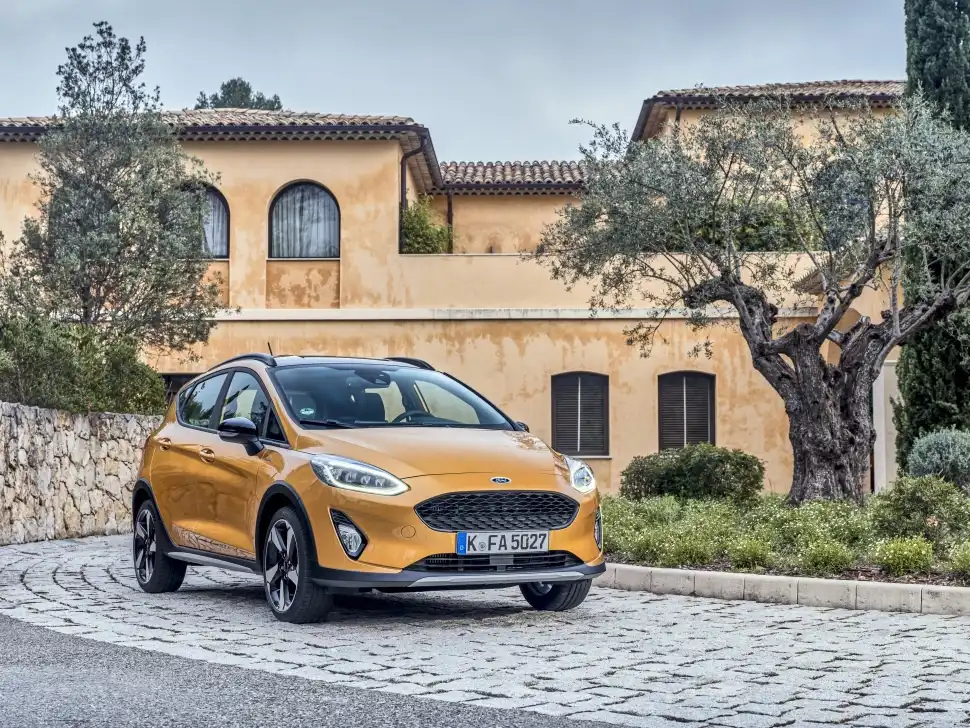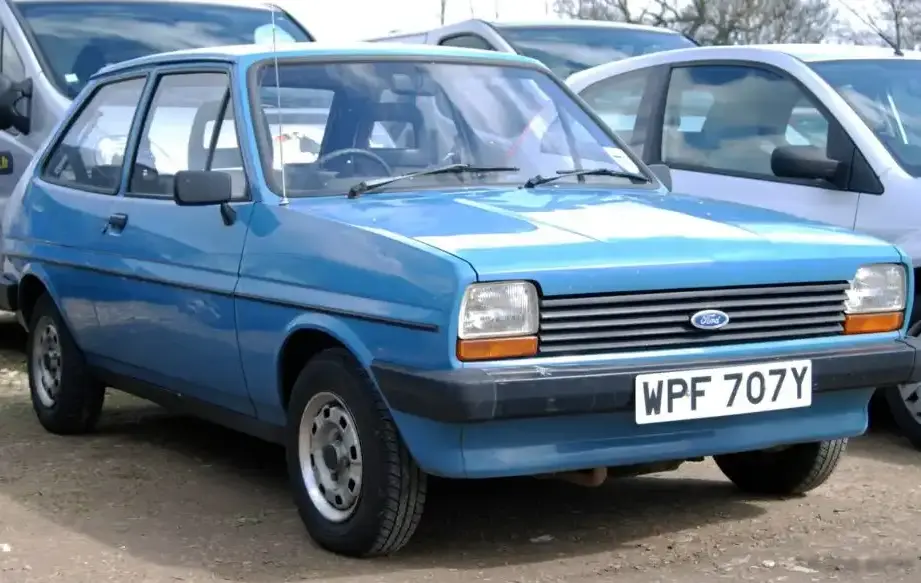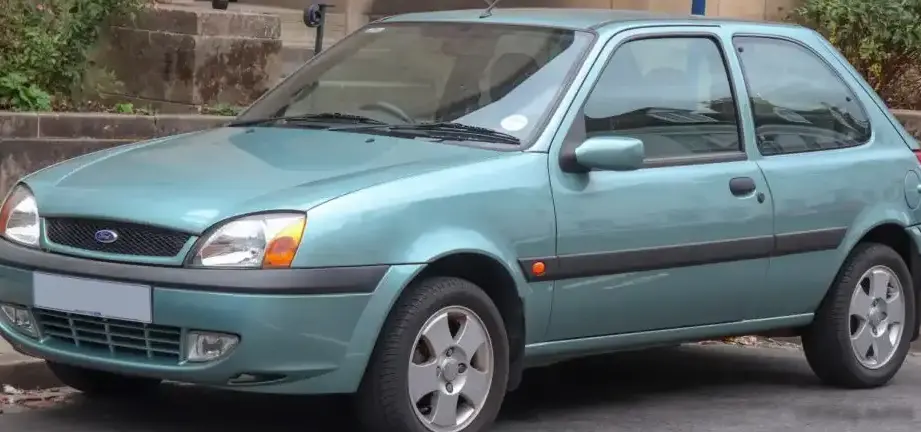
The Ford Fiesta Mk5, produced between 1995 and 2002, represented a significant step forward for Ford’s supermini. The 3-door 1.6 16V Sport variant, available from September 1999 to November 2001, occupied a performance-oriented niche within the Mk5 range. Positioned above the base models but below any potential future performance derivatives, it aimed to offer a blend of practicality, affordability, and engaging driving dynamics. This model was primarily sold in Europe, where the Fiesta was a dominant force in the small car segment, competing with vehicles like the Peugeot 206, Renault Clio, and Volkswagen Polo.
Technical Specifications
| Brand | Ford |
| Model | Fiesta |
| Generation | Fiesta V (Mk5) 3 door |
| Type (Engine) | 1.6 16V Sport (103 Hp) |
| Start of production | September, 1999 |
| End of production | November, 2001 |
| Powertrain Architecture | Internal Combustion engine |
| Body type | Hatchback |
| Seats | 5 |
| Doors | 3 |
| Fuel consumption (urban) | 9.5 l/100 km (24.8 US mpg) |
| Fuel consumption (extra urban) | 6 l/100 km (39.2 US mpg) |
| Fuel Type | Petrol (Gasoline) |
| Acceleration 0 – 100 km/h | 10.2 sec |
| Acceleration 0 – 62 mph | 10.2 sec |
| Acceleration 0 – 60 mph | 9.7 sec |
| Maximum speed | 182 km/h (113.09 mph) |
| Weight-to-power ratio | 10 kg/Hp |
| Weight-to-torque ratio | 7.1 kg/Nm |
| Power | 103 Hp @ 6000 rpm |
| Torque | 145 Nm @ 4000 rpm (106.95 lb.-ft. @ 4000 rpm) |
| Engine layout | Front, Transverse |
| Engine Model/Code | L1T, L1V |
| Engine displacement | 1596 cm3 (97.39 cu. in.) |
| Number of cylinders | 4 |
| Engine configuration | Inline |
| Cylinder Bore | 79 mm (3.11 in.) |
| Piston Stroke | 81.4 mm (3.2 in.) |
| Compression ratio | 11:1 |
| Number of valves per cylinder | 4 |
| Fuel injection system | Multi-port manifold injection |
| Engine aspiration | Naturally aspirated engine |
| Valvetrain | DOHC |
| Engine oil capacity | 4.25 l (4.49 US qt | 3.74 UK qt) |
| Coolant | 6 l (6.34 US qt | 5.28 UK qt) |
| Kerb Weight | 1029 kg (2268.56 lbs.) |
| Max. weight | 1450 kg (3196.7 lbs.) |
| Max load | 421 kg (928.15 lbs.) |
| Trunk (boot) space – minimum | 250 l (8.83 cu. ft.) |
| Trunk (boot) space – maximum | 930 l (32.84 cu. ft.) |
| Fuel tank capacity | 40 l (10.57 US gal | 8.8 UK gal) |
| Length | 3833 mm (150.91 in.) |
| Width | 1634 mm (64.33 in.) |
| Height | 1334 mm (52.52 in.) |
| Wheelbase | 2446 mm (96.3 in.) |
| Front track | 1429 mm (56.26 in.) |
| Rear (Back) track | 1384 mm (54.49 in.) |
| Drivetrain Architecture | Front wheel drive |
| Number of gears and type of gearbox | 5 gears, manual transmission |
| Front suspension | Coil spring |
| Rear suspension | Coil spring |
| Front brakes | Disc |
| Rear brakes | Drum |
| Assisting systems | ABS (Anti-lock braking system) |
| Steering type | Steering rack and pinion |
| Power steering | Hydraulic Steering |
| Tires size | 195/50 R15 |
Powertrain & Engine Architecture
The heart of the Fiesta 1.6 16V Sport is the Zetec-S engine, specifically the L1T or L1V variant. This 1.6-liter inline-four engine features a dual overhead camshaft (DOHC) valvetrain operating four valves per cylinder. This configuration, combined with multi-port fuel injection, allowed for a relatively high power output for its displacement. The engine’s 103 horsepower at 6000 rpm and 145 Nm (107 lb-ft) of torque at 4000 rpm provided a noticeable performance boost over the lower-spec Fiesta models. The engine’s design prioritized responsiveness and a willingness to rev, making it enjoyable to drive. The manual transmission, a five-speed unit, was well-matched to the engine’s characteristics, offering precise shifts and effective gear ratios.
Driving Characteristics
The 1.6 16V Sport offered a significantly more engaging driving experience than the base Fiesta models. While not a true hot hatch in the vein of the later Fiesta ST, it provided brisk acceleration – 0-60 mph in around 9.7 seconds – and a respectable top speed of 113 mph. The engine felt lively and responsive, particularly in the mid-range, making overtaking and spirited driving relatively easy. The five-speed gearbox allowed drivers to keep the engine in its sweet spot, maximizing performance. The suspension, while still comfort-oriented, was slightly firmer than the standard Fiesta, reducing body roll and improving handling. However, the rear drum brakes, standard on this trim, were a point of criticism, lacking the stopping power of disc brakes found on some higher-spec models.
Equipment & Trim Levels
The 1.6 16V Sport trim level included several features designed to enhance both comfort and aesthetics. Standard equipment typically included power steering, central locking, electric front windows, and a basic stereo system. Sport-specific touches included body-colored bumpers and side moldings, alloy wheels (usually 15-inch), and a sport-tuned suspension. Interior appointments were relatively basic but functional, with cloth upholstery and a straightforward dashboard layout. Optional extras included air conditioning, a sunroof, and upgraded audio systems. The interior was designed with practicality in mind, offering a reasonable amount of space for passengers and luggage, especially considering the car’s compact dimensions.
Chassis & Braking
The Fiesta Mk5 utilized a MacPherson strut front suspension and a twist-beam rear suspension. This setup provided a good balance between ride comfort and handling. The front suspension featured coil springs and a stabilizer bar, while the rear suspension relied on coil springs and dampers. As mentioned previously, the braking system consisted of disc brakes on the front wheels and drum brakes on the rear. While adequate for everyday driving, the rear drum brakes were a limitation in terms of overall stopping performance. The steering was a hydraulic power-assisted rack and pinion system, providing precise and responsive steering feel.
Market Reception & Comparison
The Fiesta 1.6 16V Sport was generally well-received by automotive critics. It was praised for its lively engine, engaging handling, and affordability. However, the rear drum brakes and relatively basic interior were common criticisms. Compared to other Fiesta variants, the 1.6 16V Sport offered a significant performance upgrade over the 1.4-liter models, while remaining more affordable and practical than any potential future performance models. Fuel economy was reasonable for a car of its class, averaging around 39 mpg on the extra-urban cycle. Reliability was generally good, although regular maintenance was essential to ensure the engine remained in optimal condition.
Legacy
The Fiesta Mk5 1.6 16V Sport remains a popular choice among enthusiasts and classic car collectors. The Zetec-S engine is known for its durability and relatively simple maintenance requirements. While finding well-maintained examples can be challenging, these cars offer a rewarding driving experience and a nostalgic connection to a golden era of affordable performance cars. The 1.6 16V Sport paved the way for the more focused Fiesta ST models that followed, establishing a tradition of sporty and engaging small cars from Ford. Today, these Fiestas are often sought after for their affordability, reliability, and the sheer fun they provide on the road.