
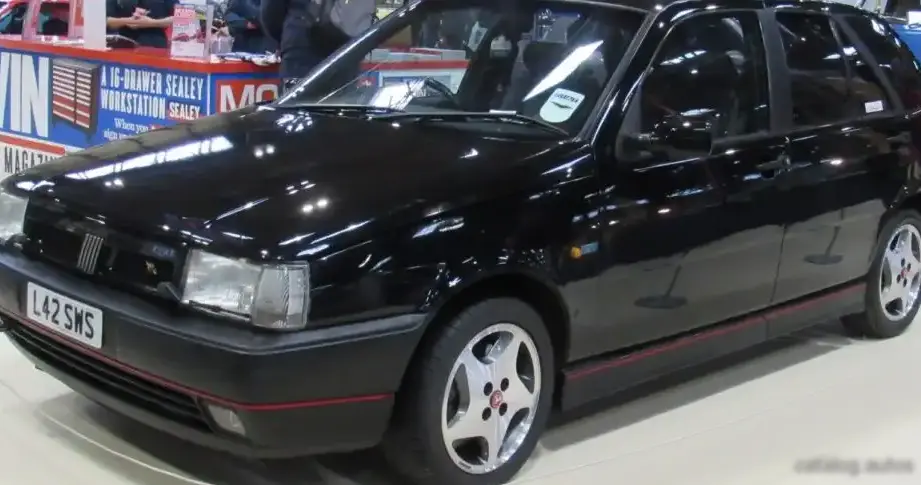
The Fiat Tipo (160) 2.0 i.e., designated with engine code 160.AJ, was a variant of the Tipo family produced between 1990 and 1992. Positioned as a mid-range offering within the Tipo lineup, it aimed to provide a balance between performance and affordability. The Tipo (160) itself represented Fiat’s attempt to consolidate and modernize its offerings in the compact family car segment, replacing the aging Uno, Ritmo, and Regata models. This 2.0-liter version offered a step up in power compared to the base 1.4 and 1.6-liter engines, appealing to buyers seeking a more spirited driving experience without the expense of the top-tier models.
Technical Specifications
| Brand | Fiat |
| Model | Tipo |
| Generation | Tipo (160) |
| Type (Engine) | 2.0 i.e. (160.AJ) (109 Hp) |
| Start of production | 1990 |
| End of production | 1992 |
| Powertrain Architecture | Internal Combustion engine |
| Body type | Hatchback |
| Fuel Type | Petrol (Gasoline) |
| Power | 109 Hp |
| Engine Model/Code | 159 A6.046 |
| Engine aspiration | Naturally aspirated engine |
| Engine oil capacity | 5.2 l (5.49 US qt | 4.58 UK qt) |
| Coolant capacity | 7 l (7.4 US qt | 6.16 UK qt) |
Powertrain & Engine Architecture
The heart of the Tipo 2.0 i.e. was the 159 A6.046 engine, a 1995cc inline-four cylinder gasoline engine. This engine featured a cast iron block and an aluminum cylinder head, a common configuration for Fiat engines of the period. It employed a single overhead camshaft (SOHC) design operating two valves per cylinder. Fuel delivery was managed by Bosch Mono-Jetronic fuel injection, a system known for its simplicity and reliability, though less sophisticated than multi-point injection systems becoming prevalent at the time. The Mono-Jetronic system delivered fuel through a single injector positioned in the throttle body. The engine produced 109 horsepower at 5600 rpm and 137 Nm (101 lb-ft) of torque at 3600 rpm. The engine was typically paired with a three-speed automatic transmission, although a five-speed manual was also available. The automatic transmission, while offering convenience, was known for its relatively slow shift times and tendency to hunt for gears, particularly under heavy load.
Driving Characteristics
The Tipo 2.0 i.e. automatic offered a comfortable, if not particularly sporty, driving experience. Acceleration was adequate for everyday driving, with a 0-60 mph time estimated around 11-12 seconds. The three-speed automatic transmission limited the engine’s potential, and the gear ratios were spaced to prioritize fuel economy over outright performance. Compared to the five-speed manual version, the automatic suffered a noticeable performance deficit. The manual transmission allowed the engine to rev more freely and provided better control, resulting in quicker acceleration and improved responsiveness. The suspension, a relatively simple setup consisting of MacPherson struts at the front and a twist-beam axle at the rear, provided a compliant ride, absorbing bumps and imperfections in the road reasonably well. However, it wasn’t particularly adept at handling, exhibiting noticeable body roll during cornering. The steering was light and easy to use, making it well-suited for urban driving.
Equipment & Trim Levels
The 2.0 i.e. trim level generally sat in the middle of the Tipo range. Standard equipment typically included central locking, electric front windows, a basic stereo system, and cloth upholstery. Higher trim levels, such as the SX, added features like alloy wheels, a sunroof, and upgraded interior trim. Optional extras included air conditioning, power steering (often an optional extra even on the 2.0 i.e.), and a more sophisticated stereo system. Interior appointments were functional and durable, reflecting the Tipo’s focus on practicality. The dashboard layout was straightforward, with clearly labeled controls. Upholstery was typically a patterned cloth, available in a range of colors. The overall interior ambiance was pleasant but lacked the refinement of some of its competitors.
Chassis & Braking
The Tipo (160) utilized a monocoque chassis construction. Front suspension consisted of independent MacPherson struts with an anti-roll bar. The rear suspension employed a torsion beam axle, a cost-effective and space-efficient design. Braking on the 2.0 i.e. typically consisted of disc brakes at the front and drum brakes at the rear. The braking system was adequate for normal driving conditions, but lacked the stopping power of more modern systems. The steering was a rack and pinion system, providing reasonably precise steering feel. The Tipo’s relatively lightweight construction helped to offset the limitations of its suspension and braking systems, contributing to a manageable and predictable handling balance.
Market Reception & Comparison
The Fiat Tipo 2.0 i.e. was generally well-received by automotive critics as a practical and affordable family car. However, the automatic transmission was often criticized for its sluggish performance and lack of refinement. Compared to rivals like the Volkswagen Golf, Opel Astra, and Ford Escort, the Tipo offered a competitive price point but lacked the same level of sophistication and driving dynamics. Fuel economy was reasonable for the time, averaging around 28-32 mpg in mixed driving conditions. Reliability was generally good, although the Mono-Jetronic fuel injection system could occasionally require maintenance. The 2.0 i.e. offered a noticeable performance advantage over the lower-displacement engines in the Tipo range, making it a popular choice for buyers who frequently carried passengers or drove on highways.
Legacy
The Fiat Tipo (160) 2.0 i.e. remains a relatively common sight on European roads today, testament to its durability and affordability. The 159 A6.046 engine, while not a high-performance unit, is known for its robustness and relatively simple maintenance requirements. Parts availability is generally good, although some components may be becoming increasingly difficult to source. The automatic transmission, however, remains a potential weak point, and examples with high mileage may exhibit signs of wear and tear. In the used car market, the Tipo 2.0 i.e. represents a budget-friendly option for those seeking a classic 1990s hatchback. While it may not offer the same level of refinement or performance as more modern vehicles, it provides a comfortable and reliable driving experience, and its simple mechanicals make it an appealing choice for enthusiasts and DIY mechanics.
