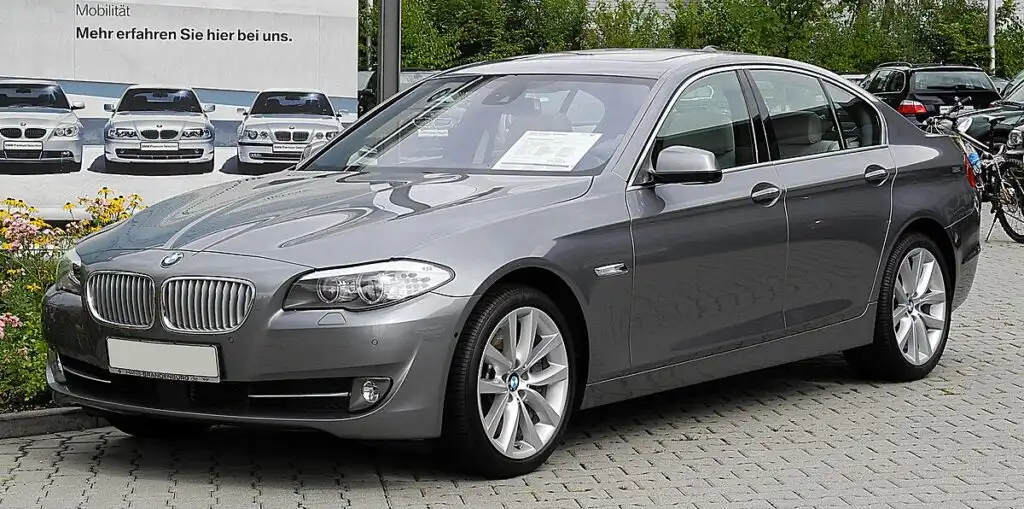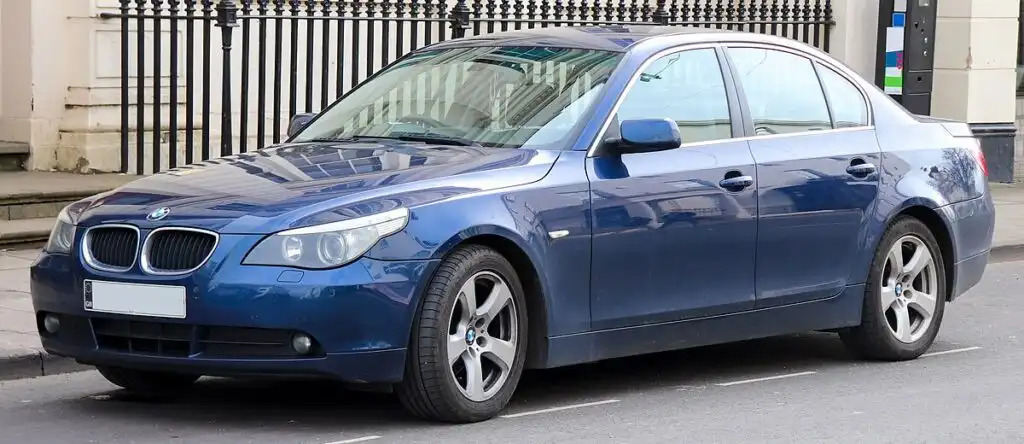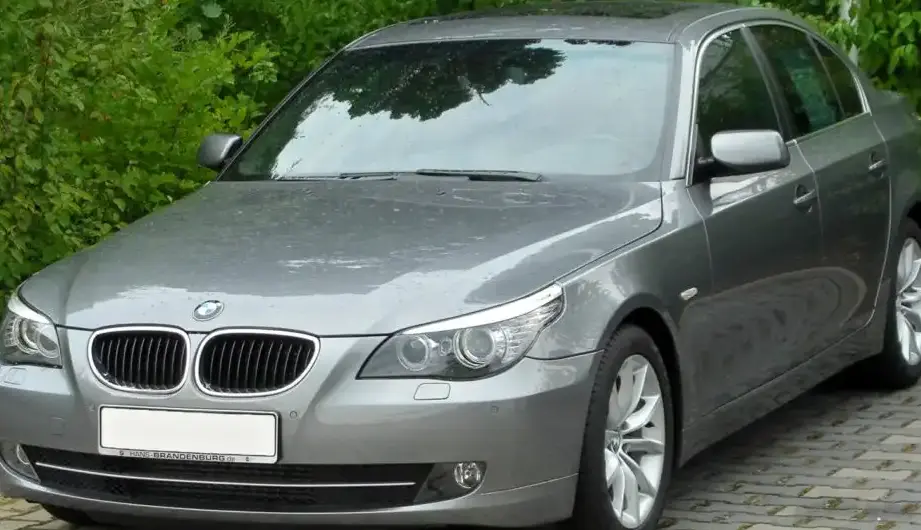
The BMW 550i, part of the E60 5 Series range produced from 2007 to 2010, represented the performance pinnacle of the facelifted (LCI) generation. Positioned as the flagship engine option, the 550i featured a naturally aspirated 4.8-liter V8 engine paired exclusively with a six-speed “Steptronic” automatic transmission. This variant aimed to deliver a blend of luxury, refined power, and grand touring capability, appealing to buyers seeking a more engaging driving experience than the six-cylinder models while remaining more focused than the high-performance M5.
Technical Specifications
| Brand | BMW |
| Model | 5 Series |
| Generation | 5 Series (E60 LCI, facelift 2007) |
| Type (Engine) | 550i V8 (367 Hp) Steptronic |
| Start of production | 2007 |
| End of production | 2010 |
| Powertrain Architecture | Internal Combustion engine |
| Body type | Sedan |
| Seats | 5 |
| Doors | 4 |
| Fuel consumption (economy) – urban | 15.9 l/100 km (14.8 US mpg, 17.8 UK mpg, 6.3 km/l) |
| Fuel consumption (economy) – extra urban | 7.8 l/100 km (30.2 US mpg, 36.2 UK mpg, 12.8 km/l) |
| Fuel consumption (economy) – combined | 11 l/100 km (21.4 US mpg, 25.7 UK mpg, 9.1 km/l) |
| Fuel Type | Petrol (Gasoline) |
| Acceleration 0 – 100 km/h | 5.3 sec |
| Acceleration 0 – 62 mph | 5.3 sec |
| Acceleration 0 – 60 mph | 5 sec |
| Maximum speed | 250 km/h (155.34 mph) |
| Emission standard | Euro 4 |
| Weight-to-power ratio | 4.5 kg/Hp, 221.1 Hp/tonne |
| Weight-to-torque ratio | 3.4 kg/Nm, 295.2 Nm/tonne |
| Power | 367 Hp @ 6300 rpm |
| Power per litre | 76.5 Hp/l |
| Torque | 490 Nm @ 3400 rpm (361.41 lb.-ft. @ 3400 rpm) |
| Engine layout | Front, Longitudinal |
| Engine Model/Code | N62B48B |
| Engine displacement | 4799 cm3 (292.85 cu. in.) |
| Number of cylinders | 8 |
| Engine configuration | V-engine |
| Cylinder Bore | 93 mm (3.66 in.) |
| Piston Stroke | 88.3 mm (3.48 in.) |
| Compression ratio | 10.5:1 |
| Number of valves per cylinder | 4 |
| Fuel injection system | Multi-port manifold injection |
| Engine aspiration | Naturally aspirated engine |
| Engine oil capacity | 8 l (8.45 US qt | 7.04 UK qt) |
| Kerb Weight | 1660 kg (3659.67 lbs.) |
| Max. weight | 2220 kg (4894.26 lbs.) |
| Max load | 560 kg (1234.59 lbs.) |
| Trunk (boot) space – minimum | 520 l (18.36 cu. ft.) |
| Fuel tank capacity | 70 l (18.49 US gal | 15.4 UK gal) |
| Length | 4841 mm (190.59 in.) |
| Width | 1846 mm (72.68 in.) |
| Height | 1468 mm (57.8 in.) |
| Wheelbase | 2888 mm (113.7 in.) |
| Front track | 1558 mm (61.34 in.) |
| Rear (Back) track | 1581 mm (62.24 in.) |
| Ride height (ground clearance) | 142 mm (5.59 in.) |
| Drag coefficient (Cd) | 0.27 |
| Drivetrain Architecture | The Internal combustion engine (ICE) drives the rear wheels of the vehicle. |
| Drive wheel | Rear wheel drive |
| Number of gears and type of gearbox | 6 gears, automatic transmission |
| Front suspension | Independent, type McPherson with coil spring and anti-roll bar |
| Rear suspension | Independent coil spring |
| Front brakes | Ventilated discs |
| Rear brakes | Disc |
| Assisting systems | ABS (Anti-lock braking system) |
| Steering type | Steering rack and pinion |
| Power steering | Hydraulic Steering |
| Tires size | 225/50 R17 |
| Wheel rims size | 17 |
Powertrain & Engine Architecture
The heart of the 550i is the N62B48B engine, a 4.8-liter naturally aspirated V8. This engine builds upon the earlier N62 design, incorporating improvements to valve timing (Double-VANOS) and engine management for increased efficiency and power. It utilizes a multi-port fuel injection system, delivering fuel directly to the intake ports. The engine produces 367 horsepower at 6300 rpm and 490 Nm (361 lb-ft) of torque at 3400 rpm. The six-speed “Steptronic” automatic transmission, a common BMW unit of the era, features adaptive shift programs designed to optimize performance or fuel economy based on driving style. It also offered manual shift capability via steering wheel-mounted paddles or the gear selector.
Driving Characteristics
The 550i offered a distinctly different driving experience compared to the 528i or 535i models. The V8 engine provided smooth, linear power delivery, with ample torque available across the rev range. Acceleration was brisk, with 0-60 mph times consistently around 5 seconds. The automatic transmission, while generally refined, could sometimes feel hesitant during quick downshifts. Compared to the manual transmission options available on the lower-powered models, the 550i’s automatic prioritized comfort and ease of use over outright driver engagement. The weight distribution, favoring the front, contributed to a balanced feel, though not as agile as some rear-wheel-drive competitors.
Equipment & Trim Levels
The 550i came standard with a generous array of features, including leather upholstery, power-adjustable front seats with memory function, a premium sound system, automatic climate control, and parking sensors. Optional extras included a navigation system, active suspension, comfort seats with massage function, and various interior trim options. The standard exterior styling included chrome accents and larger alloy wheels compared to the base models. The interior typically featured wood or aluminum trim, depending on the chosen package.
Chassis & Braking
The E60 550i utilized a MacPherson strut front suspension and an independent multi-link rear suspension. The suspension was tuned for a balance of comfort and handling, providing a relatively smooth ride while maintaining good body control. Braking duties were handled by ventilated disc brakes at all four corners, providing ample stopping power. Anti-lock brakes (ABS) and dynamic stability control (DSC) were standard safety features. The 550i typically featured slightly thicker stabilizer bars compared to the four-cylinder models to mitigate body roll.
Market Reception & Comparison
The 550i was generally well-received by automotive critics, who praised its powerful engine, refined ride, and luxurious interior. However, its fuel consumption was a common criticism, particularly compared to the more fuel-efficient six-cylinder models. In terms of reliability, the N62 V8 engine was known to be somewhat prone to oil leaks and cooling system issues, requiring preventative maintenance. Compared to the 535i, the 550i offered significantly more power and a more luxurious experience, but at a higher price point. The 550i also competed with other luxury sedans such as the Mercedes-Benz E550 and the Audi A6 4.2.
Legacy
Today, the E60 550i represents an interesting proposition in the used car market. While maintenance costs can be higher due to the V8 engine and its associated components, the car offers a unique blend of performance, luxury, and value. The N62 engine, while not without its quirks, is generally considered robust when properly maintained. Finding a well-maintained example is crucial, as neglected cars can suffer from expensive repairs. The 550i has gained a following among BMW enthusiasts who appreciate its smooth power delivery and classic grand touring character.