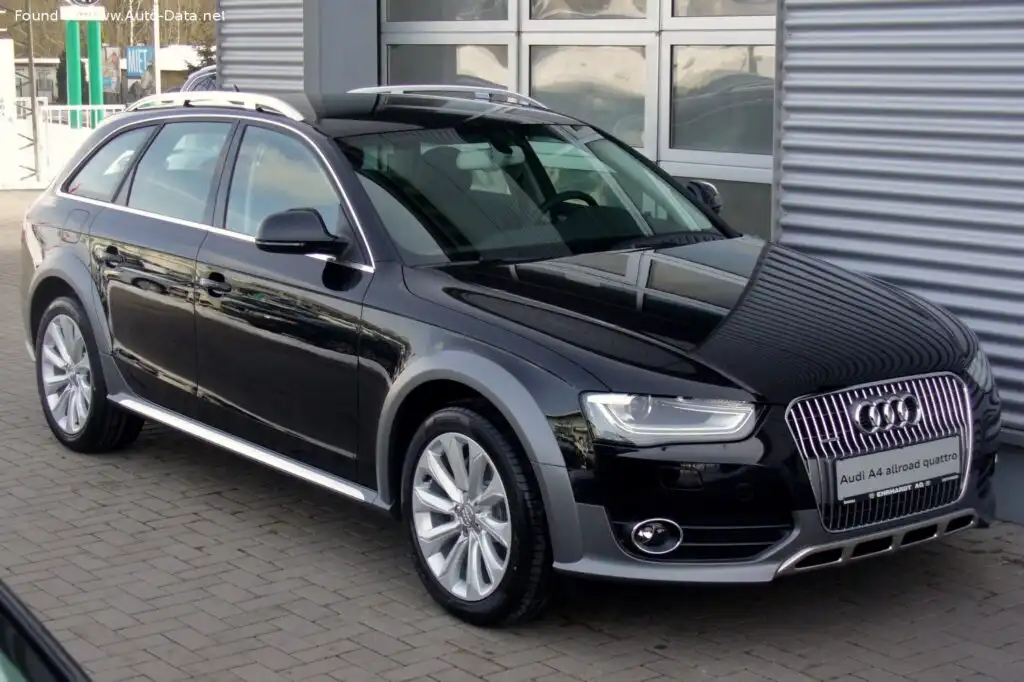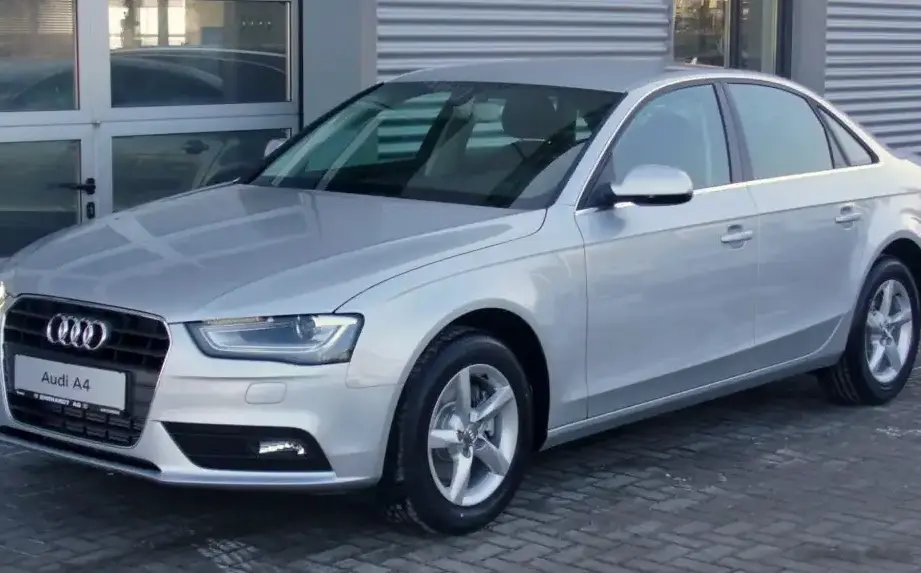
The Audi A4 (B8 8K) facelift, produced from November 2011 to 2015, represented a significant mid-cycle refresh of Audi’s popular compact executive car. Among the various engine and drivetrain configurations offered, the 3.0 TDI V6 quattro model, producing 245 horsepower, occupied a premium position in the lineup. This variant catered to buyers seeking a blend of performance, refinement, and all-weather capability. It built upon the established B8 platform (shared with the Volkswagen Passat and other group vehicles) and aimed to enhance the driving experience with its potent diesel engine and sophisticated quattro all-wheel-drive system.
Technical Specifications
| Brand | Audi |
| Model | A4 |
| Generation | A4 (B8 8K, facelift 2011) |
| Type (Engine) | 3.0 TDI V6 (245 Hp) quattro |
| Start of production | November, 2011 |
| End of production | 2015 |
| Powertrain Architecture | Internal Combustion engine |
| Body type | Sedan |
| Seats | 5 |
| Doors | 4 |
| Fuel consumption (urban) | 7.2 l/100 km (32.7 US mpg, 39.2 UK mpg, 13.9 km/l) |
| Fuel consumption (extra urban) | 4.9 l/100 km (48 US mpg, 57.6 UK mpg, 20.4 km/l) |
| Fuel consumption (combined) | 5.8 l/100 km (40.6 US mpg, 48.7 UK mpg, 17.2 km/l) |
| CO2 emissions | 152 g/km |
| Fuel Type | Diesel |
| Acceleration 0 – 100 km/h | 6.1 sec |
| Acceleration 0 – 62 mph | 6.1 sec |
| Acceleration 0 – 60 mph | 5.8 sec |
| Maximum speed | 250 km/h (155.34 mph) |
| Emission standard | Euro 5 |
| Weight-to-power ratio | 6.7 kg/Hp, 149.4 Hp/tonne |
| Weight-to-torque ratio | 3.3 kg/Nm, 304.9 Nm/tonne |
| Power | 245 Hp @ 4000-4500 rpm |
| Power per litre | 82.6 Hp/l |
| Torque | 500 Nm @ 1400-3250 rpm (368.78 lb.-ft. @ 1400-3250 rpm) |
| Engine layout | Front, Longitudinal |
| Engine Model/Code | CDUC, CKVB, CKVC |
| Engine displacement | 2967 cm3 (181.06 cu. in.) |
| Number of cylinders | 6 |
| Engine configuration | V-engine |
| Cylinder Bore | 83 mm (3.27 in.) |
| Piston Stroke | 91.4 mm (3.6 in.) |
| Compression ratio | 16.8:1 |
| Number of valves per cylinder | 4 |
| Fuel injection system | Diesel Commonrail |
| Engine aspiration | Turbocharger, Intercooler |
| Valvetrain | DOHC |
| Engine oil capacity | 6.4 l (6.76 US qt | 5.63 UK qt) |
| Coolant | 11.5 l (12.15 US qt | 10.12 UK qt) |
| Kerb Weight | 1640 kg (3615.58 lbs.) |
| Max. weight | 2190 kg (4828.12 lbs.) |
| Max load | 550 kg (1212.54 lbs.) |
| Trunk (boot) space – minimum | 480 l (16.95 cu. ft.) |
| Trunk (boot) space – maximum | 962 l (33.97 cu. ft.) |
| Fuel tank capacity | 61 l (16.11 US gal | 13.42 UK gal) |
| Max. roof load | 90 kg (198.42 lbs.) |
| Permitted trailer load with brakes (8%) | 2100 kg (4629.71 lbs.) |
| Permitted trailer load without brakes | 750 kg (1653.47 lbs.) |
| Permitted towbar download | 80 kg (176.37 lbs.) |
| Length | 4701 mm (185.08 in.) |
| Width | 1826 mm (71.89 in.) |
| Width including mirrors | 2040 mm (80.31 in.) |
| Height | 1427 mm (56.18 in.) |
| Wheelbase | 2808 mm (110.55 in.) |
| Front track | 1564 mm (61.57 in.) |
| Rear (Back) track | 1551 mm (61.06 in.) |
| Front overhang | 862 mm (33.94 in.) |
| Rear overhang | 1031 mm (40.59 in.) |
| Drag coefficient (Cd) | 0.28 |
| Minimum turning circle (turning diameter) | 11.5 m (37.73 ft.) |
| Drive wheel | All wheel drive (4×4) |
| Number of gears and type of gearbox | 6 gears, manual transmission |
| Front suspension | Independent multi-link suspension |
| Rear suspension | Independent on trapezoidal lever |
| Front brakes | Ventilated discs |
| Rear brakes | Disc |
| Assisting systems | ABS (Anti-lock braking system) |
| Steering type | Steering rack and pinion |
| Power steering | Electric Steering |
| Tires size | 225/50 R17 |
| Wheel rims size | 7.5J x 17 |
INTRODUCTION
The Audi A4 B8.5 3.0 TDI quattro, launched in late 2011, represented a refined iteration of Audi’s popular executive sedan. Positioned as a near-top-of-the-line offering (below the S4), it provided a compelling alternative to gasoline-powered A4 variants and competitors like the BMW 335d and Mercedes-Benz C300 CDI. The facelift brought styling updates, improved interior materials, and crucially, advancements in engine technology. This model year saw the introduction of updated common rail diesel injection systems and revised engine management software, contributing to both increased performance and improved fuel efficiency. The B8.5 A4 continued to be a strong seller in Europe and other markets where diesel engines were favored, offering a premium experience with a focus on driving dynamics and technological sophistication.
Powertrain & Engine Architecture
At the heart of the A4 3.0 TDI quattro lies the CDUC (and related CKVB/CKVC) 3.0-liter V6 turbodiesel engine. This engine is a longitudinally mounted, 24-valve (four valves per cylinder) design featuring a common rail direct injection system. The common rail system, operating at extremely high pressures, allowed for precise fuel metering and optimized combustion. A single variable geometry turbocharger (VGT) with an intercooler provided forced induction, boosting power and torque. The engine benefited from Audi’s expertise in diesel technology, delivering a relatively smooth and refined power delivery for a diesel engine. The 6-speed manual transmission was standard, offering precise shifts and a direct connection to the engine. The quattro all-wheel-drive system, utilizing a Torsen center differential, distributed power between the front and rear axles, providing excellent traction in all conditions.
Driving Characteristics
The 3.0 TDI quattro offered a distinctly different driving experience compared to the lower-powered A4 variants. The 500 Nm (368.78 lb-ft) of torque, available from a low 1400 rpm, provided strong acceleration in any gear. The 0-60 mph sprint was dispatched in around 5.8 seconds, making it a genuinely quick sedan. The manual transmission, while engaging, had relatively long gearing, prioritizing fuel economy at highway speeds. Compared to the 2.0 TDI models, the 3.0 TDI felt significantly more relaxed and effortless, particularly during highway cruising and overtaking maneuvers. The quattro system instilled confidence in slippery conditions, providing enhanced stability and grip. The steering was precise and well-weighted, contributing to a sporty feel, although it lacked some of the feedback found in rear-wheel-drive competitors.
Equipment & Trim Levels
The 3.0 TDI quattro typically came well-equipped, reflecting its position as a premium trim level. Standard features included leather upholstery, three-zone automatic climate control, a multi-function steering wheel, and Audi’s MMI infotainment system with a color display. Optional extras were plentiful, including navigation, a premium sound system (Bang & Olufsen), parking sensors, and advanced driver assistance systems like adaptive cruise control. Interior trim options ranged from brushed aluminum to wood veneers, allowing buyers to personalize the cabin. Exterior styling cues included subtle chrome accents and larger alloy wheels, differentiating it from the base A4 models.
Chassis & Braking
The A4 B8.5 featured a sophisticated chassis design. The front suspension utilized MacPherson struts, while the rear employed a multi-link setup, providing a good balance between comfort and handling. The 3.0 TDI quattro models typically featured slightly stiffer springs and dampers compared to the lower-powered variants to manage the increased weight and power. Braking duties were handled by ventilated discs at all four corners, providing ample stopping power. ABS (Anti-lock Braking System) and electronic stability control were standard safety features.
Market Reception & Comparison
The Audi A4 3.0 TDI quattro was generally well-received by automotive critics. It was praised for its powerful and refined engine, comfortable ride, and sophisticated interior. Compared to the 2.0 TDI models, the 3.0 TDI offered a significant performance upgrade, albeit at a higher price point. Fuel economy remained respectable for a V6 diesel, averaging around 40.6 US mpg in combined driving. Reliability was generally good, although the complex diesel injection system and turbocharger required regular maintenance. Compared to its rivals, the A4 3.0 TDI quattro offered a compelling blend of performance, luxury, and all-weather capability.
Legacy
The Audi A4 B8.5 3.0 TDI quattro has proven to be a durable and relatively reliable vehicle in the used car market. The 3.0 TDI engine, while requiring diligent maintenance (including regular oil changes and diesel particulate filter regeneration), is known for its longevity. However, potential buyers should be aware of the cost of repairing the diesel injection system and turbocharger if they fail. Today, these A4s represent a good value for those seeking a refined and capable executive sedan with a strong diesel engine. They continue to be appreciated for their blend of performance, comfort, and all-weather traction, making them a popular choice among enthusiasts and discerning drivers.