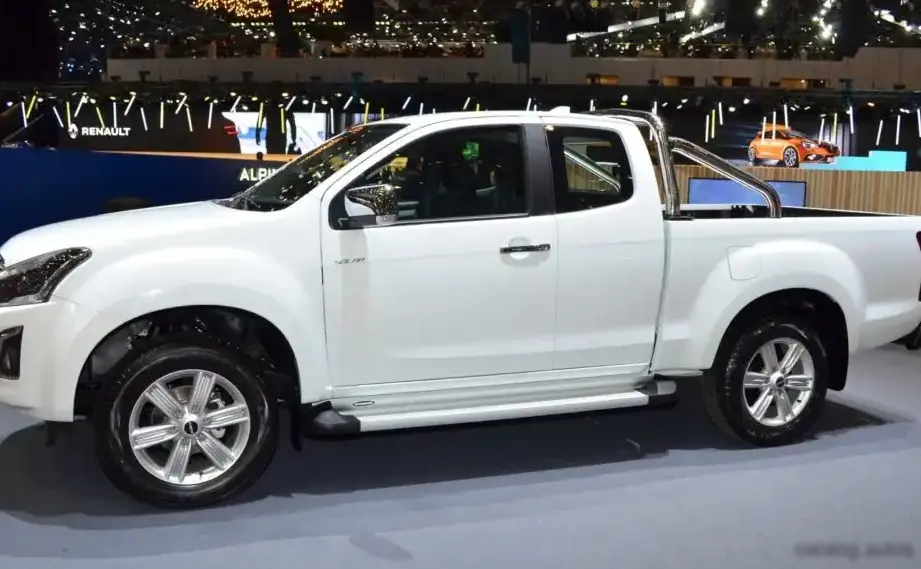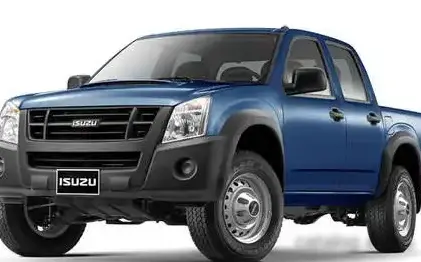
The Isuzu D-Max I 2.5 TD Space Cab, produced between 2008 and 2012, represents a significant iteration of Isuzu’s popular pickup truck line. This variant, powered by the 4JK1-TC 2.5-liter turbocharged diesel engine producing 136 horsepower, occupied a middle ground within the D-Max I range, offering a balance between work capability and reasonable running costs. The “Space Cab” configuration, featuring extended cab space behind the front seats, broadened its appeal beyond purely commercial users, providing limited seating for passengers while maintaining a practical cargo bed. It was primarily marketed towards small business owners, tradespeople, and individuals requiring a versatile vehicle for both work and leisure in markets outside of North America.
Technical Specifications
| Brand | Isuzu |
| Model | D-Max |
| Generation | D-Max I |
| Type (Engine) | 2.5 TD Space Cab (136 Hp) |
| Start of production | 2008 |
| End of production | 2012 |
| Powertrain Architecture | Internal Combustion engine |
| Body type | Pick-up |
| Seats | 4 |
| Doors | 2 |
| Fuel consumption (urban) | 9.8 l/100 km (24 US mpg, 28.8 UK mpg, 10.2 km/l) |
| Fuel consumption (extra urban) | 7.1 l/100 km (33.1 US mpg, 39.8 UK mpg, 14.1 km/l) |
| Fuel consumption (combined) | 8.1 l/100 km (29 US mpg, 34.9 UK mpg, 12.3 km/l) |
| Fuel Type | Diesel |
| Emission standard | Euro 4 |
| Weight-to-power ratio | 10.8 kg/Hp, 92.5 Hp/tonne |
| Weight-to-torque ratio | 5.3 kg/Nm, 190.5 Nm/tonne |
| Power | 136 Hp @ 3600 rpm |
| Power per litre | 54.4 Hp/l |
| Torque | 280 Nm @ 1800 rpm (206.52 lb.-ft. @ 1800 rpm) |
| Engine layout | Front, Longitudinal |
| Engine Model/Code | 4JK1 |
| Engine displacement | 2499 cm3 (152.5 cu. in.) |
| Number of cylinders | 4 |
| Engine configuration | Inline |
| Cylinder Bore | 95.4 mm (3.76 in.) |
| Piston Stroke | 87.4 mm (3.44 in.) |
| Compression ratio | 8.3:1 |
| Number of valves per cylinder | 2 |
| Fuel injection system | Precombustion chamber injection |
| Engine aspiration | Turbocharger, Intercooler |
| Engine oil capacity | 7 l (7.4 US qt | 6.16 UK qt) |
| Coolant capacity | 8.7 l (9.19 US qt | 7.65 UK qt) |
| Kerb Weight | 1470 kg (3240.8 lbs.) |
| Max. weight | 2650 kg (5842.25 lbs.) |
| Max load | 1180 kg (2601.45 lbs.) |
| Fuel tank capacity | 76 l (20.08 US gal | 16.72 UK gal) |
| Length | 5030 mm (198.03 in.) |
| Width | 1800 mm (70.87 in.) |
| Height | 1715 mm (67.52 in.) |
| Wheelbase | 3050 mm (120.08 in.) |
| Front track | 1460 mm (57.48 in.) |
| Rear track | 1460 mm (57.48 in.) |
| Drive wheel | All wheel drive (4×4) |
| Number of gears and type of gearbox | 5 gears, manual transmission |
| Front suspension | Independent torsion bar, double wishbone |
| Rear suspension | Spring Strut |
| Front brakes | Ventilated discs |
| Rear brakes | Drum |
| Tires size | 225/75 R15 |
Powertrain & Engine Architecture
The heart of the D-Max I 2.5 TD Space Cab is the Isuzu 4JK1-TC engine, a 2.5-liter inline-four cylinder diesel. This engine utilizes a precombustion chamber injection system, a design common in older diesel engines, where fuel is partially combusted in a small chamber before entering the main cylinder. This aids in more complete combustion and reduces engine noise. The 4JK1-TC is turbocharged and intercooled, boosting power output to 136 horsepower and 280 Nm (206.52 lb-ft) of torque. The turbocharger provides increased air intake, enhancing combustion efficiency and power delivery. The engine’s longitudinal mounting within the chassis contributes to a more balanced weight distribution. The five-speed manual transmission was the standard offering for this variant, providing a direct connection between the engine and the wheels. While an automatic transmission was available on some D-Max models, it was not typically paired with the 2.5-liter engine in most markets.
Driving Characteristics
The 136 hp 2.5-liter engine, coupled with the five-speed manual transmission, offered a practical, if not exhilarating, driving experience. Acceleration was adequate for everyday use, but the D-Max I 2.5 TD Space Cab wasn’t designed for rapid performance. The engine’s torque peak at 1800 rpm provided good low-end grunt, making it suitable for hauling loads and navigating challenging terrain. The gear ratios were well-suited for both on-road cruising and off-road crawling. Compared to the higher-output 3.0-liter engine options available in the D-Max range, the 2.5-liter felt less powerful, particularly when fully loaded. However, it offered improved fuel economy and lower running costs, making it a more attractive option for budget-conscious buyers.
Equipment & Trim Levels
The Space Cab configuration added a degree of practicality and versatility to the D-Max I. While the rear seats were best suited for occasional use, they provided a convenient space for carrying passengers or securing cargo. Standard equipment typically included air conditioning, power steering, and a basic audio system. Higher trim levels offered features such as alloy wheels, electric windows, and upgraded interior trim. The interior was generally functional and durable, designed to withstand the rigors of commercial use. The dashboard layout was straightforward and easy to use, with clearly labeled controls. Optional extras included a limited-slip differential, a tow bar, and various accessories for the cargo bed.
Chassis & Braking
The D-Max I featured a robust chassis and suspension system designed to handle heavy loads and challenging terrain. The front suspension utilized independent torsion bars and double wishbones, providing a comfortable ride and good handling characteristics. The rear suspension employed leaf springs, offering a high load-carrying capacity. The braking system consisted of ventilated discs on the front wheels and drum brakes on the rear. While adequate for most applications, the rear drum brakes were a point of criticism compared to the all-disc setups found on some competitors. The 4×4 drivetrain provided excellent off-road capability, with a selectable four-wheel drive mode and a low-range gear for tackling steep inclines and difficult obstacles.
Market Reception & Comparison
The Isuzu D-Max I 2.5 TD Space Cab was generally well-received by critics and buyers alike. It was praised for its reliability, durability, and practicality. The 2.5-liter engine offered a good balance between performance and fuel economy, making it a popular choice for those seeking a versatile workhorse. Compared to other pickups in its class, such as the Toyota Hilux and the Mitsubishi L200, the D-Max I offered a competitive package at a reasonable price point. However, some critics noted that the interior was somewhat basic and lacked the refinement of some competitors. Fuel economy figures of around 29 US mpg combined were respectable for a vehicle of its size and capability.
Legacy
The Isuzu D-Max I 2.5 TD Space Cab has proven to be a reliable and durable vehicle, with many examples still in use today. The 4JK1-TC engine is known for its longevity and relatively low maintenance costs. While not as technologically advanced as some modern pickups, the D-Max I remains a popular choice for those seeking a practical and affordable workhorse. In the used car market, these vehicles typically command reasonable prices, reflecting their age and mileage. The D-Max I laid the foundation for the continued success of the D-Max line, establishing Isuzu as a major player in the global pickup truck market.