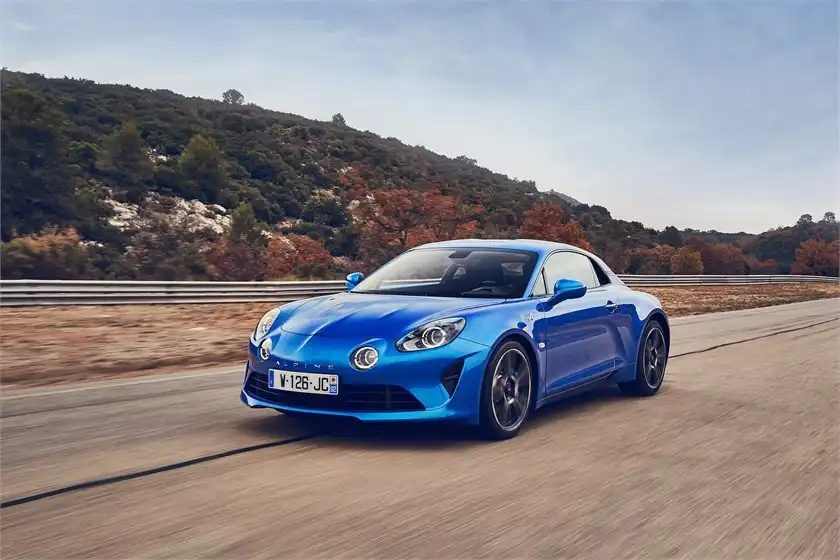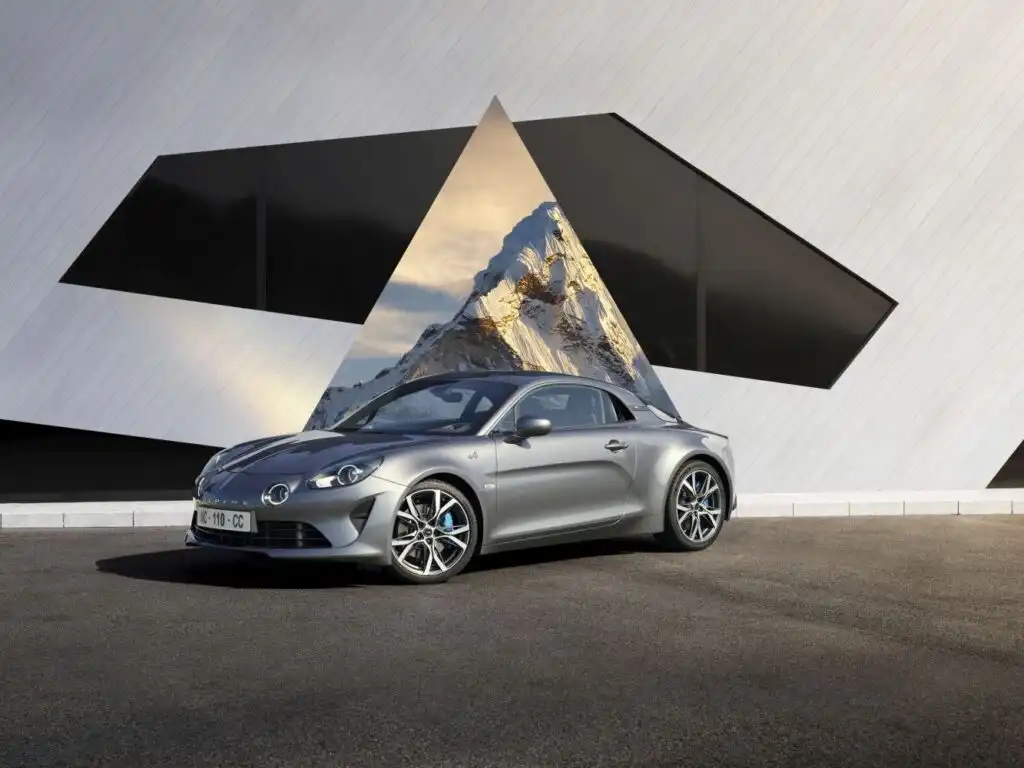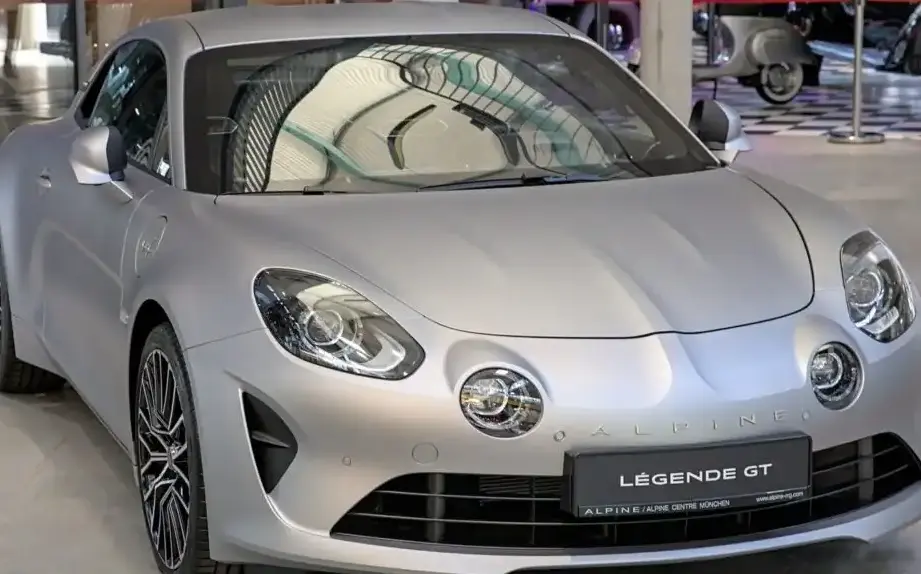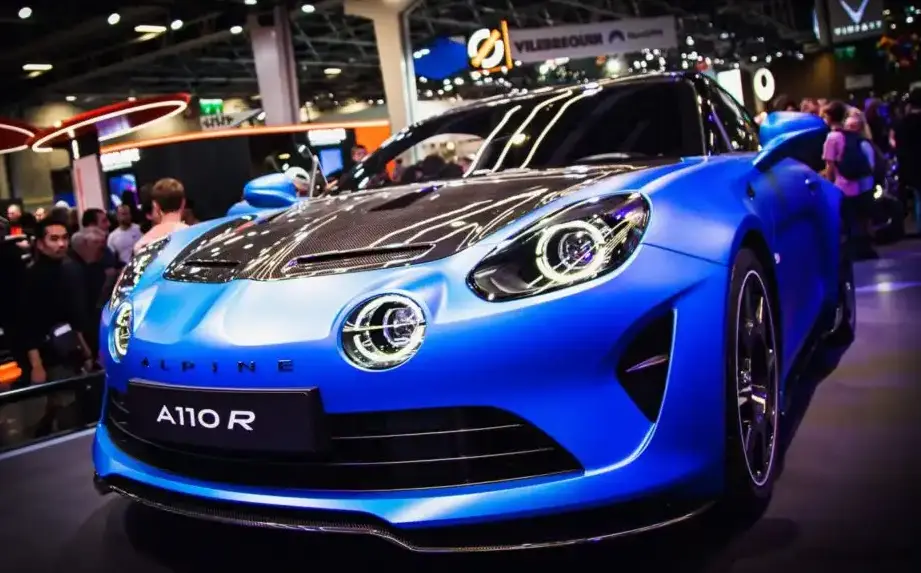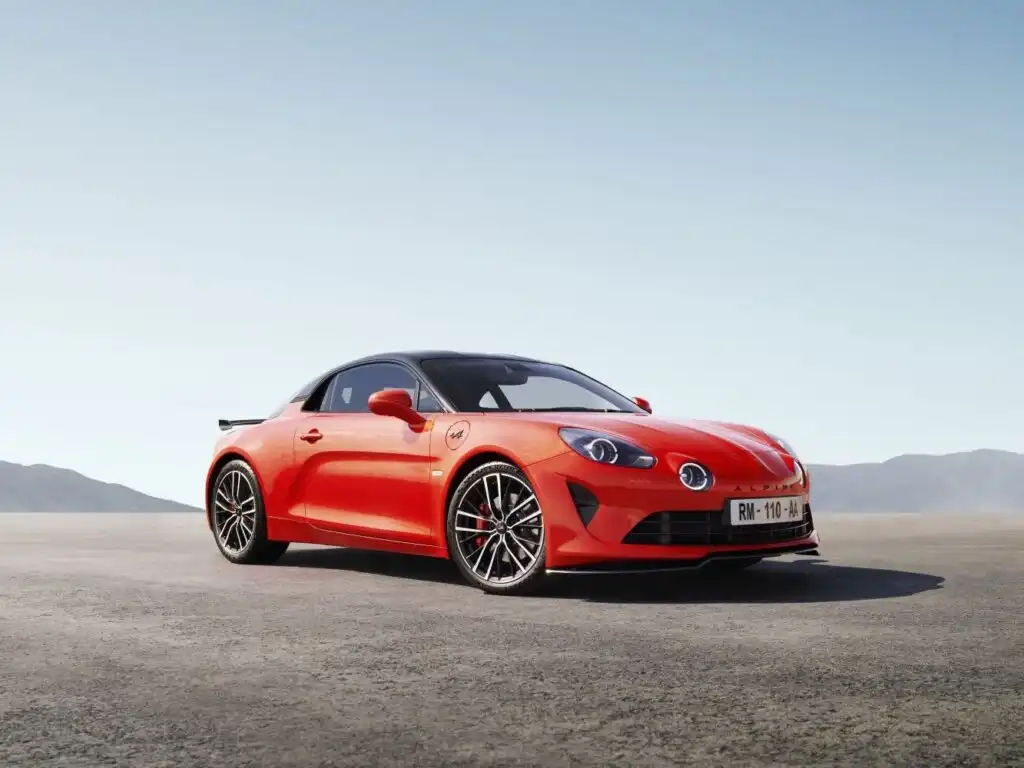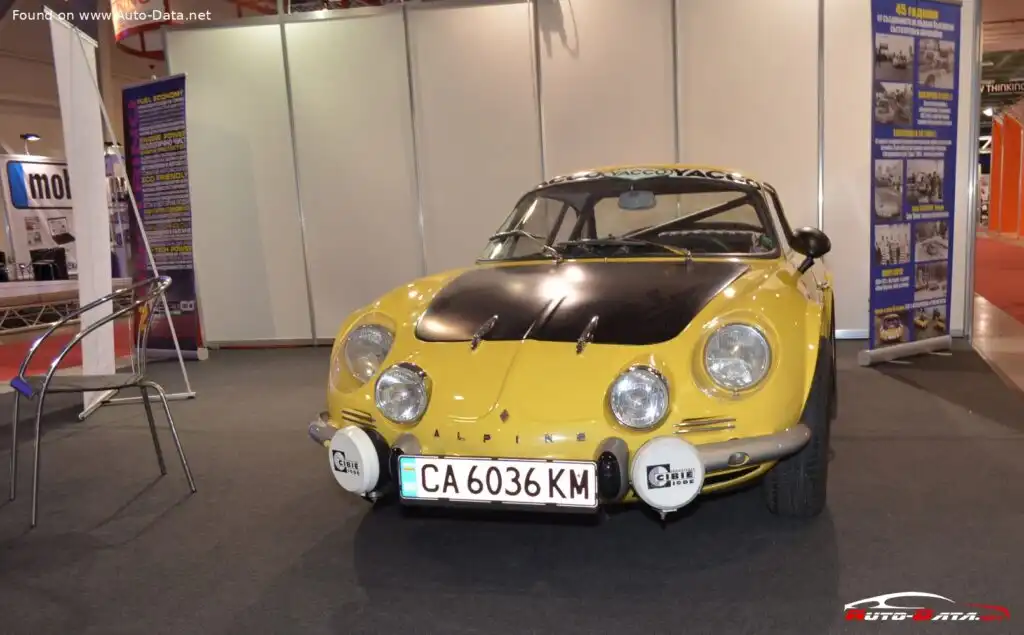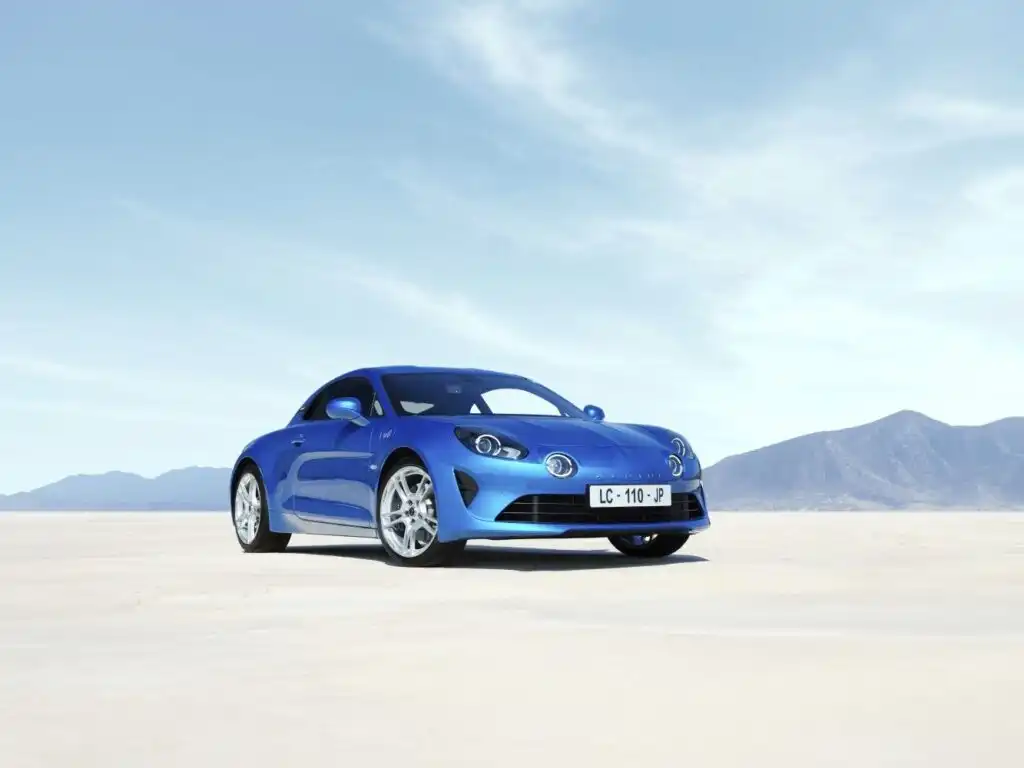
The Alpine A110 is a two-door, two-seater, rear-mid-engine, rear-wheel-drive sports car introduced by French manufacturer Alpine in 2017. The vehicle marked the relaunch of the Alpine marque, which had been dormant since 1995. Designed as a modern interpretation of the original Alpine A110 Berlinette that gained fame in the 1960s and 1970s, the new A110 prioritizes agility, light weight, and driver engagement over raw power. The core model, the Alpine A110 1.8 252 Hp DCT, embodies this philosophy, offering a pure and responsive driving experience that has been widely acclaimed by critics and enthusiasts alike. It serves as a direct competitor to vehicles such as the Porsche 718 Cayman and the Audi TT.
History and Development
The legacy of the Alpine brand is deeply rooted in motorsport, particularly rallying. The original A110, produced from 1961 to 1977, was a formidable competitor, winning the inaugural World Rally Championship in 1973. Its success was attributed to its lightweight fiberglass body and rear-engine layout, which provided exceptional traction and agility on twisting rally stages.
After the original company was absorbed by Renault and production ceased in 1995, the brand lay dormant for over two decades. In the early 2010s, Renault announced its intention to revive Alpine, culminating in the unveiling of the Alpine Vision concept car in 2016. This concept was a thinly veiled preview of the production model that would follow. The production version of the new Alpine A110 was officially unveiled at the 2017 Geneva Motor Show, with the first Première Édition models delivered to customers in late 2017 and early 2018. The development process, led by engineers Bernard Ollivier and David Twohig, was guided by a strict adherence to the principles of lightness and compactness, directly inspired by the original Berlinette.
Design and Chassis
The design of the modern A110 is a retro-futuristic homage to its predecessor. Penned by designer Antony Villain, the exterior features distinctive quad headlamps, a sculpted bonnet with a central spine, and sweeping side scallops—all direct cues from the 1960s original. Despite its nostalgic appearance, the design is highly functional. It features a completely flat underbody and a functional rear diffuser, which together generate significant downforce, eliminating the need for a rear spoiler and preserving the clean, flowing lines of the coupe body.
The interior is a driver-focused environment that blends modern technology with sporting minimalism. The cabin features two lightweight Sabelt bucket seats, weighing just 13.1 kg each, which contribute to the car’s low overall mass. Materials such as leather, microfibre, and exposed aluminum are used throughout, creating a premium yet purposeful feel. A central touchscreen infotainment system provides access to navigation, media, and Alpine Telemetrics, which displays real-time performance data. Practicality is limited, with small storage compartments in the front (96 litres) and rear (100 litres), reinforcing the car’s focus as a dedicated sports machine rather than a grand tourer.
The cornerstone of the A110’s dynamic prowess is its chassis. The car is built on a bespoke all-aluminum platform, with the body and chassis bonded and riveted for exceptional rigidity and low weight. This advanced construction method results in a kerb weight that ranges from just 1,102 to 1,140 kg, making it one of the lightest sports cars in its class. This low mass is central to the car’s agility, braking performance, and efficiency. The fuel tank is located behind the front axle, and the engine is mounted in front of the rear axle, resulting in an optimal weight distribution of 44% front and 56% rear, which enhances handling balance and traction.
Powertrain and Performance
The Alpine A110 1.8 252 Hp DCT is powered by a 1.8-litre (1,798 cc) turbocharged inline-four engine, designated M5P P4. This engine is a variant of the powerplant found in the Renault Mégane R.S. but features a specific air intake, turbocharger, and exhaust system developed by Alpine engineers. In this specification, it produces a maximum power output of 252 Hp (185 kW) at 6,000 rpm and a peak torque of 320 Nm, available in a broad plateau from 2,000 to 4,800 rpm.
Power is sent to the rear wheels exclusively through a 7-speed dual-clutch transmission (DCT) supplied by Getrag. The wet-clutch gearbox was chosen for its rapid shift times and its ability to handle the engine’s torque while contributing to the compact packaging required by the mid-engine layout. The driver can select from three driving modes: Normal, Sport, and Track. These modes adjust parameters including engine and throttle response, gearbox shift speeds, exhaust note, and the level of intervention from the electronic stability control system.
The combination of a potent engine and a remarkably low kerb weight gives the A110 electrifying performance. The car accelerates from 0 to 100 km/h (62 mph) in just 4.5 seconds. The top speed is electronically limited to 250 km/h (155 mph). Beyond the straight-line figures, the A110’s performance is defined by its dynamic handling. The car utilizes a sophisticated double-wishbone suspension setup for both the front and rear axles—a configuration typically reserved for high-end supercars and racing machines. This suspension design provides superior control over wheel camber and contact patch during cornering, resulting in exceptional grip, stability, and steering feedback. Complemented by unassisted steering with a quick rack, the A110 offers a communicative and engaging driving experience that allows the driver to feel intimately connected to the road.
Technical Specifications: Alpine A110 1.8 252 Hp DCT
| Category | Specification |
| :— | :— |
| General Information | |
| Brand | Alpine |
| Model | A110 |
| Generation | A110 (2017) |
| Engine Type | 1.8 (252 Hp) DCT |
| Start of Production | November 2021 |
| Powertrain Architecture | Internal Combustion Engine (ICE) |
| Body Type | Coupe |
| Seats | 2 |
| Doors | 2 |
| Performance | |
| Fuel Consumption (WLTP) | 6.7-7.0 l/100 km |
| CO2 Emissions (WLTP) | 152-158 g/km |
| Fuel Type | Petrol (Gasoline) |
| Acceleration 0–100 km/h | 4.5 seconds |
| Maximum Speed | 250 km/h (155 mph) |
| Emission Standard | Euro 6d-ISC-FCM |
| Weight-to-Power Ratio | 4.4 kg/Hp |
| Weight-to-Torque Ratio | 3.4 kg/Nm |
| Engine | |
| Power | 252 Hp @ 6000 rpm |
| Power per Litre | 140.2 Hp/l |
| Torque | 320 Nm @ 2000-4800 rpm |
| Engine Layout | Middle, Transverse |
| Engine Model/Code | M5P P4 |
| Engine Displacement | 1798 cm³ |
| Number of Cylinders | 4 |
| Cylinder Configuration | Inline |
| Valves per Cylinder | 4 |
| Fuel System | Direct Injection |
| Aspiration | Turbocharger, Intercooler |
| Engine Systems | Start/Stop System, Particulate Filter |
| Dimensions & Weights | |
| Kerb Weight | 1102 – 1140 kg |
| Max. Permissible Weight | 1360 kg |
| Max. Load | 220 – 258 kg |
| Length | 4181 mm |
| Width | 1798 mm |
| Width (including mirrors) | 1980 mm |
| Height | 1252 mm |
| Wheelbase | 2420 mm |
| Front Overhang | 911 mm |
| Rear Overhang | 850 mm |
| Turning Circle | 11.4 m |
| Fuel Tank Capacity | 45 litres |
| Drivetrain, Brakes & Suspension | |
| Drivetrain Architecture | Rear-wheel drive |
| Gearbox | 7-speed, Automatic (DCT) |
| Front Suspension | Double Wishbone |
| Rear Suspension | Double Wishbone |
| Front Brakes | Ventilated Discs, 296 mm |
| Rear Brakes | Ventilated Discs, 296 mm |
| Assisting Systems | ABS (Anti-lock Braking System) |
| Steering Type | Rack and Pinion, Electric Power Steering |
| Front Tires | 205/45 R17 |
| Rear Tires | 235/45 R17 |
| Front Wheel Rims | 17 inches |
| Rear Wheel Rims | 17 inches |
Critical Reception and Legacy
Upon its release, the Alpine A110 received widespread critical acclaim from the automotive press. It was lauded for successfully resurrecting the core values of the original Berlinette and for providing a refreshing alternative in the modern sports car market. Journalists frequently praised its lightweight construction, agile handling, and surprisingly compliant ride quality, which made it usable as a daily driver. The car’s steering feel and chassis balance were often highlighted as class-leading, offering a level of driver feedback and involvement that many rivals struggled to match. The Alpine A110 1.8 252 Hp DCT was often concluded to be the sweet spot in the range, offering more than enough performance for spirited road driving without the stiffer ride of the more track-focused A110 S model that followed. In 2018, it was named Performance Car of the Year by multiple publications, cementing its status as a triumphant return for the historic French marque. Its success lies not in chasing headline-grabbing power figures, but in its singular dedication to the pure, unadulterated joy of driving.