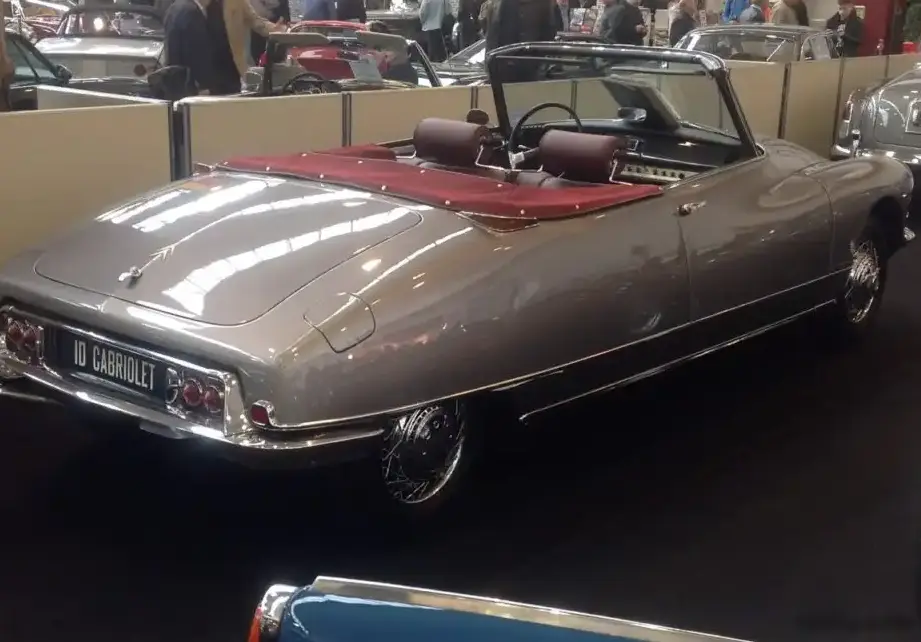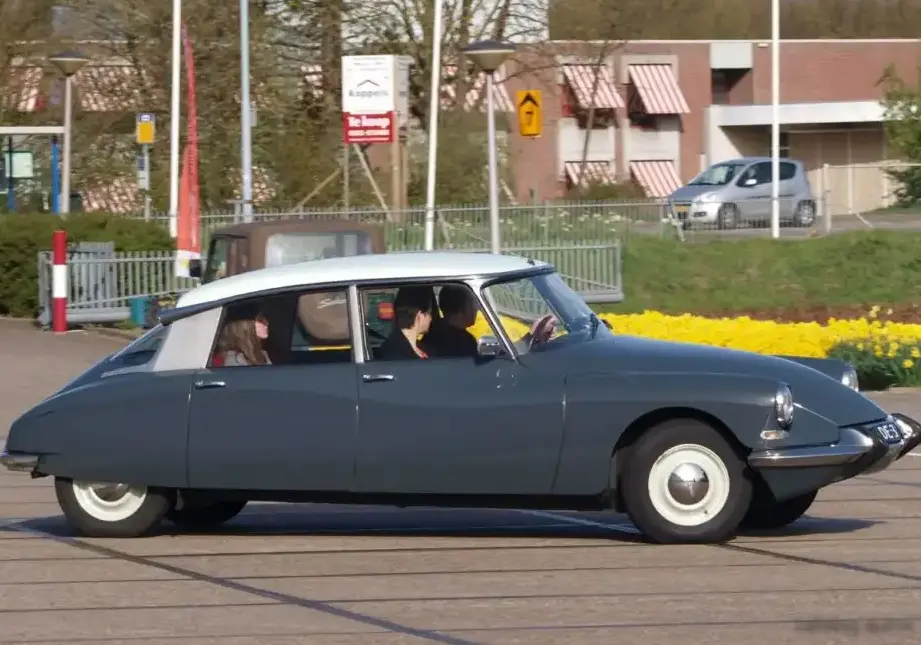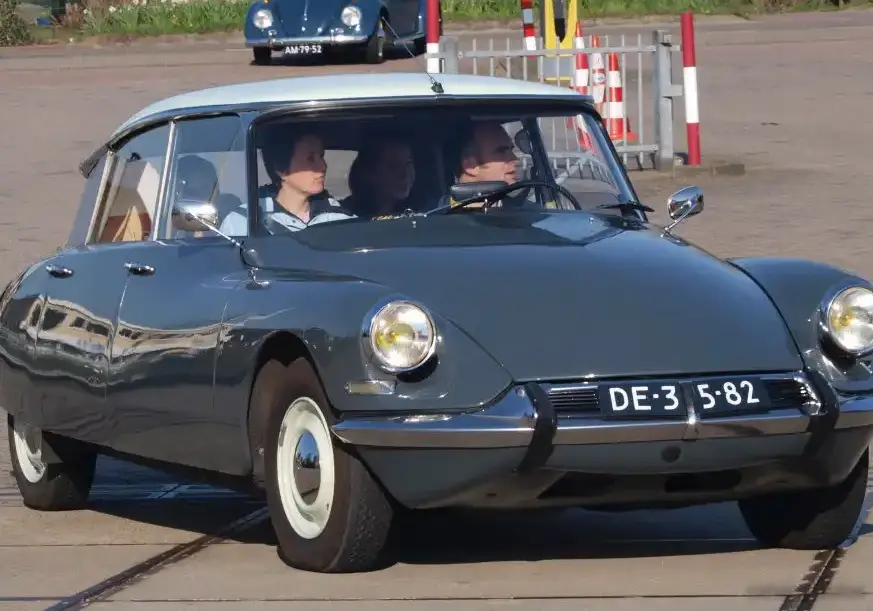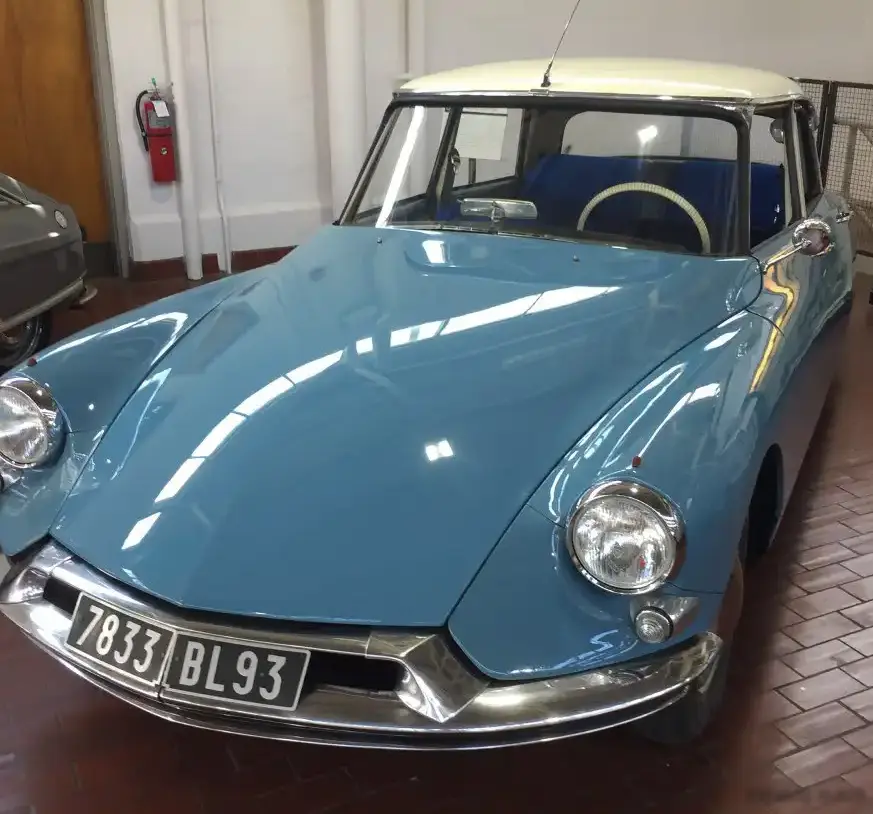
The Citroën ID 19, produced between 1957 and 1961, represents a significant iteration within the broader Citroën ID series. This model, falling within the first generation (ID I), was a mainstay of the French automotive landscape during the late 1950s, offering a blend of comfort, innovative engineering, and practicality. It occupied a middle ground in the ID lineup, positioned above the more basic ID 11 but below the more luxurious DS models. The ID 19 was built upon Citroën’s reputation for advanced suspension technology and aerodynamic design, making it a popular choice for families and those seeking a sophisticated, yet attainable, automobile.
Technical Specifications
| Brand | Citroen |
| Model | ID |
| Generation | ID I |
| Type (Engine) | 19 (66 Hp) |
| Start of production | 1957 |
| End of production | 1961 |
| Powertrain Architecture | Internal Combustion engine |
| Body type | Sedan |
| Seats | 5 |
| Doors | 4 |
| Fuel Type | Petrol (Gasoline) |
| Weight-to-power ratio | 17.8 kg/Hp, 56.2 Hp/tonne |
| Weight-to-torque ratio | 8.9 kg/Nm, 112.3 Nm/tonne |
| Power | 66 Hp @ 4500 rpm |
| Power per litre | 34.5 Hp/l |
| Torque | 132 Nm @ 2500 rpm (97.36 lb.-ft. @ 2500 rpm) |
| Engine layout | Front, Longitudinal |
| Engine displacement | 1911 cm3 (116.62 cu. in.) |
| Number of cylinders | 4 |
| Engine configuration | Inline |
| Cylinder Bore | 78 mm (3.07 in.) |
| Piston Stroke | 100 mm (3.94 in.) |
| Compression ratio | 7.5:1 |
| Number of valves per cylinder | 2 |
| Fuel injection system | Carburettor |
| Engine aspiration | Naturally aspirated engine |
| Engine oil capacity | 4 l (4.23 US qt | 3.52 UK qt) |
| Coolant | 9.5 l (10.04 US qt | 8.36 UK qt) |
| Kerb Weight | 1175 kg (2590.43 lbs.) |
| Trunk (boot) space – minimum | 500 l (17.66 cu. ft.) |
| Fuel tank capacity | 135 l (35.66 US gal | 29.7 UK gal) |
| Length | 4800 mm (188.98 in.) |
| Width | 1790 mm (70.47 in.) |
| Height | 1470 mm (57.87 in.) |
| Wheelbase | 3125 mm (123.03 in.) |
| Front track | 1500 mm (59.06 in.) |
| Rear (Back) track | 1300 mm (51.18 in.) |
| Drag coefficient (Cd) | 0.38 |
| Minimum turning circle (turning diameter) | 11 m (36.09 ft.) |
| Drivetrain Architecture | The Internal combustion engine (ICE) drives the front wheels of the vehicle. |
| Drive wheel | Front wheel drive |
| Number of gears and type of gearbox | 4 gears, manual transmission |
| Front suspension | Hydraulic elements |
| Rear suspension | Hydraulic elements |
| Front brakes | Disc |
| Rear brakes | Drum |
| Steering type | Steering rack and pinion |
| Power steering | Hydraulic Steering |
Powertrain & Engine Architecture
The Citroën ID 19 was powered by a 1.9-liter (1911 cc) inline-four cylinder engine. This engine, designated as a naturally aspirated unit, produced 66 horsepower at 4500 rpm and 132 Nm (97.36 lb-ft) of torque at 2500 rpm. The engine featured a relatively modest 7.5:1 compression ratio and utilized a single carburetor for fuel delivery. The valvetrain employed two valves per cylinder, a common configuration for the era. The engine was mounted longitudinally in the front of the vehicle, driving the front wheels. The four-speed manual transmission was the standard offering, providing a direct connection between the engine and the wheels. This configuration, while not particularly powerful by modern standards, was considered adequate for the ID 19’s intended purpose – comfortable and reliable transportation.
Driving Characteristics
The driving experience in the ID 19 was defined by its emphasis on comfort and smoothness. The hydropneumatic suspension system, a Citroën hallmark, provided a remarkably supple ride, absorbing bumps and imperfections in the road with ease. The 66 horsepower engine, coupled with the four-speed manual transmission, offered reasonable acceleration, although it wasn’t designed for sporty performance. The gear ratios were optimized for relaxed cruising, making it well-suited for long journeys. Compared to the more powerful DS models, the ID 19 felt less urgent in its acceleration, but it also offered a more economical driving experience. The front-wheel drive layout contributed to stable handling, particularly in wet conditions.
Equipment & Trim Levels
The ID 19 was generally equipped with a fairly standard set of features for a car of its time. The interior typically featured cloth upholstery, although leather was available as an optional extra. The dashboard was functional and straightforward, with a focus on providing essential information to the driver. Standard equipment included a steering wheel, basic instrumentation (speedometer, fuel gauge, temperature gauge), and a heater. Optional extras included a radio, whitewall tires, and more luxurious interior trim options. The ID 19 aimed for a balance between affordability and comfort, offering a respectable level of equipment without the premium price tag of the DS models.
Chassis & Braking
The ID 19’s chassis was a monocoque construction, providing a good balance of strength and weight. The front suspension utilized Citroën’s innovative hydropneumatic system, offering self-leveling and exceptional ride quality. The rear suspension also employed a hydropneumatic setup, further enhancing the car’s comfort. The braking system consisted of disc brakes at the front and drum brakes at the rear. The steering was a rack and pinion system with hydraulic power assistance, making it relatively easy to maneuver, even at low speeds.
Market Reception & Comparison
The Citroën ID 19 was generally well-received by critics and the public. It was praised for its comfortable ride, innovative suspension, and spacious interior. However, some critics noted that the engine lacked power, particularly when compared to competitors. In terms of fuel economy, the ID 19 offered reasonable figures for its time, although it wasn’t particularly outstanding. Compared to the more basic ID 11, the ID 19 offered a noticeable improvement in performance and refinement. Compared to the more luxurious DS models, it represented a more affordable entry point into the world of Citroën’s advanced technology.
Legacy
The Citroën ID 19, while not as iconic as the DS, remains a significant vehicle in Citroën’s history. Its innovative hydropneumatic suspension and comfortable ride set it apart from many of its contemporaries. Today, the ID 19 is a sought-after classic car, appreciated by enthusiasts for its unique character and engineering. The 1.9-liter engine, while not known for its exceptional reliability, is generally considered to be relatively durable with proper maintenance. Parts availability can be a challenge, but a dedicated community of Citroën enthusiasts helps to keep these cars on the road. The ID 19 stands as a testament to Citroën’s commitment to innovation and its ability to create automobiles that were both comfortable and technologically advanced for their time.