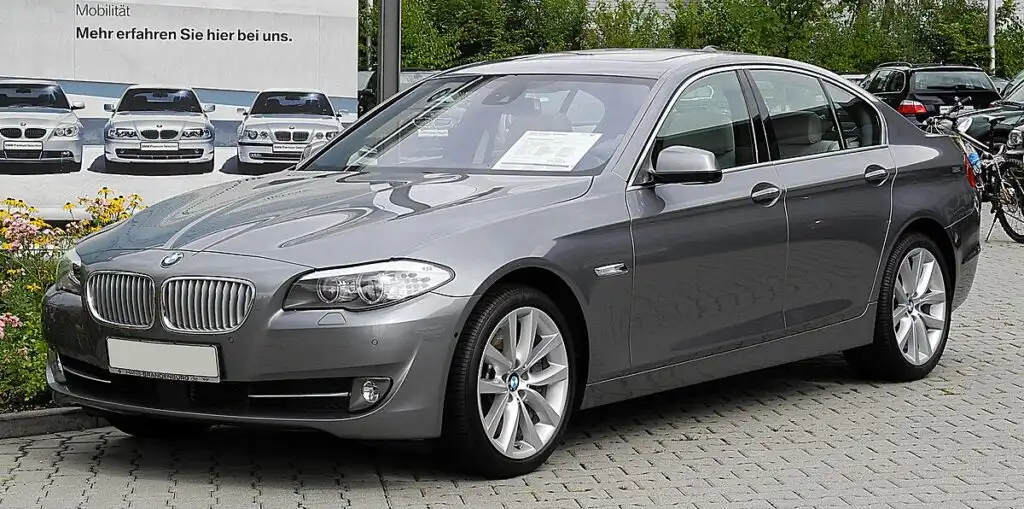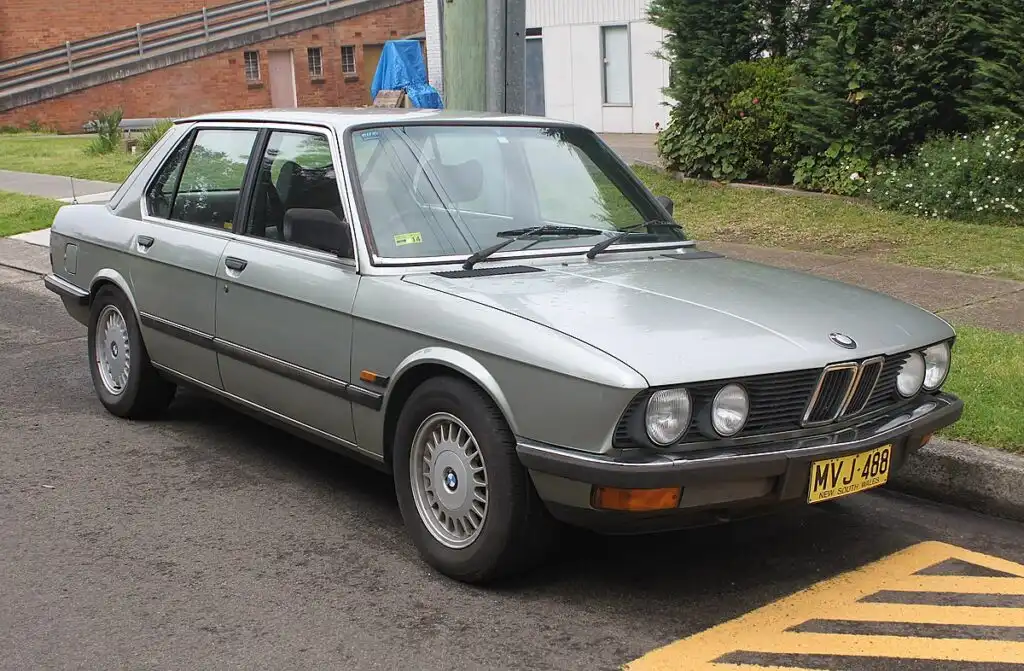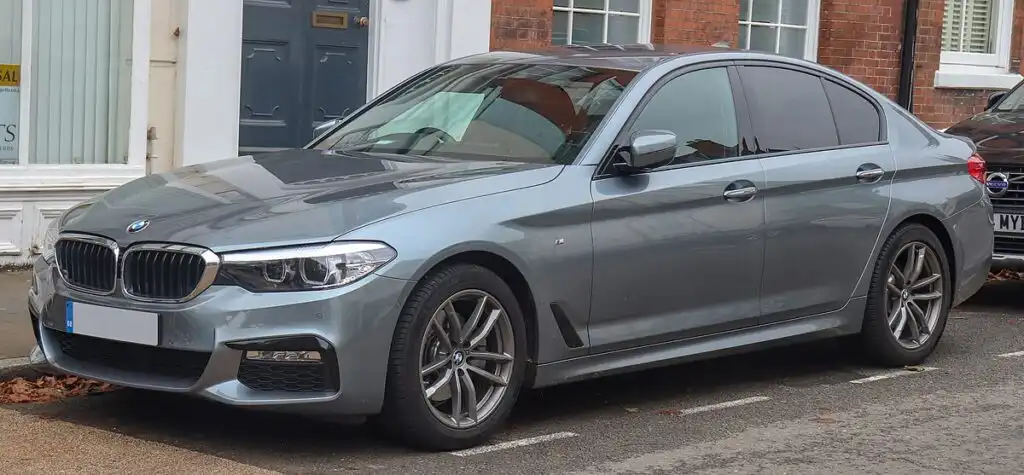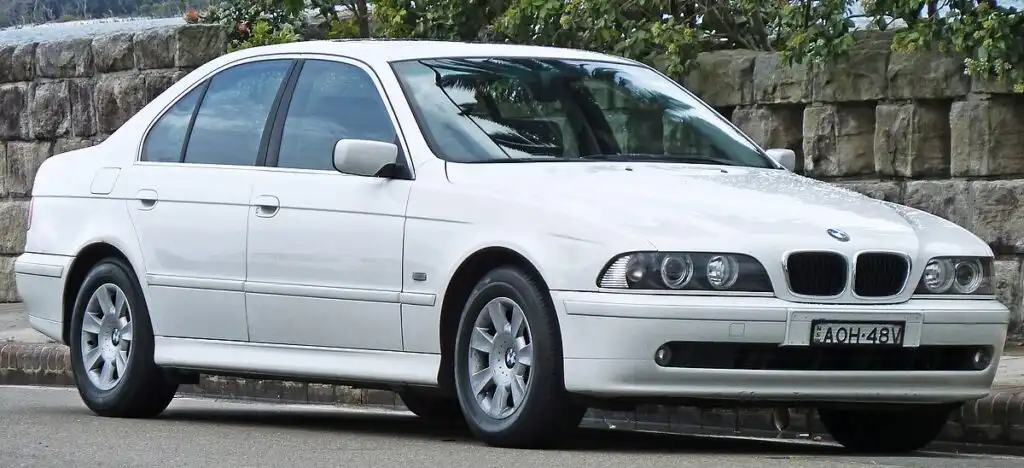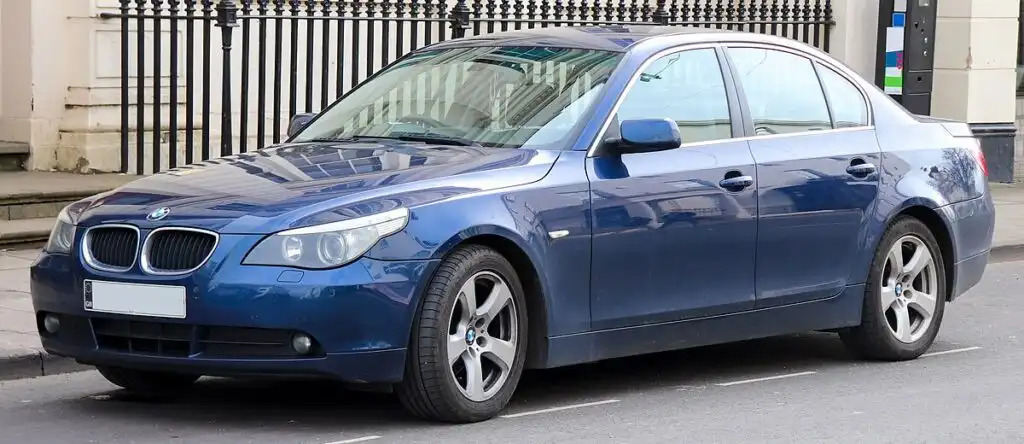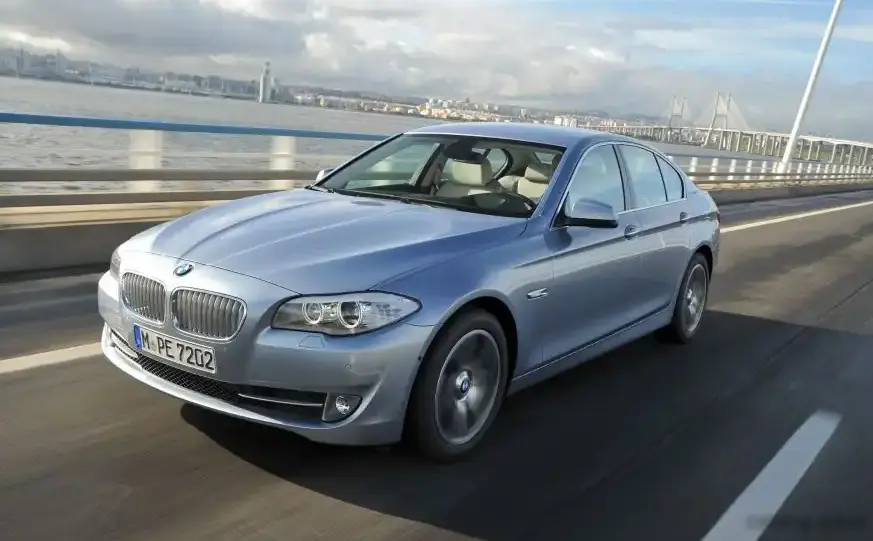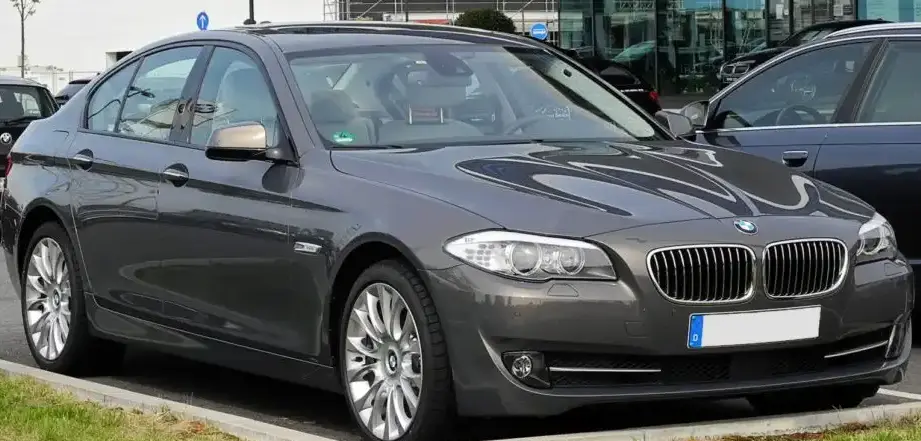
The BMW 5 Series F10 520i, produced from 2011 to 2013, represented the entry point into the fifth generation of BMW’s iconic mid-size executive sedan. Positioned below the 528i and 535i models, the 520i offered a balance of BMW’s renowned driving dynamics, luxury, and efficiency, appealing to buyers seeking a premium experience without the higher price tag of its more powerful siblings. This variant was primarily aimed at the European market, where smaller displacement engines were favored due to tax regulations and fuel costs, though it was also available in select other markets. The F10 generation, built on the BMW Group’s Executive Platform (F10), aimed to blend sporting character with increased comfort and technology.
Technical Specifications
| Brand | BMW |
| Model | 5 Series |
| Generation | 5 Series Sedan (F10) |
| Type (Engine) | 520i (184 Hp) |
| Start of production | 2011 |
| End of production | 2013 |
| Powertrain Architecture | Internal Combustion engine |
| Body type | Sedan |
| Seats | 5 |
| Doors | 4 |
| Fuel consumption (urban) | 8.9-9.2 l/100 km (26.4 – 25.6 US mpg) |
| Fuel consumption (extra urban) | 5.5-5.7 l/100 km (42.8 – 41.3 US mpg) |
| Fuel consumption (combined) | 6.8-7.0 l/100 km (34.6 – 33.6 US mpg) |
| CO2 emissions | 157-163 g/km |
| Fuel Type | Petrol (Gasoline) |
| Acceleration 0 – 100 km/h | 7.9 sec |
| Acceleration 0 – 62 mph | 7.9 sec |
| Acceleration 0 – 60 mph | 7.5 sec |
| Maximum speed | 227 km/h (141.05 mph) |
| Emission standard | Euro 5 |
| Weight-to-power ratio | 8.7 kg/Hp, 115.4 Hp/tonne |
| Weight-to-torque ratio | 5.9 kg/Nm, 169.3 Nm/tonne |
| Power | 184 Hp @ 5000-6250 rpm |
| Power per litre | 92.1 Hp/l |
| Torque | 270 Nm @ 1250-4500 rpm (199.14 lb.-ft. @ 1250-4500 rpm) |
| Engine layout | Front, Longitudinal |
| Engine Model/Code | N20B20B |
| Engine displacement | 1997 cm3 (121.86 cu. in.) |
| Number of cylinders | 4 |
| Engine configuration | Inline |
| Cylinder Bore | 84 mm (3.31 in.) |
| Piston Stroke | 90.1 mm (3.55 in.) |
| Compression ratio | 11:1 |
| Number of valves per cylinder | 4 |
| Fuel injection system | Direct injection |
| Engine aspiration | Twin-power turbo, Intercooler |
| Engine oil capacity | 5 l (5.28 US qt | 4.4 UK qt) |
| Coolant | 9.1 l (9.62 US qt | 8.01 UK qt) |
| Kerb Weight | 1595 kg (3516.37 lbs.) |
| Max. weight | 2205 kg (4861.19 lbs.) |
| Max load | 610 kg (1344.82 lbs.) |
| Trunk (boot) space – minimum | 520 l (18.36 cu. ft.) |
| Fuel tank capacity | 70 l (18.49 US gal | 15.4 UK gal) |
| Max. roof load | 100 kg (220.46 lbs.) |
| Permitted trailer load with brakes (12%) | 1900 kg (4188.78 lbs.) |
| Permitted trailer load without brakes | 750 kg (1653.47 lbs.) |
| Permitted towbar download | 90 kg (198.42 lbs.) |
| Length | 4899 mm (192.87 in.) |
| Width | 1860 mm (73.23 in.) |
| Height | 1464 mm (57.64 in.) |
| Wheelbase | 2968 mm (116.85 in.) |
| Front track | 1600 mm (62.99 in.) |
| Rear (Back) track | 1627 mm (64.06 in.) |
| Ride height (ground clearance) | 141 mm (5.55 in.) |
| Drag coefficient (Cd) | 0.29 |
| Minimum turning circle (turning diameter) | 11.95 m (39.21 ft.) |
| Drivetrain Architecture | The Internal combustion engine (ICE) drives the rear wheels of the vehicle. |
| Drive wheel | Rear wheel drive |
| Number of gears and type of gearbox | 6 gears, manual transmission |
| Front suspension | Double wishbone |
| Rear suspension | Independent multi-link suspension |
| Front brakes | Ventilated discs |
| Rear brakes | Ventilated discs |
| Assisting systems | ABS (Anti-lock braking system) |
| Steering type | Steering rack and pinion |
| Power steering | Electric Steering |
| Tires size | 225/55 R17; 245/45 R18; 275/40 R18; 245/40 R19; 275/35 R19; 245/35 R20; 275/30 R20 |
| Wheel rims size | 8J x 17; 8J x 18; 9J x 18; 8.5J x 19; 9J x 19; 8.5J x 20; 9J x 20 |
Powertrain & Engine Architecture
The heart of the 520i is the BMW N20B20B 2.0-liter inline-four cylinder engine. This engine is a key member of BMW’s new generation of modular engines, characterized by its all-aluminum construction, direct fuel injection, and a single twin-scroll turbocharger. The direct injection system, operating at pressures up to 200 bar, ensures precise fuel delivery for optimal combustion and efficiency. The N20 engine also features Valvetronic, BMW’s variable valve timing and lift technology, which allows for precise control of airflow into the cylinders, further enhancing both power and fuel economy. The turbocharger is integrated into the exhaust manifold, reducing turbo lag and improving responsiveness. The 520i utilized a six-speed automatic transmission (6F24) as standard, known for its smooth shifts and efficiency. This transmission featured a torque converter and electronic control for optimized gear selection.
Driving Characteristics
The 520i, with its 184 horsepower and 270 Nm (199 lb-ft) of torque, offered respectable performance for everyday driving. Acceleration from 0 to 60 mph took approximately 7.5 seconds, and top speed was limited to 141 mph. While not as quick as the 528i or 535i, the 520i provided sufficient power for comfortable highway cruising and overtaking. The automatic transmission was tuned for fuel efficiency, with relatively tall gear ratios. This resulted in a relaxed driving experience, but could sometimes feel sluggish when requiring rapid acceleration. Compared to the manual transmission option, the automatic prioritized smoothness and ease of use over outright performance.
Equipment & Trim Levels
The 520i typically came standard with features such as leatherette upholstery, automatic climate control, a multi-function steering wheel, and BMW’s iDrive infotainment system with a 6.5-inch display. Optional extras included leather upholstery, a premium sound system, navigation, parking sensors, and a sunroof. Trim levels varied by market, but generally offered packages that bundled popular options together. The interior design was typical BMW, emphasizing a driver-focused layout with high-quality materials and a clean, modern aesthetic.
Chassis & Braking
The F10 520i featured a double-wishbone front suspension and an independent multi-link rear suspension, providing a comfortable yet controlled ride. The suspension was tuned to balance handling and comfort, offering a good compromise for everyday driving. Braking duties were handled by ventilated disc brakes on all four wheels, providing ample stopping power. The standard ABS (Anti-lock Braking System) and stability control systems enhanced safety and control in various driving conditions. The 520i’s weight distribution was relatively balanced, contributing to its predictable handling characteristics.
Market Reception & Comparison
The 520i was generally well-received by automotive critics as a sensible and efficient entry point into the 5 Series range. It was praised for its comfortable ride, refined interior, and fuel economy. However, some critics noted that the engine lacked the outright performance of its larger displacement siblings. Compared to the 528i, the 520i offered significantly lower running costs but sacrificed some performance. Against competitors like the Audi A6 and Mercedes-Benz E-Class, the 520i held its own in terms of driving dynamics and build quality.
Legacy
The N20 engine, found in the 520i, proved to be a reliable and durable powerplant when properly maintained. Common issues included oil leaks from the valve cover gasket and occasional problems with the turbocharger. However, these issues were generally not widespread and could be addressed with routine maintenance. Today, the F10 520i represents a relatively affordable entry point into BMW ownership, offering a blend of luxury, performance, and reliability. The car’s relatively simple mechanicals and readily available parts make it a popular choice for enthusiasts and those seeking a well-rounded executive sedan.