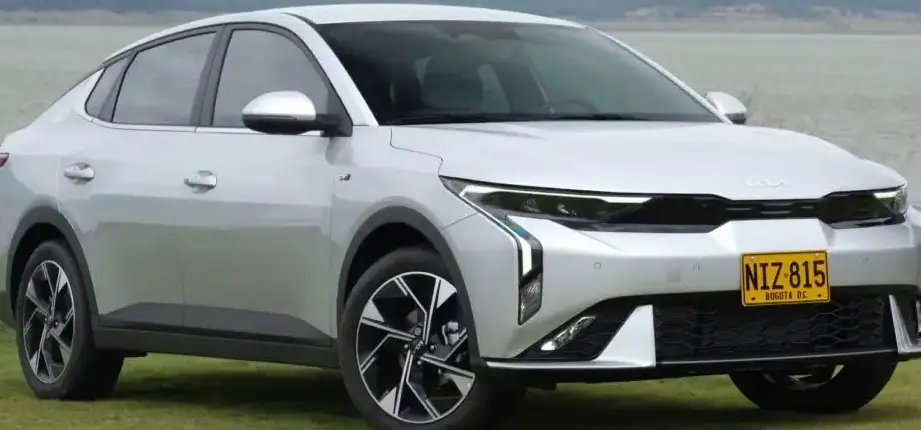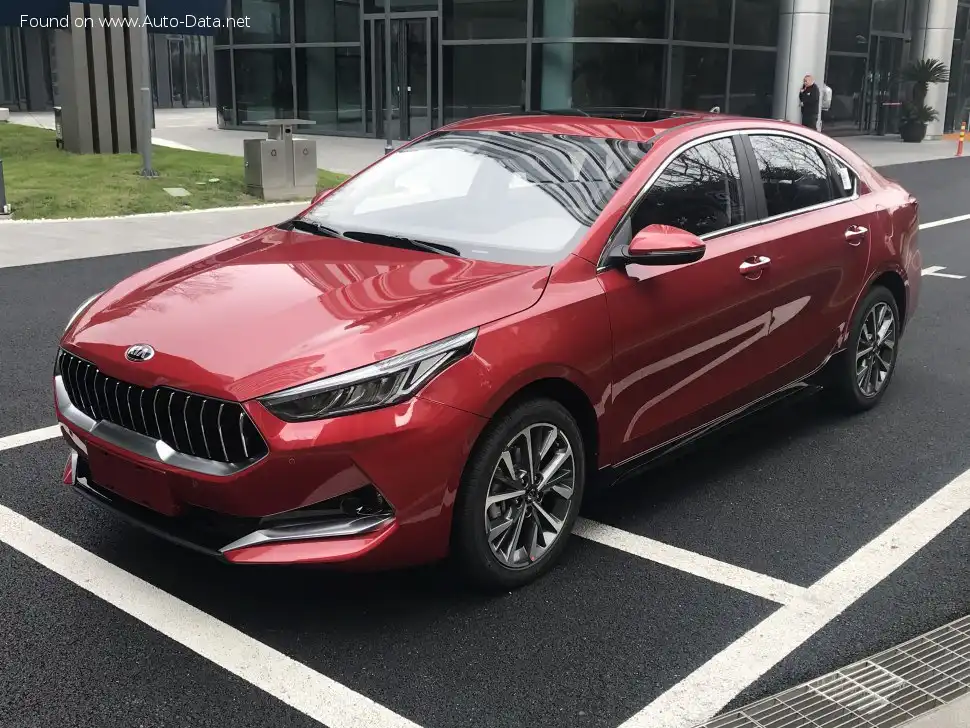
The Kia K3 (BL7) Hatchback, specifically the 2.0L (150 hp) Automatic variant, represents Kia’s entry into the compact hatchback segment, launched in October 2023. Positioned as a mainstream offering within the K3 lineup, this model aims to provide a balance of practicality, fuel efficiency, and modern features for the North American market. The BL7 generation K3 is a significant redesign, moving away from the previous Forte hatchback and adopting a more sophisticated design language and updated technology. It shares its platform with the latest Kia Cerato/Forte, but offers a distinct hatchback body style catering to buyers prioritizing cargo space and versatility.
Technical Specifications
| Brand | Kia |
| Model | K3 |
| Generation | K3 (BL7) Hatchback |
| Type (Engine) | 2.0L (150 Hp) Automatic |
| Start of production | October, 2023 |
| Powertrain Architecture | Internal Combustion engine |
| Body type | Hatchback |
| Seats | 5 |
| Doors | 5 |
| Fuel consumption (combined) | 6.0 l/100 km (39.2 US mpg, 47.1 UK mpg, 16.7 km/l) |
| Fuel Type | Petrol (Gasoline) |
| Power | 150 Hp @ 6200 rpm |
| Torque | 191 Nm @ 4000 rpm (140.87 lb.-ft. @ 4000 rpm) |
| Engine layout | Front, Transverse |
| Engine Model/Code | Smartstream |
| Number of cylinders | 4 |
| Engine configuration | Inline |
| Number of valves per cylinder | 4 |
| Fuel injection system | Multi-port manifold injection |
| Engine aspiration | Naturally aspirated engine |
| Engine systems | Start & Stop System |
| Trunk (boot) space – minimum | 390 l (13.77 cu. ft.) |
| Fuel tank capacity | 45 l (11.89 US gal | 9.9 UK gal) |
| Length | 4295 mm (169.09 in.) |
| Width | 1765 mm (69.49 in.) |
| Height | 1495 mm (58.86 in.) |
| Wheelbase | 2670 mm (105.12 in.) |
| Front overhang | 840 mm (33.07 in.) |
| Rear overhang | 785 mm (30.91 in.) |
| Ride height (ground clearance) | 180 mm (7.09 in.) |
| Drivetrain Architecture | The Internal combustion engine (ICE) drives the front wheels of the vehicle. |
| Drive wheel | Front wheel drive |
| Number of gears and type of gearbox | 6 gears, automatic transmission |
| Front suspension | Independent type McPherson |
| Rear suspension | Torsion |
| Front brakes | Ventilated discs |
| Rear brakes | Disc |
| Assisting systems | ABS (Anti-lock braking system) |
| Steering type | Steering rack and pinion |
| Power steering | Electric Steering |
| Tires size | 205/50 R17 |
| Wheel rims size | 17 |
Powertrain & Engine Architecture
The heart of the K3 2.0L Automatic is Kia’s Smartstream 2.0-liter inline-four cylinder engine. This engine utilizes a multi-port fuel injection system, a common setup for naturally aspirated engines prioritizing fuel efficiency and smooth operation. The engine produces 150 horsepower at 6,200 rpm and 191 Nm (140.87 lb-ft) of torque at 4,000 rpm. The Smartstream engine incorporates several features aimed at improving efficiency, including a cooled exhaust gas recirculation (EGR) system and optimized combustion chamber design. Paired with this engine is a six-speed automatic transmission. This transmission is designed for smooth shifts and responsive acceleration, though it prioritizes comfort over outright performance. The transmission’s gear ratios are tuned to maximize fuel economy during highway cruising while still providing adequate power for everyday driving situations. The transmission features a conventional torque converter design, contributing to its smooth operation and refinement.
Driving Characteristics
The 2.0L Automatic K3 offers a comfortable and predictable driving experience. Acceleration is adequate for merging onto highways and navigating city streets, but it isn’t particularly sporty. The automatic transmission generally shifts smoothly, although it can sometimes feel hesitant during quick acceleration maneuvers. Compared to a manual transmission equipped K3 (not widely available in the US market), the automatic version sacrifices some responsiveness. The six-speed automatic is geared towards fuel efficiency, resulting in a slightly less engaging driving experience than a sportier transmission. The steering is light and easy to use, making it well-suited for urban driving. The suspension is tuned for comfort, absorbing bumps and imperfections in the road surface effectively. Overall, the driving experience is geared towards comfort and ease of use rather than performance, making it an ideal choice for daily commuting and family transportation.
Equipment & Trim Levels
The K3 2.0L Automatic typically comes standard with a respectable array of features. These generally include air conditioning, power windows and locks, a touchscreen infotainment system with Apple CarPlay and Android Auto compatibility, and a suite of safety features such as automatic emergency braking, lane keeping assist, and a rearview camera. Interior upholstery is typically cloth, with available upgrades to leatherette or leather in higher trim levels. Optional extras often include a sunroof, heated seats, a premium audio system, and advanced driver-assistance systems like adaptive cruise control and blind-spot monitoring. The dashboard layout is modern and user-friendly, with a focus on intuitive controls and a clean aesthetic. Higher trim levels may also include features like wireless phone charging and a larger touchscreen display.
Chassis & Braking
The K3 Hatchback utilizes a front-wheel-drive layout with an independent McPherson strut suspension in the front and a torsion beam suspension in the rear. This suspension setup provides a good balance of ride comfort and handling. The front brakes are ventilated discs, providing ample stopping power, while the rear brakes are solid discs. The K3 is equipped with an anti-lock braking system (ABS) as standard, enhancing safety during emergency braking situations. Electric power steering provides light and precise steering feel. The chassis is designed to be relatively lightweight, contributing to improved fuel efficiency and handling. The use of high-strength steel in key areas of the chassis enhances structural rigidity and improves crash safety.
Market Reception & Comparison
The Kia K3 2.0L Automatic has been generally well-received by automotive critics as a practical and well-equipped compact hatchback. Reviewers have praised its comfortable ride, spacious interior, and user-friendly technology. However, some have noted that its engine performance is not as exciting as some of its competitors, such as the Mazda3 or Honda Civic. Compared to other trims in the K3 lineup, the 2.0L Automatic offers a good balance of price and features. It’s more affordable than the higher-performance trims, but still provides a comfortable and well-equipped driving experience. Fuel economy is competitive within its class, offering around 39.2 US mpg combined. Reliability is expected to be good, based on Kia’s recent track record and the proven durability of the Smartstream engine. The K3 aims to compete with established players like the Toyota Corolla Hatchback and Hyundai Elantra GT.
Legacy
The Kia K3 (BL7) Hatchback 2.0L Automatic represents a step forward for Kia in the compact hatchback segment. Its combination of modern design, practical features, and competitive fuel economy positions it as a strong contender in a crowded market. The Smartstream engine and six-speed automatic transmission are expected to be reliable and durable, providing years of trouble-free service. As the K3 ages, it is likely to become a popular choice in the used car market, offering a good value proposition for buyers seeking a practical and affordable compact hatchback. The BL7 generation K3 is expected to solidify Kia’s reputation for building well-rounded and reliable vehicles, and potentially attract a new segment of buyers to the brand. The K3’s focus on technology and comfort will likely influence future Kia models.